

For the first few weeks of life, a kitten’s world is tiny and warm. They stay huddled close to their mother, sleeping and growing inside a safe nursery.
But as their legs grow stronger, curiosity inevitably takes over. The moment they climb out of their box is a massive milestone.
The critical timing of the exploratory phase
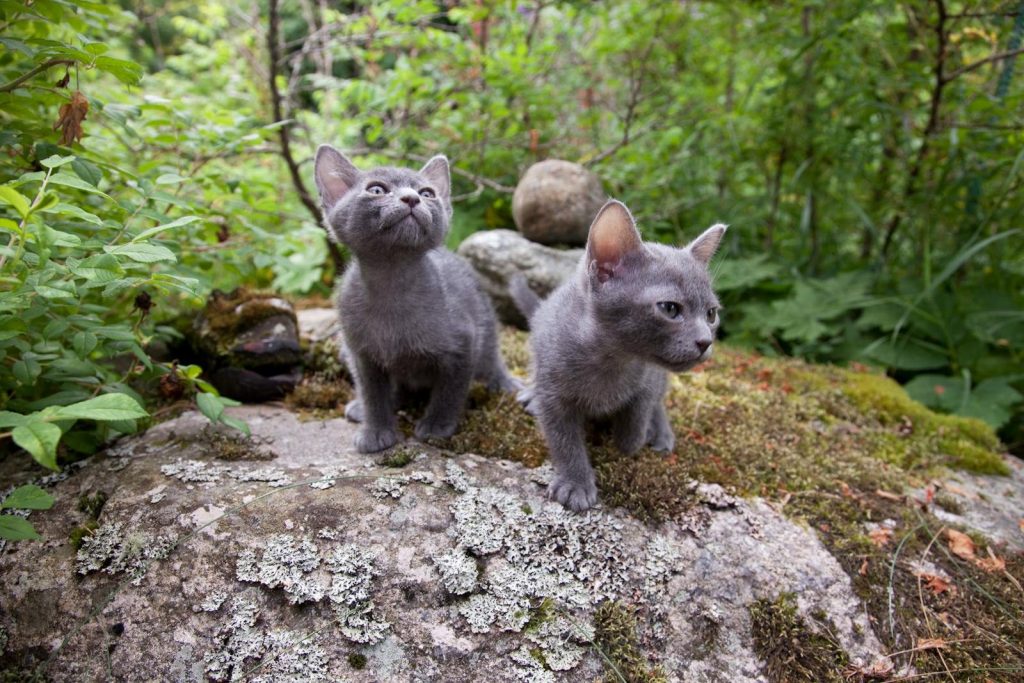
Kittens typically venture away around three weeks of age. According to veterinary behavior experts at the ASPCA, this timing matches sensory development. It is rapid. Suddenly, their eyes see the whole room. This physical transformation triggers a massive wave of confidence. But their first steps look incredibly wobbly.
Rebuilding muscle strength on slippery surfaces

Those initial steps outside the nesting box are a serious physical challenge. Their leg muscles are still weak. Moving onto flat floors helps them develop coordination and motor skills. Clumsy tumbles help their brain map out movement. It works. But they rely on a powerful guide to stay safe.
How mother cats supervise the grand exit

The mother cat watches with intense focus. She chirps. If a kitten gets stuck, she will gently carry them back by the scruff. This constant guidance keeps them safe. But she is actually preparing them for a much bigger challenge.
Learning how to navigate unexpected household hazards
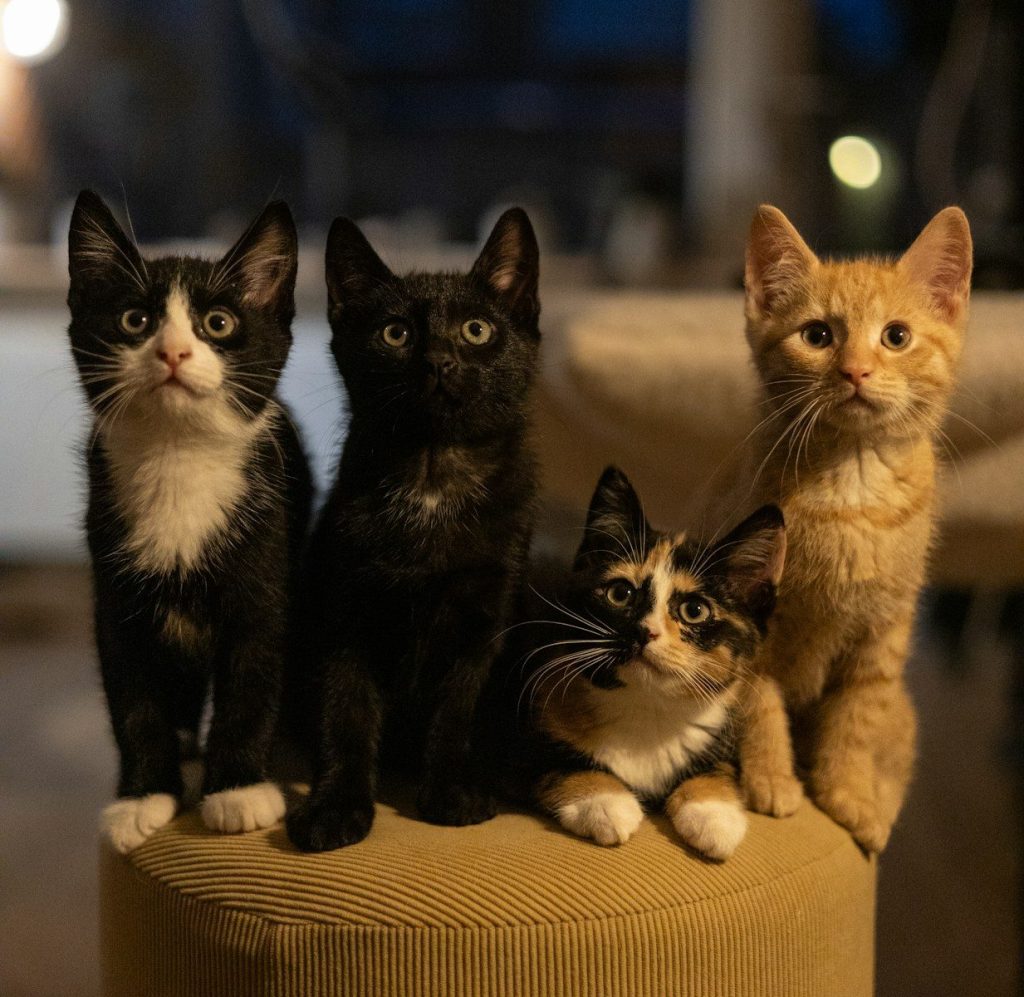
Kittens interact with everything. They sniff carpets. This sensory stimulation is crucial for building a brave adult cat. It teaches them about risks. However, owners must prepare the room immediately because one hidden object can cause a crisis.
Kitten-proofing the room for absolute safety
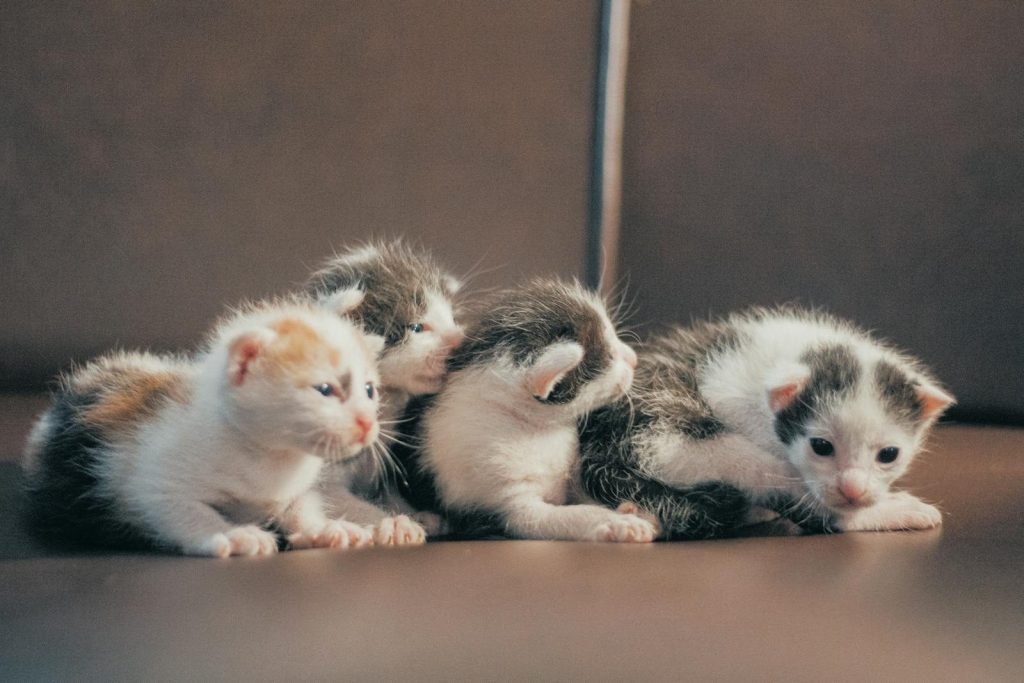
You must prepare the room first. Kittens squeeze into tiny gaps. Cords, small toys, and houseplants pose massive risks to a tiny explorer. This prevents dangerous accidents. But their safety is not the only thing changing.
The exciting transition to solid cat foods

Leaving the nest triggers weaning. They burn energy fast. Soon, they will sniff their mother’s food bowl. This interest marks the perfect time to introduce soft kitten food. Yet, another critical instinct is about to wake up.
Discovering the purpose of the litter box
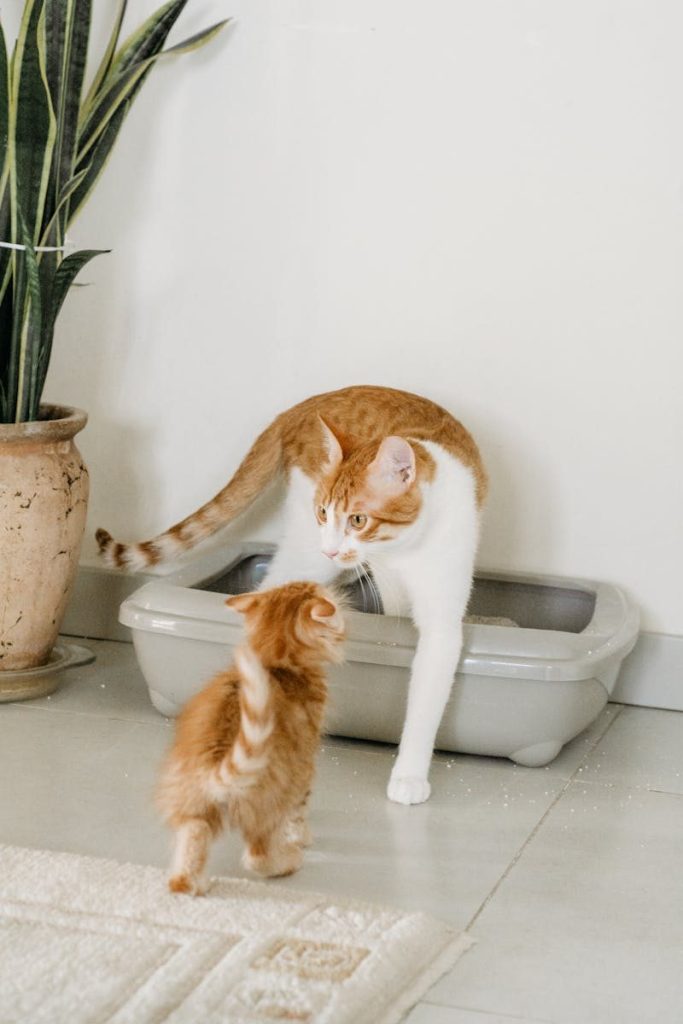
Kittens learn by watching their mom. A low-sided litter box placed near the nursery helps them succeed. It is easy. Their natural instincts make training surprisingly smooth. But how do you ensure your little explorers are actually thriving?
Celebrating the growth of your tiny felines
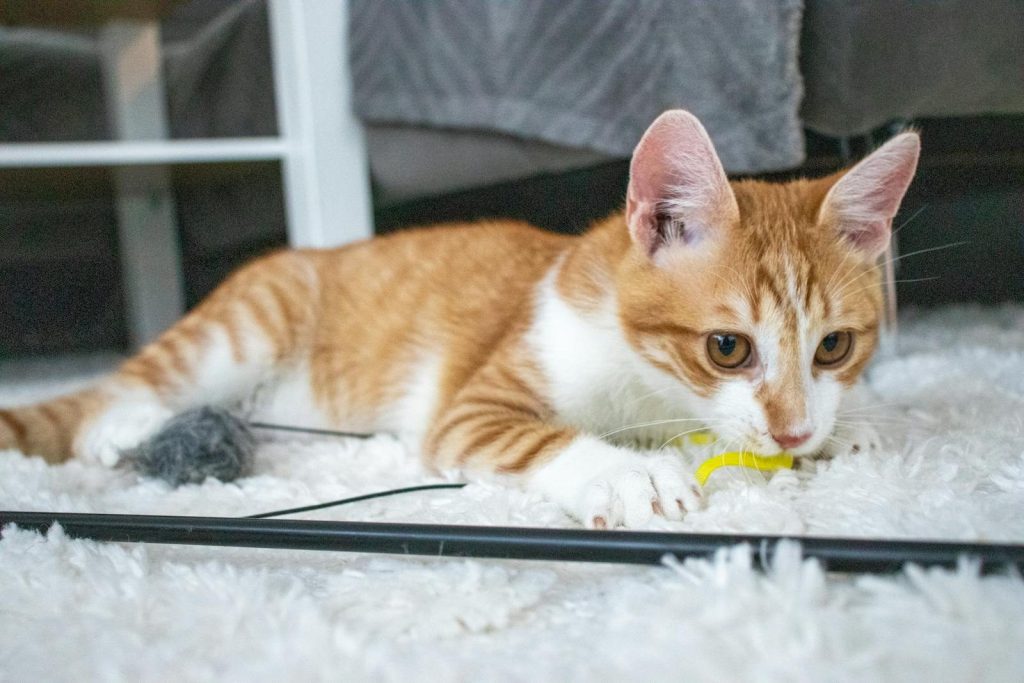
Watching them grow is beautiful. Healthy kittens show endless energy. This article is for informational purposes only and does not constitute veterinary advice. Giving them a safe space ensures they grow into happy, confident companions.