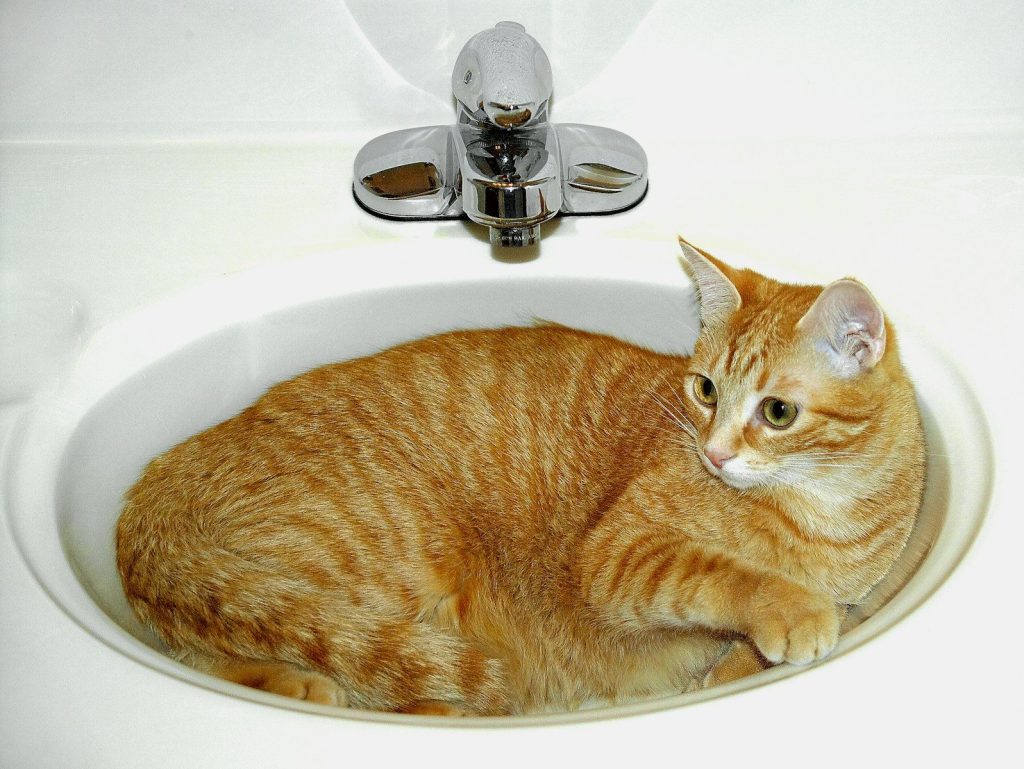

Most pet owners believe kittens should never be washed with water. We assume that self-cleaning is always enough to keep a young cat healthy.
But veterinary medical experts state that certain skin conditions require a professional wash. A gentle medicated bath can actually save a young rescue kitten’s life.
Spotting The Real Need
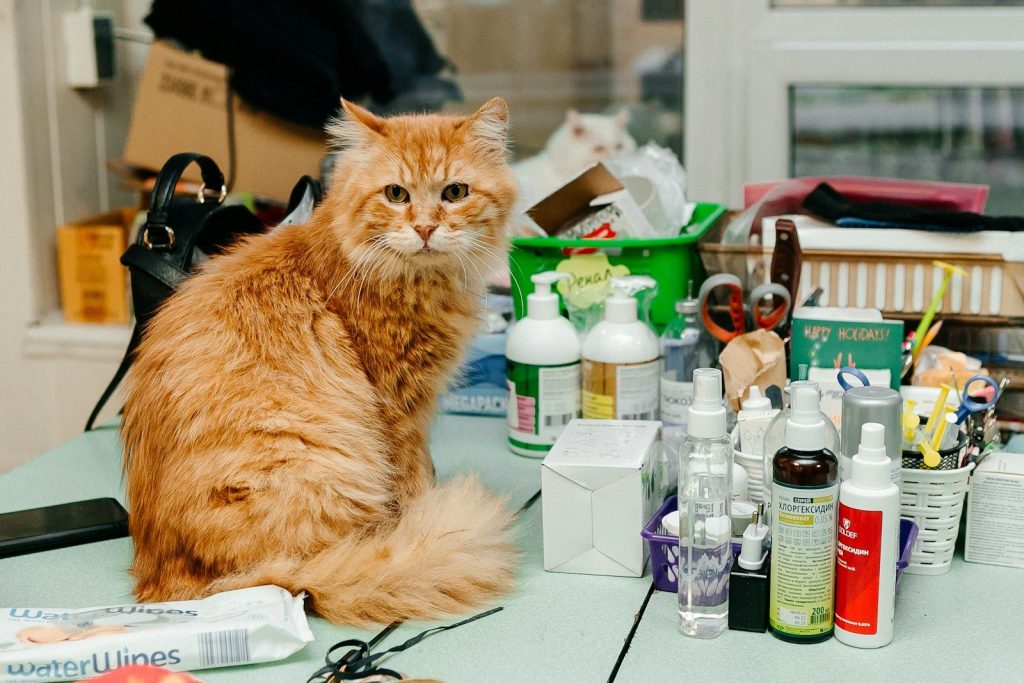
Young kittens often arrive at shelters with severe skin issues or pesky bugs. Action is critical. According to the Cornell Feline Health Center, tiny kittens cannot regulate their body temperature or fight infections easily. A specialized medicated wash is often necessary to treat conditions like ringworm safely. But preparing the room is the most important first step.
Creating A Warm Space
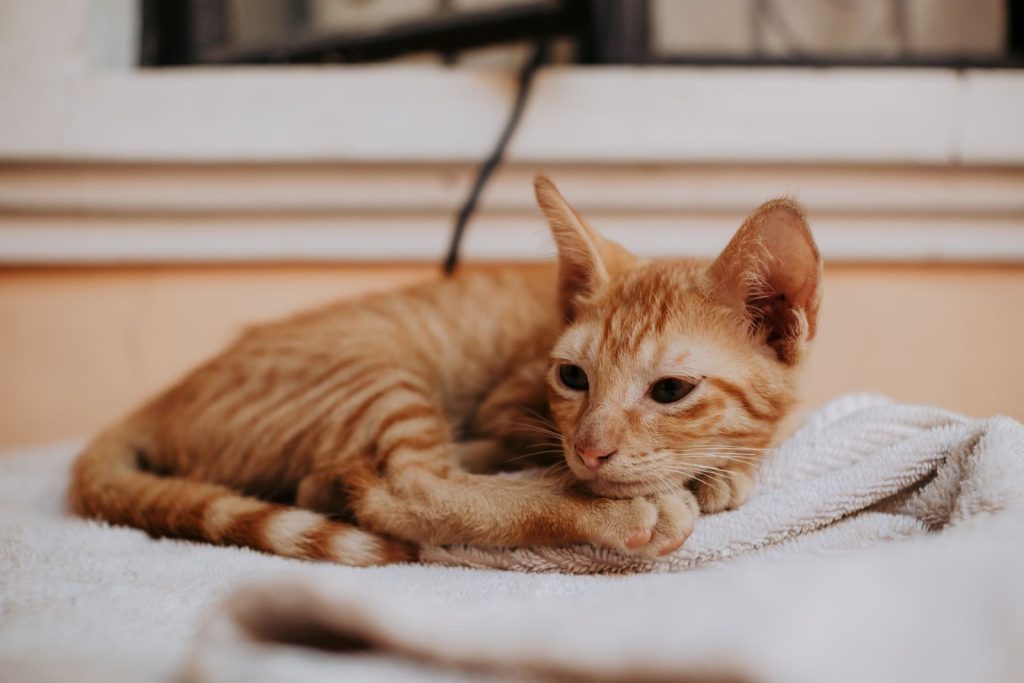
The washing area must be kept exceptionally warm to protect a tiny cat. Comfort is key. According to guidelines from the ASPCA, cold water or chilly drafts can cause dangerous drops in a kitten’s body temperature. Ensuring the room is warm and quiet helps keep their stress levels low. Yet the bath itself requires a very delicate touch.
Using Kitten Safe Water
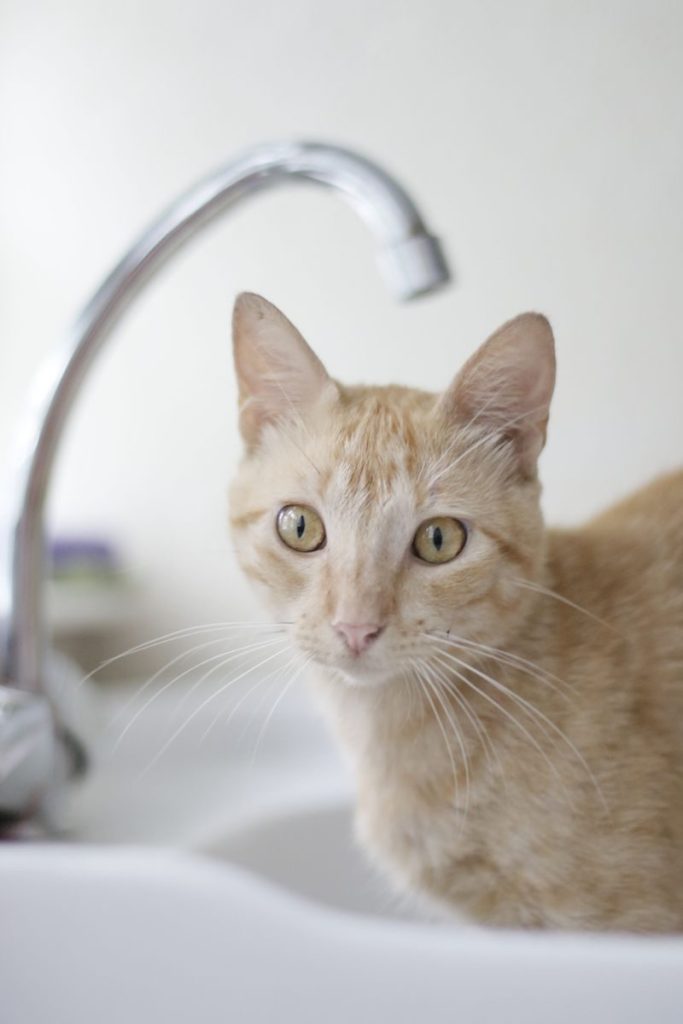
Water temperature should always feel lukewarm to your sensitive wrist. Safety comes first. According to studies from Oregon State University, feline skin is highly sensitive to extreme temperatures. Gently dipping their tiny body while keeping their head dry prevents panic during the process. However, choosing the right medicine is another vital choice.
Applying Medicated Wash
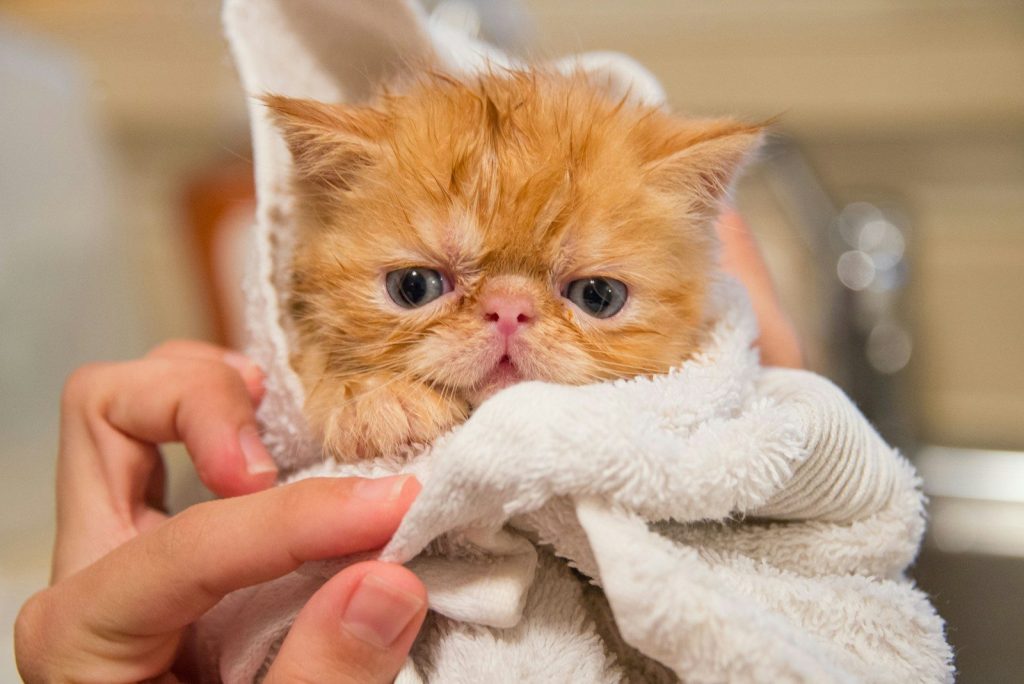
Specialized formulas must be applied carefully to target specific skin irritations. Dosage is everything. According to the American Veterinary Medical Association, owners should never use human shampoos or dog washes on kittens. These harsh chemicals can damage their delicate skin barrier. But keeping them calm during the wait is a unique challenge.
Drying Off Gently
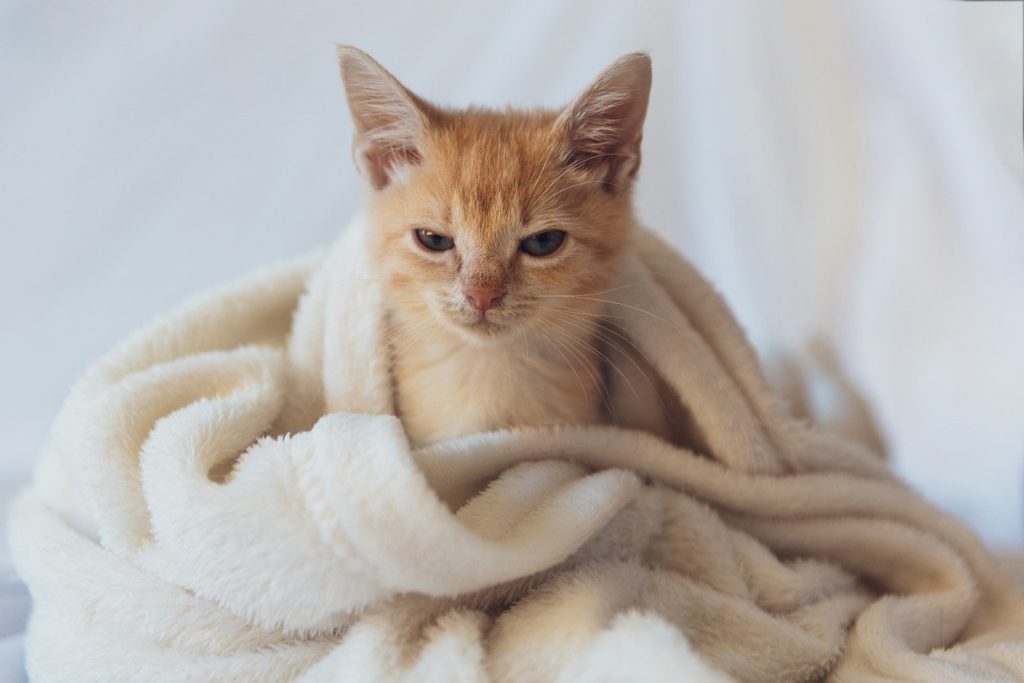
Once the wash is done, immediate warming is absolutely essential for survival. Warmth is life. According to reports from the San Diego Humane Society, wrapping a wet kitten in warm dry towels prevents dangerous shivering. Using a low quiet heat source can also help dry their soft fur safely. This comforting step leads to a beautiful recovery.
Watching For Recovery
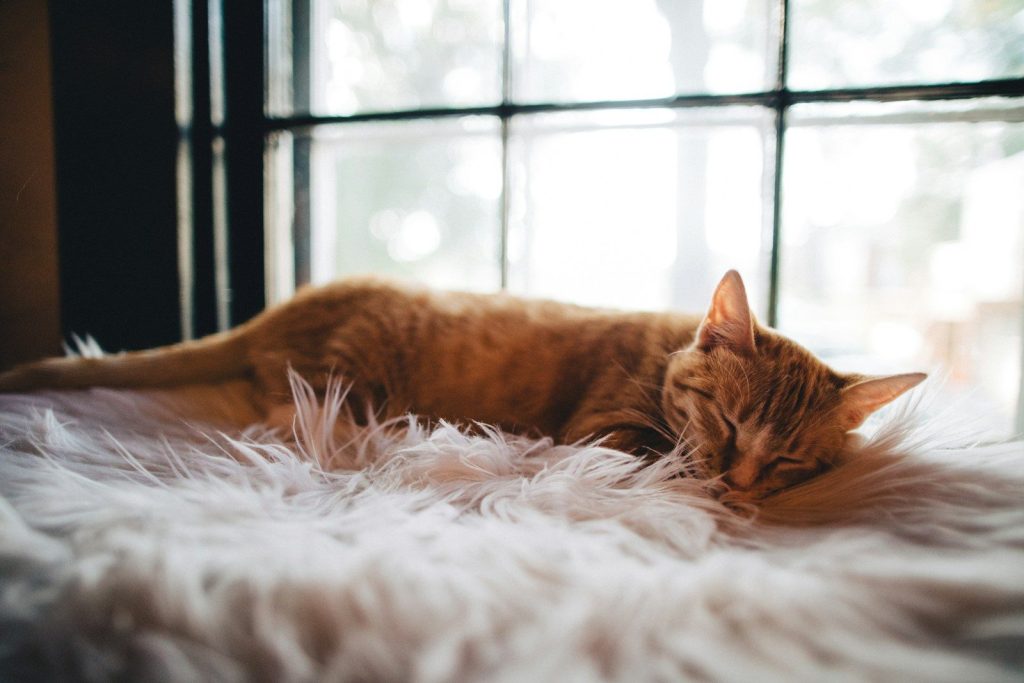
A clean kitten will often feel a massive wave of exhaustion after bathing. Rest is healing. According to guidelines from the American Association of Feline Practitioners, monitoring their behavior for sluggishness after a bath is crucial. Providing a warm bed and a tasty meal helps them rebuild their energy quickly. This loving care guarantees a wonderful ending.
Keeping Your Pet Healthy
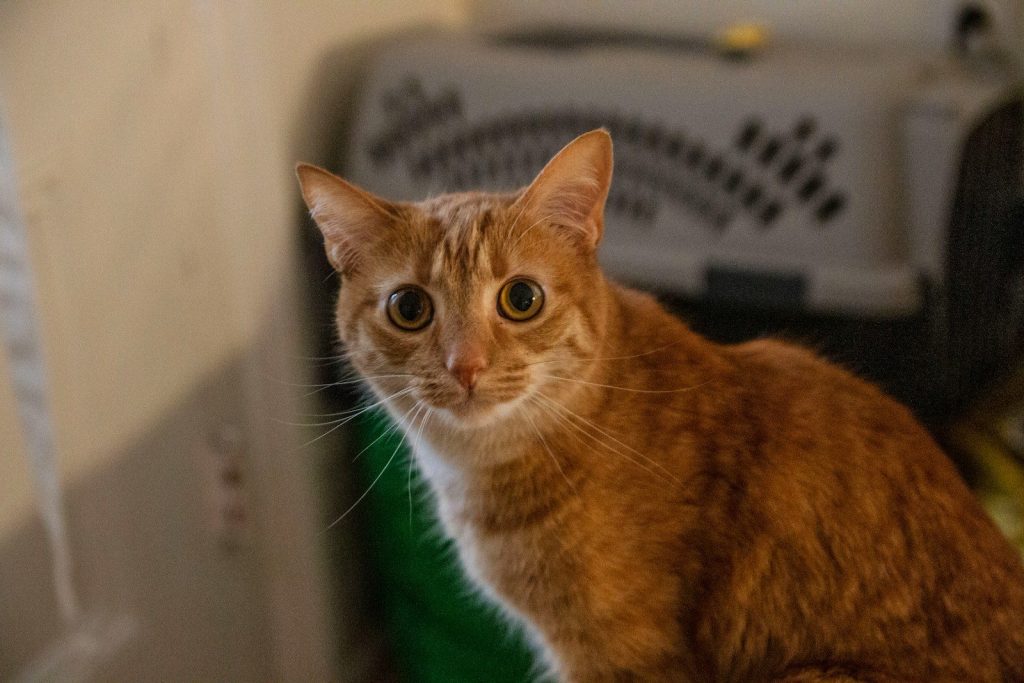
Helping a tiny kitten heal through proper bathing is a beautiful act of love. Trust grows fast. According to the American Veterinary Medical Association, early medical care sets kittens up for a comfortable life. Enjoy these bonding moments. This article is for informational purposes only and does not constitute veterinary advice.