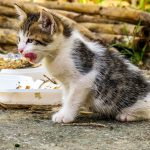
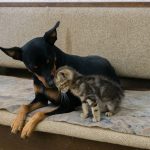
A barn cat may look fiercely independent, but outdoor living does not eliminate the need for human care.
Vermont’s Felines & Friends Foundation works directly with farmers and caretakers and stresses that barn cats still require food, water, shelter, sterilization and medical attention.
Barn Cats Still Need Food

A working outdoor cat should not be expected to survive entirely by hunting. Felines & Friends Foundation requires caretakers to provide fresh food every day.
Fresh Water Matters Daily

Outdoor cats also need a dependable supply of clean water. In Vermont, winter conditions make this especially important because ordinary water bowls can freeze.
Shelter Is Essential

FFF requires barn-cat caregivers to provide protection from the elements, whether that is a barn, stable, warehouse or other appropriate sheltered space.
Sterilization Prevents More Litters
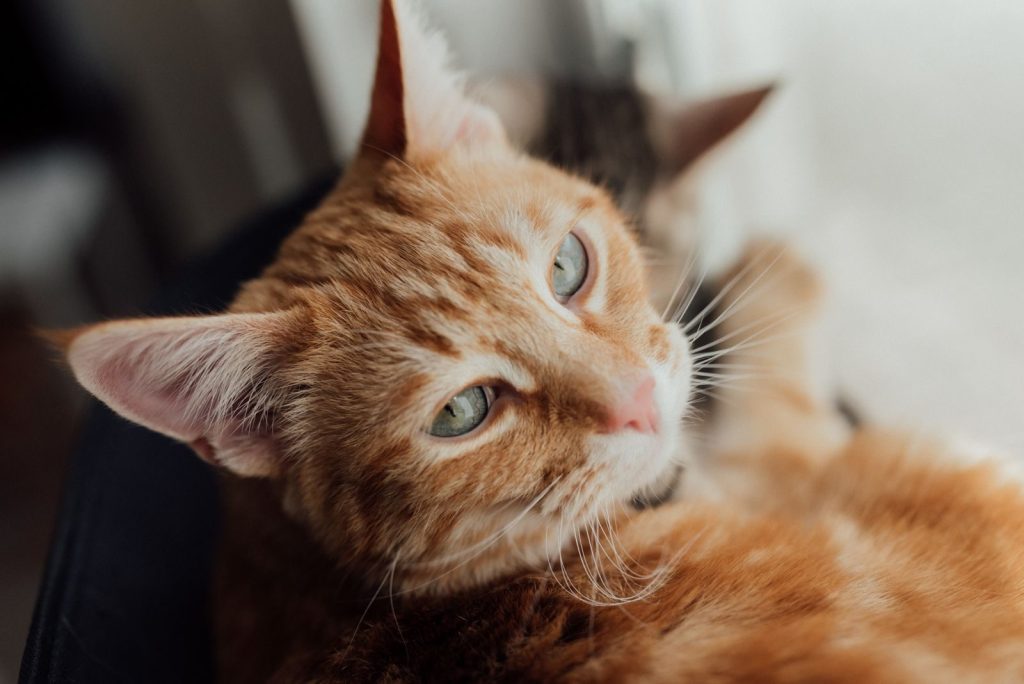
The Vermont organization uses Trap-Neuter-Return to stabilize populations of outdoor and barn cats. Cats are humanely trapped, spayed or neutered and then returned to familiar territory.
Vaccination Is Part of Care
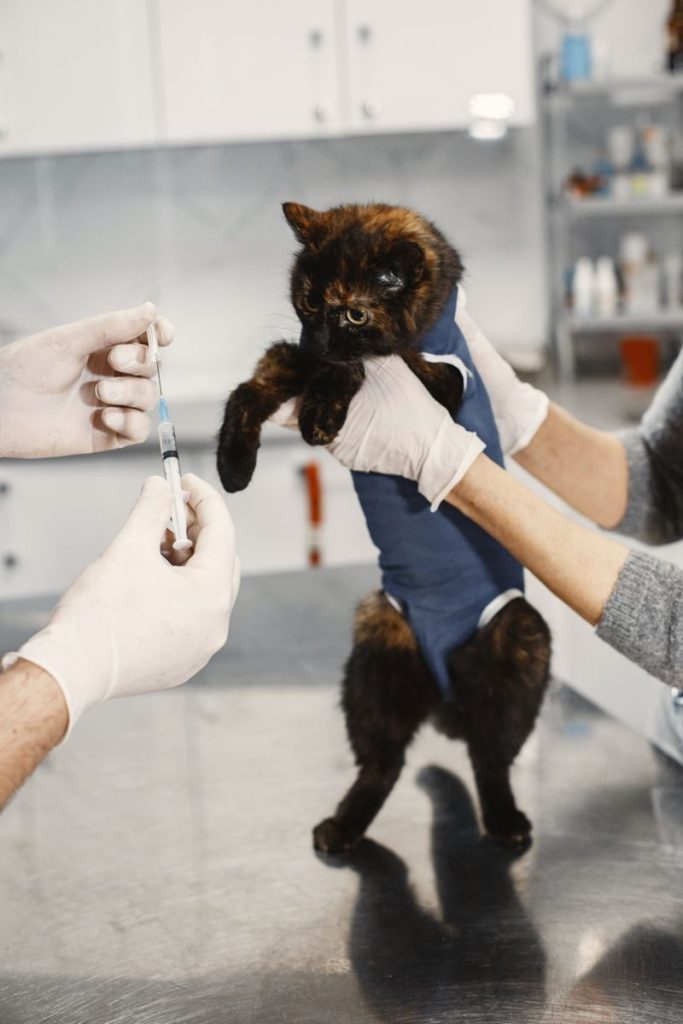
Cats handled through the program are vaccinated as well as sterilized. Outdoor living does not remove the need for preventive veterinary care.
Familiar Territory Has Value
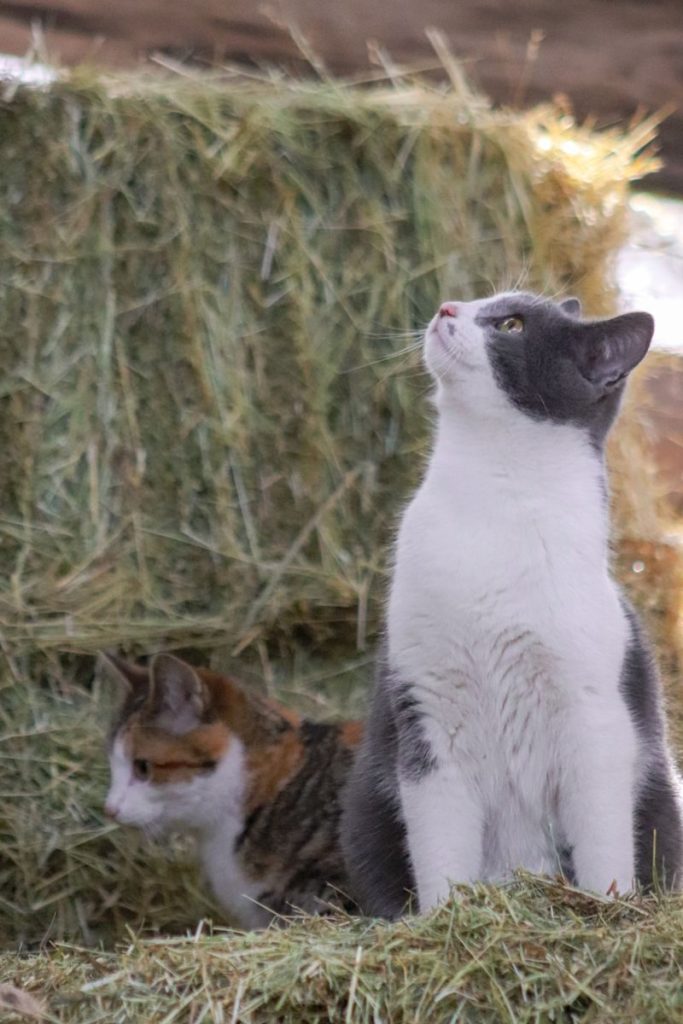
FFF normally returns TNR cats to the place they already know. Its current program describes cats returning to properties where colony managers continue supplying food, water and winter shelter.
Relocation Takes Preparation

When a barn cat must move, FFF recommends confinement at the new property for one to two weeks before release. This helps the cat learn that the new location is its home base.
Independent Does Not Mean Abandoned

A well-cared-for barn cat can live with considerable freedom while still depending on people. Daily food and water, shelter, monitoring and medical care remain part of responsible ownership.
Featured Image: Photo by Vladimir Srajber on Pexels