Newborn stray kittens without motherly care face severe survival challenges during early life weeks. Most rescuers expect fragile neonates to require complex medical intervention.
But one dedicated animal rescue team stepped in quickly to provide round-the-clock nursing care. Their fast action transformed a tiny, helpless stray into a thriving pet.
Finding A Stranded Neonate

A passerby discovered a tiny orphaned kitten crying alone near a chilly outdoor walkway. She was tiny. Weighing only a few ounces, the fragile kitten needed immediate body heat and specialized formula. According to neonatal kitten care guidelines from the Humane Society, abandoned kittens under two weeks cannot regulate internal body temperature independently. The rescuer rushed her to a foster home.
Setting Up Emergency Incubators

The foster parent prepared a heated nest using soft fleece blankets and warm heating pads. Protection arrived fast. Gentle heating restored normal body warmth before the kitten received specialized liquid formula. According to shelter medicine standards from the ASPCA, maintaining a warm ambient temperature is critical for neonatal survival. The kitten accepted her very first bottle feeding.
Maintaining Continuous Bottle Feedings
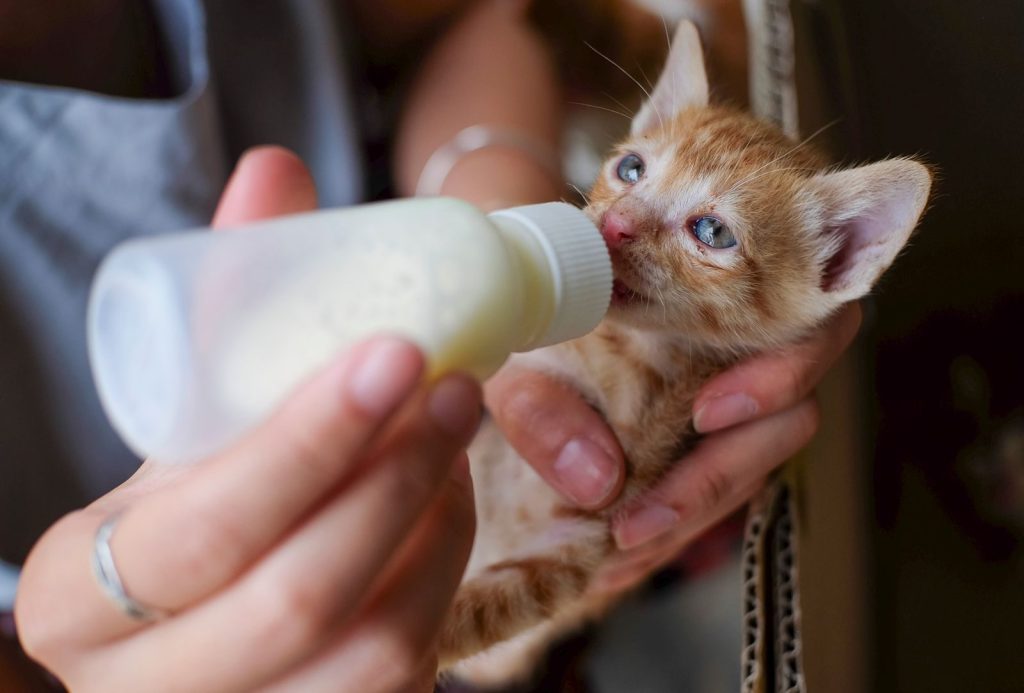
Round-the-clock nursing sessions every two hours provided vital nutrients for healthy physical growth. Strength returned daily. The dedicated caregiver weighed the kitten every morning to track essential weight gain progress. According to veterinary reports from the Cornell Feline Health Center, consistent daily weight gains signal strong digestive health in neonates. The little orphan gained energy steadily.
Opening Eyes To New Surroundings

At two weeks old, the tiny kitten opened her blue eyes to explore her soft nursery enclosure. Curiosity guided her. She wobbled on tiny paws while practicing her very first quiet purring sounds. According to animal behavior studies from the University of California, Davis, early positive human contact builds confident temperaments in young cats. Her foster parent recorded these milestones.
Transitioning To Solid Kitten Food

By four weeks of age, the energetic kitten began eating soft kitten food from shallow dishes. She learned quickly. Interactive toys like soft plush mice helped develop her coordination and playful chasing instincts. According to feline development guides published by the Cat Fanciers Association, early weaning routines foster independent eating habits. Her physical recovery impressed veterinary staff.
Completing Final Veterinary Vaccinations

At eight weeks old, shelter veterinarians performed routine health checks, vaccinations, and microchip placement. Readiness was total. The once fragile stray was declared healthy and fully ready for permanent home placement. According to pet adoption statistics from the American Veterinary Medical Association, early foster intervention saves thousands of young neonates annually. A loving family submitted an application.
Entering A Loving Forever Home

The adopted kitten settled seamlessly into her new family’s home, sleeping happily on soft pillows. Happiness filled the house. Her playful energy and affection brought immense joy to her new human family members. According to human-animal interaction reports from Tufts University, rescue pets create strong emotional bonds within adoption households. Her future remains bright and secure.
Supporting Local Kitten Foster Networks

Compassionate foster caregivers play an essential role in saving vulnerable orphaned strays throughout every community. Dedication saves fragile lives. Supporting local animal shelters gives every homeless kitten a chance to thrive. According to animal welfare experts, community foster programs provide crucial life-saving resources for young strays. This article is for informational purposes only.
Featured Image: Photo by Mayara Caroline Mombelli on Pexels