

Many people believe that big wild cats like lions dominate African hunting landscapes entirely. Most wildlife lovers assume larger predators are the most successful hunters in arid environments.
But the black-footed cat is Africa’s smallest feline yet achieves the highest hunting success rate of any wild cat species. Conservationists are now working hard to protect this rare nocturnal hunter.
Exploring Arid Habitats

The black-footed cat inhabits dry grasslands and semi-desert regions across southern Africa. Its size stays small. Adults weigh less than five pounds, making them one of the smallest wild feline species on Earth. According to research published by the Black-footed Cat Working Group, these tiny predators travel up to eight miles nightly while hunting. Their nocturnal lifestyle keeps them hidden from view.
Hunting With Incredible Efficiency

This tiny predator successfully catches prey on over sixty percent of its hunting attempts. Precision matters greatly. That success rate surpasses lions, leopards, and cheetahs in wild field trials. According to wildlife biology studies from the IUCN Red List, black-footed cats rely on exceptional night vision and acute hearing to locate small rodents. Their small body size requires high energy intake.
Consuming Frequent Nightly Meals
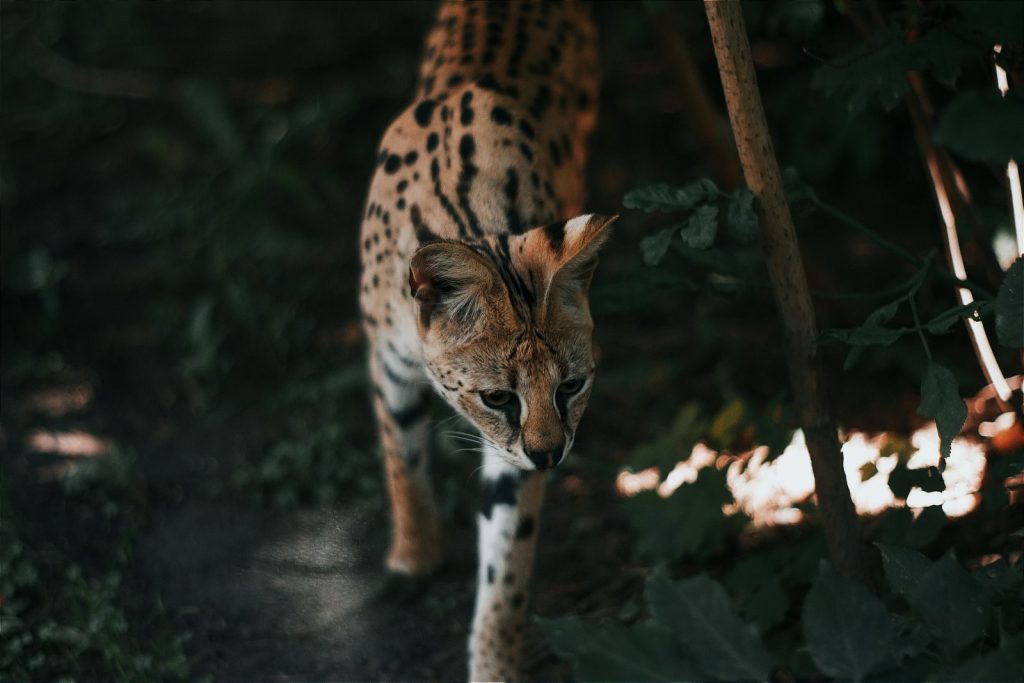
Because of their rapid metabolism, black-footed cats must hunt continuously throughout the dark night hours. Energy is essential. A single adult consumes up to fourteen small animals every single night to survive. According to zoological research reports, high metabolic demands make constant hunting access critical for individual survival. Human environmental expansion creates new hurdles for them.
Facing Environmental Threats
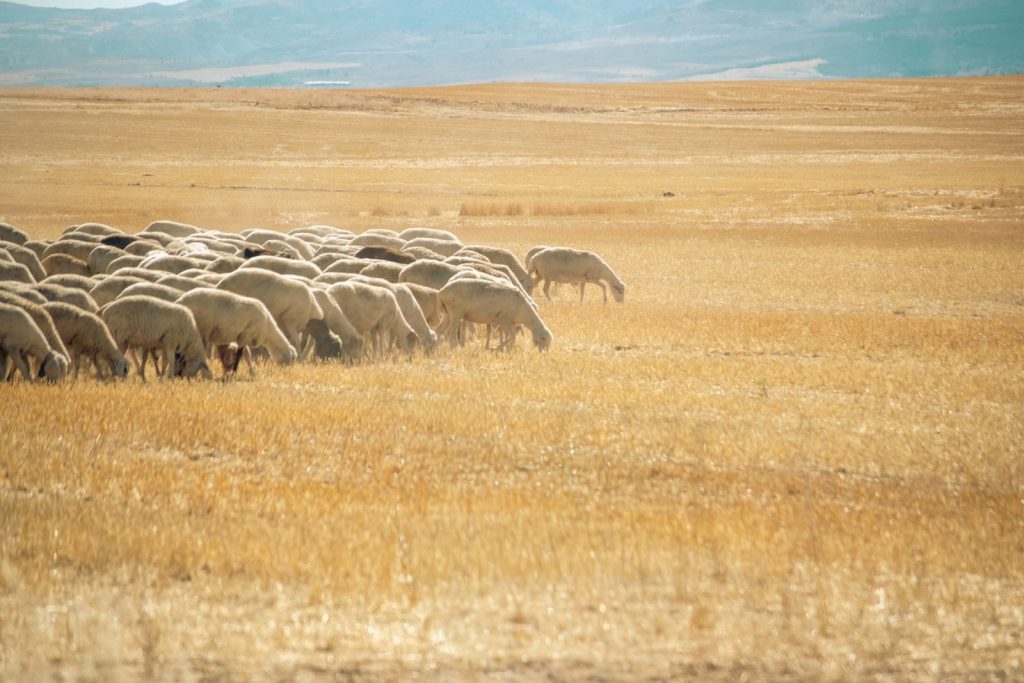
Habitat loss and agricultural expansion pose serious challenges to wild black-footed cat populations today. Space grows smaller. Overgrazing by livestock reduces natural cover and prey availability across native rangelands. According to international conservation organizations, habitat fragmentation remains the primary factor affecting rare wild feline survival rates. Conservation groups responded with dedicated monitoring projects.
Tracking Wild Populations
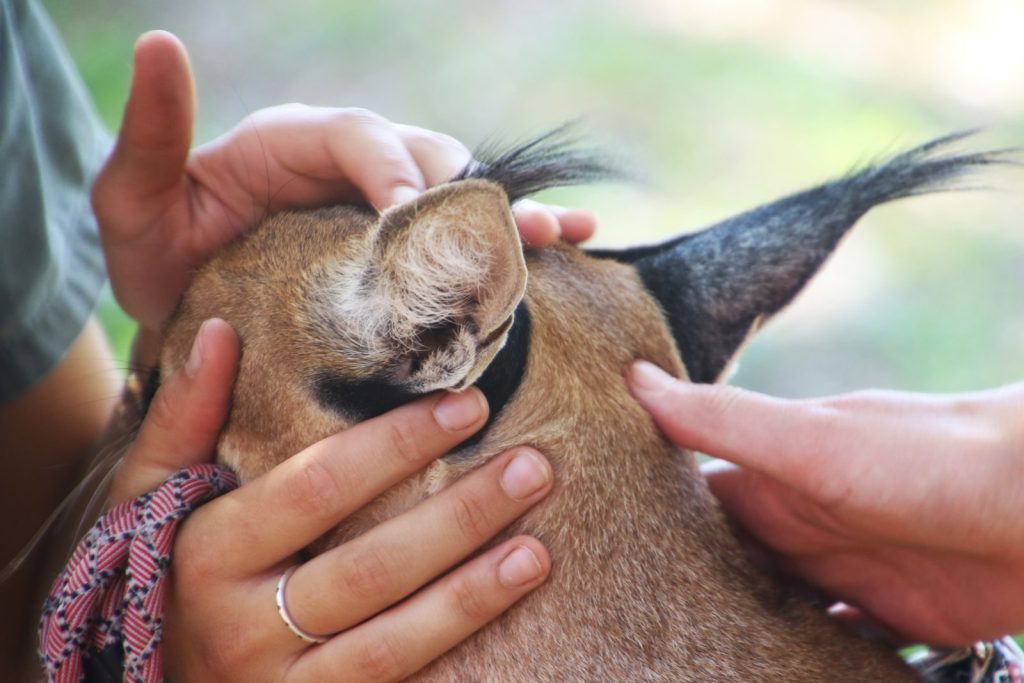
Biologists fit select wild cats with lightweight radio collars to track their movements across protected reserves. Science aids survival. The collected tracking data helps researchers identify key territorial corridors needing formal legal protection. According to wildlife conservation journals, field tracking provides vital population density estimates for threatened carnivores. Researchers uncovered encouraging data from protected areas.
Protecting Native Habitats

Local conservation initiatives work alongside private landowners to preserve natural grassland habitat zones. Protection brings hope. Creating safe wildlife corridors allows these small wild cats to hunt without agricultural interference. According to ecological restoration reports, sustainable land management practices help preserve native rodent populations and feline hunting grounds. Public awareness plays an important role.
Raising Global Awareness

Educational outreach programs inform public audiences about the ecological importance of small wild predators. Knowledge builds support. Wildlife lovers worldwide contribute funding to support field research and habitat conservation efforts. According to global wildlife funds, protecting small carnivores maintains natural ecological balance across dry grassland ecosystems. The future of the species shows positive promise.
Ensuring Species Survival

Continued research and habitat preservation give this extraordinary small wild cat a brighter future in Africa. Hope stays strong. Protecting unique wildlife species enriches global biodiversity for generations to come. According to animal conservation experts, dedicated field protection secures the survival of rare small predators worldwide. This article is for informational purposes only.


