Sunshine was only three weeks old when a Good Samaritan brought the tiny kitten to Itsie Bitsie Rescue in California. Staff immediately recognized that her chest had formed abnormally, but she initially appeared stable. The condition was pectus excavatum, sometimes called sunken chest, in which the sternum and ribcage curve inward instead of outward. Within a short time, Sunshine’s condition worsened dramatically. She struggled to nurse or lie down and developed respiratory distress, turning an unusual-looking chest into an urgent medical problem.
UC Davis veterinarians treated Sunshine through repeated emergencies before performing surgery when waiting was no longer safe. At the time of the operation, she weighed just 310 grams, or about 0.68 pounds, making her exceptionally small for the procedure. Surgeons attached an external splint that gradually pulled her sternum and ribs toward a more normal position over six weeks. By the time the splint was removed, Sunshine weighed 1.01 kilograms, was recovering well, and had moved into a foster-to-adopt home. Her transformation came from intensive veterinary treatment, not spontaneous growth.
Sunshine Arrived at Three Weeks

Sunshine reached Itsie Bitsie Rescue at only three weeks old after being brought in by a Good Samaritan. Rescue staff noticed immediately that her chest shape was abnormal and recognized signs consistent with pectus excavatum. At first she was stable, which allowed caregivers to begin assessing what treatment might eventually be needed. Her age and tiny size made every decision more complicated because young kittens have limited reserves when breathing or feeding becomes difficult. The rescue’s quick recognition of the deformity gave Sunshine access to veterinary care before the condition became even more dangerous.
Her Chest Curved Inward

Pectus excavatum is a birth defect in which the sternum and ribcage form in a concave, inward position instead of curving normally outward. That reduced chest space can place serious pressure on the lungs and interfere with breathing. UC Davis explains that the condition does not correct itself simply as a kitten grows. Severity varies, but Sunshine’s case became serious enough to require surgery. The visible chest shape was therefore only the outside sign of a deeper problem: her developing body did not have the normal space needed for comfortable breathing and chest function.
Breathing Suddenly Became Hard

Soon after arriving at the rescue, Sunshine could no longer nurse from her bottle or lie down comfortably and developed respiratory distress. She was rushed to the UC Davis veterinary hospital, where doctors treated her as an emergency patient. This rapid decline shows why congenital chest deformities should not be judged by appearance alone. A kitten may initially seem stable while the reduced space in the chest still creates major risk. Difficulty breathing, inability to feed normally, or worsening weakness in a young kitten requires urgent veterinary attention rather than waiting to see whether the animal grows out of it.
Pneumonia Added Another Risk
During Sunshine’s first emergency visit, veterinarians treated her for aspiration pneumonia and stabilized her enough to return to rescue care. Aspiration pneumonia can develop when material enters the lungs instead of being swallowed normally, creating another serious problem in a kitten already struggling to breathe. At that stage Sunshine weighed only 271 grams, or about 0.59 pounds. Her medical team hoped she could grow before corrective surgery, but her condition remained unstable. The combination of respiratory distress, tiny body size, and chest deformity meant that every delay had to be balanced against the risks of operating so early.
Surgery Could Not Wait

Two days after discussing surgical options, Sunshine returned to UC Davis in even worse respiratory distress. Veterinarians stabilized her again, but this time waiting for her to grow larger was no longer considered safe. Surgeons operated when she weighed 310 grams, about 0.68 pounds. UC Davis reported that the previous smallest kitten to undergo the same procedure there had weighed 600 grams, nearly twice as much. The decision highlights how severe Sunshine’s situation had become. Surgery carried risks, but her breathing problems had progressed to the point where delaying correction posed an even greater danger.
An External Splint Reshaped Her Chest

During surgery, veterinarians secured an external splint to Sunshine’s chest using sutures placed beneath the sternum and ribs. The splint did not instantly make her chest normal. Instead, it applied controlled support over time, gradually pulling the sternum and ribcage toward a healthier configuration as she grew. This kind of treatment requires specialist planning and monitoring because the chest contains vital organs and a young kitten changes size quickly. Sunshine’s case should never be treated as a do-it-yourself example. Any kitten with a suspected chest deformity needs veterinary imaging, diagnosis, and an individualized treatment plan.
Six Weeks Changed Everything

Sunshine continued wearing the splint for six weeks while veterinarians monitored her recovery through regular recheck appointments. During that period, the device gradually changed the position of her sternum and ribs as her body grew. When the splint was finally removed, she weighed 1.01 kilograms, or about 2.22 pounds, more than three times her weight at surgery. The dramatic before-and-after appearance was therefore the result of controlled medical correction, growth, and follow-up care working together. Her progress was impressive, but it depended on continued monitoring rather than the surgery alone.
A New Home Came Next

After the splint was removed, UC Davis reported that Sunshine was recovering well in a foster-to-adopt home. The plan was for her to return to the veterinary hospital for spay surgery before the adoption became official. That ending matters because her transformation was more than a cosmetic change in chest shape. She moved from repeated respiratory emergencies and an exceptionally risky operation toward normal growth and a permanent home. Sunshine’s story is encouraging, but it also shows why congenital deformities need professional care: early recognition and specialist treatment gave a fragile kitten a realistic chance to thrive.
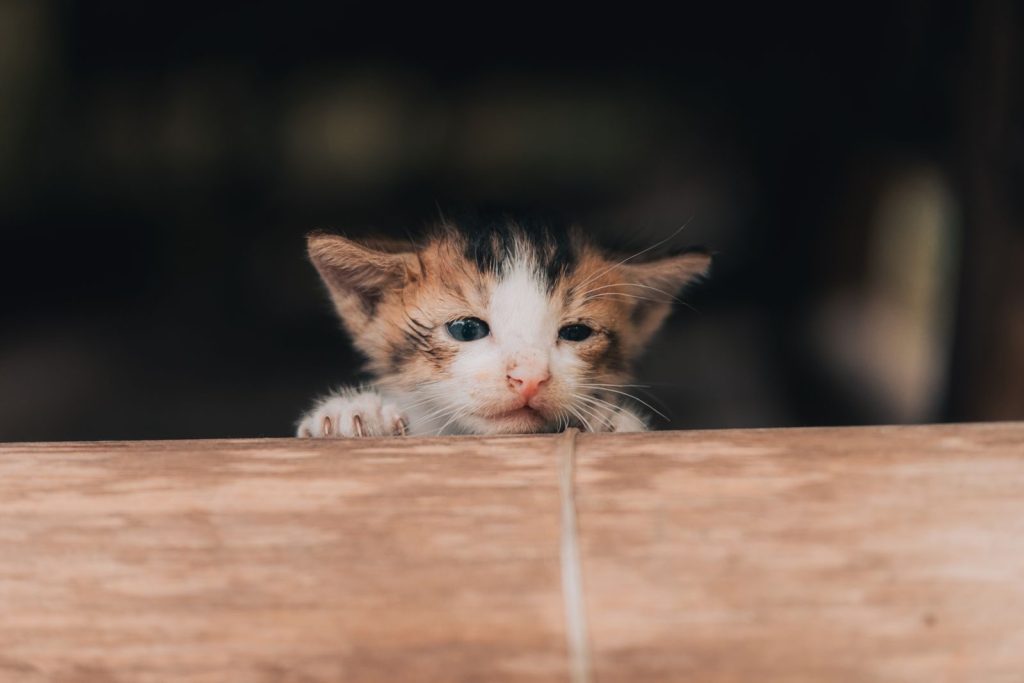
Featured Image: Photo by Gustavo Fring on Pexels