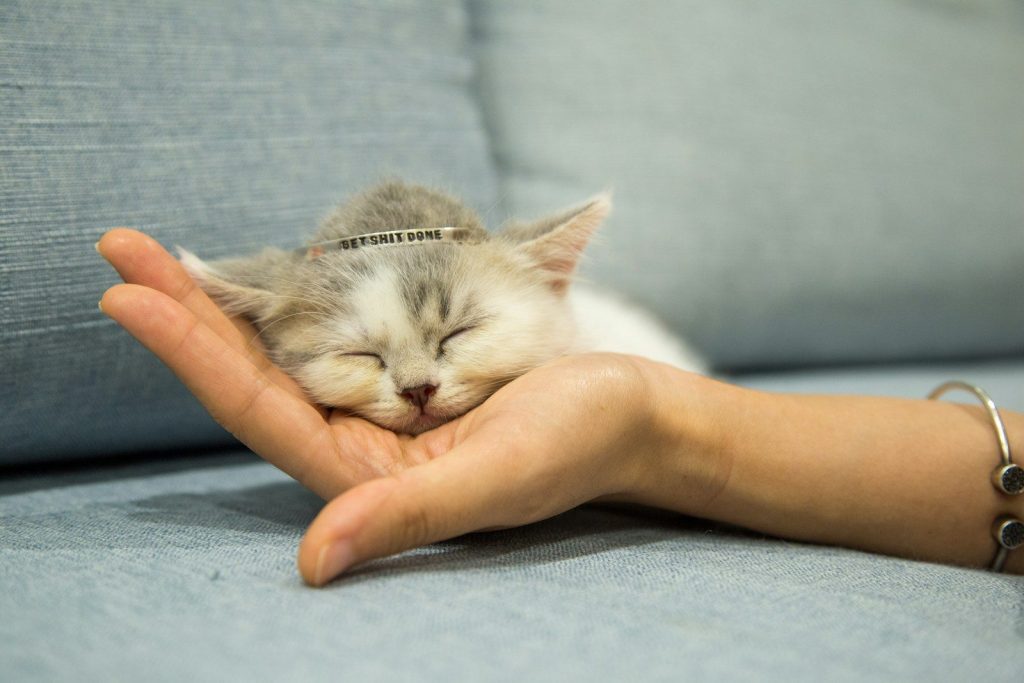

Many people dream of owning a cat that stays looking like a kitten forever. These tiny felines are incredibly adorable and easy to hold.
A popular list of pocket-sized breeds has captured the attention of pet lovers everywhere. But behind these miniature sizes lies a fascinating world of genetics and unique care requirements.
The genetic secrets behind tiny pocket-sized feline breeds
Small stature in cats is often the result of natural genetic mutations. Some breeds have short legs due to a condition called dwarfism. According to the Cat Fanciers Association, these unique traits require careful breeding to ensure the health of the kittens. While their appearance is striking, these miniature cats have very specific physical needs. But their tiny size also affects their overall lifestyle.
Why the Singapura is a true giant of small breeds
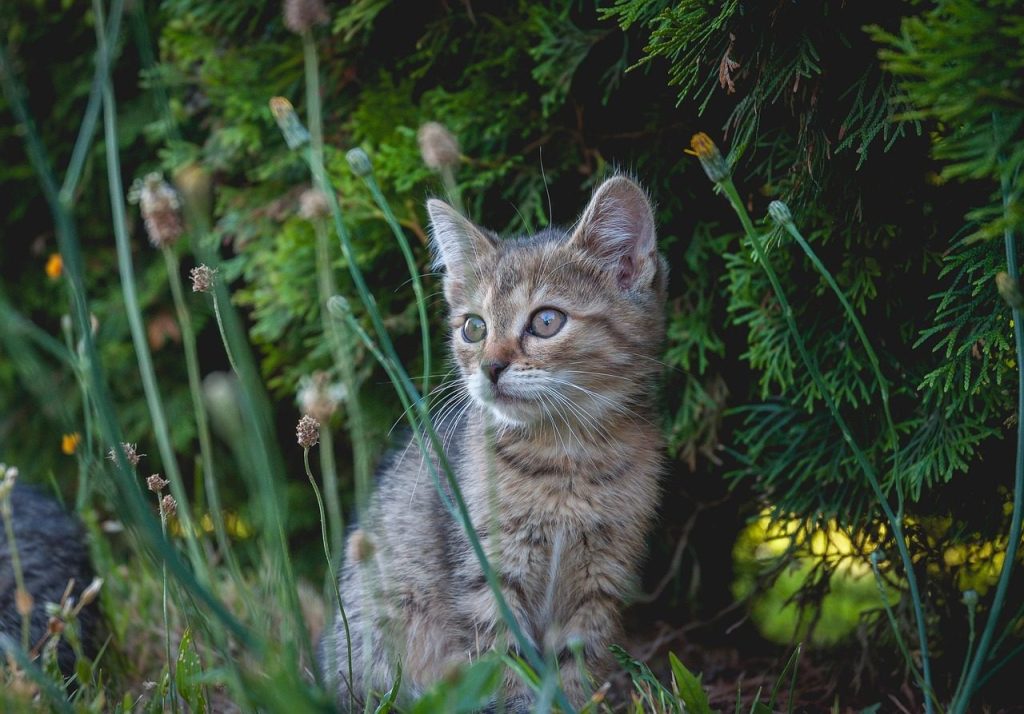
The Singapura is widely recognized as one of the smallest registered cat breeds. Adult females often weigh as little as four pounds. Despite their small bodies, these cats possess massive personalities and high energy levels. They love to climb and explore every corner of the house. However, their physical vulnerability means owners must take extra precautions around the home.
Designing a safe indoor space for tiny feline companions
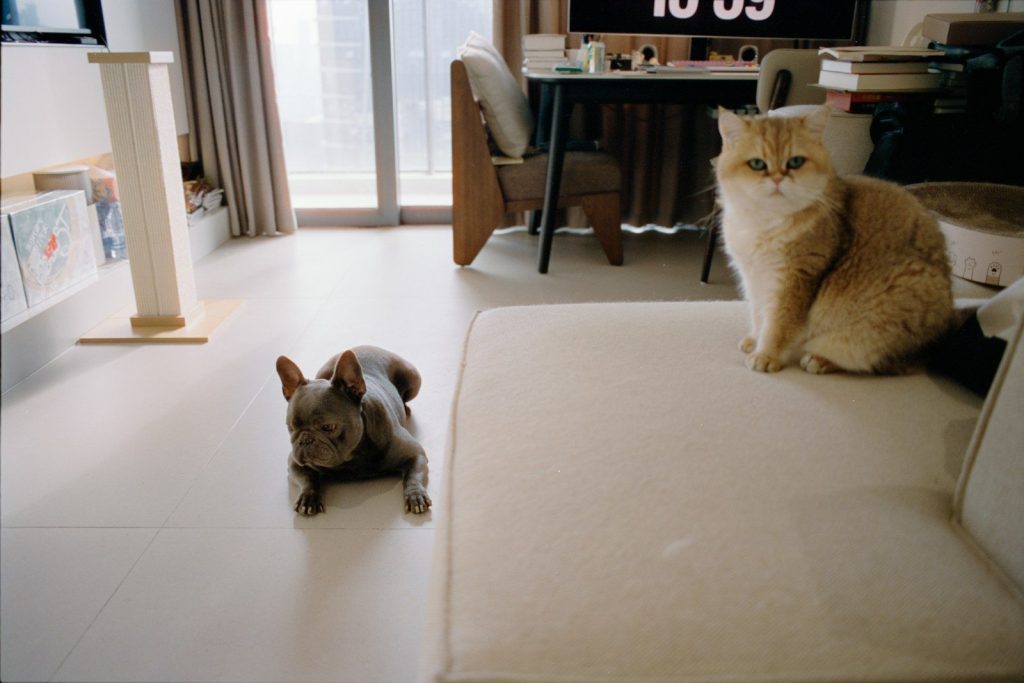
A standard home can present many hidden dangers for a miniature cat. Large furniture gaps can become traps where a small pet might get stuck. You should block off tight spaces behind appliances to keep them safe. According to animal safety experts, low-climbing trees are much safer for short-legged breeds. But physical safety is only one part of their daily care.
The unique nutritional requirements of miniature cat breeds
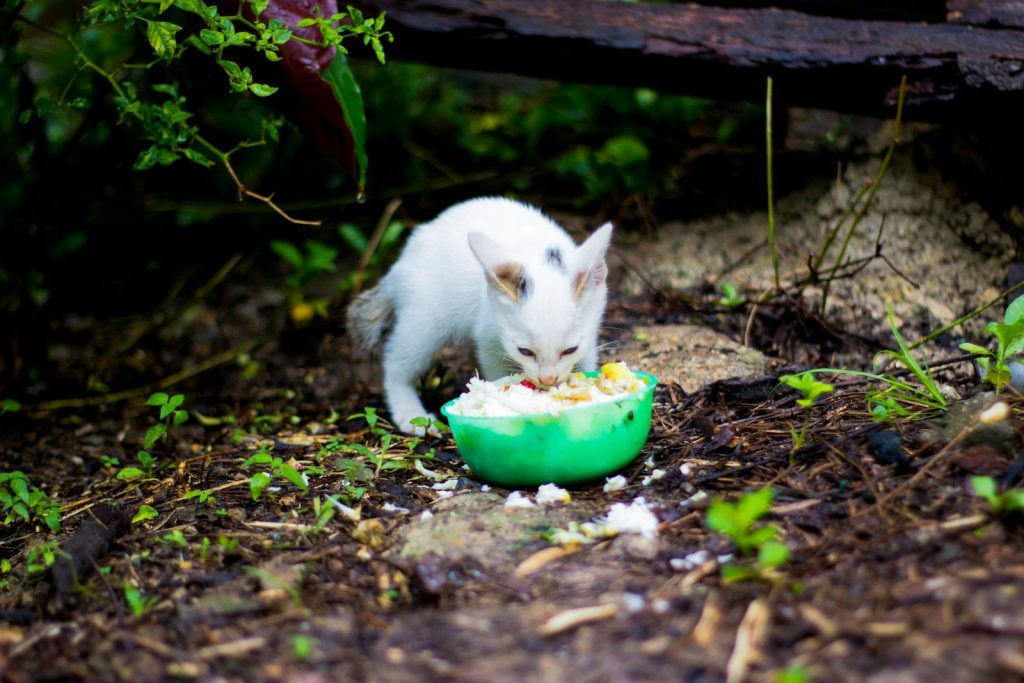
Small cats have incredibly fast metabolisms compared to larger breeds. They need nutrient-dense food to maintain their energy levels throughout the day. Because their stomachs are tiny, they prefer eating several small meals instead of one large feast. This article is for informational purposes only and does not constitute veterinary advice. But how does their unique size impact their health over time?
Common health concerns associated with dwarf and small breeds
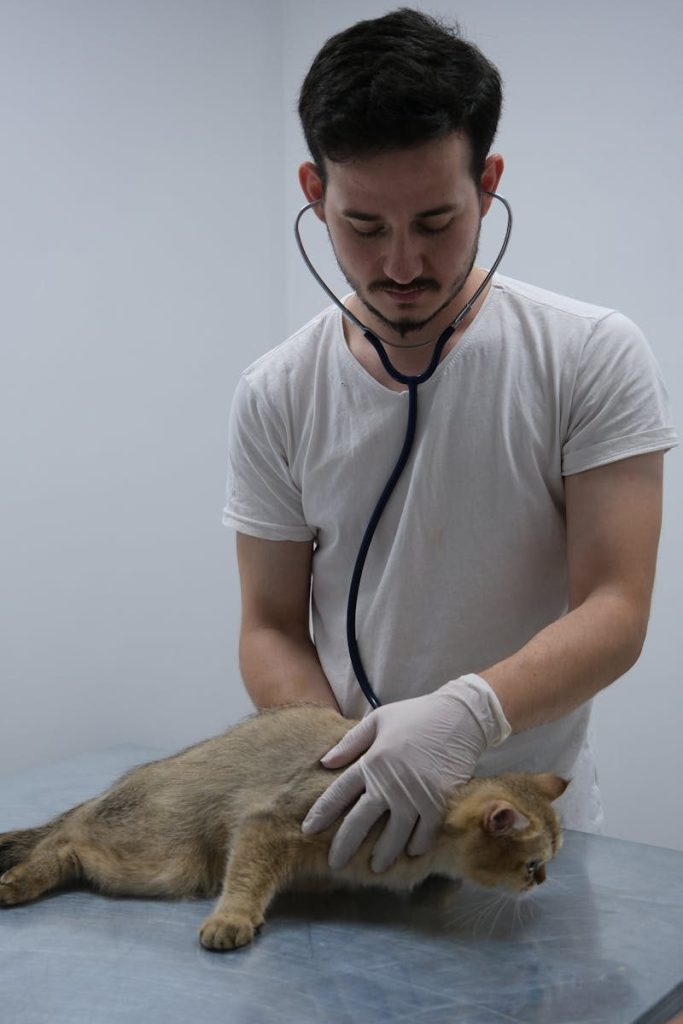
Short-legged breeds like Munchkins can be prone to joint issues as they age. Their unique bone structure puts extra pressure on their spine. According to the American Veterinary Medical Association, keeping these cats at a healthy weight is vital for preventing arthritis. Regular checkups with your veterinarian will help catch any developmental issues early. Yet, their emotional needs are just as important.
The big personalities hidden inside these pocket-sized pets.
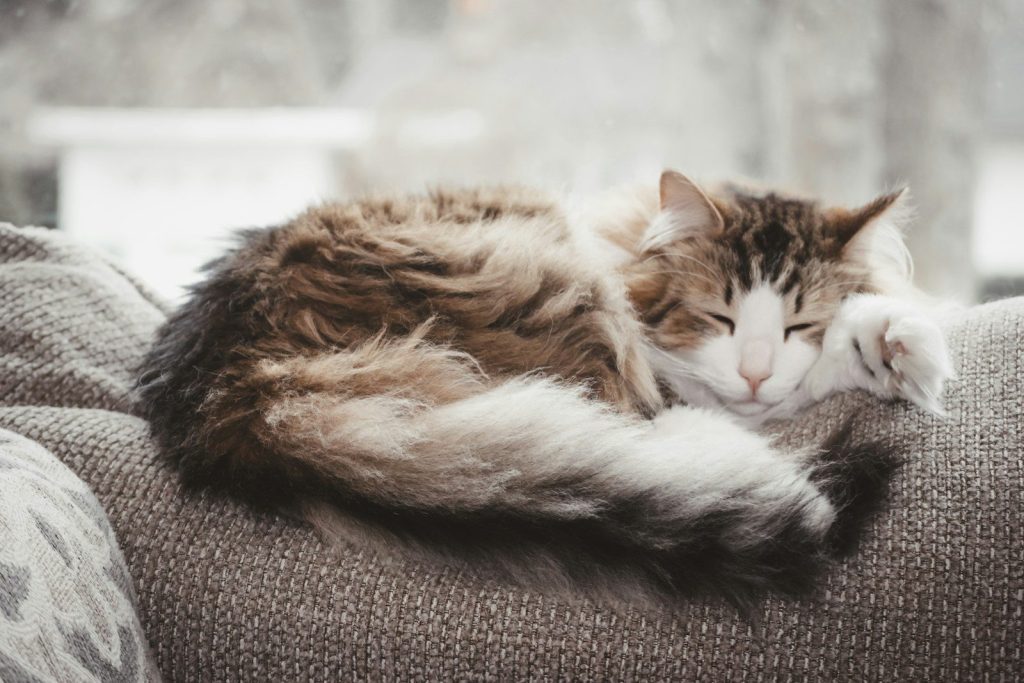
Do not let their small size fool you. Tiny cats often have bold, confident personalities. They crave human attention and love to cuddle up on your lap. According to pet psychologists, their small stature makes them highly affectionate and closely bonded to their owners. Nurturing this bond will ensure your pet feels secure. But what is the best way to get started?
How to choose the perfect tiny pet for your family
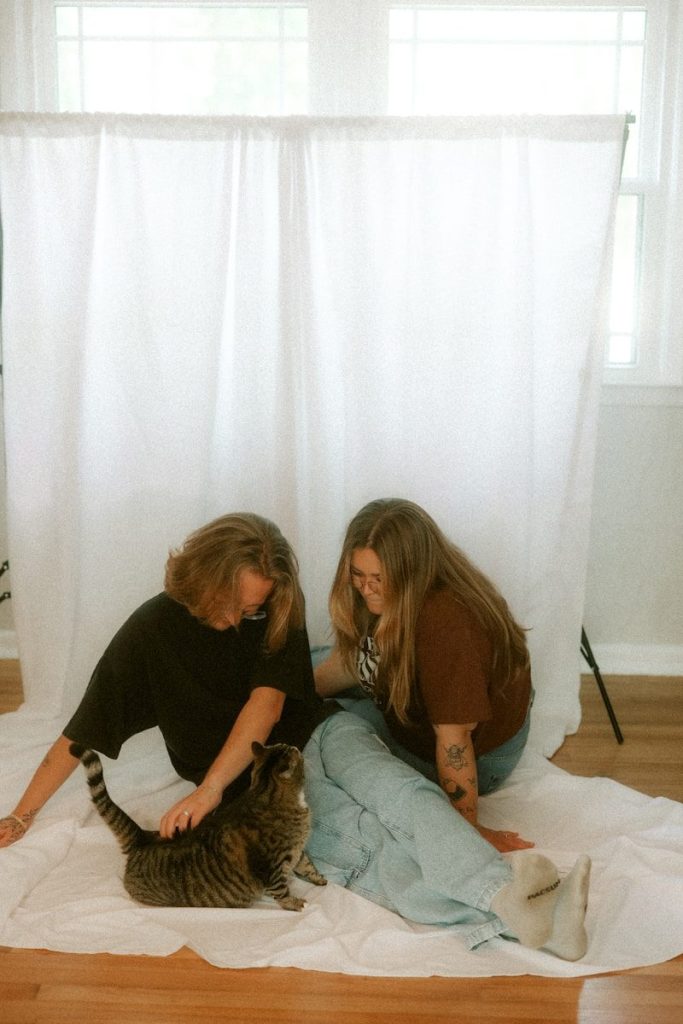
Research reputable breeders or look for small-breed rescues in your local area. Make sure you understand the specific health history of the breed you choose. Providing a loving home tailored to their small scale will guarantee a lifetime of happiness. Your tiny companion will bring immense joy and love to your household for many years to come.
Featured Image: Photo by Tran Mau Tri Tam ✪ on Unsplash