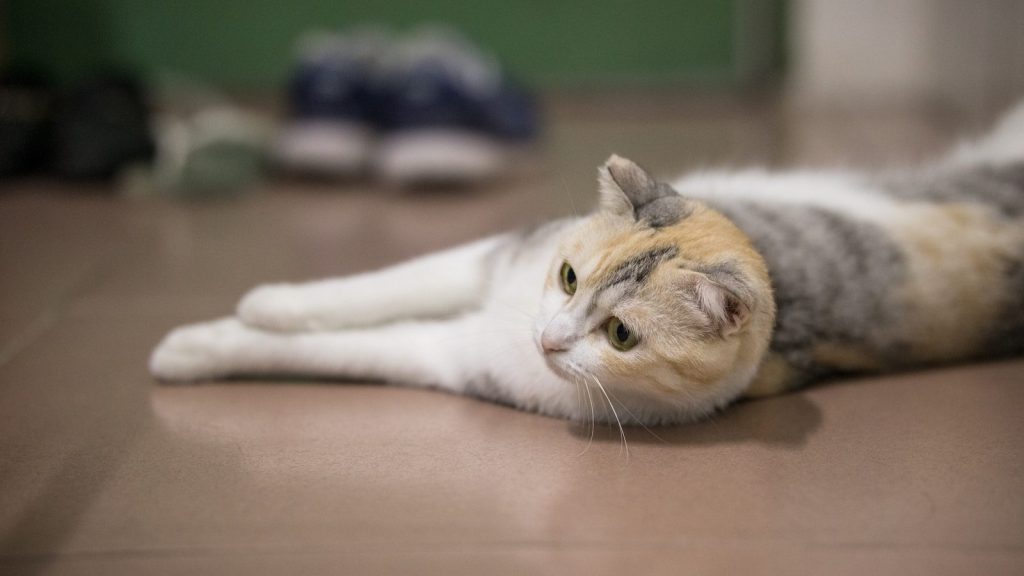

The soft, rhythmic rumble of a purring cat is one of the most comforting sounds in the world. It brings immediate peace to any home.
While we always connect this sound with absolute happiness, scientists have spent decades researching how they actually produce it. Their findings solve a major biological mystery.
Investigating Feline Vocal Cord Biology
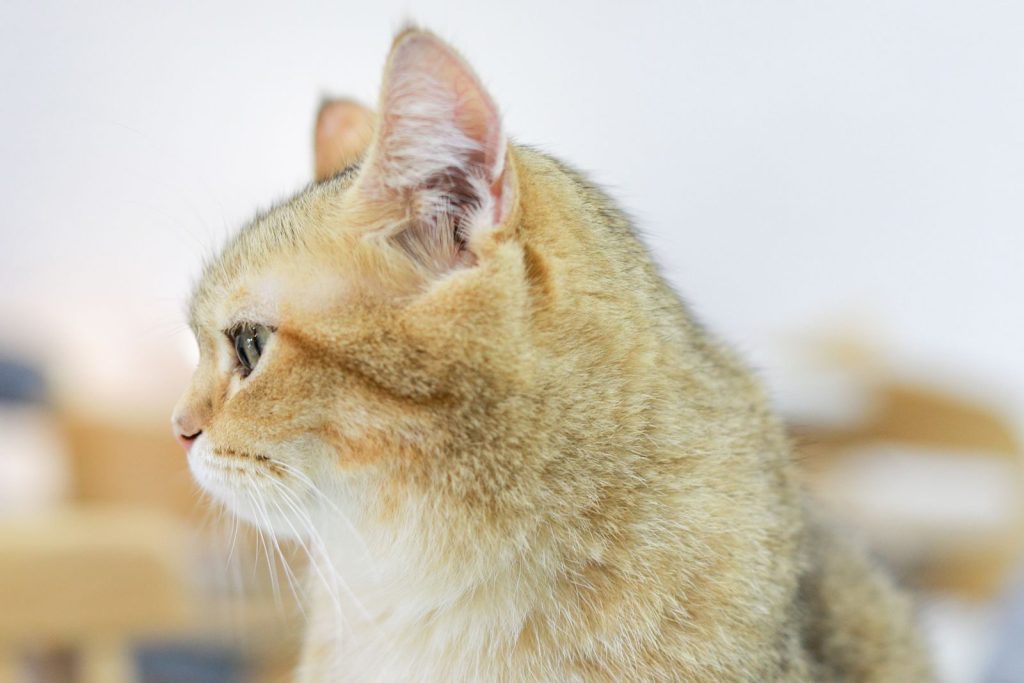
For years, researchers assumed that cats had to actively contract their laryngeal muscles to produce their purr. It seemed complex. But a study by scientists at the University of Vienna revealed that purring might actually be a passive vocal behavior. They discovered specialized pads of tissue inside the feline vocal folds. This anatomical discovery changed how we view their physical structure.
How The Passive Vibration Works
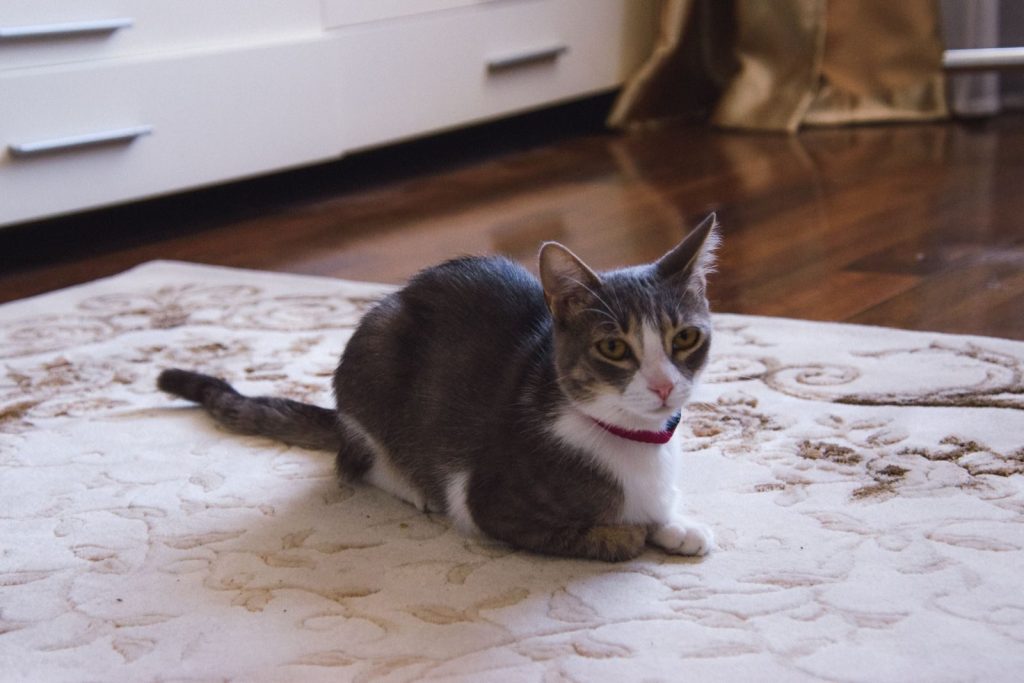
These specialized tissue pads increase the density of the vocal cords, allowing them to vibrate at low frequencies easily. It is automatic. Air passing through the vocal folds triggers the rumble without requiring constant active muscle contractions from the brain. This efficient mechanical system is unique to the feline family. But this biological rumble serves an even greater survival purpose in the wild.
The Healing Frequency of Purring
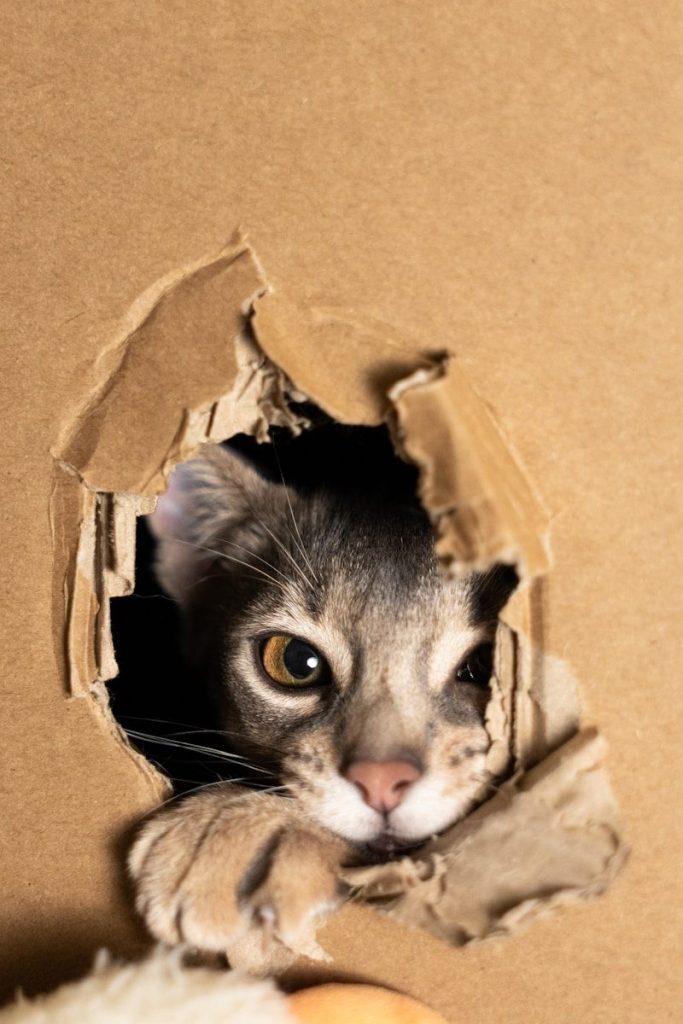
Feline purrs vibrate at a therapeutic frequency between twenty and one hundred and forty hertz. This range is remarkable. According to research from the veterinary community, these specific sound waves can actually support bone density and muscle healing. This passive vibration may help injured cats recover faster while they rest quietly in their hiding spots. But healing is not their only goal.
Purring Helps Reduce Human Stress
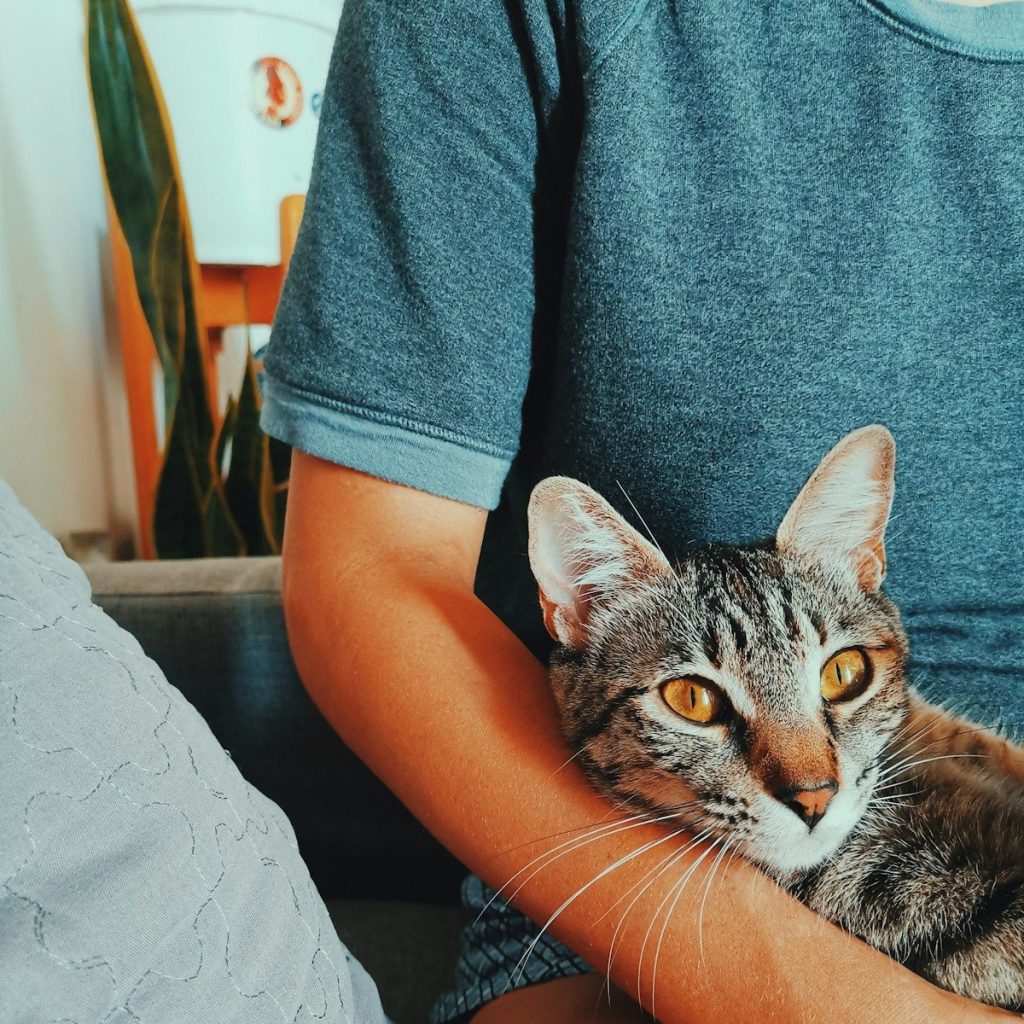
Listening to a purring cat triggers a calming chemical reaction inside the human body almost instantly. It works. This soft hum actively reduces cortisol production, which is the primary hormone behind high blood pressure and chronic anxiety. According to the American Veterinary Medical Association, pet owners show a much lower risk of heart attacks. This cardiovascular protection is a major benefit.
A Secret Signal For Bonding
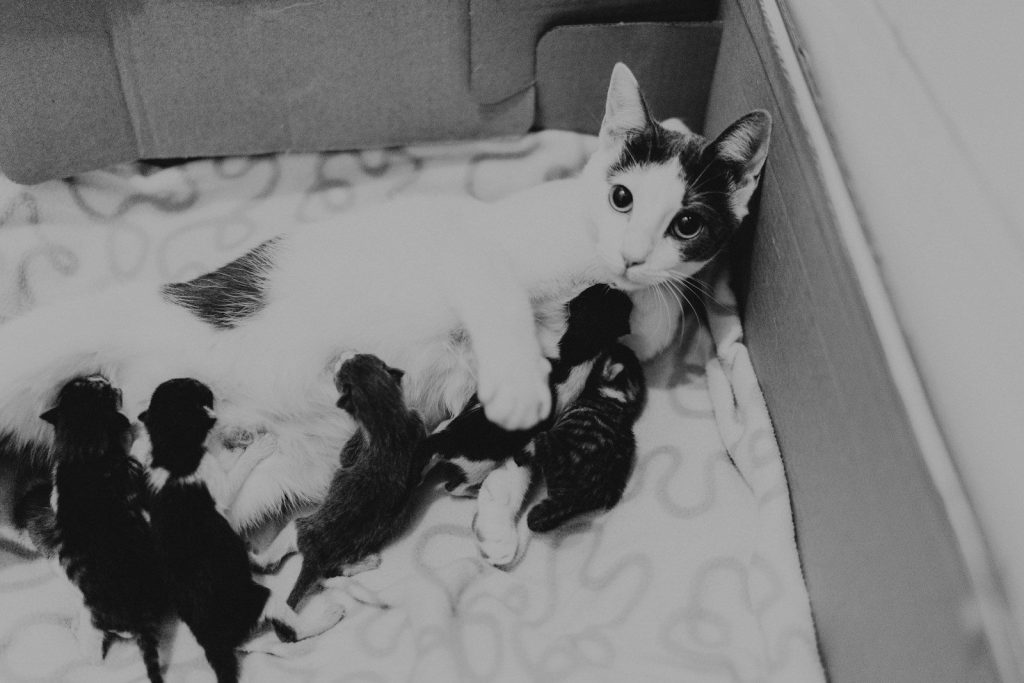
Felines also use purrs to communicate with their kittens during early nursing sessions in the nest. It is a guide. Because newborn babies are born blind and deaf, they rely on these physical vibrations to locate their mother safely. This comforting contact builds a powerful initial bond that lasts throughout their lives. But purring can also warn of hidden distress.
Watching For Silent Pain Signals
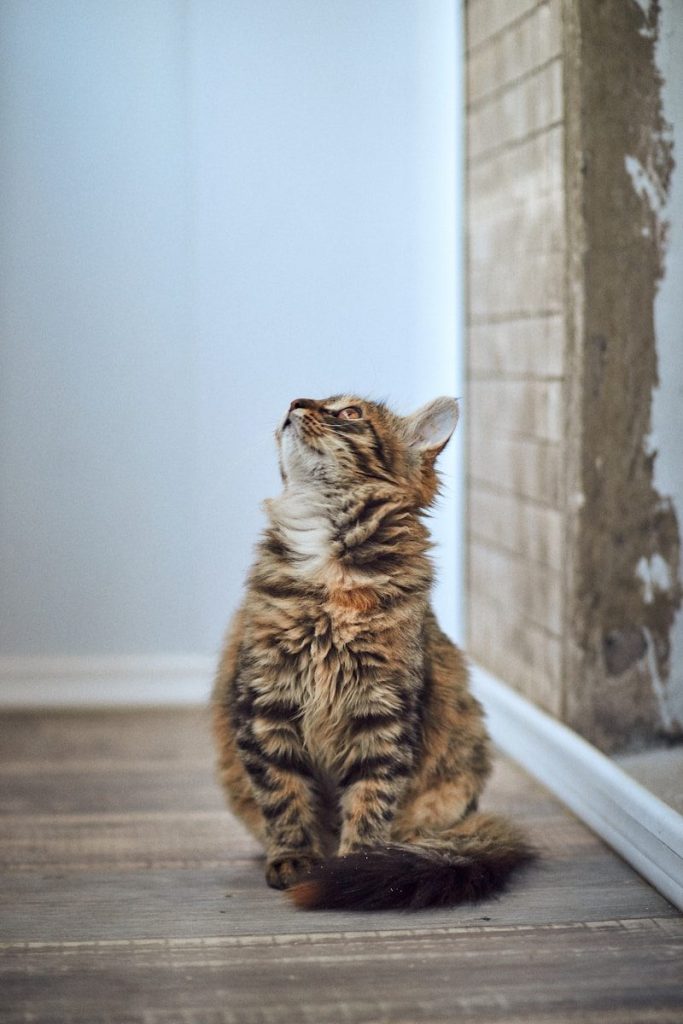
Felines sometimes purr to soothe themselves when they are highly stressed, scared, or in physical pain. It is a defense. Do not assume a purring cat is always happy if they are also hiding or refusing food. According to the Cornell Feline Health Center, sudden changes in behavior require close attention. Monitoring their body language is vital.
Appreciating Feline Vocal Wonders
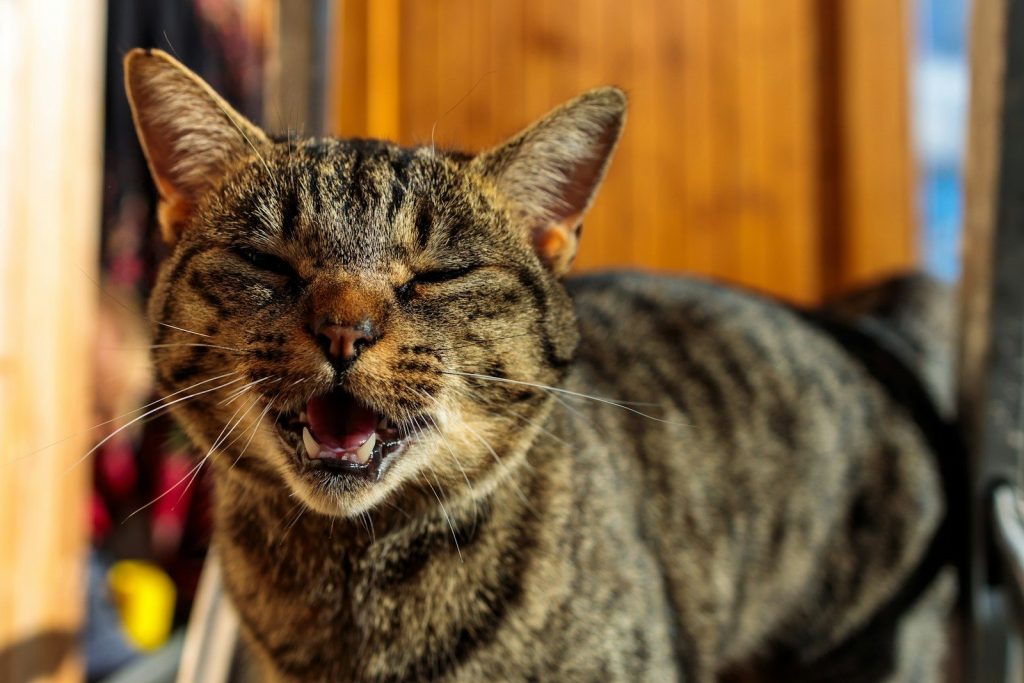
Understanding the science of purring helps us appreciate the amazing design of our favorite furry companions. They are unique. This article is for informational purposes only and does not constitute medical advice. Keep offering gentle love and watch your bond thrive with every single rumble.