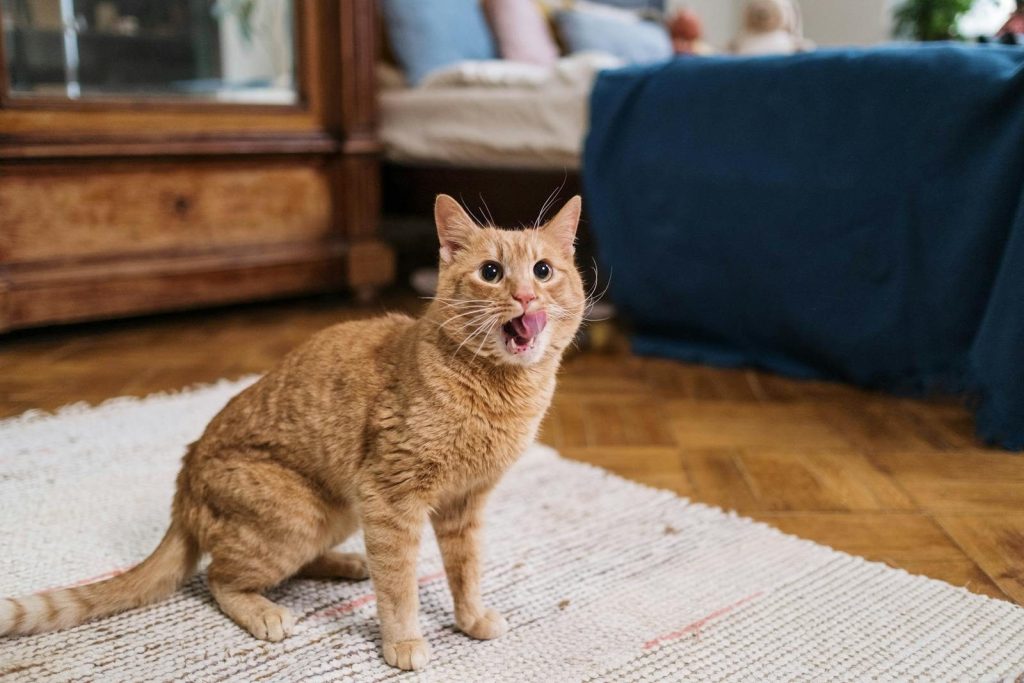

Cats are famous for their elegant, forward-moving grace. However, every now and then, your pet might suddenly put their gears in reverse. They start backing up slowly across the room.
This odd behavior looks like a hilarious dance move. But veterinary behaviorists warn that walking backward is actually a complex message you should never ignore.
The intense reflex of environmental fear
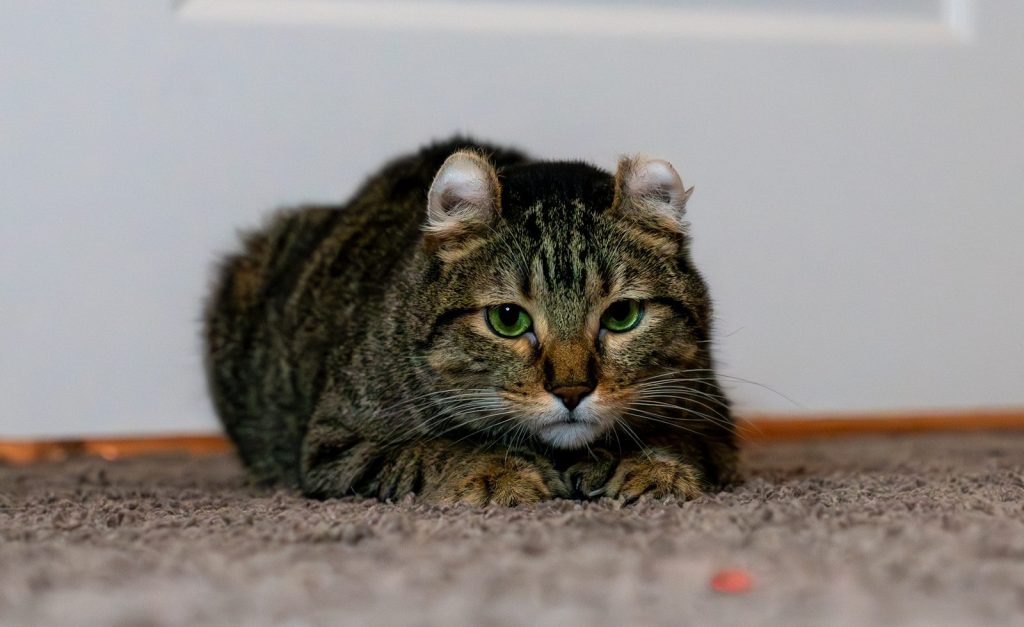
Felines are both predators and prey in nature. If they spot something scary, they will not turn around. Walking backward keeps their eyes locked on the threat. This reaction is a survival instinct designed for safety. Yet, sometimes your pet does this during playful moments.
The stealthy mechanics of predatory play
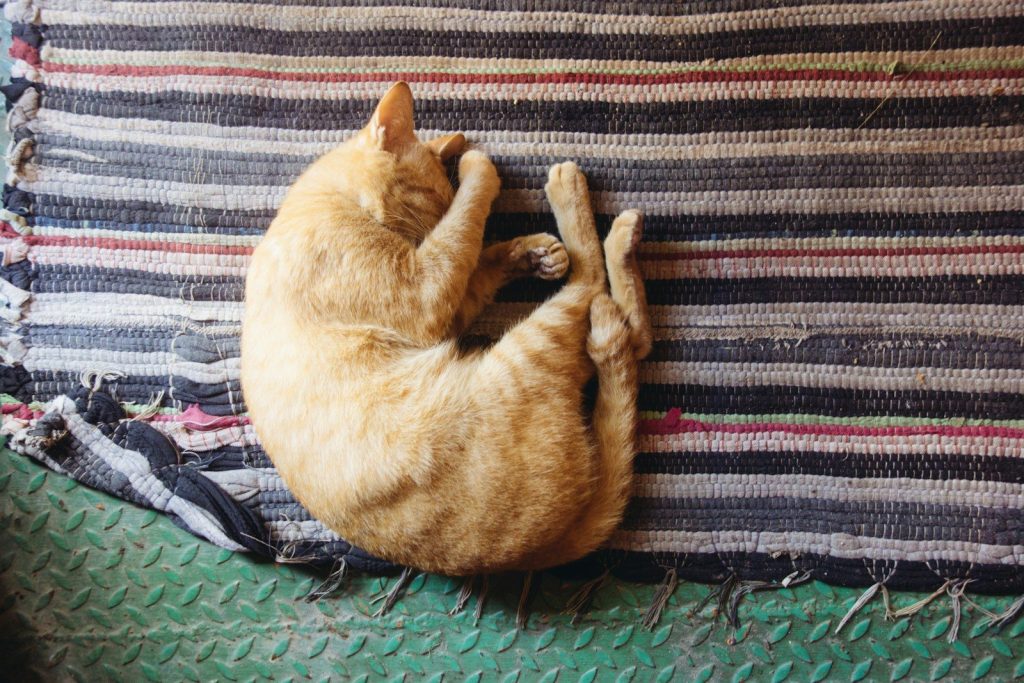
During wild play sessions, your cat might back up. This movement helps them prepare for a big pounce. It is a healthy expression of their hunting drive. Your living room rug becomes a jungle for a second. Still, this funny walk can also point to physical distress.
The painful warning of whisker fatigue
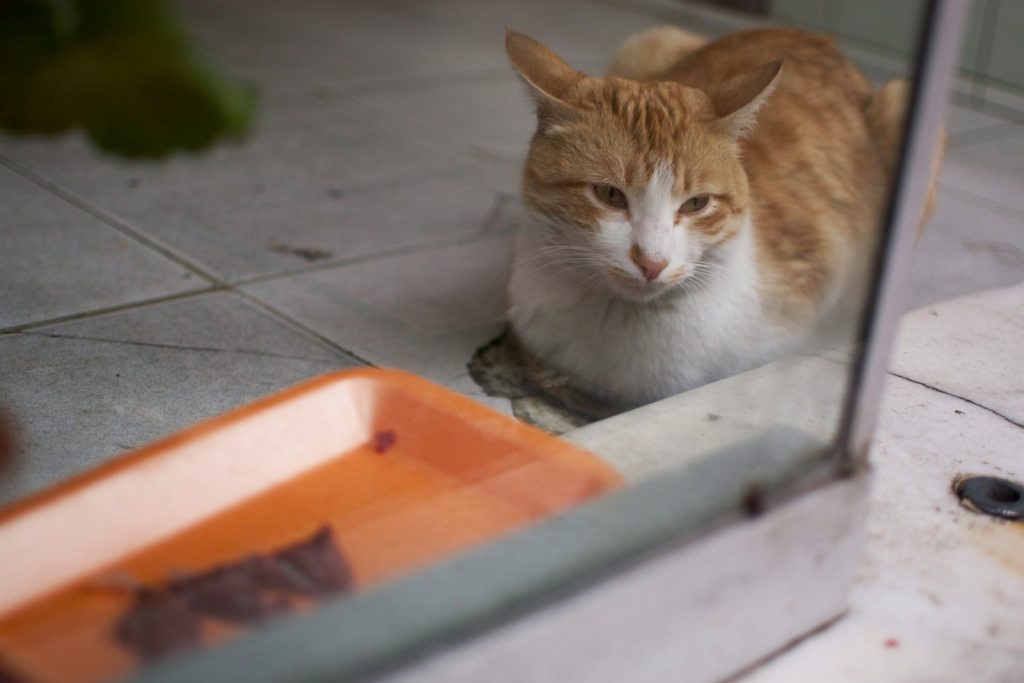
Feline whiskers are incredibly sensitive sensory organs. According to the AVMA, deep bowls overstimulate these hairs. This painful sensation is known as whisker fatigue. A cat might back away from their dish to eat. But another common household item triggers this exact reaction.
The awkward struggle with new collars
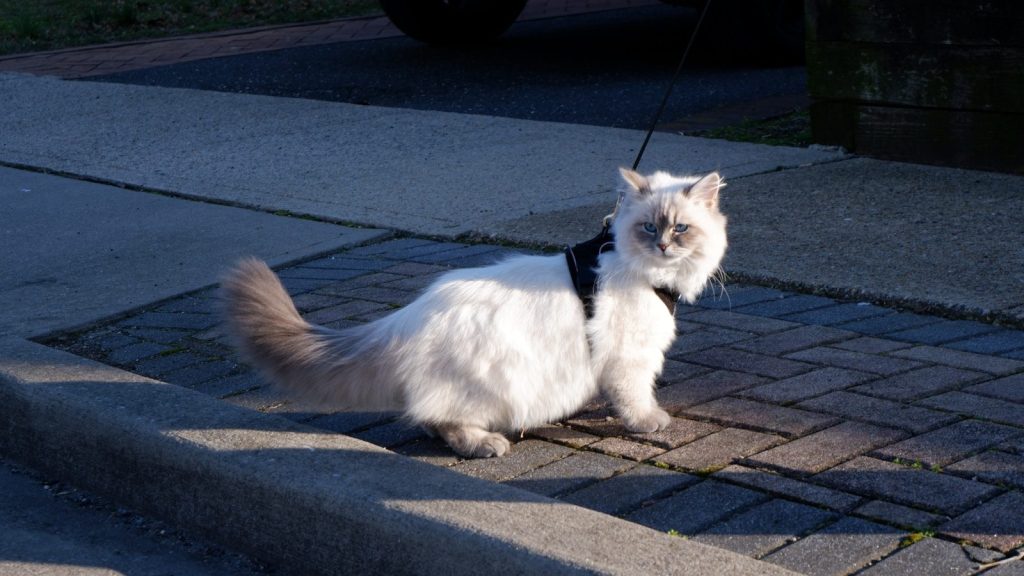
Placing a collar on your pet can confuse them. They feel a strange pressure around their neck. Walking backward is an attempt to slip the trap. It takes time for their brain to adjust. Still, you must watch out for a deeper neurological issue.
Sudden neurological glitches you must watch
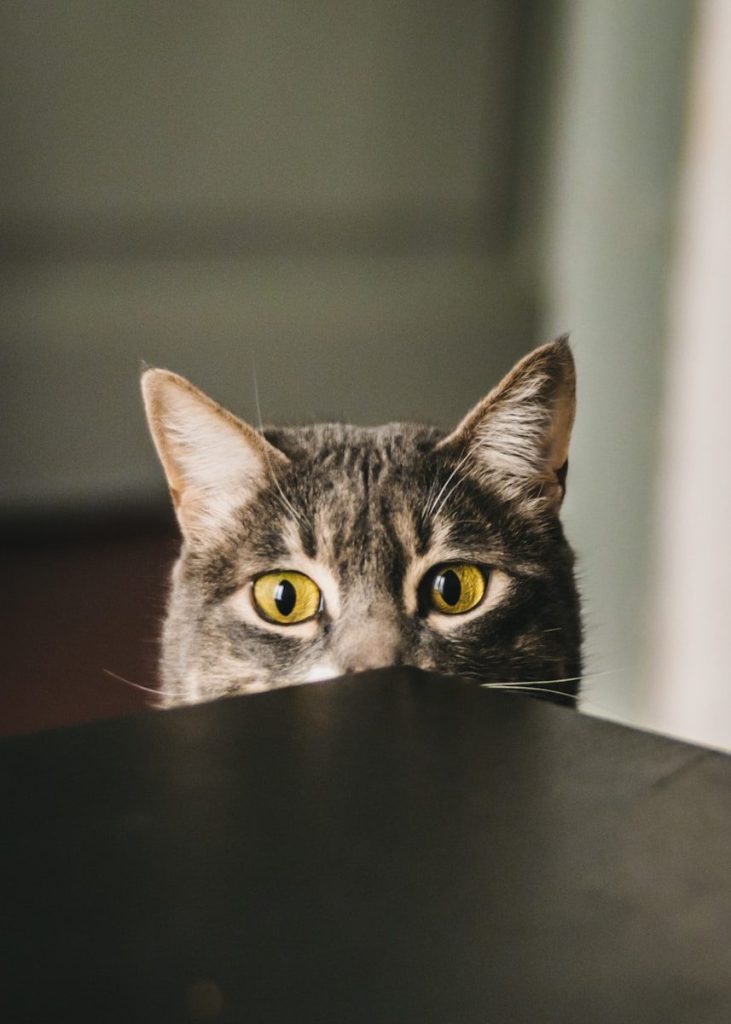
Constant backward walking can signal a medical issue. Inner ear infections completely ruin a cat’s balance. This makes them feel like they are falling forward. This article is for informational purposes only and does not constitute medical advice. Fortunately, a quick trip to the vet brings instant answers.
Eliminating environmental stressors at home

Take a close look at your home environment. Switch to wide, flat dishes to stop whisker pain. Keep hallways clear of loud, scary appliances. Creating a predictable routine helps your cat feel secure. The final step is simply learning to read their body.
Embracing and protecting your feline roommate
Every cat has a unique set of quirks. Paying close attention makes you a better pet parent. Keep their stress low and cherish these funny moments. Your favorite companion is simply communicating with you. Loving them means protecting their health through every single step.
Featured Image: Photo by cottonbro studio on Pexels