

You talk to your cat like they are a human baby every day. But do they actually understand the meaning behind your words, or do they just hear noise?
Recent studies in animal cognitive science reveal that felines possess surprising language abilities. The specific phrases they recognize might completely change how you talk to your pet.
The scientific reality of feline hearing

Felines have highly sensitive ears that can detect the tiniest pitch changes in human speech. Research from the University of Tokyo confirms that domestic cats can easily distinguish their owner’s voice from a stranger’s voice. They listen to your vocal patterns even when they pretend to ignore you completely. But their understanding of actual words goes much deeper than simple voice recognition.
Learning the sound of their name

Cats definitely recognize the specific sound of their own names over general nouns. Feline behaviorists note they associate this unique word with positive outcomes like treats or affection. When you call them, their ears twitch in recognition even if they do not walk toward you. However, names are not the only words that get their immediate attention.
Associating human action words with rewards
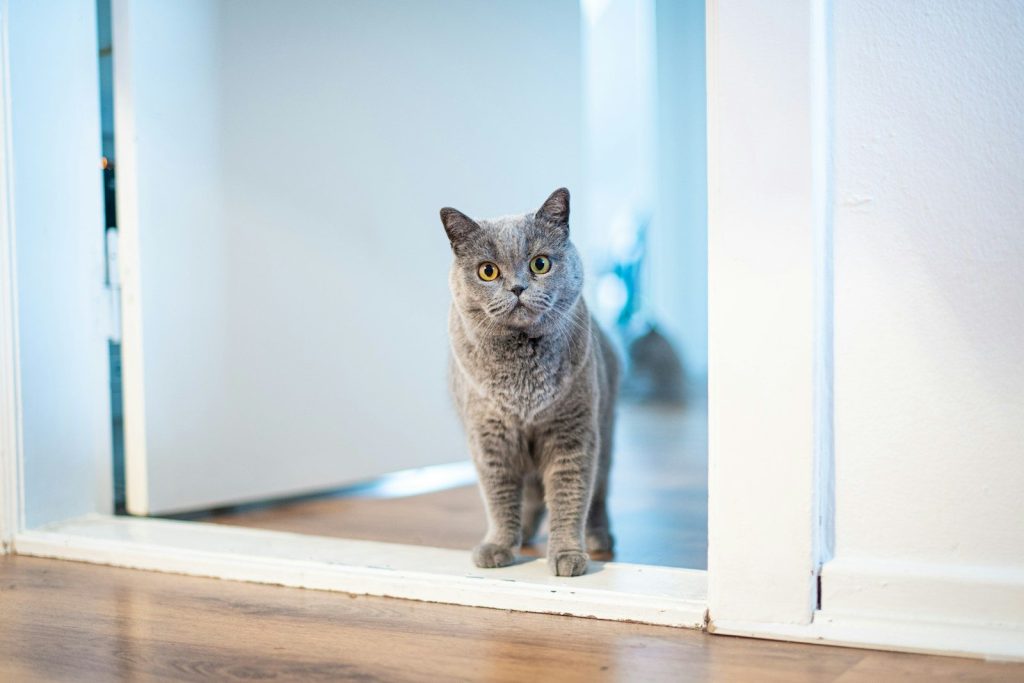
Your pet can easily learn short action words like treat or dinner through daily repetition. According to feline behavior experts at the ASPCA, cats learn through positive association and predictable routines. They connect the sound of these specific words with the pleasant reward that always follows. Yet there is a common phrase that can trigger instant anxiety in your house.
The word that signals vet trips

Hearing the word box or carrier often makes a smart cat run and hide under the bed. They associate these sounds with stressful trips outside their comfortable territory. You can reduce this fear by using positive training techniques to reframe the carrier as a safe space. But felines are also highly sensitive to the emotional tone of your voice.
Reading the emotion behind your speech
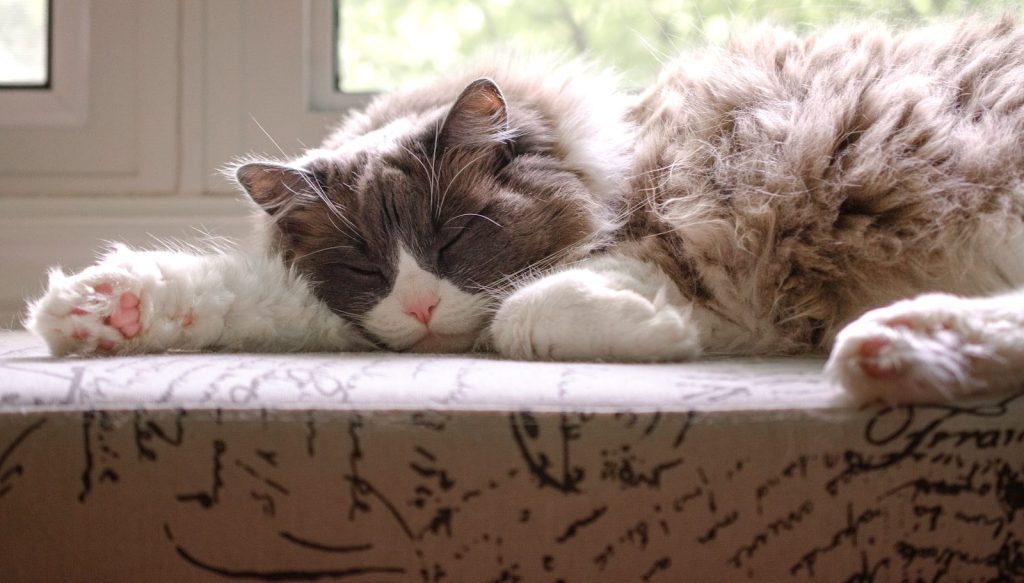
Cats rely heavily on your pitch and volume to understand your current mood. A soft, gentle tone tells them they are safe, while a loud, sharp voice triggers their survival defenses. Dr. Jessica Vogelsang notes that yelling at a cat only damages your bond and increases their cortisol levels. Fortunately, there is a simple vocal habit that builds deep trust.
Using a consistent high-pitched voice

Talking to your pet in a warm, high voice mimics the comforting sounds mother cats use in the nest. This vocal styling helps felines feel secure and loved in their indoor environment. They respond with soft, slow blinks and happy tail postures to show their deep gratitude. Still, a final daily habit is necessary to keep your relationship strong.
Building a beautiful bond with conversation

Dedicating a few minutes to talk softly to your companion keeps their stress levels low. When you combine warm speech with regular interactive play, you create a perfect feline sanctuary. This article is for informational purposes only and does not constitute veterinary advice. Your thoughtful daily communication helps your pet live a long and happy life.
Featured Image: Photo by Arya Pratama on Unsplash