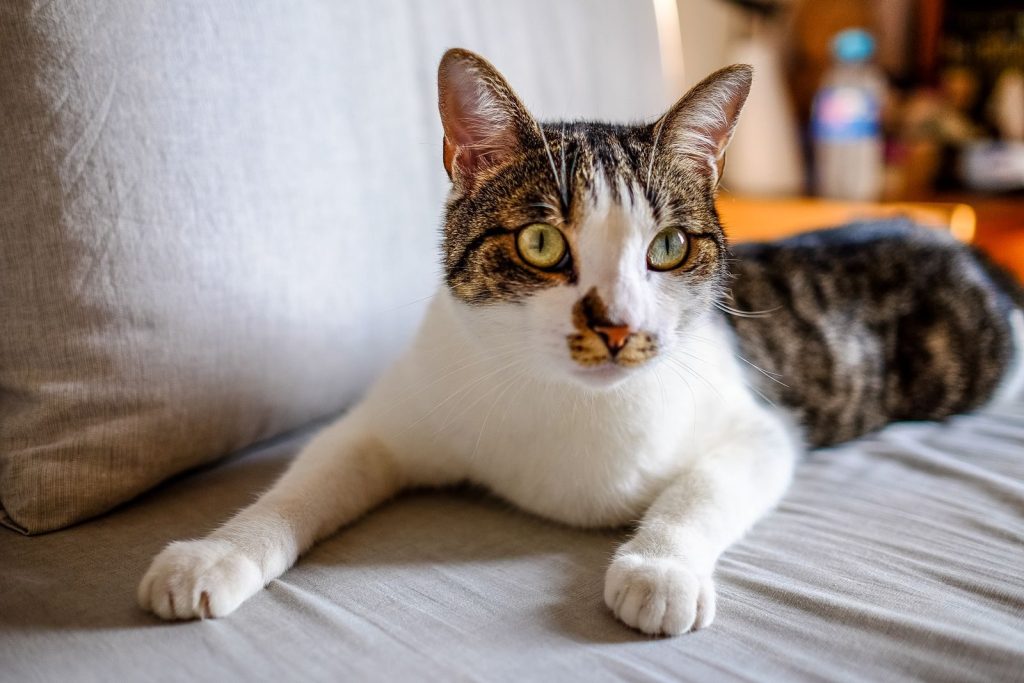

We love our pampered pets and treat them like members of the family. We assume they have always lived alongside humans in our homes.
But new archaeological research reveals a surprising timeline about their ancient journey across the globe. How did these small predators eventually conquer our living rooms?
The Ancient Grain Guard Duty

Thousands of years ago, human farmers began storing wild grains in large clay bins. This drew mice. Wild cats quickly moved into these early agricultural villages to hunt the pests, starting a helpful partnership. Humans welcomed the silent protectors, but their path to domestication took much longer than we thought.
New Research Shatters Old Timelines

According to research published in the journal Nature Ecology and Evolution, domestic cats spread across Europe much later than previously believed. Scientists analyzed ancient feline DNA from historic sites. The genetic data suggest they did not arrive in Europe until centuries after the rise of farming. This delay surprised many historians.
Traveling On Ancient Trade Ships

Ancient sailors kept cats on their wooden ships to protect food supplies from rats during long voyages. They traveled far. Felines spread along popular trade routes, slowly moving from Egypt into remote parts of Asia. This shipping connection explains why their DNA is remarkably similar across different continents.
The Late Arrival In China
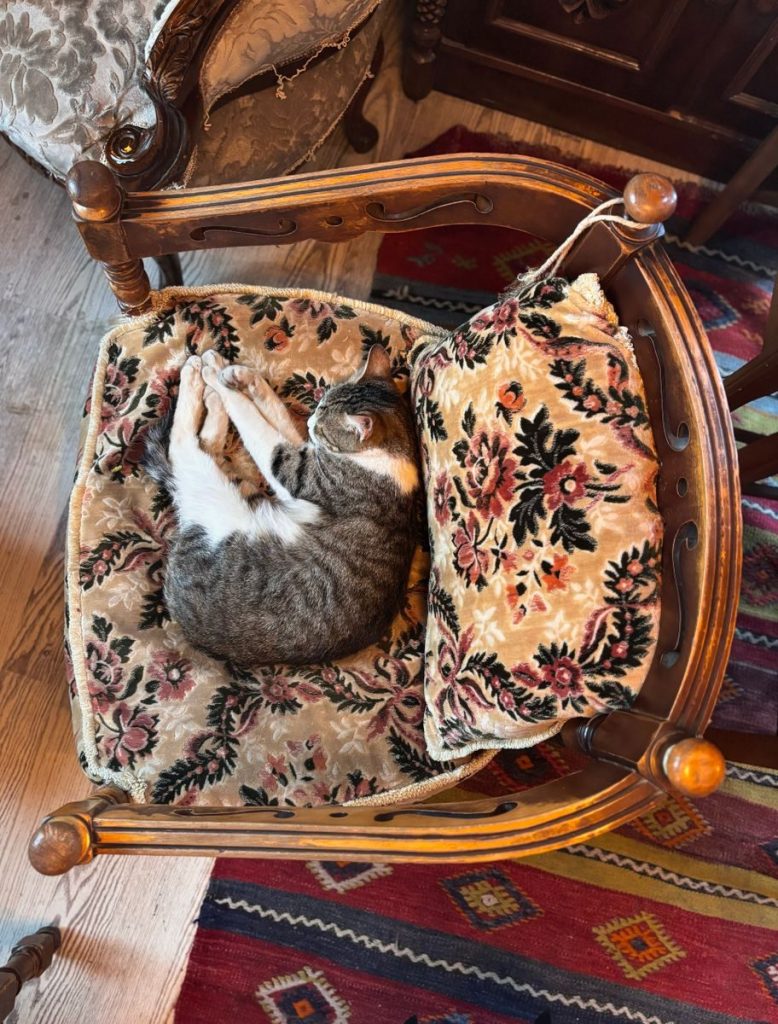
Recent excavations reveal that domestic cats arrived in ancient Chinese cities centuries later than initial estimates suggested. They were rare. Elite families viewed them as exotic, luxury pets reserved solely for royalty. This high status helped them integrate into domestic life smoothly. But their physical design was already perfect.
An Unchanged Successful Design
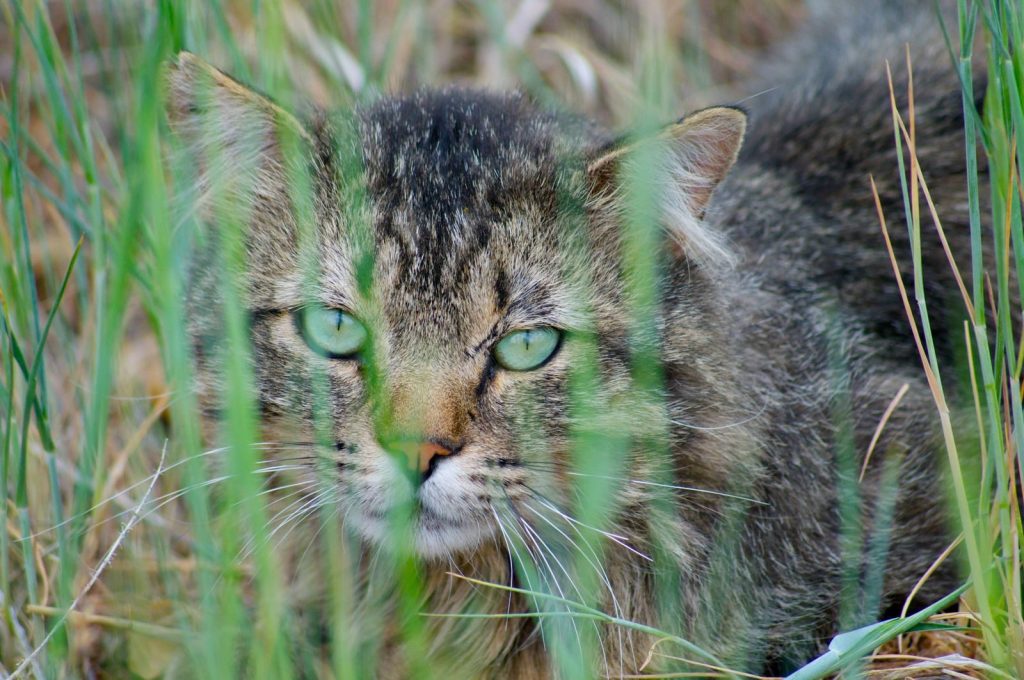
Felines did not have to change their physical shape or behavior to adapt to human homes. They remained wild. Unlike dogs, which were bred for specific tasks, cats preserved their natural hunting instincts completely. This unchanged biology is why scientists call them highly successful evolutionary creatures.
According To Evolutionary Studies
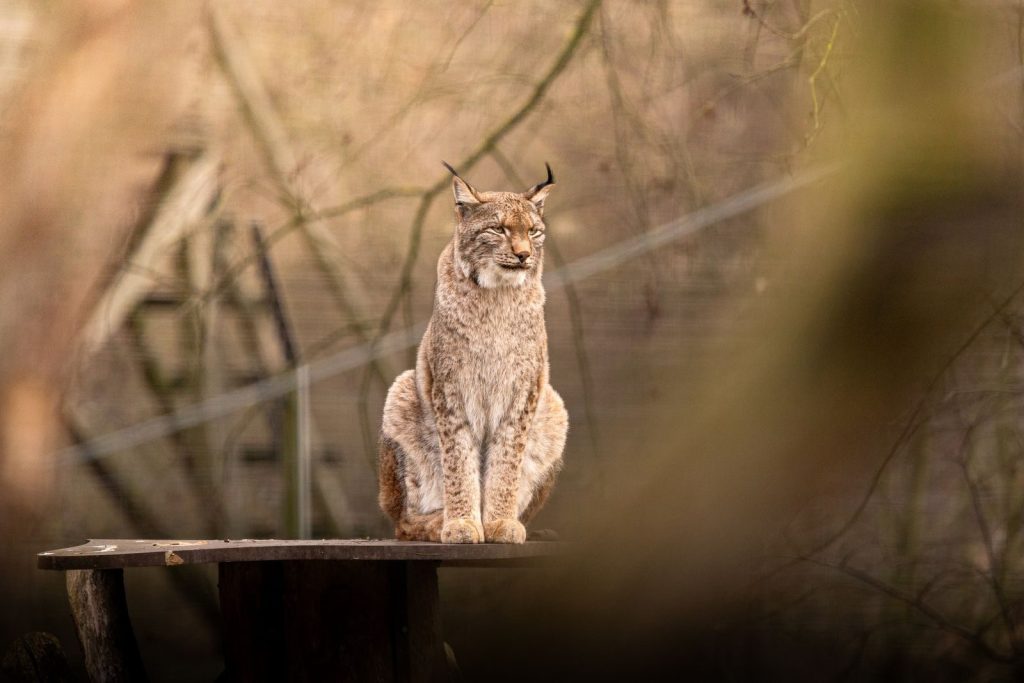
According to reports from the Cornell Feline Health Center, domestic cats share nearly identical DNA with wild forest cats. They are wild at heart. Their sharp senses, flexible spines, and stealthy hunting moves remain fully active today. This wild heritage is why they still display some very strange behaviors inside.
The Transition To Indoor Royalty
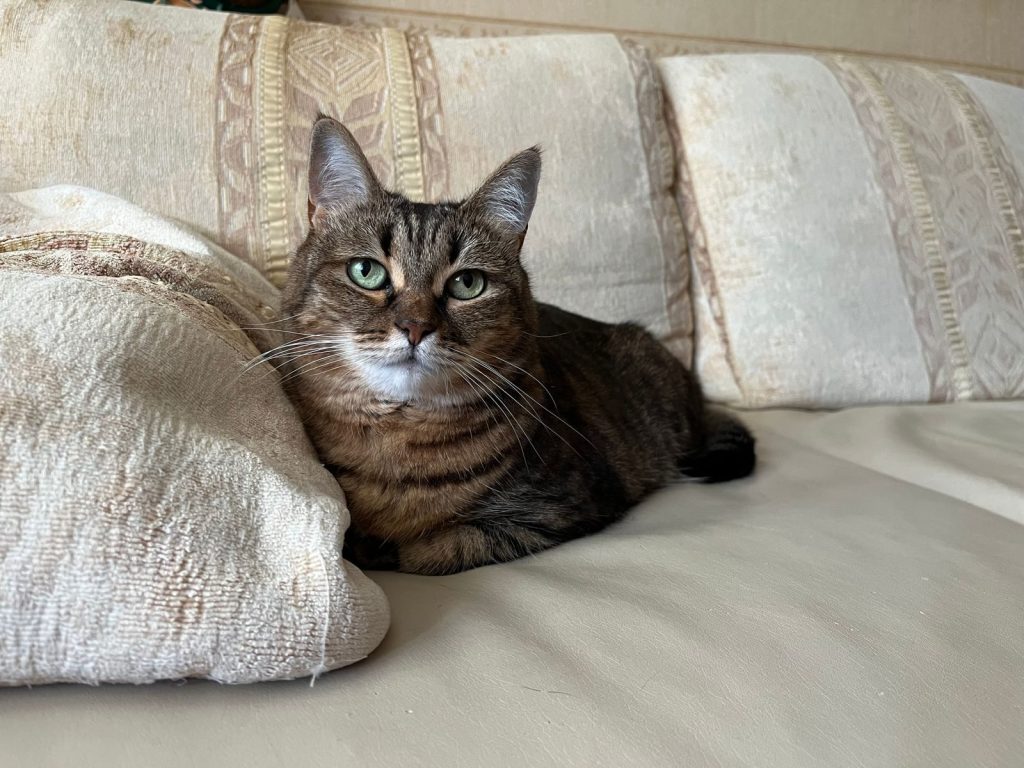
Over the centuries, cats moved from agricultural barns directly onto our soft couches. They became family. Today, millions of households enjoy their quiet company and playful antics every day. This transition is one of the most successful partnerships in human history.
Embracing Your Little Hunter
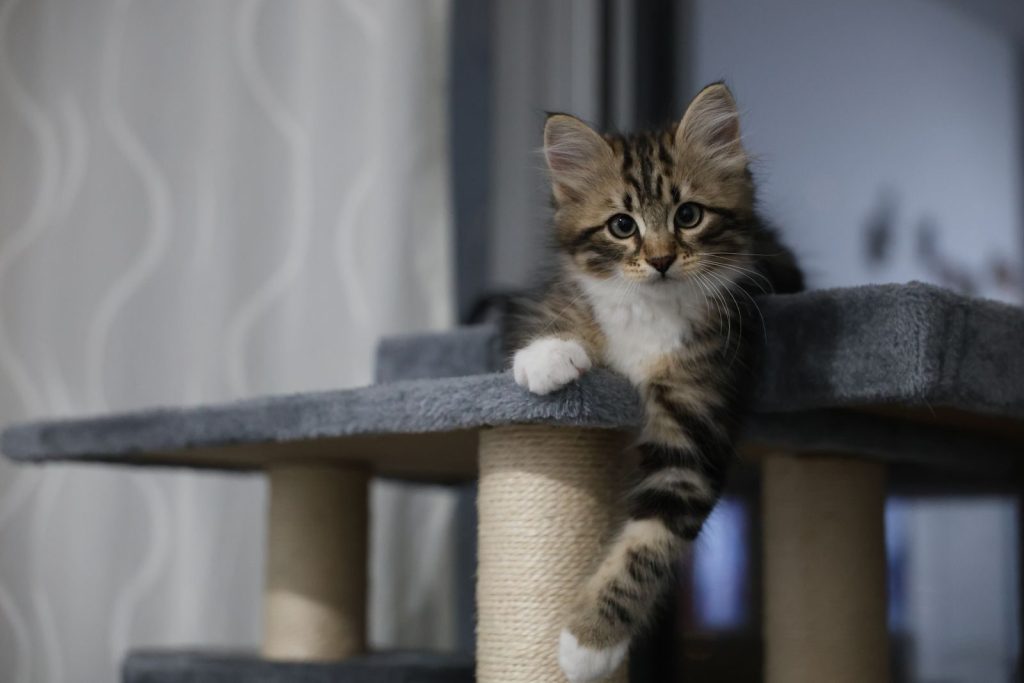
Understanding your pet’s ancient history helps you appreciate their wild instincts. They are amazing. Provide plenty of active toys and climbing space to keep their natural hunting drives happy. Your cozy living room is the latest stop on their incredible global journey.
Featured Image: Photo by Francesco Ungaro on Pexels