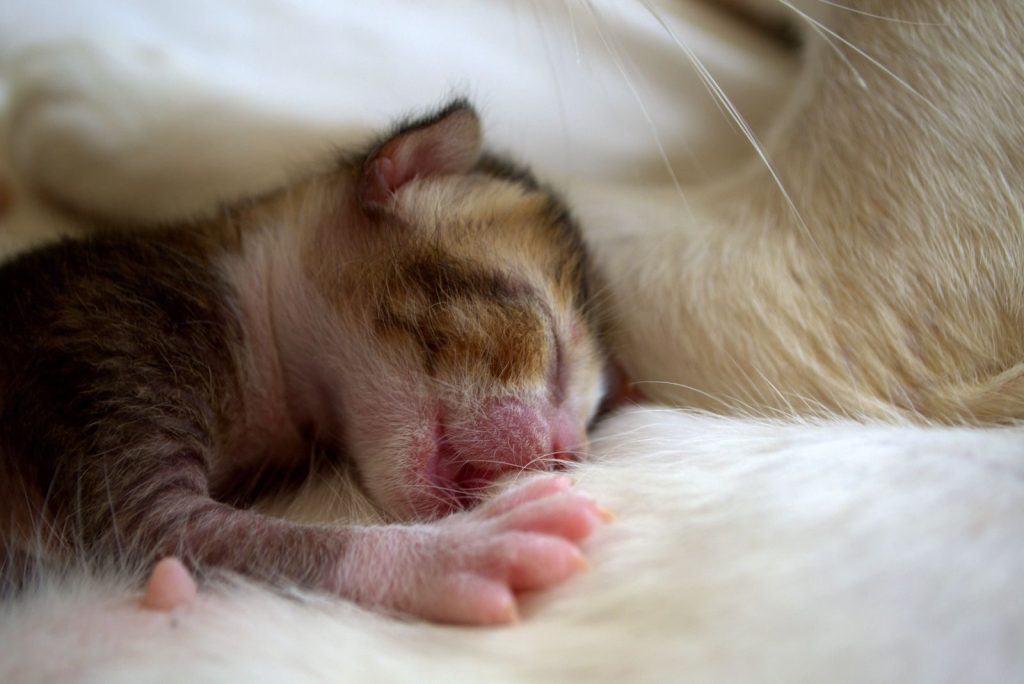

A tiny kitten reaches out with a single soft paw to tap your face. This incredibly sweet gesture melts hearts but carries a deep biological message.
Feline body language is a complex system of scent and subtle physical touch. Discover the fascinating science behind why your little companion reaches out today.
Marking you with hidden scent glands
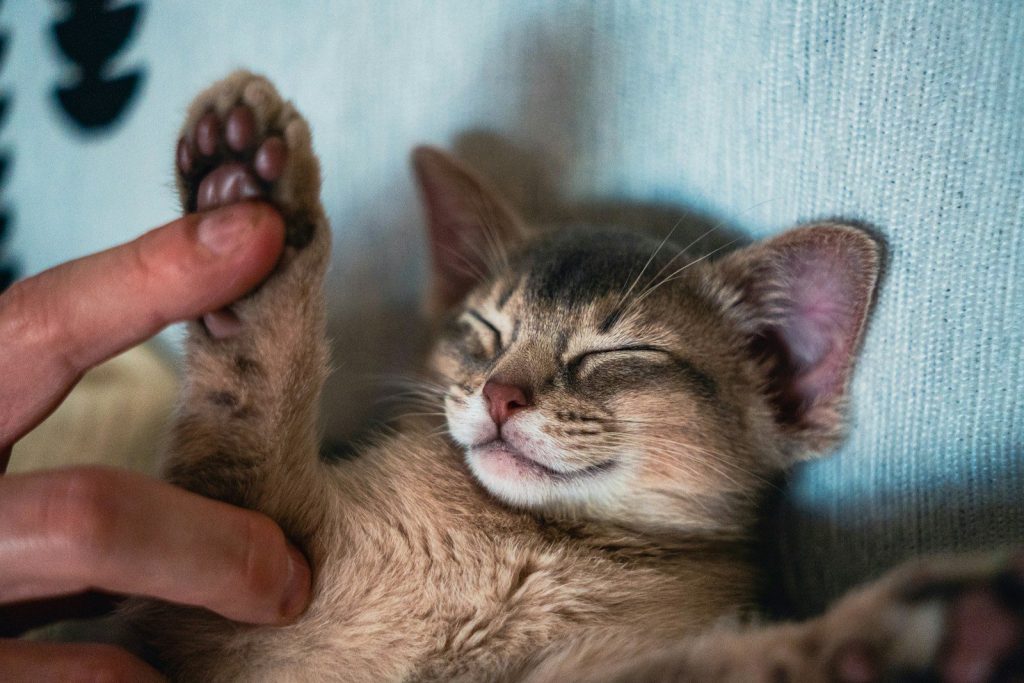
Kittens possess active scent glands located on their cheeks and between their soft paw pads. When they touch your skin, they are depositing unique chemical markers to claim you as family. According to researchers at the Cornell Feline Health Center, this tactile scent sharing builds deep security. But this gentle physical touch serves another critical purpose.
Seeking warmth and comforting physical security
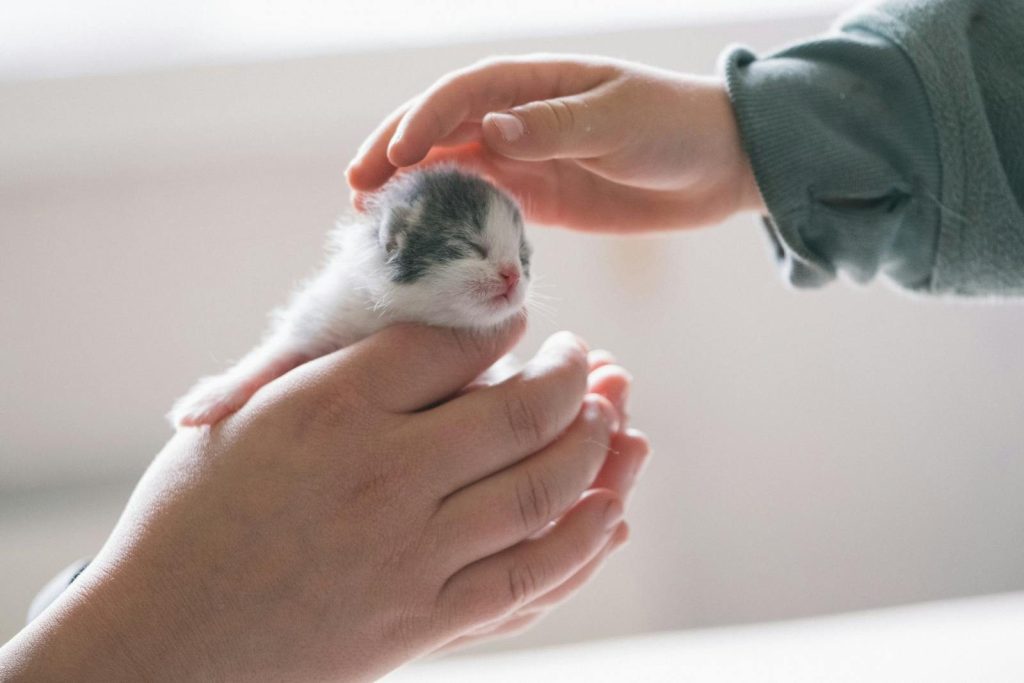
Newborn felines rely entirely on their mothers for vital body heat during their first weeks. Reaching out to touch your hand mimics the cozy safety of the nest. It helps lower their heart rate and keeps stress hormones quiet. Yet this behavior can quickly change as your pet grows.
Initiating a classic natural play sequence
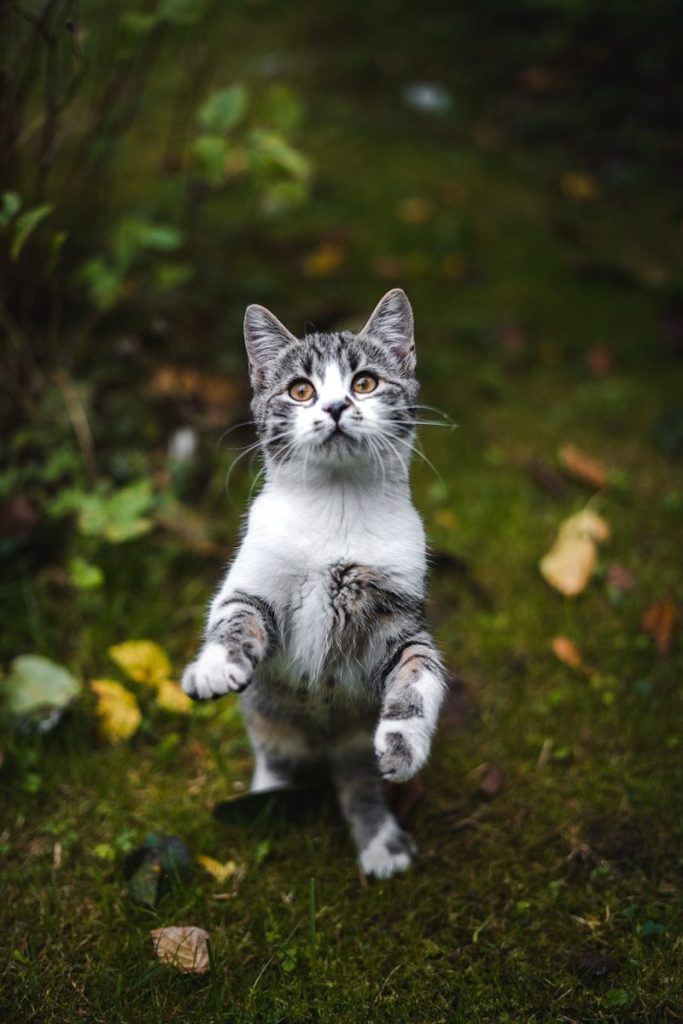
As their eyes develop fully, kittens use a gentle paw tap as a primary play invitation. They are testing boundaries to see if you will engage in a fun game. Feline behaviorist Dr. Sarah Ellis notes that interactive play is crucial for brain development. But some owners accidentally encourage a dangerous biting habit.
Why fingers make terrible interactive toys
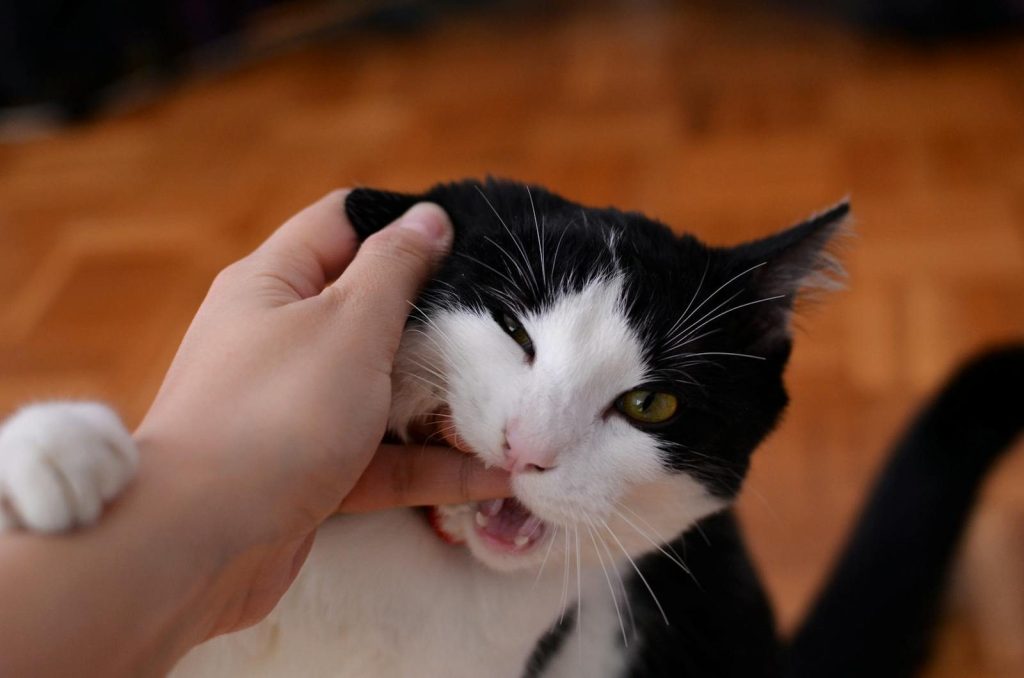
Letting a growing animal swat at your bare hands teaches them that human skin is a valid target. It is much safer to redirect that hunting drive onto feather wands. This simple change keeps your fingers clear of painful scratches as they grow. However, there is a beautiful emotional side to this touch.
Building a lifelong communication channel
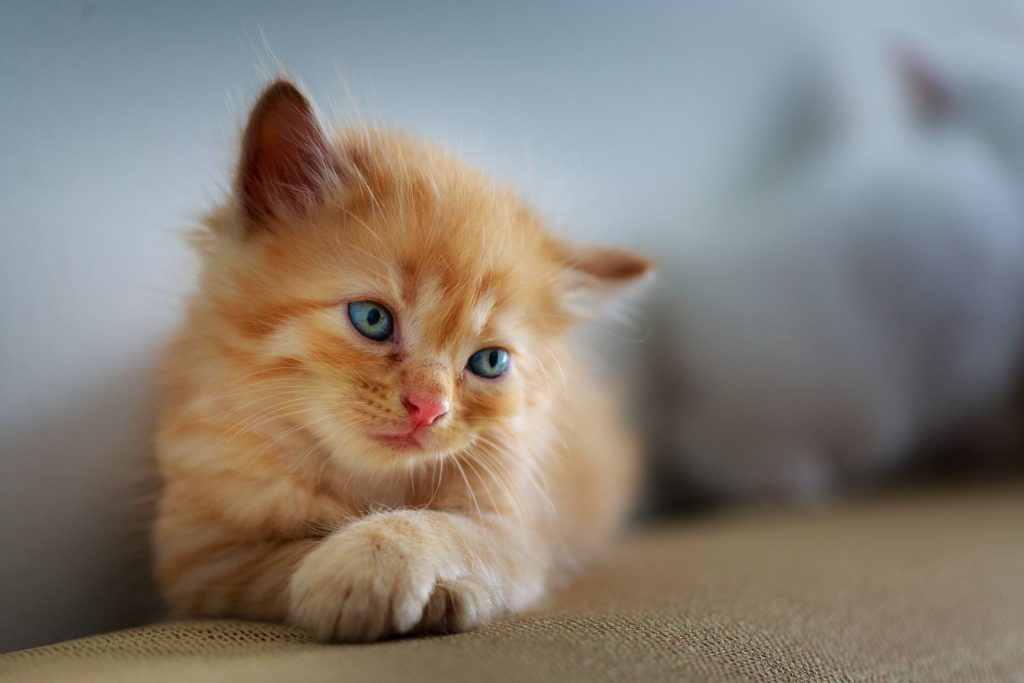
Responding to their gentle touch with a soft voice teaches your pet that communication is a two-way street. They learn to trust your presence as a source of absolute safety. According to the American Veterinary Medical Association, positive reinforcement creates stable adult animals. But how do you handle a very shy kitten?
Letting fearful rescues take the lead
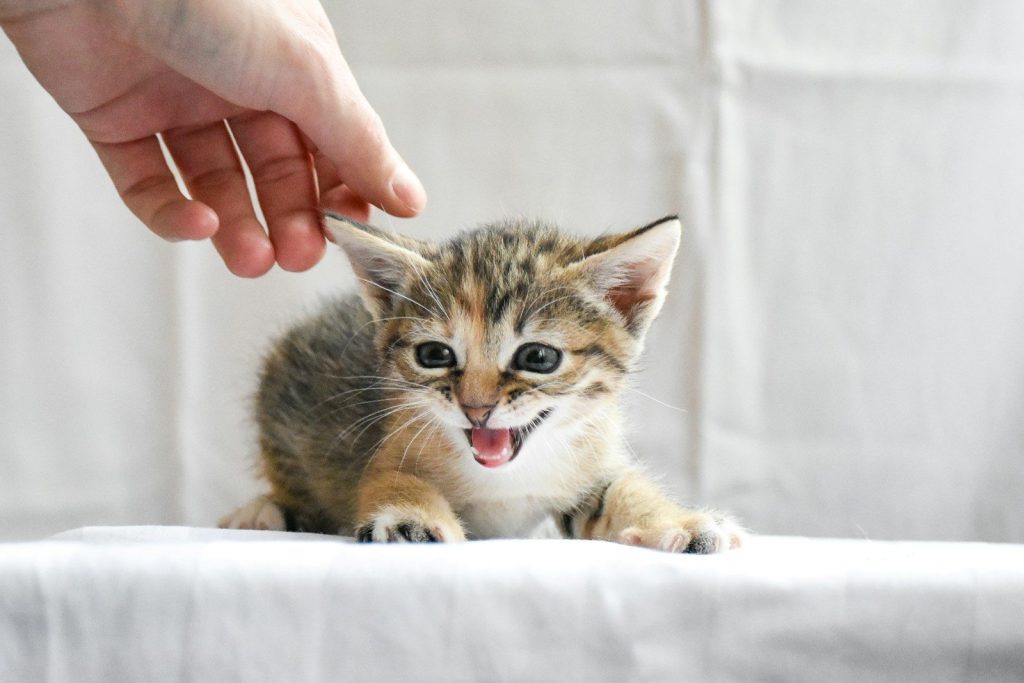
When dealing with a traumatized rescue feline, you should never force physical contact. Place your hand nearby and let them choose to reach out to you first. This respectful boundaries approach works miracles for nervous shelter animals. This article is for informational purposes only and does not constitute veterinary advice.
Cultivating a beautiful lifelong feline bond
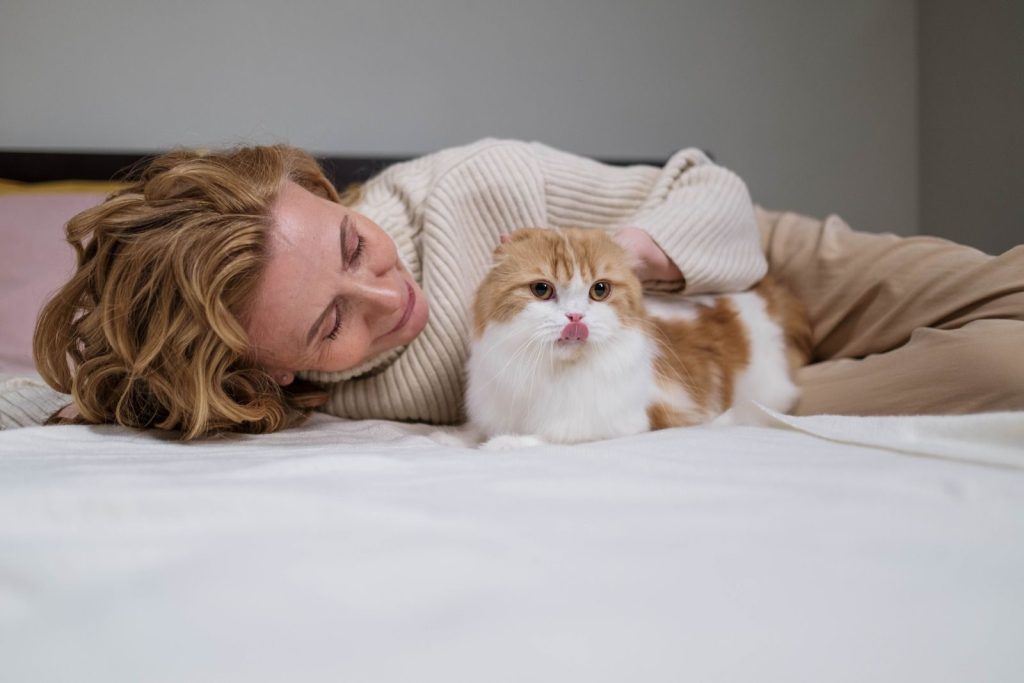
Patience and careful observation will help you understand the quiet language of your favorite companion. Your sweet reward is a happy pet that feels completely safe in your home.
Featured Image: Photo by Irma Sjachlan on Pexels