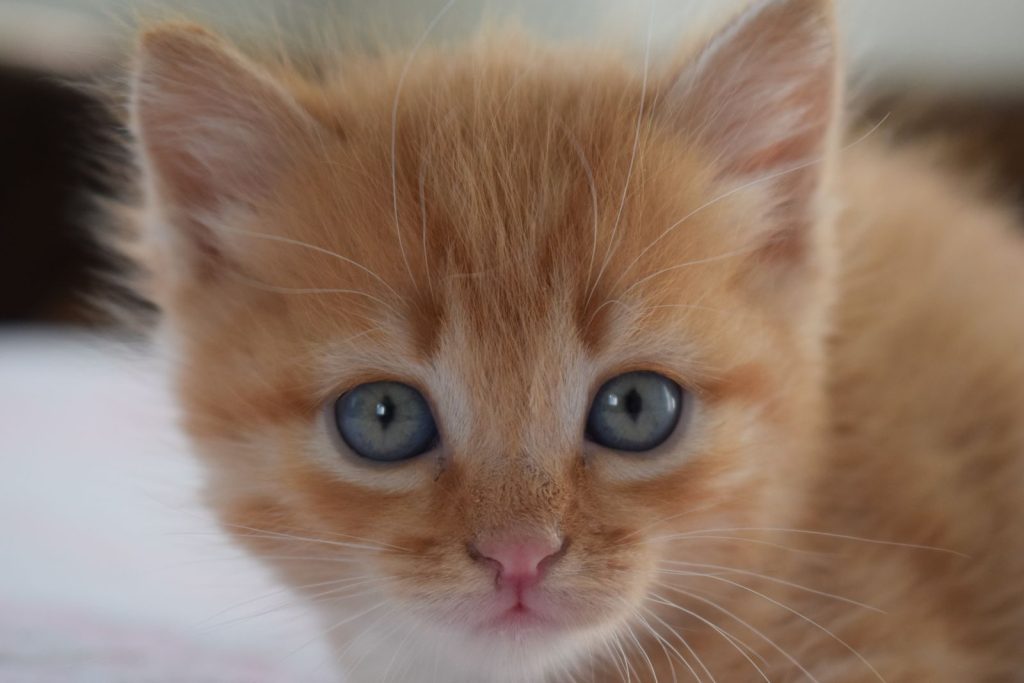

A stunning orange kitten with ice blue eyes goes viral online. This mesmerizing combination looks like a digital trick, but the biology behind it is entirely real.
Feline genetics are full of unexpected surprises that dictate coat pattern and eye color. Discover the fascinating science behind these rare and beautiful features today.
The temporary nature of baby blue eyes
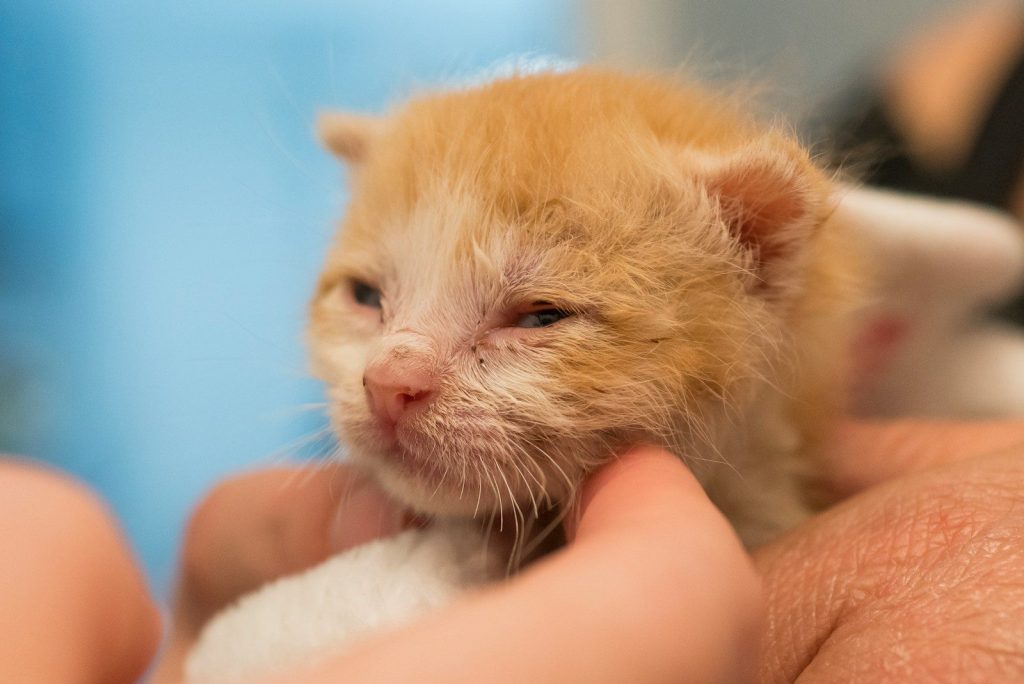
Every newborn kitten starts life with deep blue eyes because their natural melanin pigment has not developed yet. Melanin is the protein that eventually changes their eye color to green or gold. According to the Cornell Feline Health Center, this chemical shift usually begins around week six. But some rare adult cats keep their blue gaze forever.
The rare dominant white gene mutation is explained.
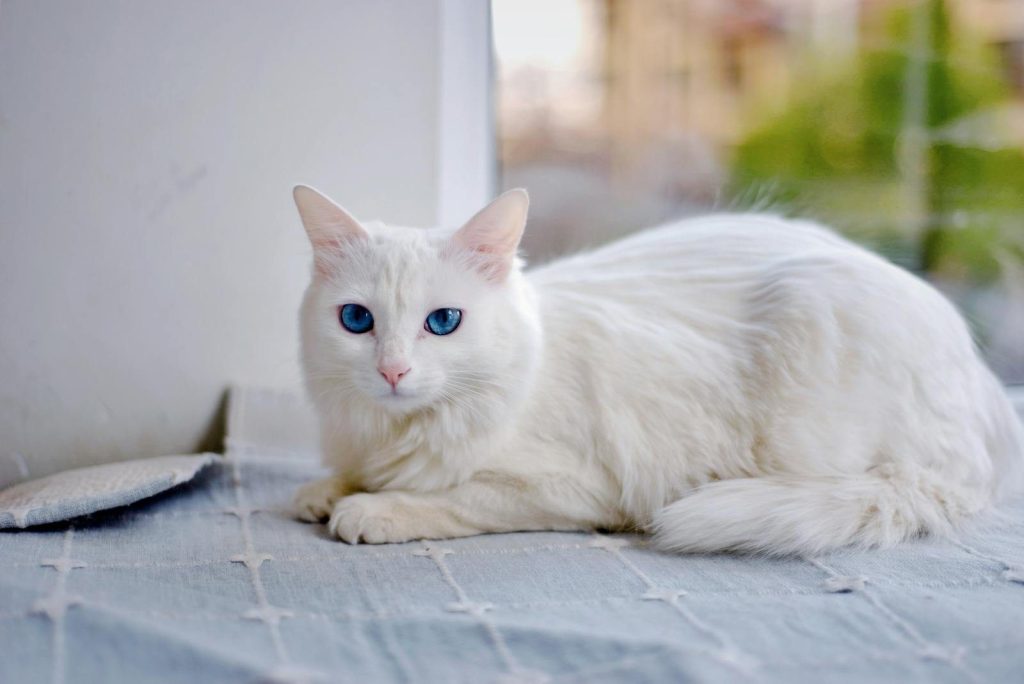
Adult blue eyes are typically linked to the dominant white gene or the white spotting gene. These genetic markers block color pigment from reaching the eyes and coat during early development. The results are striking white animals with icy blue gazes. Yet the genetic story of orange cats is completely separate.
The famous gender bias in orange coats
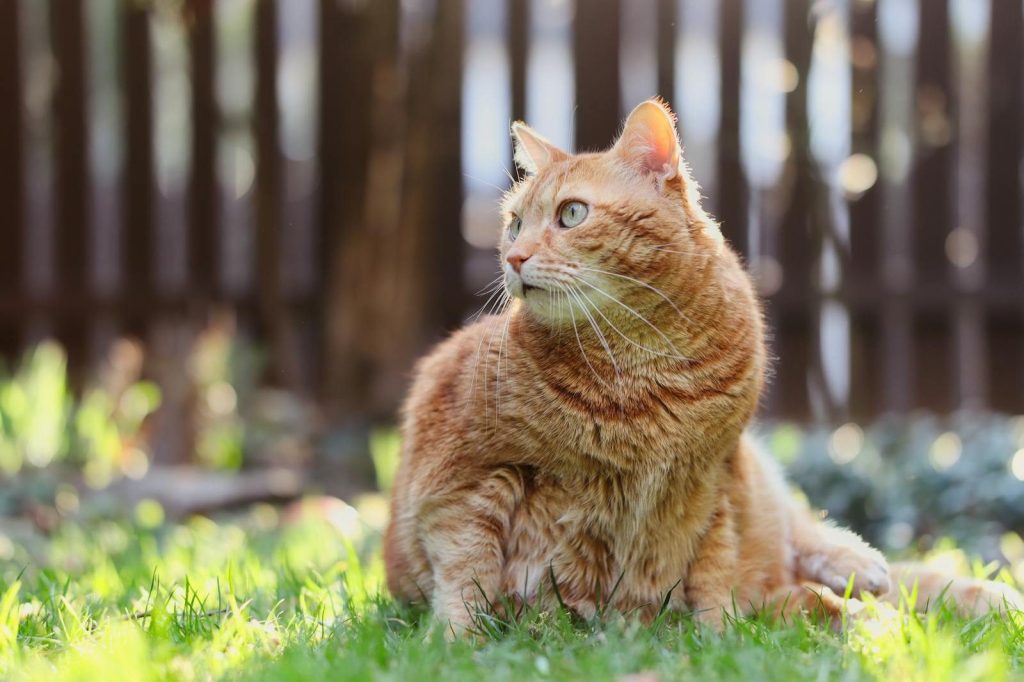
Roughly eighty percent of all orange cats are male because the red pigment gene sits on the X chromosome. Female cats need two copies of this gene to look fully ginger, while males only need one. Feline geneticists love studying this unique inheritance pattern. But this pigment gene can also affect their skin in surprising ways.
Black freckles on ginger noses and lips
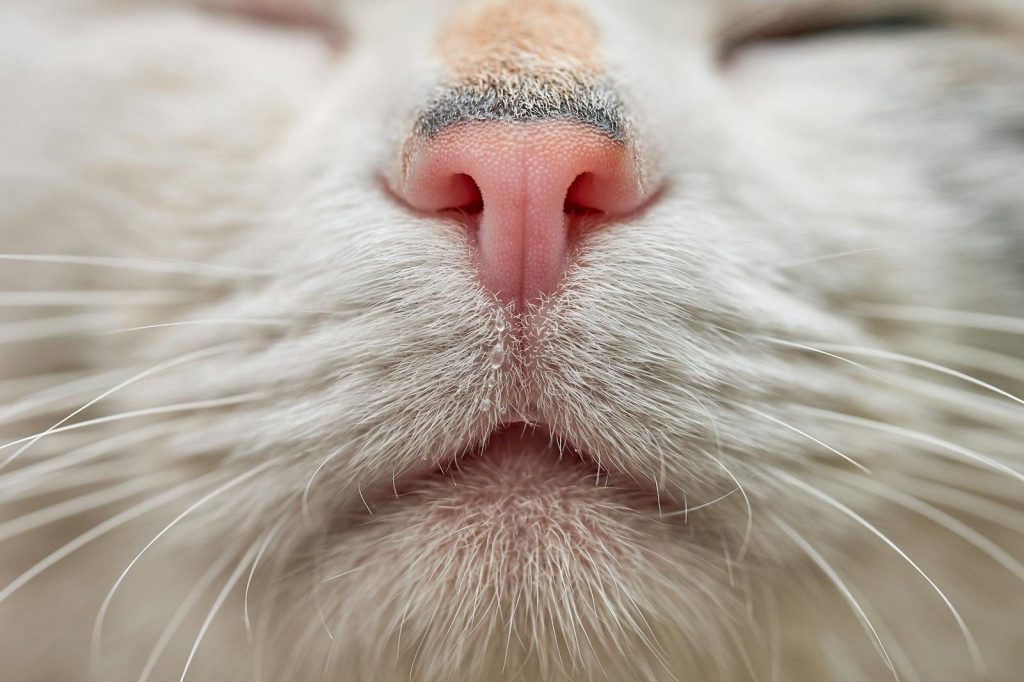
Many adult orange felines develop dark spots on their pink noses as they mature. This harmless condition is called lentigo and is simply a concentration of melanin-producing cells. While it is completely benign, you should always monitor any sudden skin changes closely. However, there is another myth about orange behavior.
The playful personality of bright ginger cats
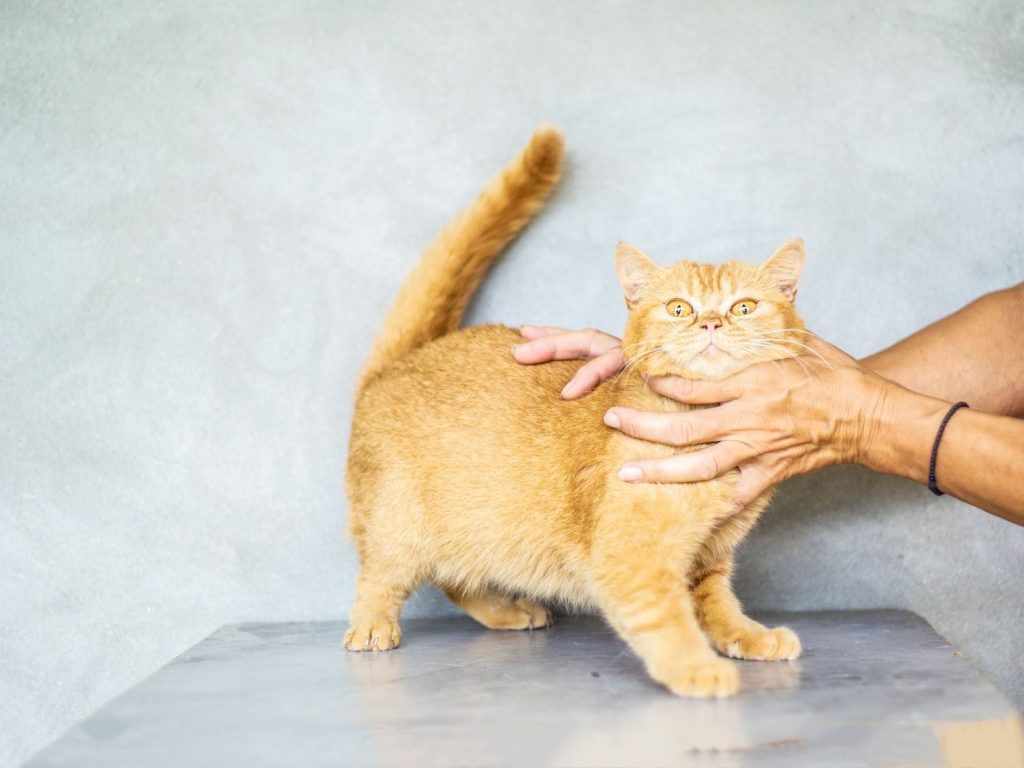
Orange cats are famously known for their outgoing and highly vocal personalities in multi-pet households. Owners frequently report they show higher affection levels compared to quieter, dark colored breeds. According to breed data from the Cat Fanciers Association, ginger cats often bond deeply with humans. But keeping their health perfect is the real goal.
Regular veterinary checkups protect senior felines.
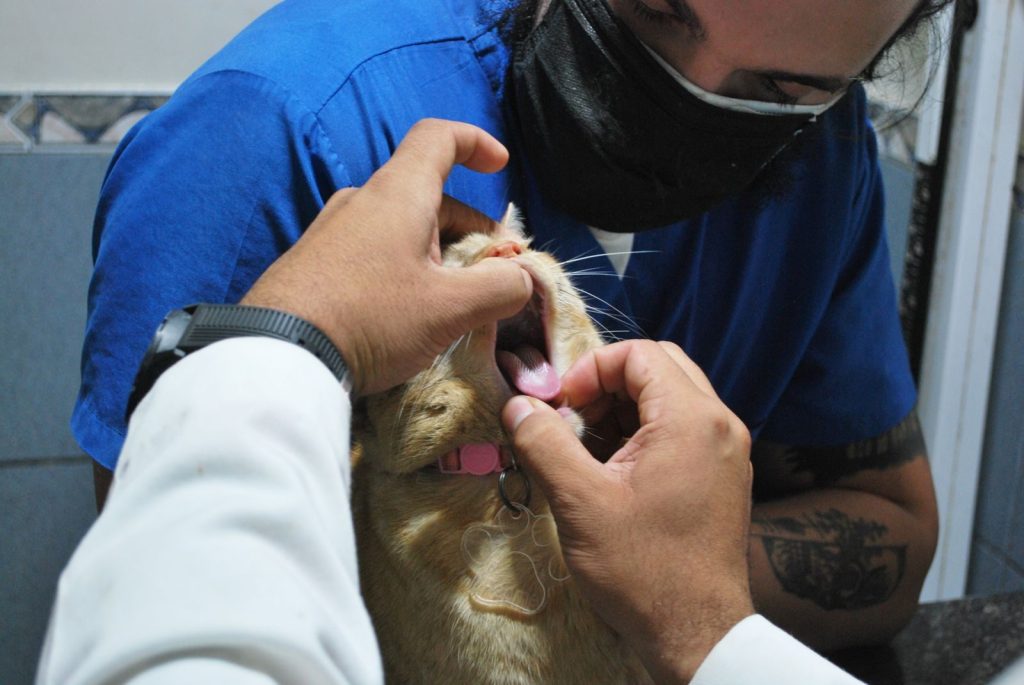
Schedule annual screenings to ensure your colorful pet stays healthy and active through their golden years. Simple preventive care catches potential issues early before they cause painful symptoms. This article is for informational purposes only and does not constitute veterinary advice. Your dedication is the key to their long life.
Celebrating the beautiful genetics of your pet
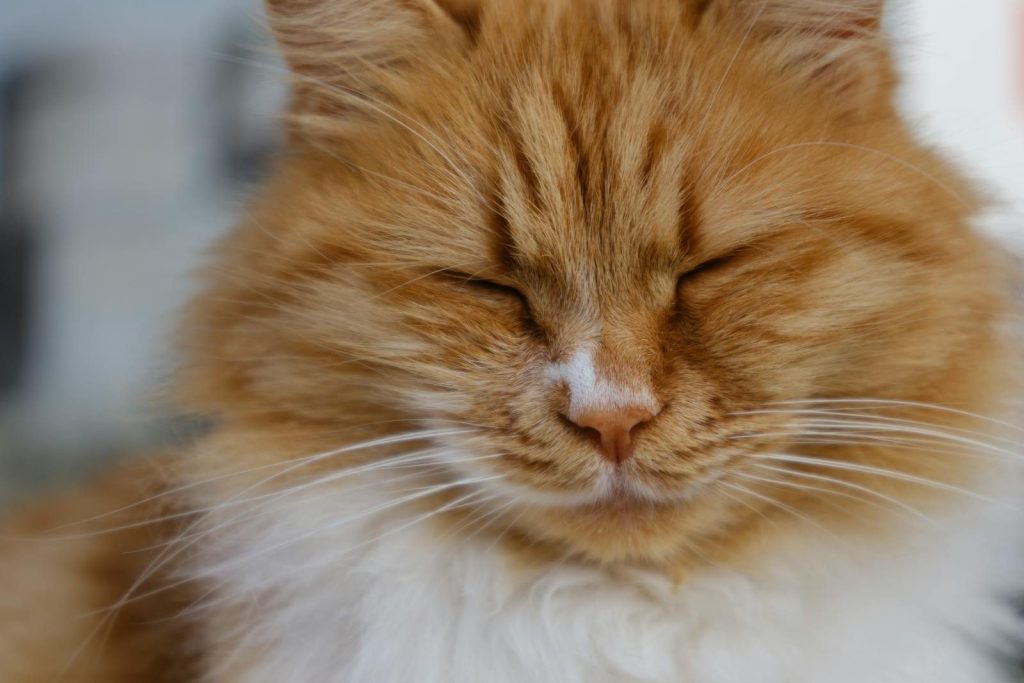
Whether your favorite companion has glowing gold eyes or a rare orange coat, they are entirely unique. Enjoying their playful nature makes every single day a special gift.