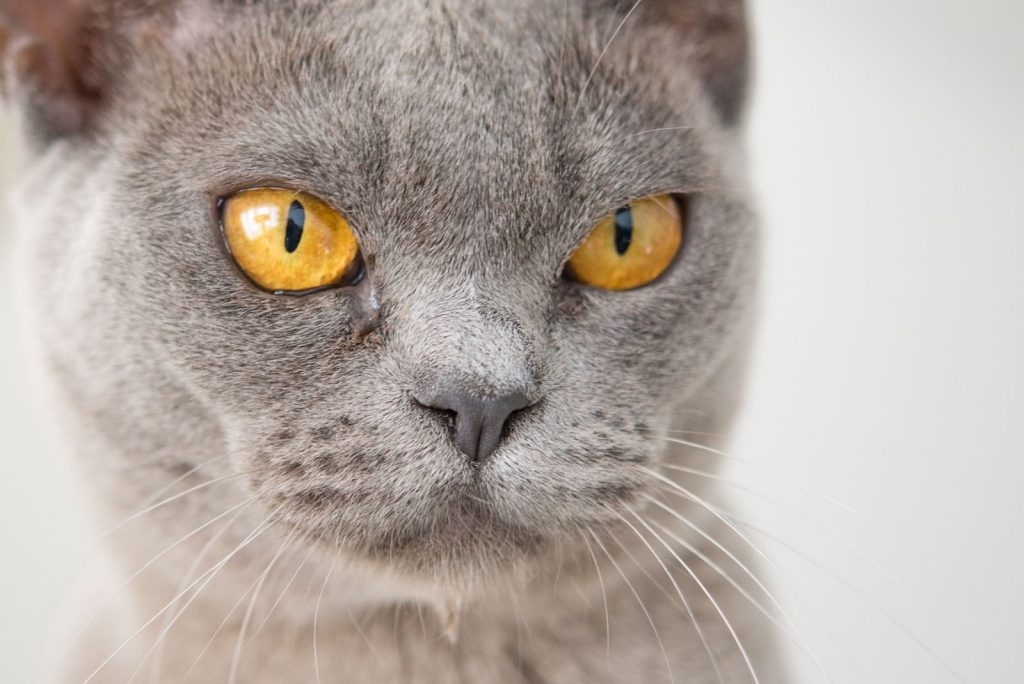

We often worry that our cats are seeing ghosts when they stare at a blank space. We assume they are reacting to something supernatural.
But animal behaviorists have found that cats possess incredible sensory abilities. Their focused look is actually a response to real physical cues we completely miss.
The Power Of Ultraviolet Vision
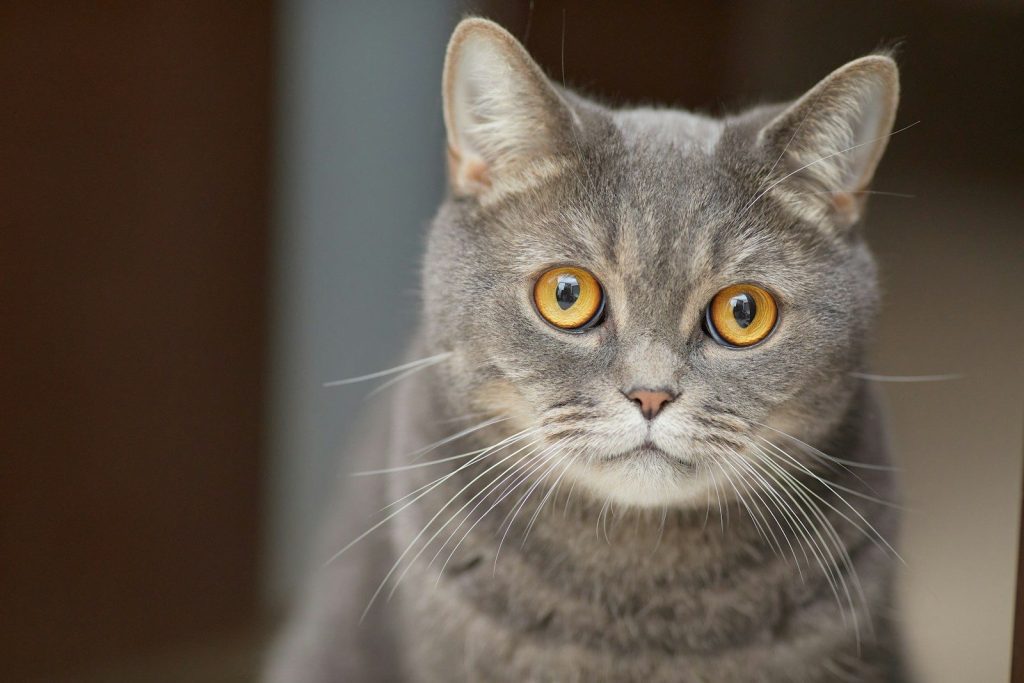
Feline eyes can detect light waves that humans cannot see. Sight is power. According to a study from the National Institutes of Health, cats possess ultraviolet vision. This allows them to spot microscopic fibers and dust motes reflecting sunlight on a plain wall. What looks like blank space to you is actually a bright world to them. But sight is only one highly developed sense.
Hearing Beyond Human Limits
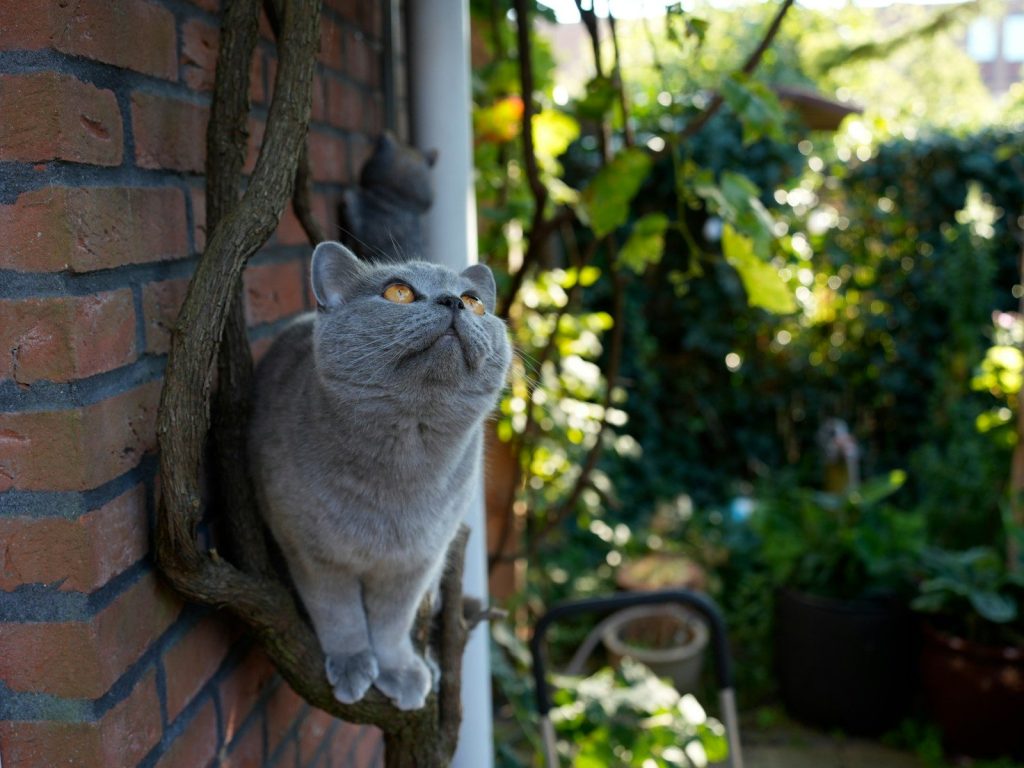
Your domestic cat can hear high frequencies that are completely silent to us. Sound is sharp. According to the American Veterinary Medical Association, cats can detect the microscopic vibrations of insects behind drywall. They will tilt their heads and stare to pinpoint the exact location of the noise. This focused listening looks like a silent trance. But their keen senses serve another purpose.
Tracking Invisible Air Currents
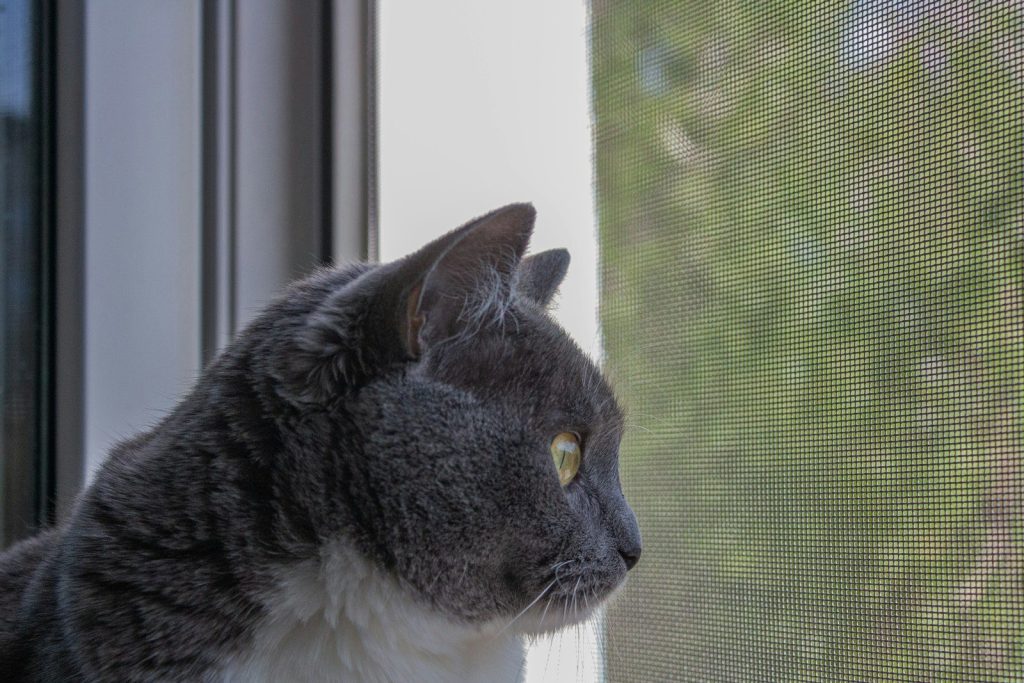
A cat’s sensitive whiskers can feel tiny changes in home airflow. Touch is vital. According to reports from the ASPCA, whiskers detect subtle movements caused by heating vents or drafty windows. Your pet might stare at a corner because they feel a gentle breeze moving across the wall. This physical feedback keeps them highly alert. But staring can also be a sign of active hunting.
Spotting Tiny Moving Insects
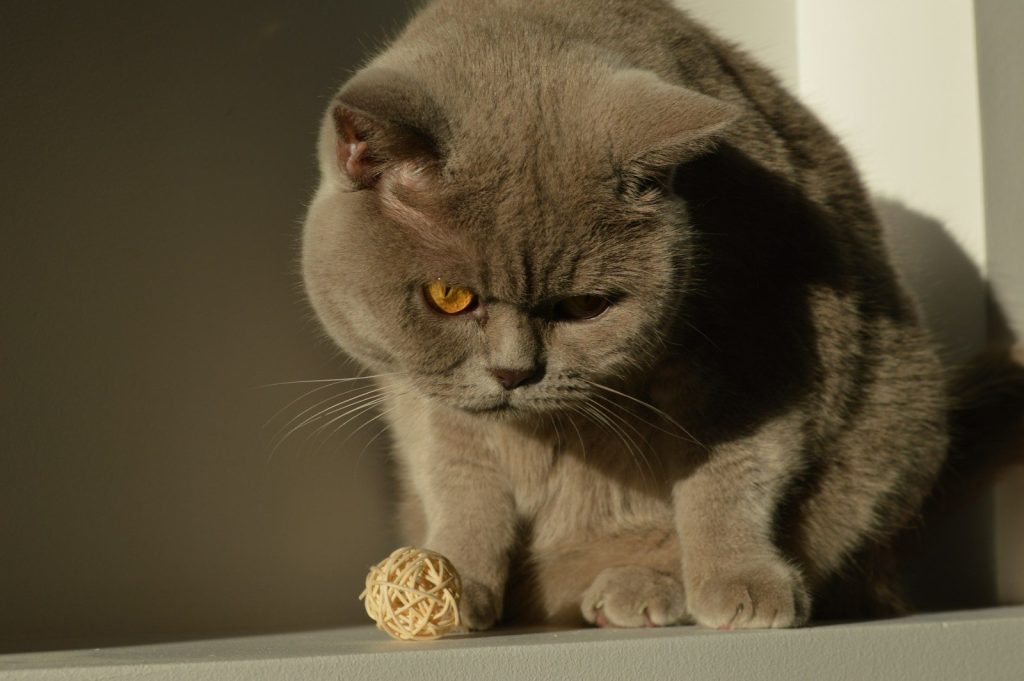
Felines have incredible motion detection that works in very low light. Focus is intense. According to the Cornell Feline Health Center, cats can easily track a tiny gnat from across a room. They will freeze and stare until they decide to pounce. This quiet patience is a normal part of their predatory instincts. But sometimes this behavior can indicate a health issue.
Checking For Cognitive Decline
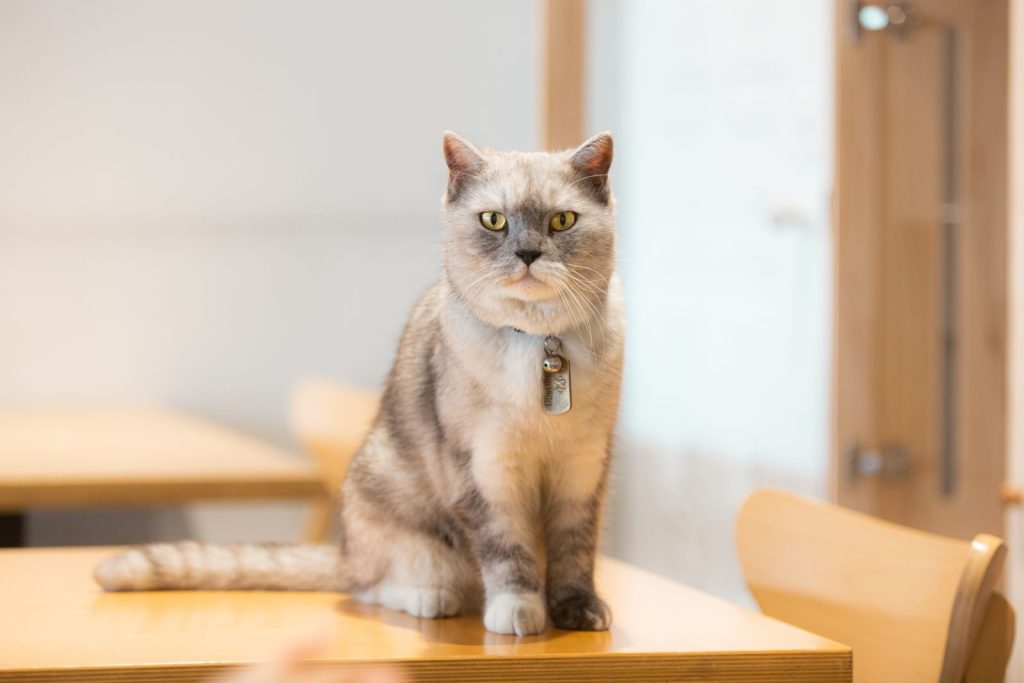
Senior cats who stare blankly into space might be experiencing age-related changes. Wellness is critical. According to the American Association of Feline Practitioners, cognitive dysfunction syndrome in aging pets can cause vacant staring. You should consult a vet if this behavior is paired with night howling or confusion. This medical check keeps your senior pet comfortable. But sensory stimulation can help too.
Providing Daily Mental Enrichment
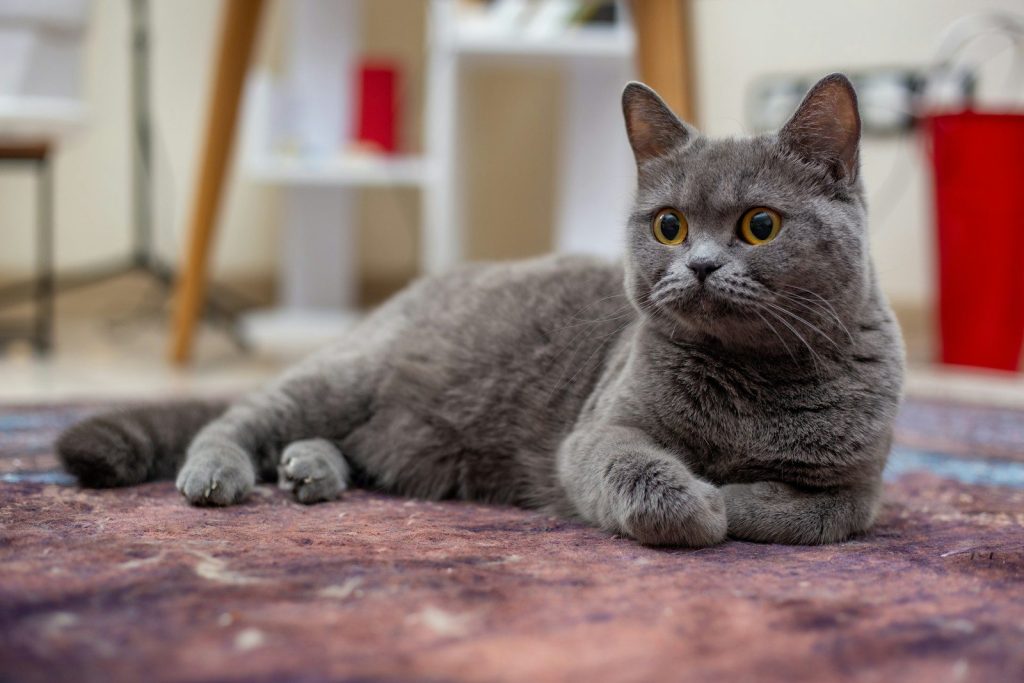
Interactive play can keep your pet’s active mind focused on healthy targets. Play brings joy. According to the San Diego Humane Society, cats need daily puzzles and hunting games to prevent staring boredom. Introduce food-dispensing toys to challenge their natural intelligence. This keeps them active and reduces stress. But understanding their world is the most rewarding part.
Creating Safe Sensory Windows
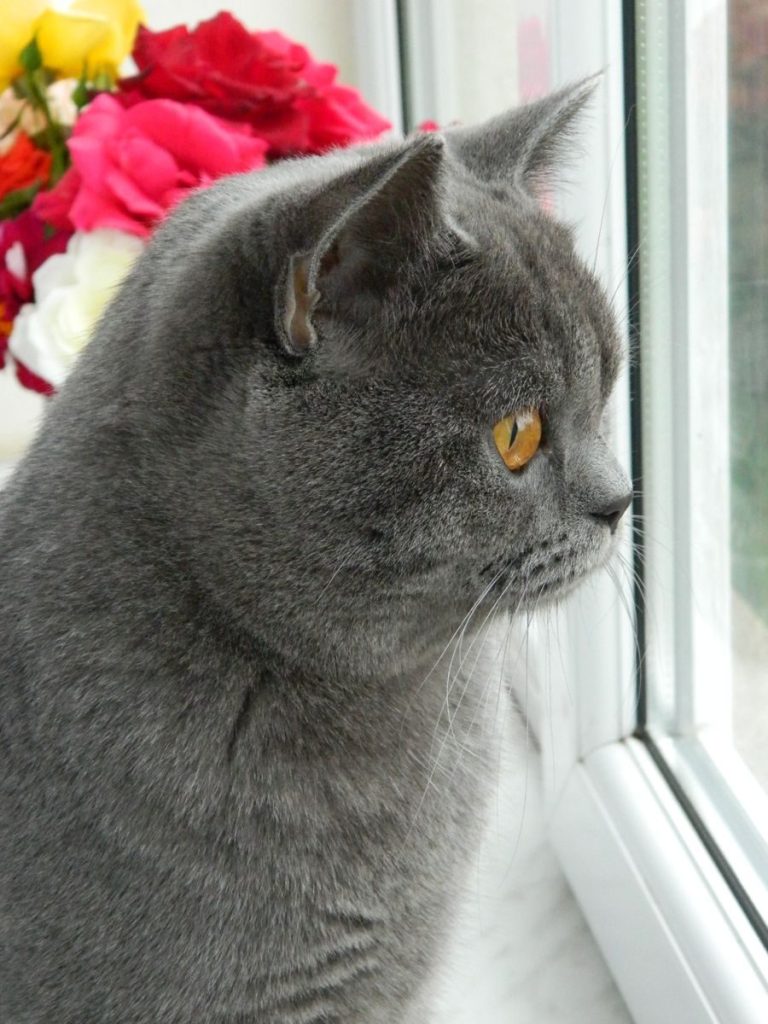
Offering a secure view of the outdoors satisfies their natural curiosity. Observation is healthy. According to behavioral studies from Oregon State University, a window perch provides excellent mental stimulation for indoor felines. They can watch birds and wind-blown leaves safely. This visual access lowers indoor anxiety. But owners must always monitor any sudden behavioral changes.
Embracing Your Feline Companion
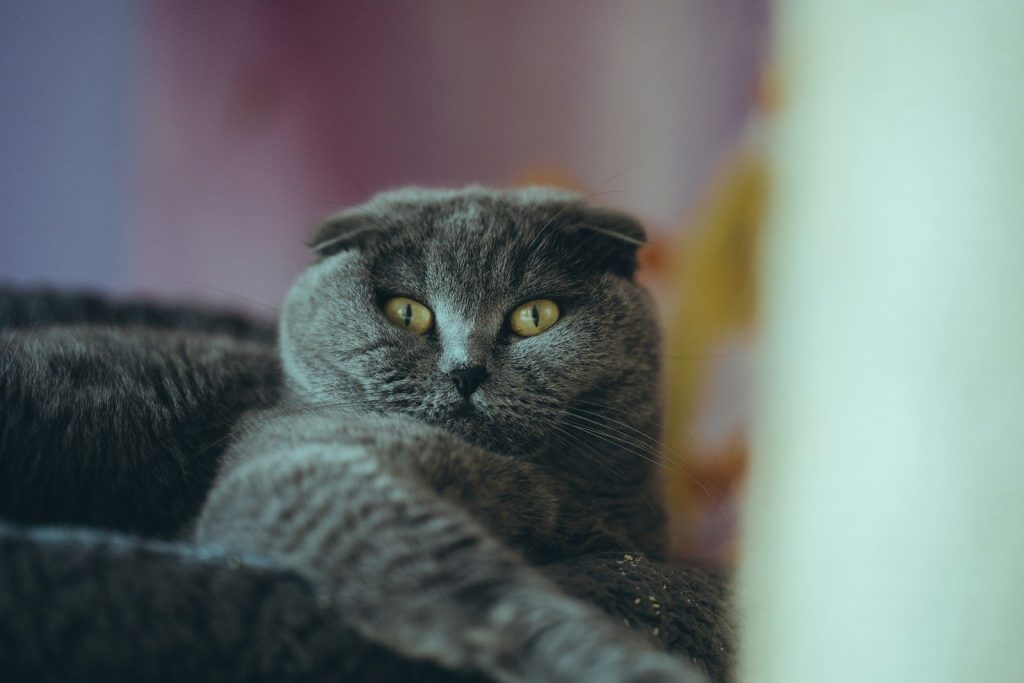
Learning how cats interact with their environment helps you understand their daily habits. Trust brings harmony. According to the American Veterinary Medical Association, respecting your pet’s unique sensory gifts strengthens your bond. Enjoy these quiet moments of shared wonder. This article is for informational purposes only and does not constitute veterinary advice.
Featured Image: Photo by ClickerHappy on Pexels