

It is midnight, and a loud meow echoes through your dark hallway. You wake up frustrated, assuming your pet is simply begging for breakfast.
Feline experts have studied these nighttime vocalizations to understand the actual biological triggers. The real answer goes far deeper than a simple desire for food.
The ancient hunting rhythm of wild ancestors
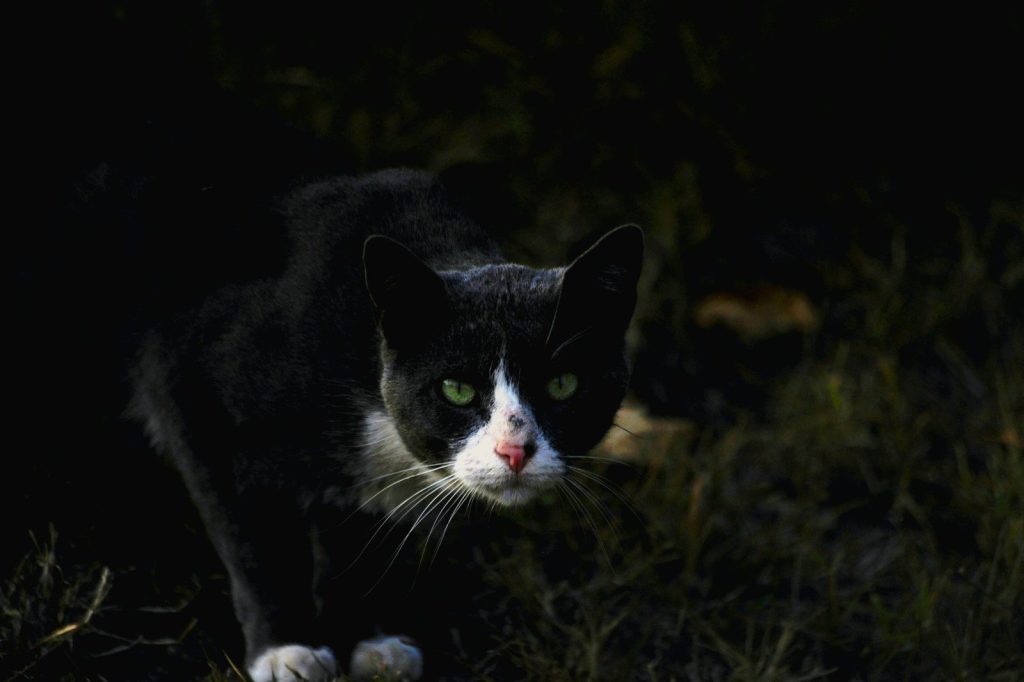
Felines are crepuscular, meaning they are biologically designed to hunt at dusk and dawn. Their eyes are perfectly adapted to navigate low-light conditions with ease. When the house gets dark, their internal clock tells them it is time to search for prey. This burst of natural energy often turns into loud vocalizations. But their age also plays a massive role.
Senior cats facing sudden physical confusion
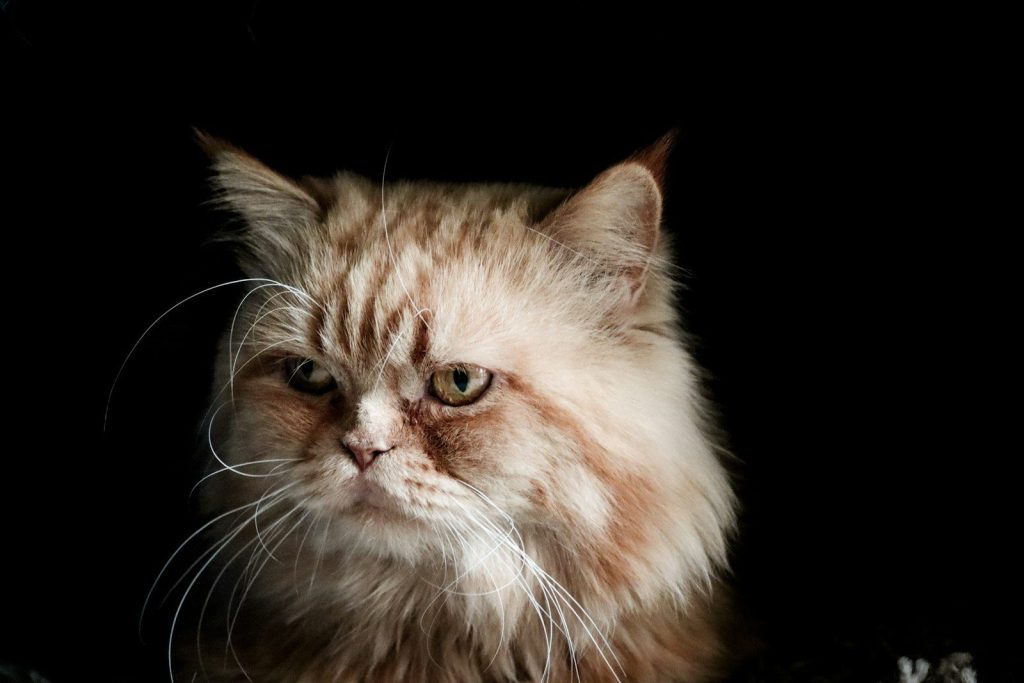
Aging felines can suffer from cognitive dysfunction as they grow older. This mental fog makes them feel highly disoriented when the lights go out. Dr. Carlo Siracusa of the University of Pennsylvania states this confusion often triggers loud crying at night. They are simply searching for a reassuring voice in the dark. Yet there is another physical culprit.
Unseen medical issues that cause discomfort
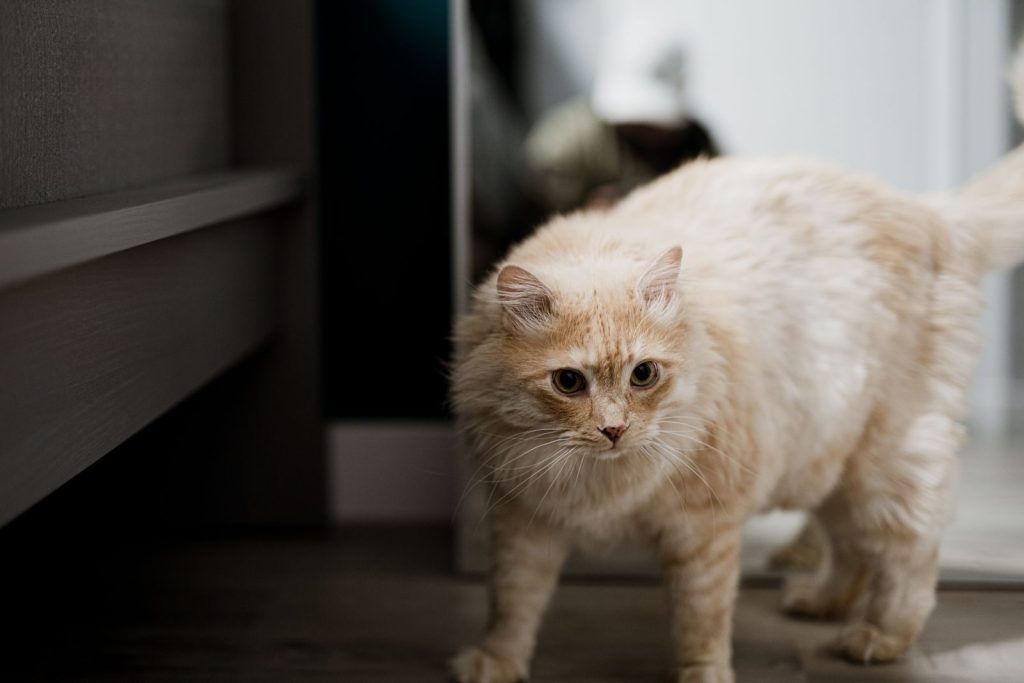
High blood pressure and overactive thyroid glands are common in older cats. These conditions create a sense of internal restlessness that makes sleep impossible. The American Veterinary Medical Association warns that chronic pain from joint issues can also spike at night. Your pet cries out because they cannot find a comfortable resting spot. But how can you help them?
Establishing a solid nighttime activity routine

Satisfying their natural hunting drive before bed is the best way to ensure peace. Use a feather wand to engage them in twenty minutes of active play. Follow this up with a warm evening meal to trigger their natural sleep cycle. This simple combination mimics the hunt and feast pattern of wild felines. However, your response to their cries is critical.
Why you must avoid rewarding their cries

Getting out of bed to feed a crying cat teaches them a bad lesson. They quickly realize that vocalizing at night gets them an immediate food reward. This reinforces the behavior and makes it a permanent part of their routine. Ignoring the sounds is difficult but essential for long-term training success. Still, you should never ignore a sudden change.
When to schedule a veterinary checkup
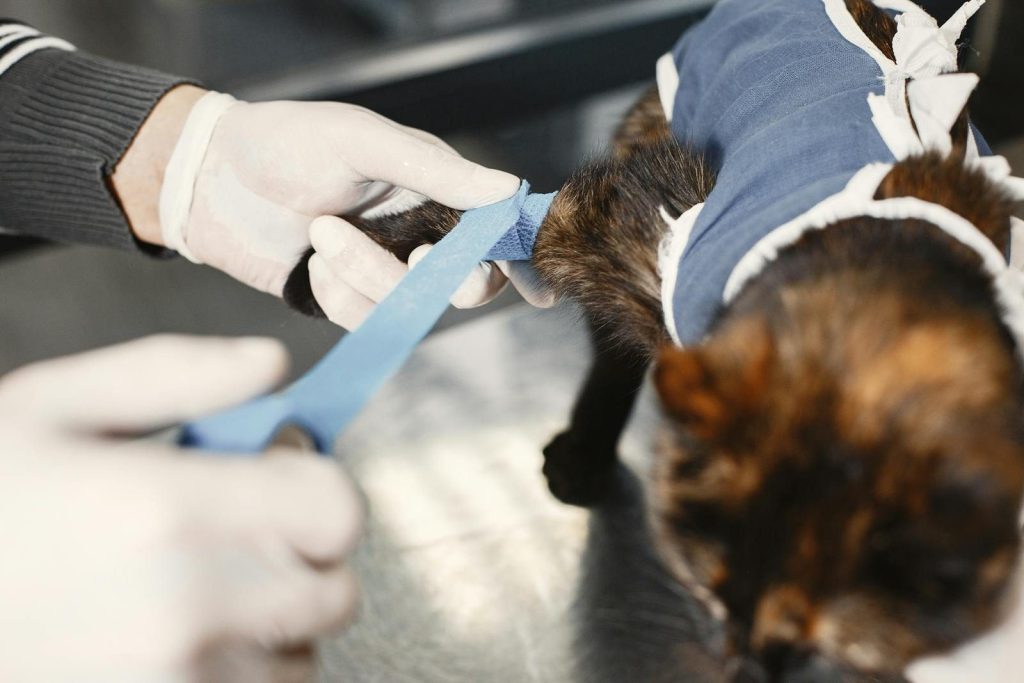
If a normally quiet animal suddenly starts crying every night, a medical evaluation is necessary. Simple blood tests can rule out thyroid or kidney issues quickly. Catching these problems early makes management much easier for everyone. This article is for informational purposes only and does not constitute veterinary advice. But what if they are just lonely?
Providing soothing background sounds at night
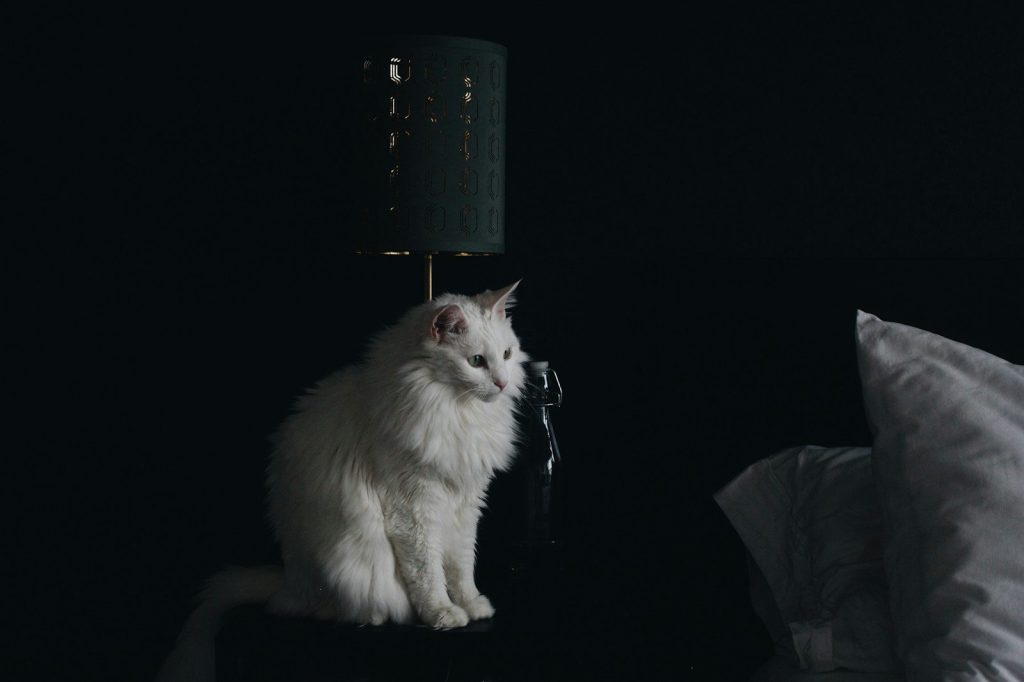
Soft white noise or gentle classical melodies can work wonders for an anxious animal. It masks sudden outdoor noises like sirens or wind that might startle them awake. Keeping a small nightlight on also helps senior pets navigate the rooms safely without getting disoriented. These tiny adjustments create a peaceful environment for everyone. But there is one final thing to check.
The ultimate reward of a quiet night
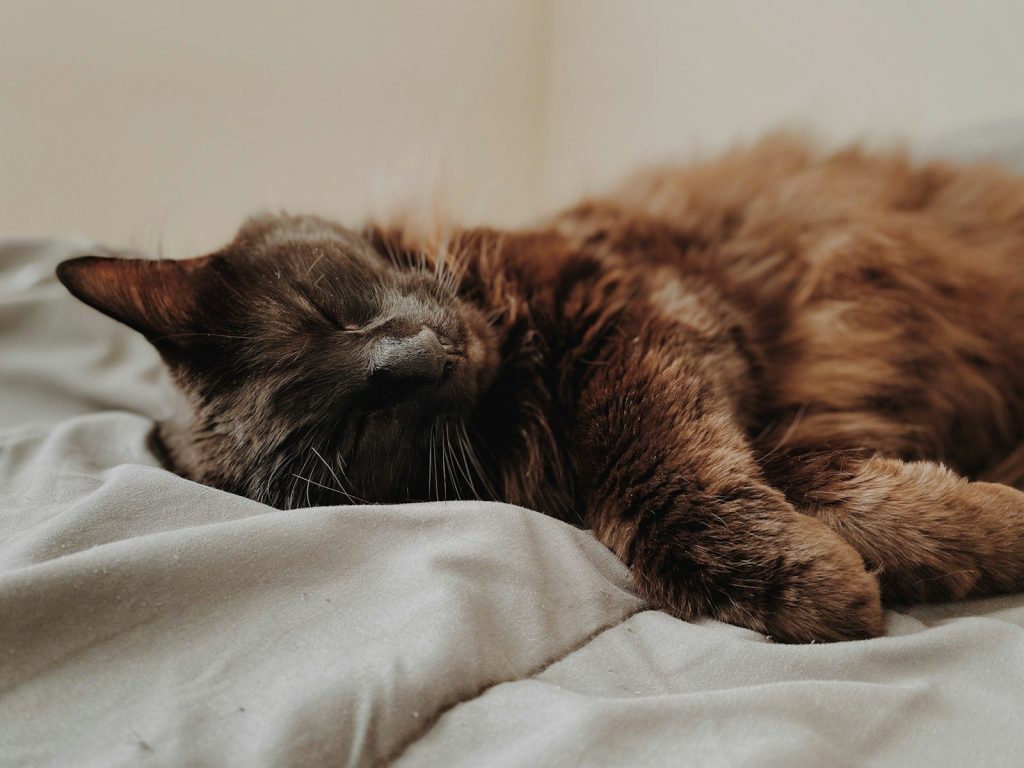
Consistency is your most powerful tool when managing nighttime behavior. Sticking to your routine tells your pet that the night is meant for sleeping. With a little patience, you will both enjoy peaceful rest.