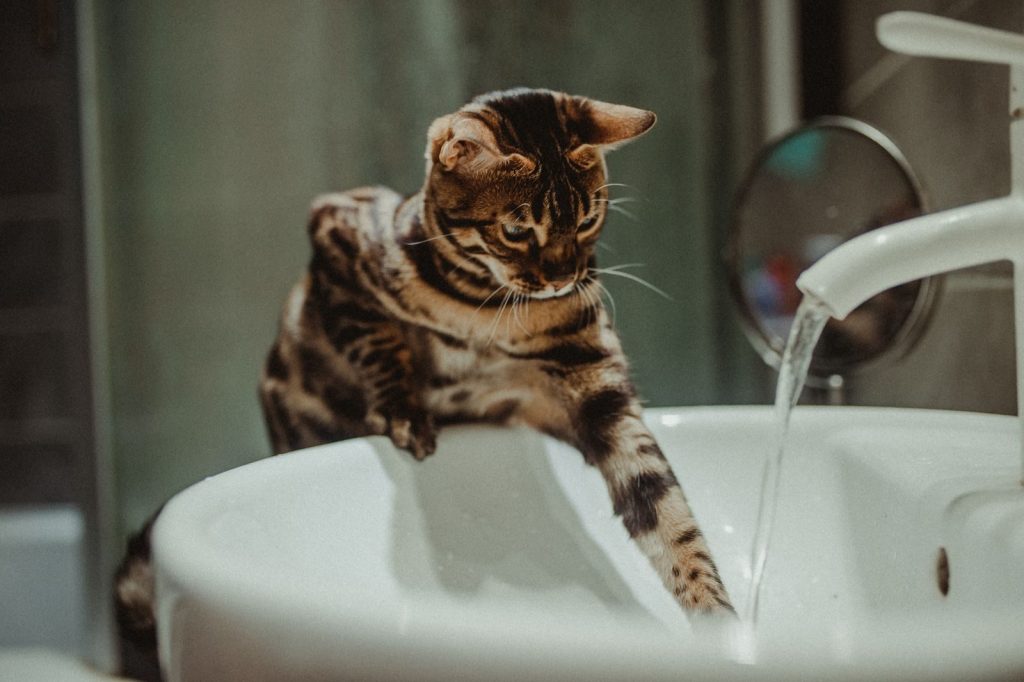

Most owners assume that cats always drink water directly from their bowls. We expect them to simply lap up liquid with their tongues.
But many felines surprise their humans by dipping their paws first. This funny behavior is actually driven by deep biological instincts.
Ancient Wild Protection Habits
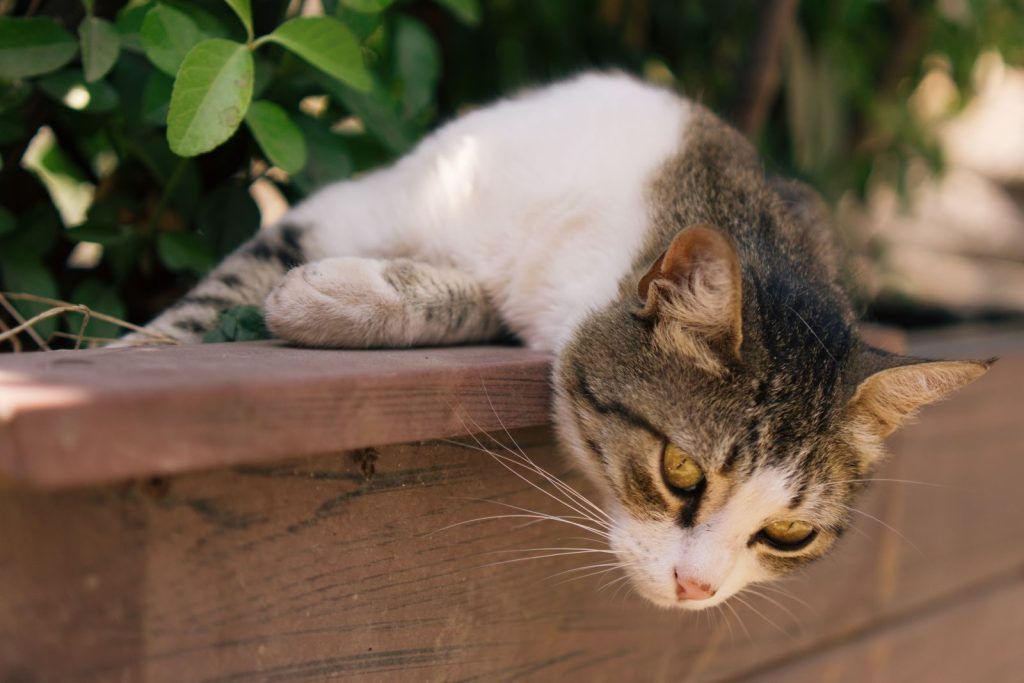
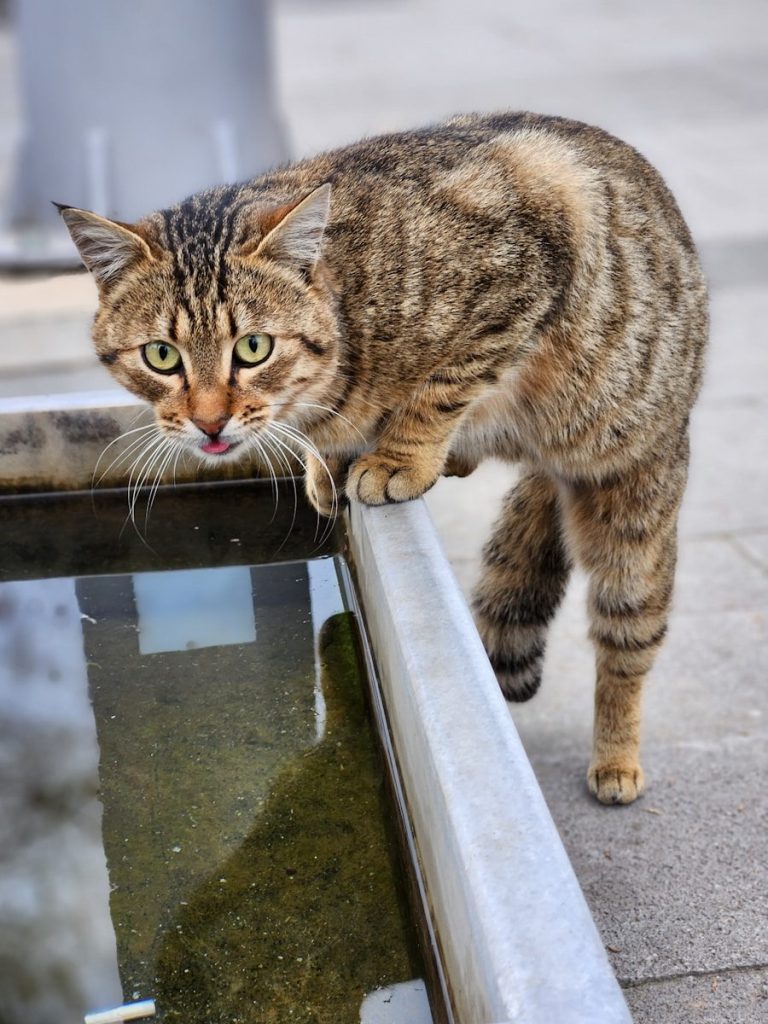
Wild felines always check the safety of their water sources before drinking. Nature is smart. According to studies from the Smithsonian Institution, wild cats avoid stagnant pools that might hide predators or harmful bacteria. Dipping a paw allows them to test the water for sudden movement. But this survival instinct still affects our domestic pets.
Struggles With Whisker Stress
Narrow bowls can cause physical discomfort when a cat tries to drink. Sensitivity is high. According to the Cornell Feline Health Center, whisker fatigue occurs when sensitive facial hairs rub against tight bowl edges. Cats use their paws to scoop water to avoid this unpleasant sensation. Yet this physical discomfort is not the only issue.
Finding Hidden Depth Levels
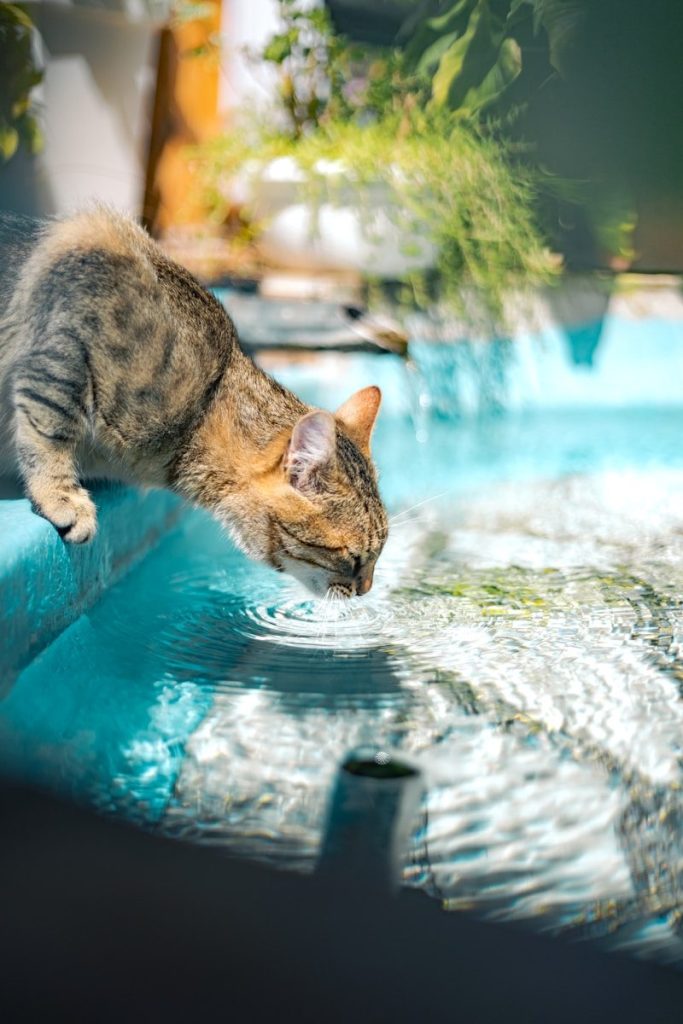
Cats struggle to see standing water that is completely still. Sight is unique. According to reports from the ASPCA, feline vision is highly tuned to detect motion rather than static objects. Pawing at the surface creates small ripples that help them judge the water level accurately. But there is another sensory reason for this behavior.
Exploring Sensory Liquid Play
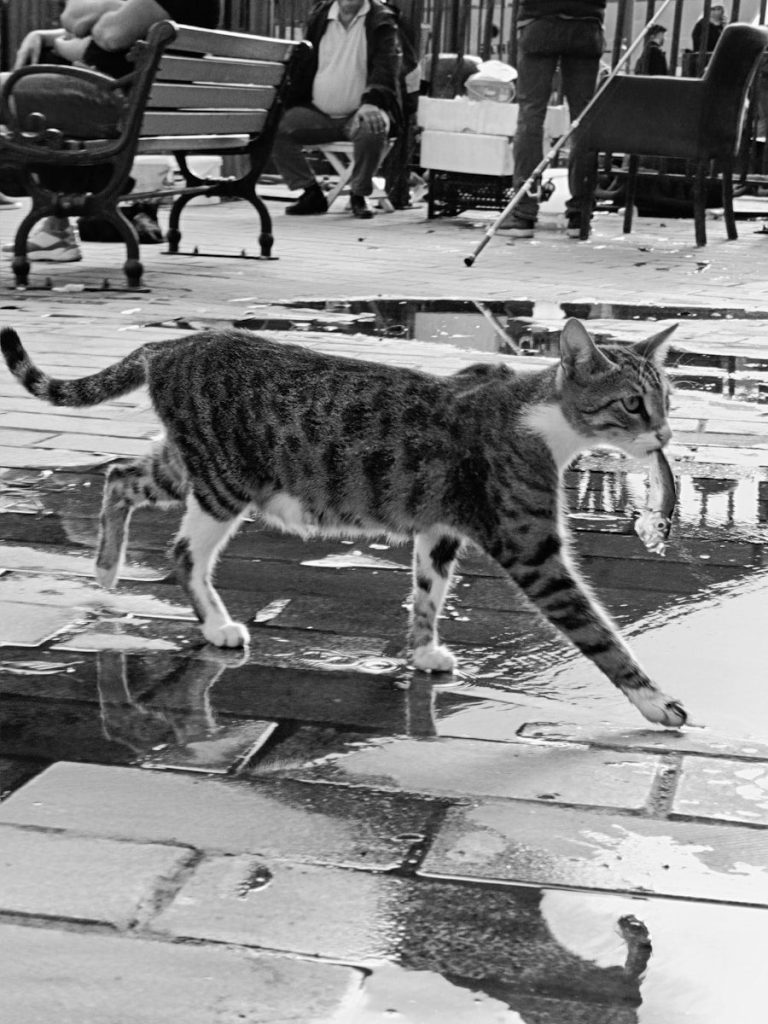
Young kittens often treat water bowls like a fun toy. Curiosity is natural. According to guidelines from the San Diego Humane Society, cats possess sensitive touch receptors on their paw pads. Tapping the cool liquid offers a highly stimulating sensory experience for growing minds. But this harmless play can sometimes lead to messy floors.
Upgrading To Feline Fountains
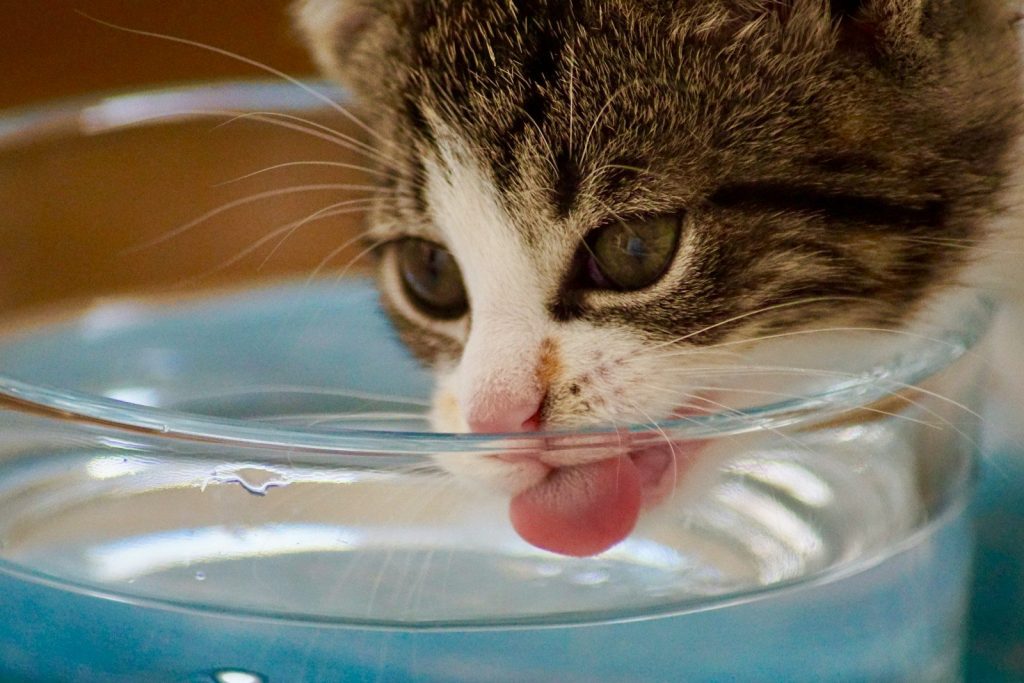
Moving water is highly attractive to a thirsty pet. Change is good. According to the American Association of Feline Practitioners, domestic cats prefer running water because it mimics clean forest streams. Installing a small pet fountain can immediately stop the messy paw dipping habit. But choosing the right bowl material is also critical.
Selecting Wide Ceramic Bowls
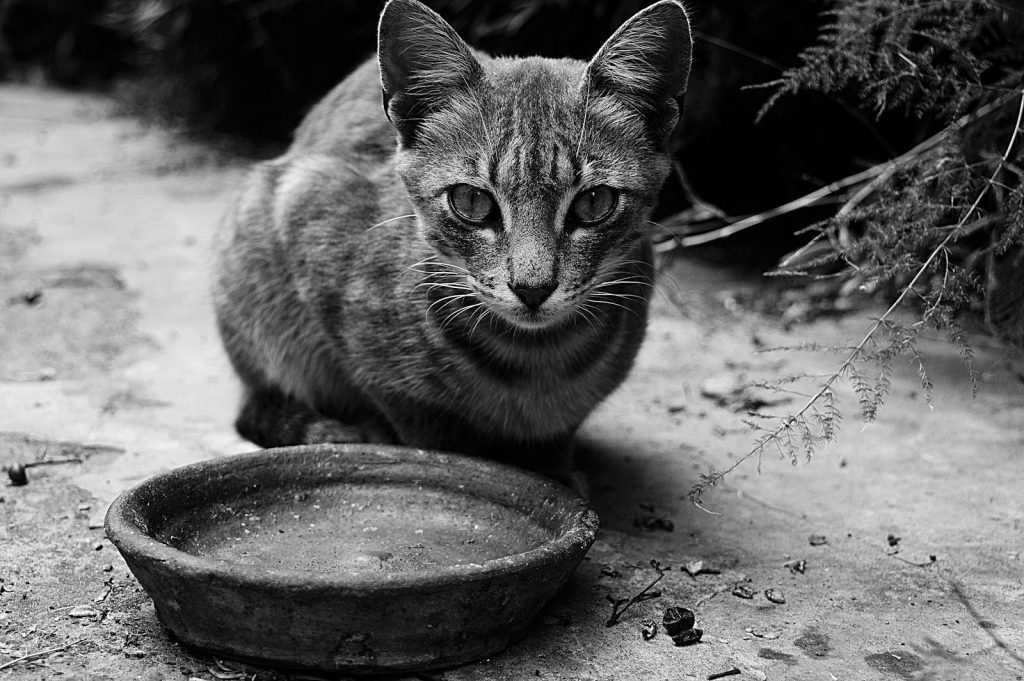
Replacing deep plastic cups can make a massive difference in your kitchen. Comfort brings peace. According to the American Veterinary Medical Association, wide metal or ceramic dishes prevent painful whisker friction entirely. Keep the bowl filled to the very brim so your pet can reach it easily. But what if the behavior continues?
Consulting Feline Behavior Experts
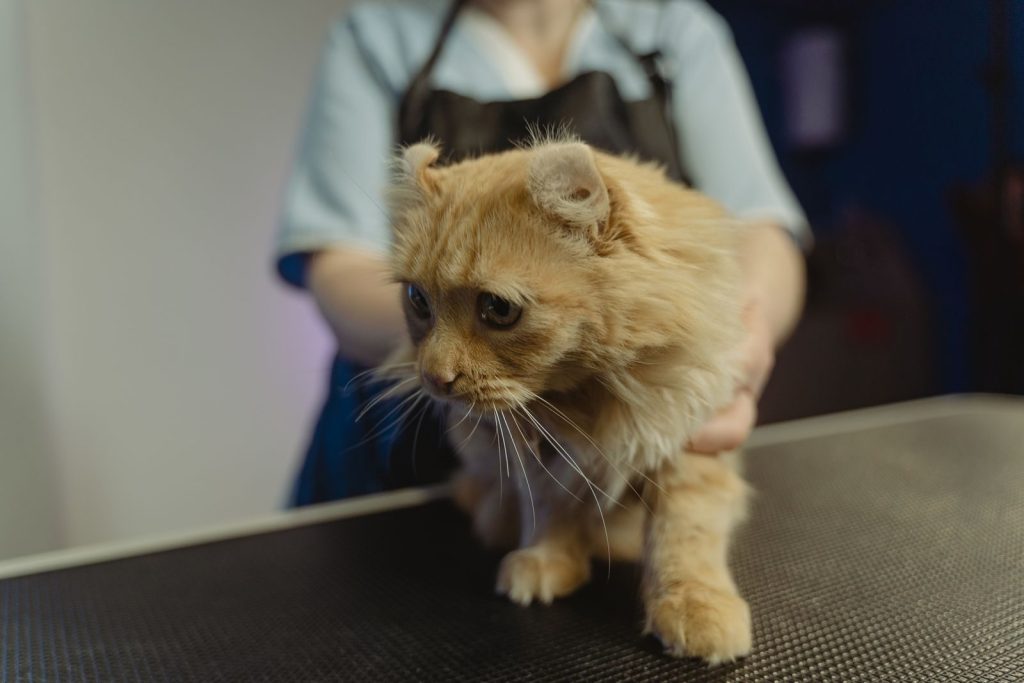
Sudden changes in how your pet drinks require careful observation. Stay very alert. According to the Cornell Feline Health Center, increased water consumption can sometimes point to kidney issues or diabetes. Contact your local clinic if your pet starts spending hours at the bowl. But understanding their natural quirks is usually the best solution.
Keeping Your Pet Refreshed
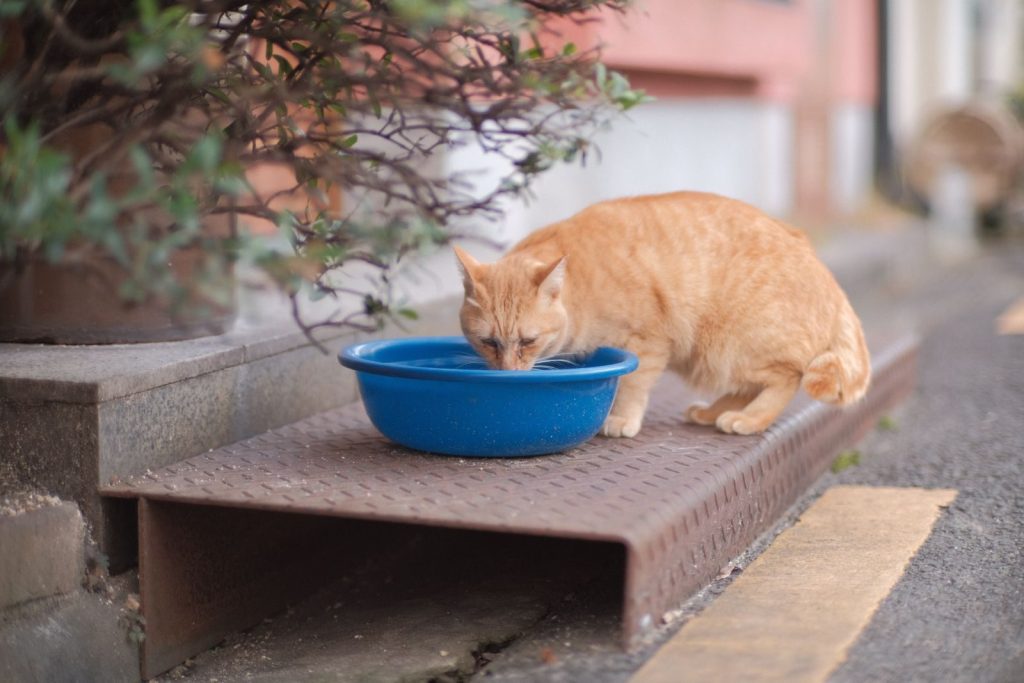
Providing clean water daily keeps your beloved companion healthy and active. Hydration is vital. According to the American Association of Feline Practitioners, healthy drinking habits support excellent digestion and organ function. Ensure your pet always has access to fresh bowls. This article is for informational purposes only and does not constitute veterinary advice.
Featured Image: Photo by Helena Jankovičová Kováčová on Pexels