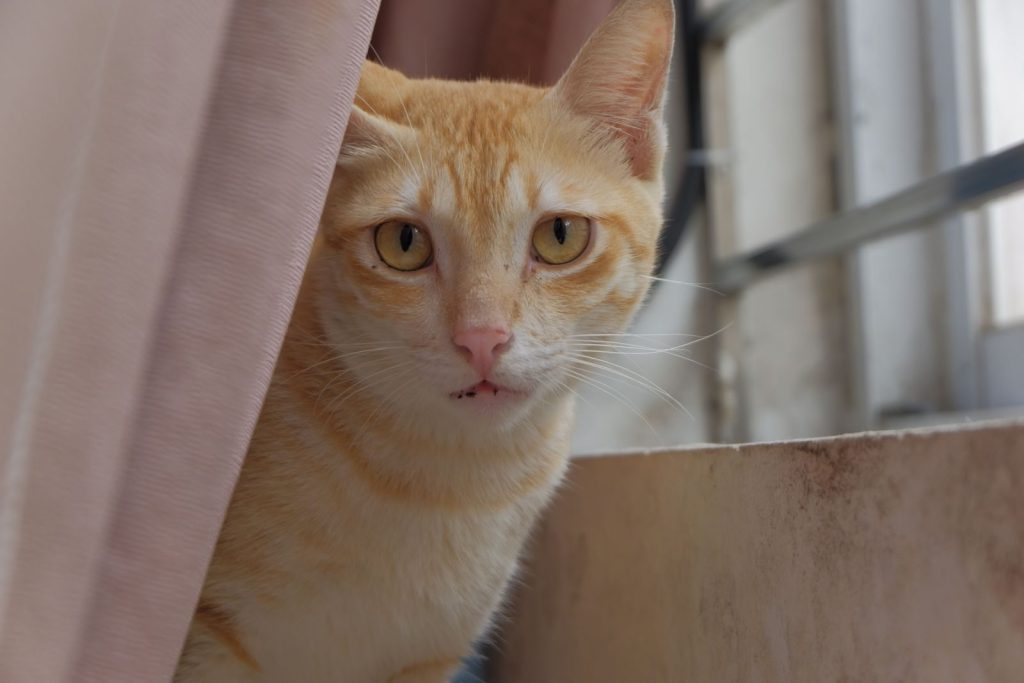

Cat owners often find funny pet expressions humorous during routine daily moments. People expect strange litter box behavior to be a simple quirky habit.
But sudden wide eyes and frozen postures during bathroom visits can reveal underlying discomfort. Understanding subtle feline body language helps protect your pet’s long-term wellness.
Observing Sudden Staring Postures
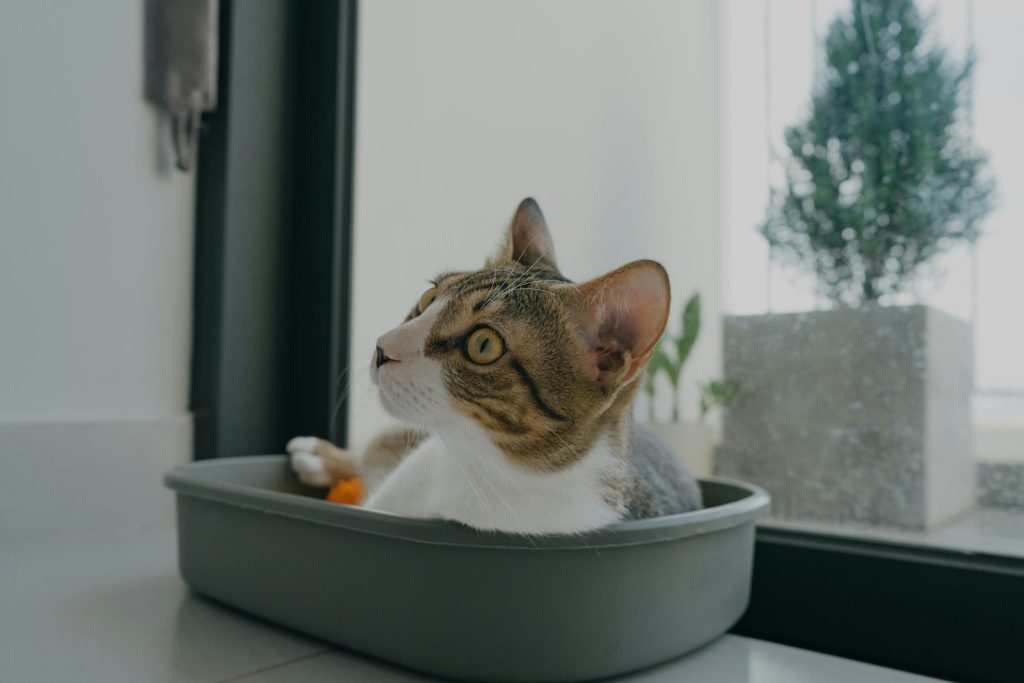
A pet owner noticed her cat standing completely still inside the litter tray with wide eyes. Attention was required. According to feline medicine reports from the Cornell Feline Health Center, unusual postures during elimination often signal physical distress rather than playfulness. The cat remained frozen for nearly two full minutes. Further inspection revealed a hidden issue.
Identifying Feline Urinary Distress

Unusual facial expressions while using the tray frequently point to lower urinary tract discomfort. Action is vital. According to veterinary health guidelines from the American Veterinary Medical Association, strain or discomfort while urinating requires prompt professional evaluation. The feline stepped out of the box while looking back nervously. Her owner scheduled a clinic visit.
Evaluating Common Physical Causes

Veterinarians check for conditions like idiopathic cystitis, urinary crystals, or bacterial issues during exams. Care matters most. According to clinical diagnostic studies from UC Davis, early treatment prevents minor urinary irritation from escalating into dangerous blockages. The veterinary team performed targeted diagnostic testing. Results provided clear medical answers.
Recognizing Subtle Behavior Changes
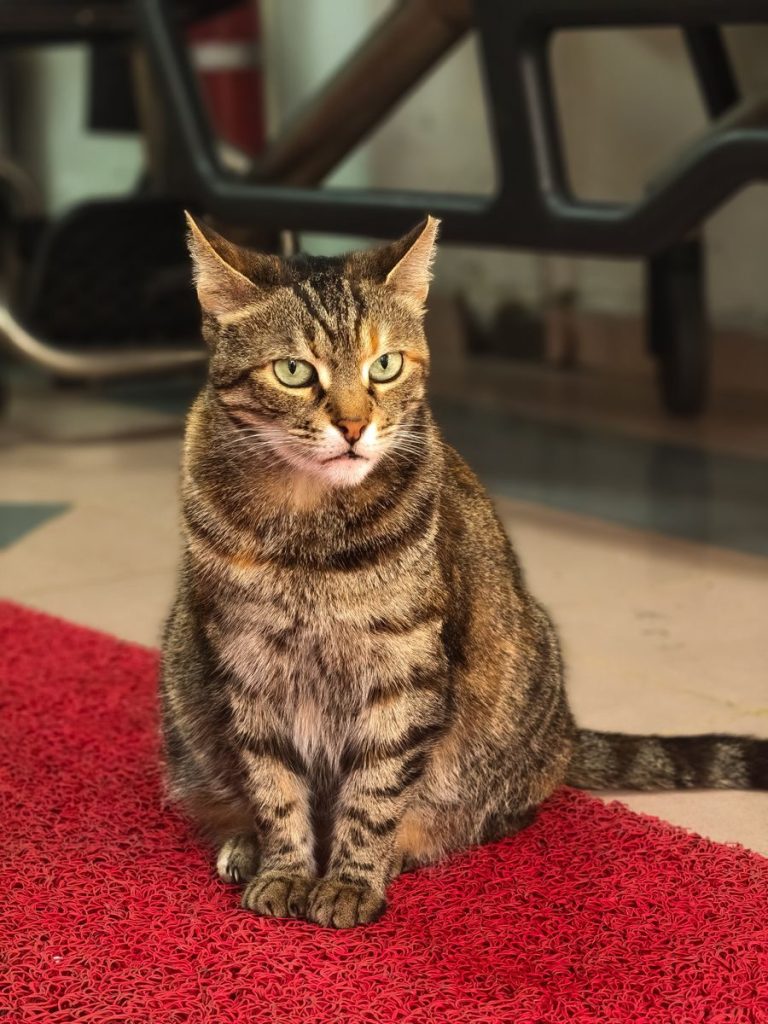
Cats hide illness instinctually, making small shifts in expression very significant indicators of health. Observation is key. According to animal welfare research from the ASPCA, changes in bathroom habits remain the most reliable early warning sign for owners. The vet prescribed specific medication to ease discomfort. Relief started almost immediately.
Increasing Daily Hydration Levels
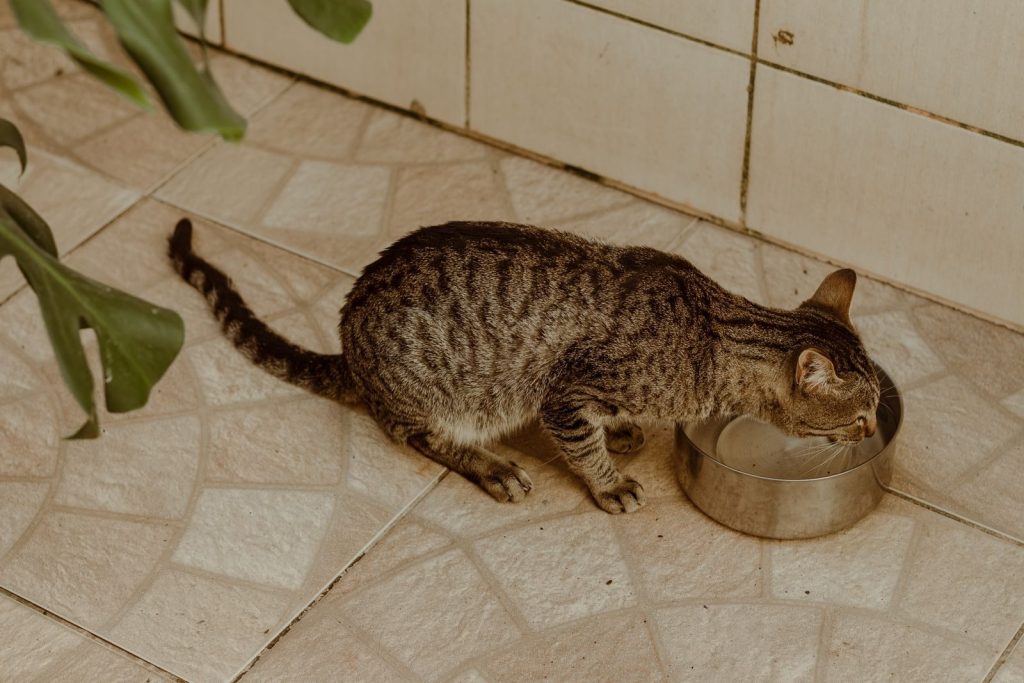
Boosting water intake plays a crucial role in preventing recurrent feline urinary issues. Water promotes healing. According to nutritional guidelines from the Cat Fanciers Association, adding wet food or water fountains encourages healthy hydration habits. The cat began drinking more fresh water daily. Another environmental change was recommended.
Optimizing Litter Box Setup
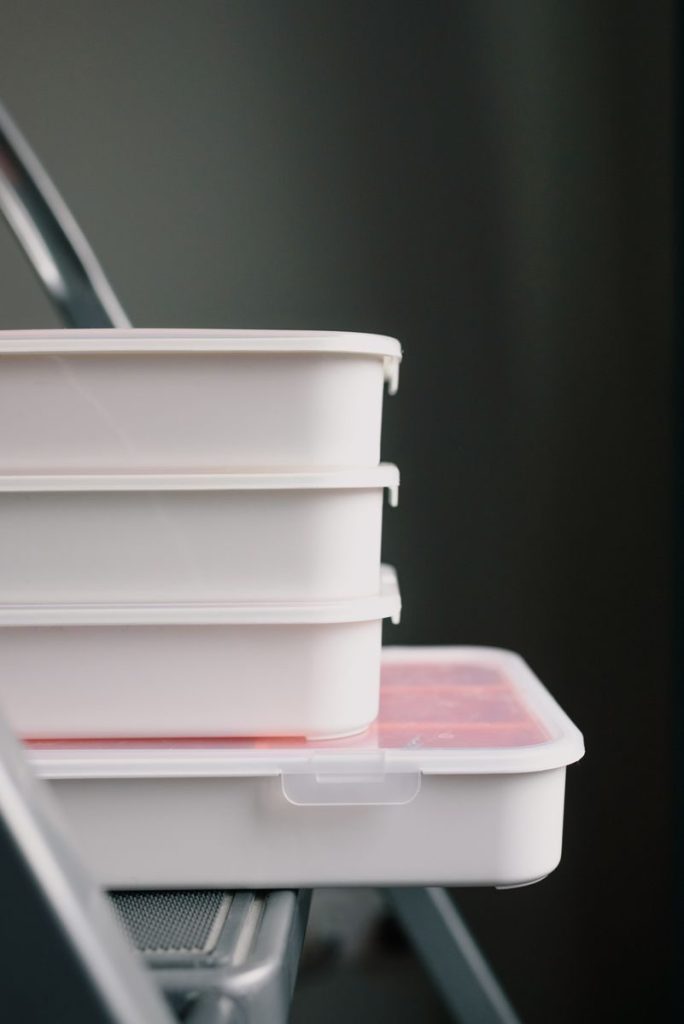
Location and cleanliness of litter trays directly affect feline stress levels and health. Setup is essential. According to behavior guides from the Humane Society, providing one extra box per cat reduces anxiety around elimination. The owner added a second box in a quiet room. The feline adjusted smoothly.
Monitoring Recovery Progress Daily
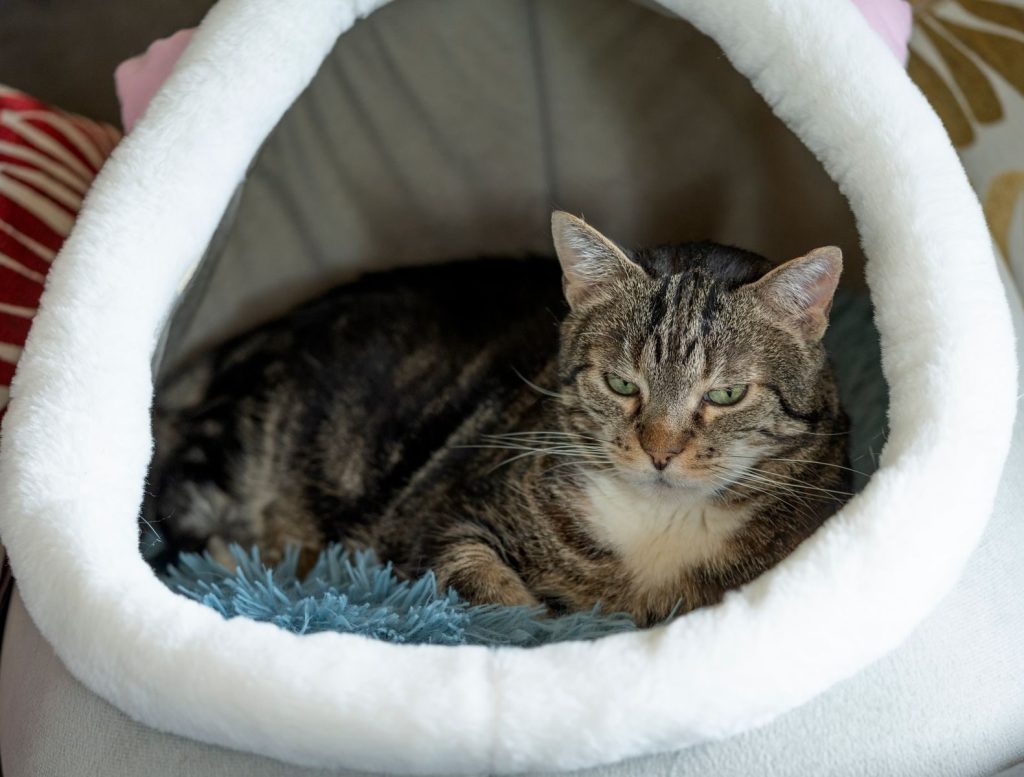
Following medical treatment and environmental changes, the cat returned to comfortable daily bathroom habits. Health was restored. According to veterinary follow-up protocols from Tufts University, tracking litter box activity ensures lasting recovery in domestic pets. The wide-eyed expressions disappeared completely. The owner shared an important warning.
Protecting Long-Term Pet Health
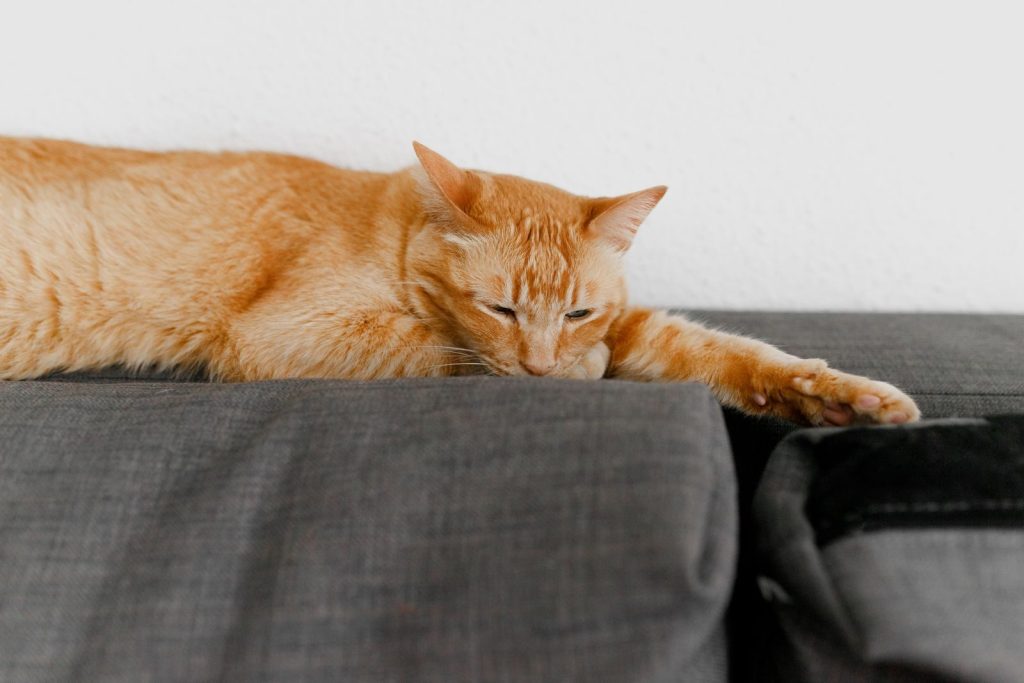
Paying close attention to subtle feline behavior changes saves lives and prevents unnecessary suffering. Vets guide owners. Responsible pet care relies on prompt action whenever unusual habits arise. According to medical and veterinary experts, regular checkups maintain happy and healthy indoor cats. This article is for informational purposes only and does not constitute medical advice.
Featured Image: Photo by Cá Hay Cáu on Pexels


