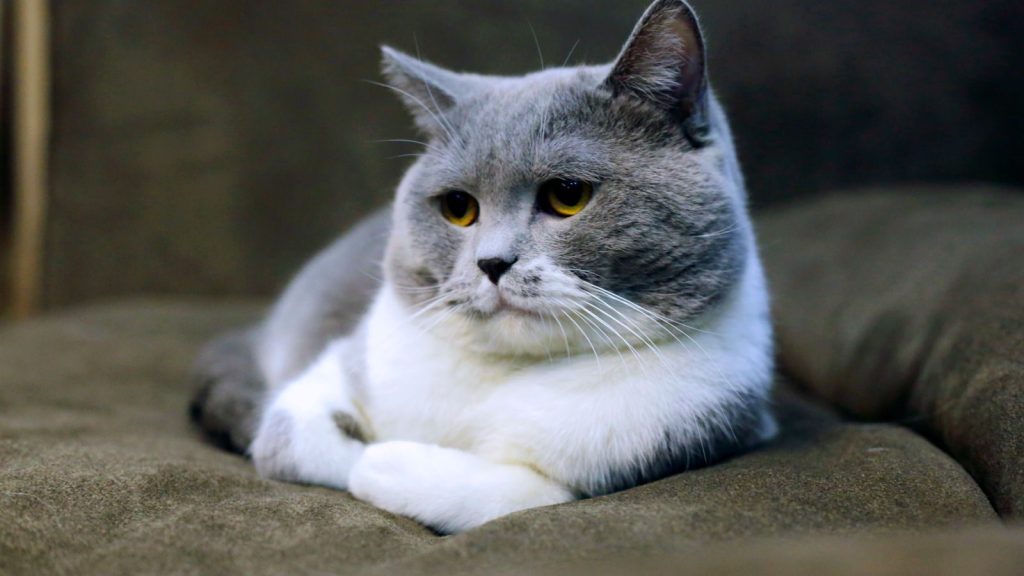

Many people believe that cats express affection through enthusiastic greetings like household dogs. We expect pets to show obvious physical excitement whenever owners enter the room.
But feline affection often appears through very quiet behavioral signals that owners miss. Understanding these subtle visual cues deepens the bond between people and pets.
Blinking Slow Gazes
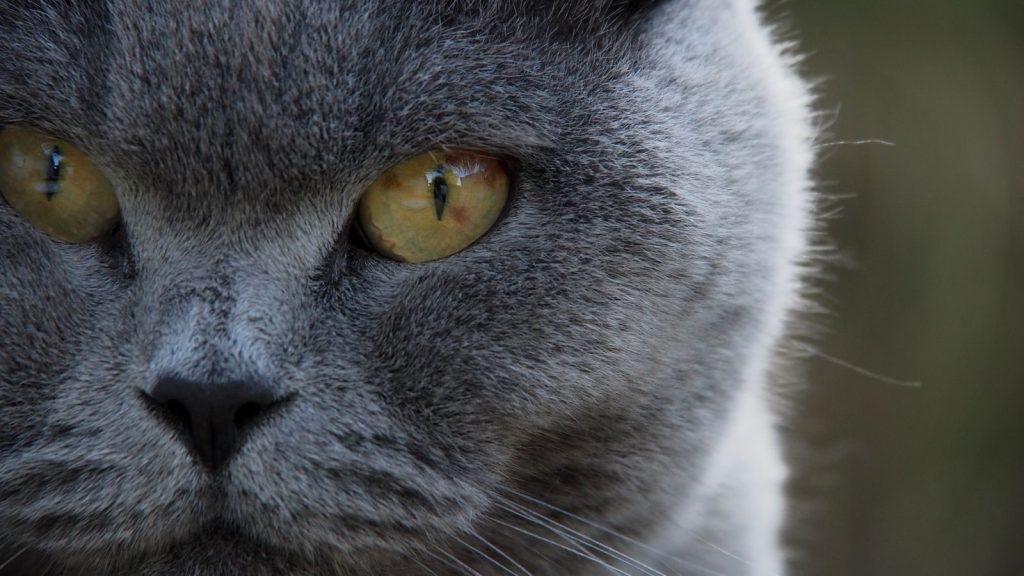
Narrowing eyelids slowly while looking at an owner communicates peaceful trust and safety. Soft eyes show comfort. According to feline behavior specialists, slow blinking acts as a feline version of a warm smile. That gentle eye movement signals total relaxation in your presence. But body position also reveals deep affection.
Showing Vulnerable Bellies
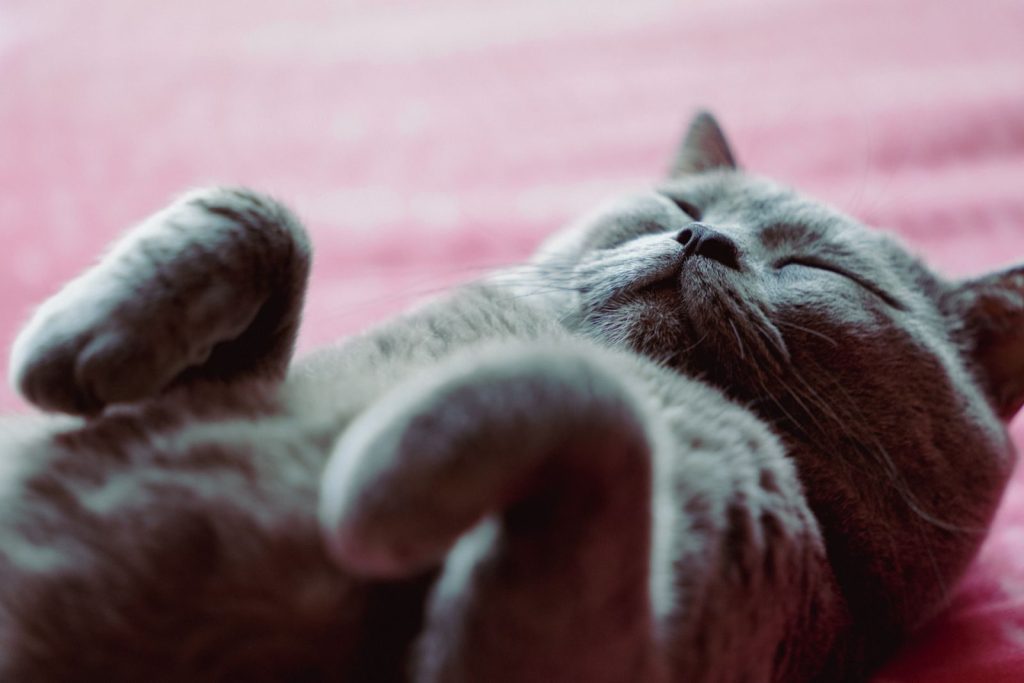
Rolling over to expose the abdomen demonstrates complete trust in household companions. Safety drives behavior. According to veterinary behaviorists, displaying the sensitive belly area shows that a cat feels entirely secure. That posture is a sign of trust rather than an invitation for belly rubs. Yet another physical signal involves scent marking.
Bunting Facial Scents

Rubbing cheeks against human ankles or hands transfers natural scent markers to trusted family members. Scent builds family bonds. According to feline welfare researchers, head bunting marks humans as part of the cat’s safe social group. That scent sharing creates a shared scent identity. But tail posture offers another key signal.
Raising Upright Tails

Approaching with an upright tail that curves gently at the tip indicates a happy greeting gesture. Tail posture shows mood. According to international feline medicine experts, a raised tail expresses friendly confidence and eagerness to connect. That subtle gesture signals a warm welcome home. But vocal sounds also play a role.
Chirping Friendly Sounds
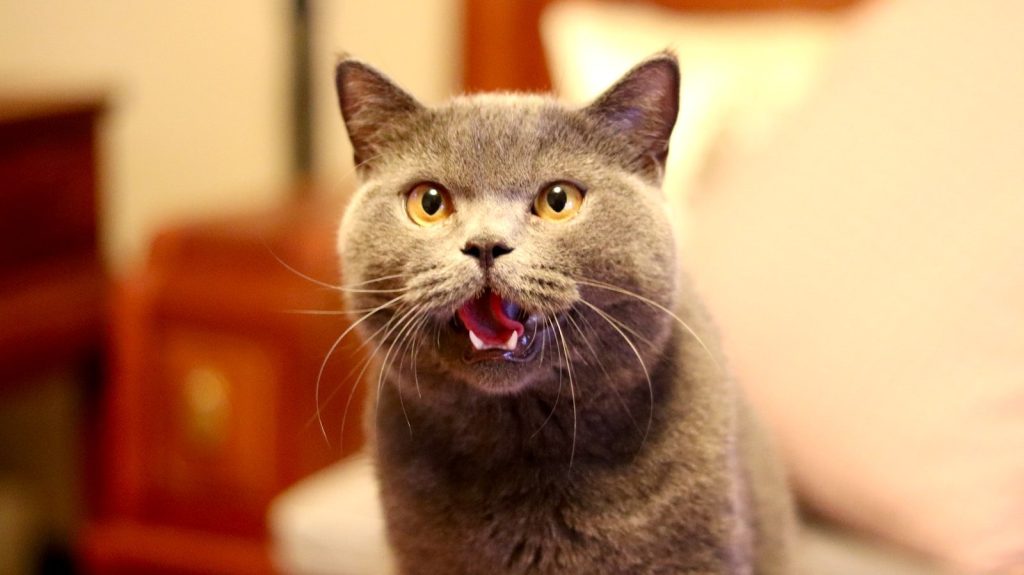
Soft trills and high chirps serve as friendly greetings reserved specifically for human family members. Sound expresses emotion. According to animal communication researchers, cats develop unique vocalizations to converse with their owners. That vocal effort shows dedicated attachment. Yet sitting nearby holds equal meaning.
Sitting Beside Owners

Choosing to sleep in the same room maintains quiet proximity without needing constant touch. Presence means connection. According to pet behavior studies, cats express love simply by sharing quiet space with trusted people. That quiet companionship reflects deep emotional security. But how can owners respond effectively?
Mirroring Feline Cues
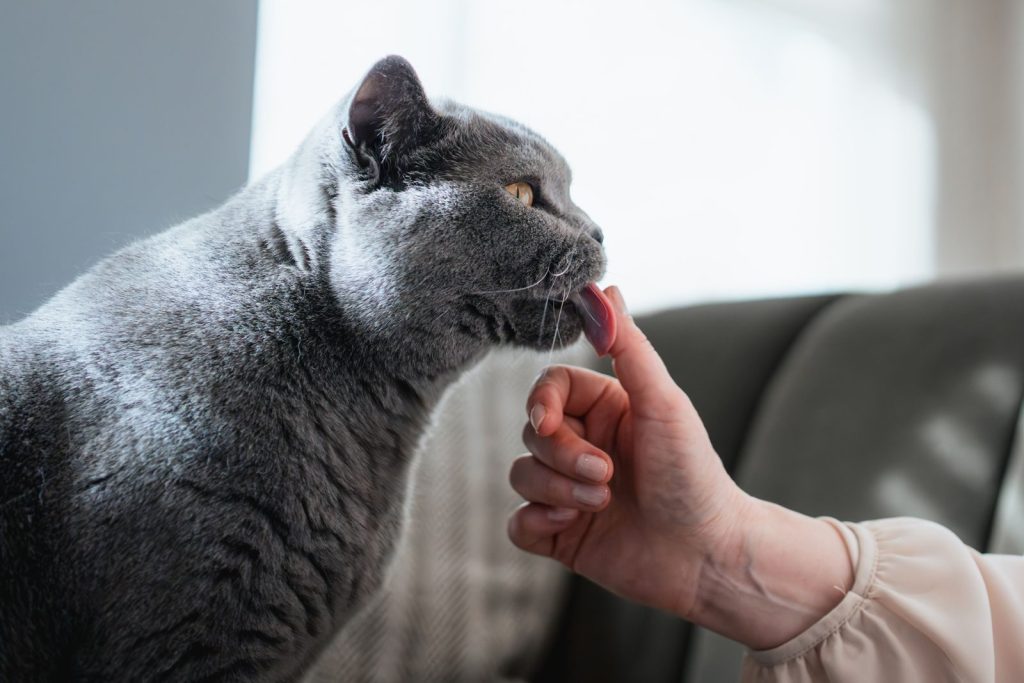
Returning slow blinks and using gentle speaking tones strengthens mutual trust significantly. Respect builds harmony. According to veterinary health experts, responding with gentle body language lowers pet anxiety levels. That mutual understanding enhances overall pet wellness. That brings us to long-term relationship benefits.
Strengthening Human Bonds
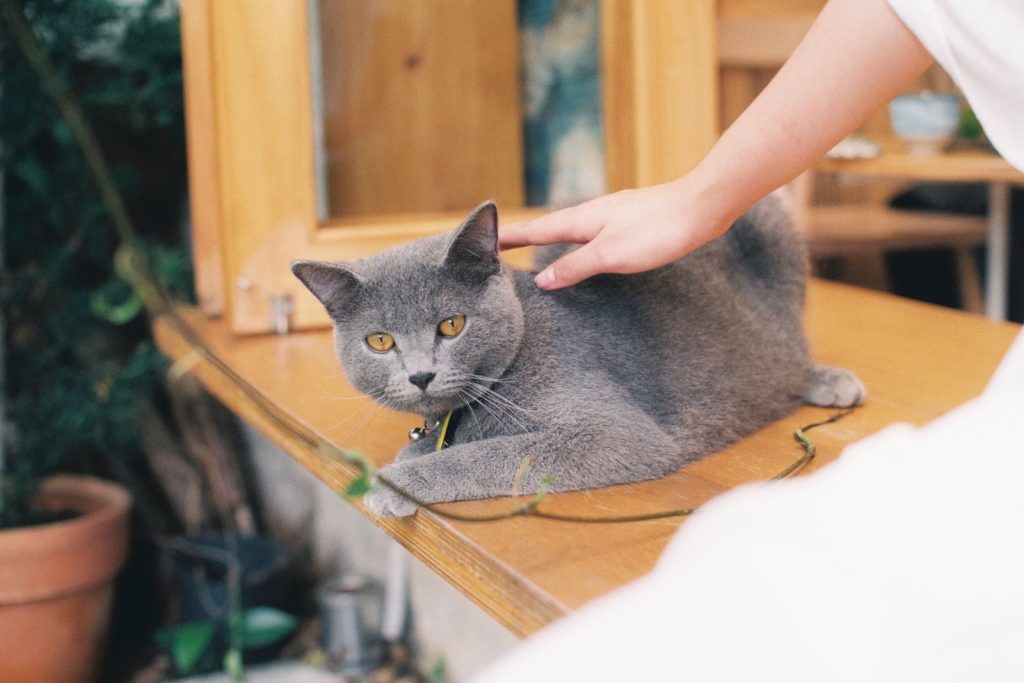
Learning feline communication allows owners to build richer relationships with their companion animals. Mutual respect keeps household cats emotionally healthy and happy. According to veterinary behavior experts, attentive care leads to lifetime companionship. This article is for informational purposes only and does not constitute veterinary advice.