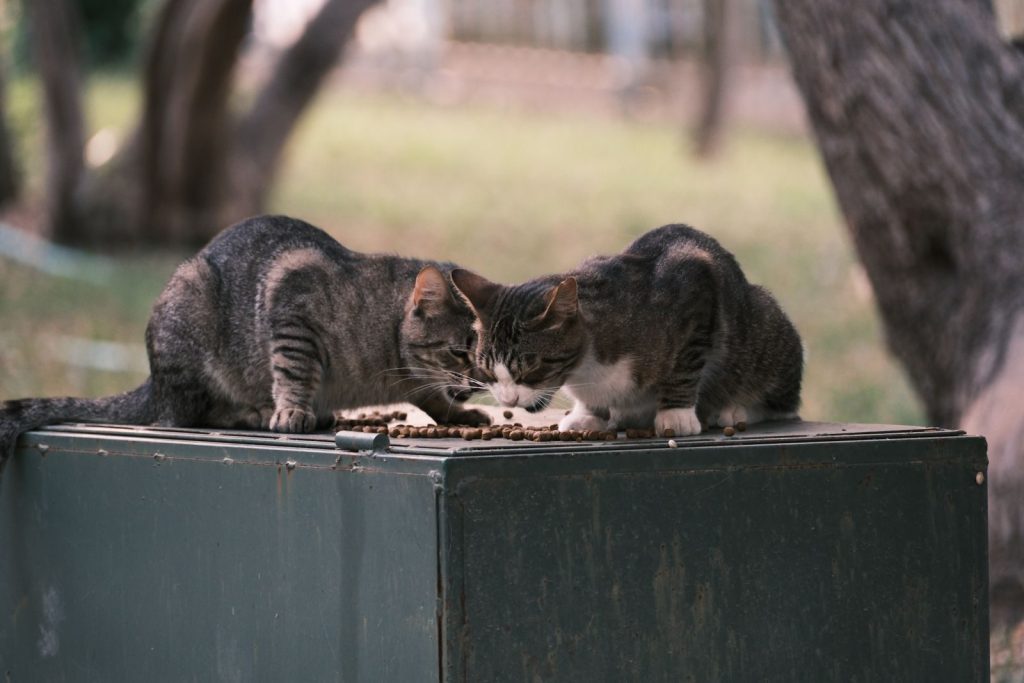

Researchers at Japan’s Iwate University have found evidence that smell can influence how much cats eat during repeated meals.
In the experiment, interest gradually declined when the same food and smell kept returning. Changing the odor could renew eating even when the underlying food stayed the same.
Twelve Cats Joined the Experiment

The Iwate University team studied 12 cats. Each animal was offered food six times at regular intervals, with ten-minute breaks separating the feeding sessions.
Repeated Food Lost Appeal
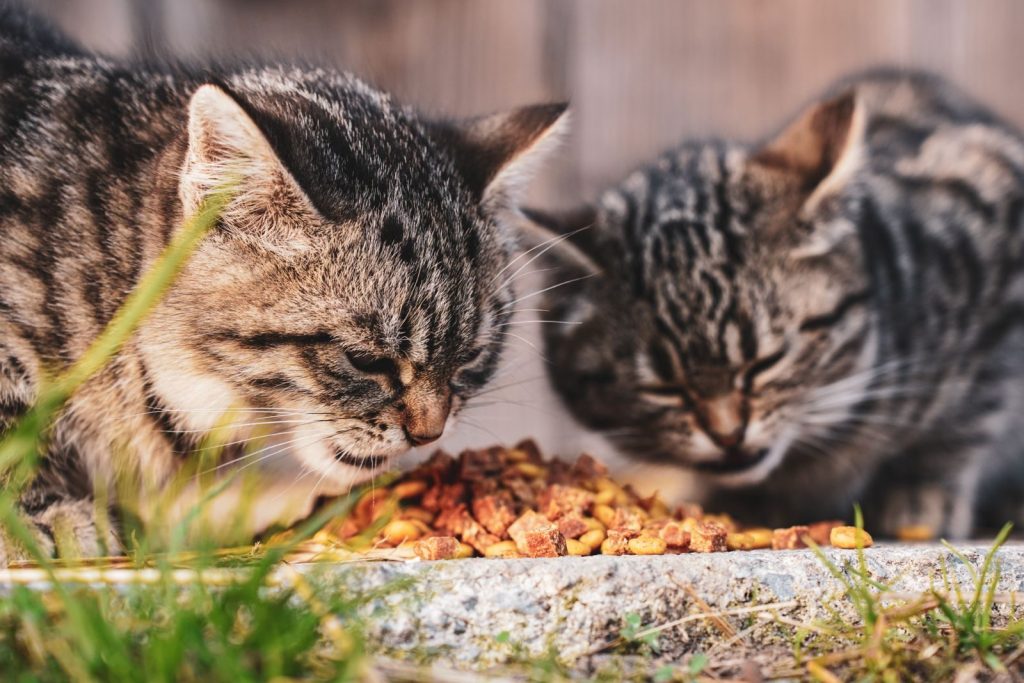
When researchers supplied the same food at every session, the amount the cats consumed progressively declined. The result suggested that something beyond simple hunger and fullness might be affecting interest in the repeated meal.
Different Food Renewed Eating

When a different food appeared during the sixth feeding, intake increased again. The change suggested that novelty could restore some of the interest lost during repeated exposure.
A New Smell Also Worked
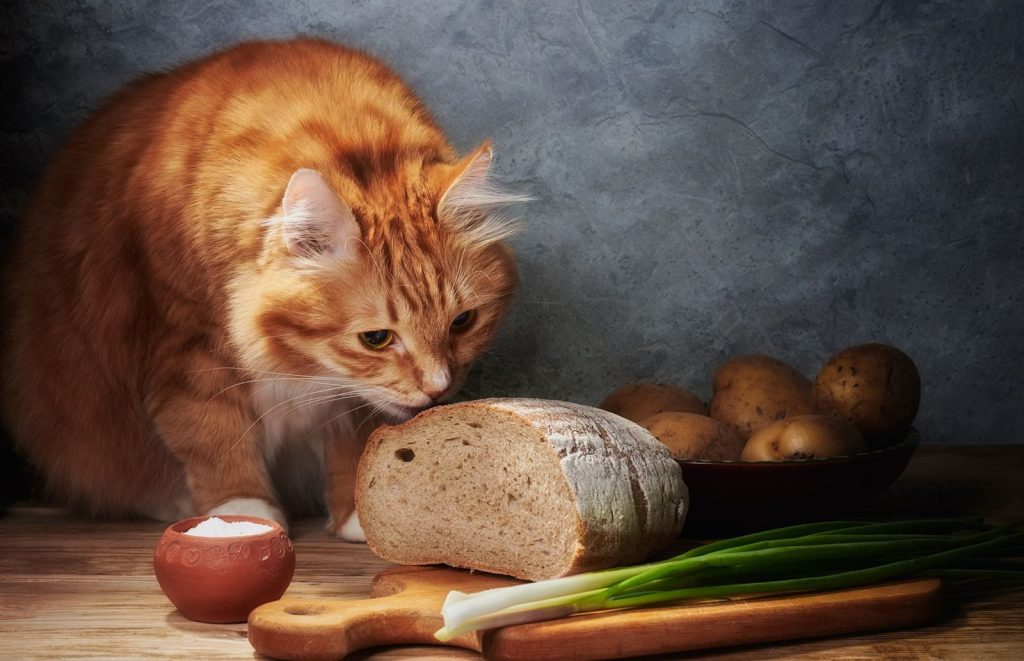
Researchers then altered the smell while keeping the food itself the same. The cats’ intake recovered again, providing particularly strong evidence that odor was contributing to their changing feeding behavior.
Cats Habituated to Familiar Odors
The researchers described the process as olfactory habituation. With continued exposure, sensitivity or behavioral interest in the same smell decreases, contributing to a weaker response.
Novel Odors Restored Interest

Introducing a different scent produced “dishabituation,” meaning the new stimulus restored attention. Cats exposed to changing odors between meals maintained greater food intake than cats repeatedly exposed to the same smell.
The Finding Could Help Sick Cats
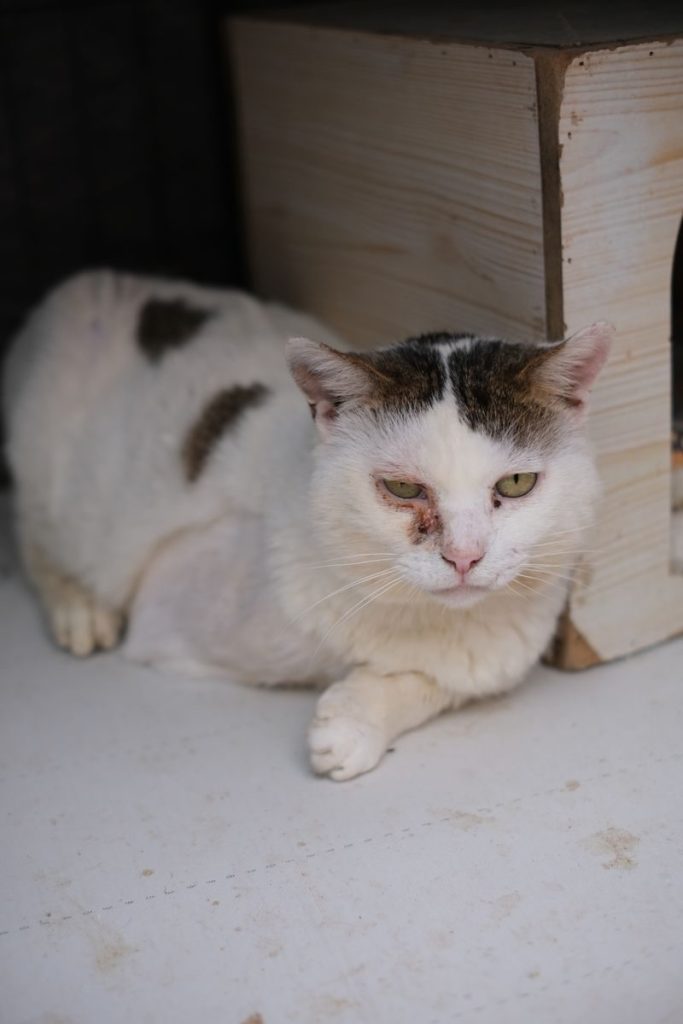
The research may eventually help inform feeding strategies for older or unwell cats experiencing reduced appetite. Study leader Masao Miyazaki also suggested the findings could contribute to future pet-food development.
Appetite Loss Still Needs a Veterinarian
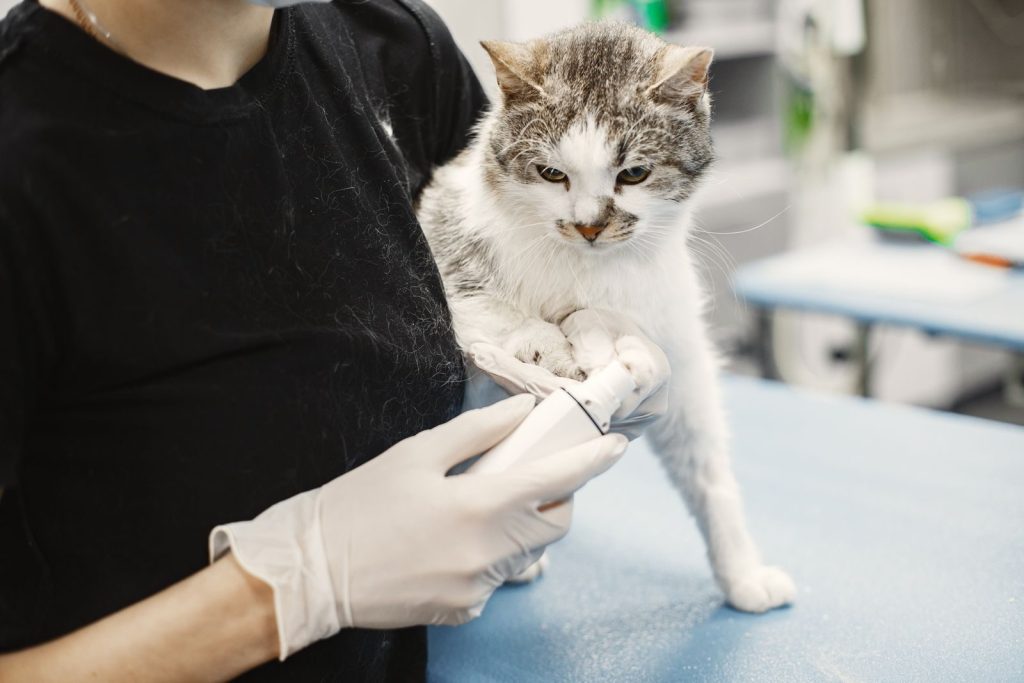
Owners should not assume a sick cat simply needs a new flavor. Reduced appetite can accompany serious illness, and prolonged failure to eat can itself become dangerous. Sudden or persistent appetite changes deserve veterinary attention even when smell appears to influence food interest.
Featured Image: Photo by Doğan Alpaslan Demir on Pexels