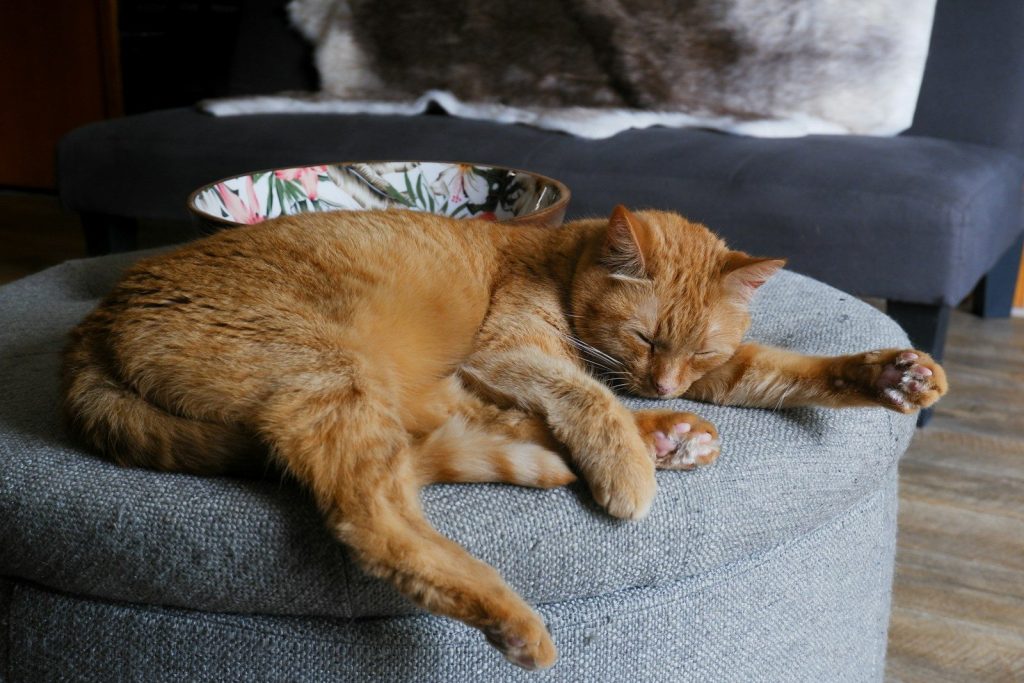

Watching our beloved feline companions grow old is a beautiful but difficult journey. We want them to stay with us forever.
Eventually, every pet owner must face the quiet signs of their pet’s final days. How do cats tell their owners they are preparing to say goodbye?
Seeking Complete Isolation
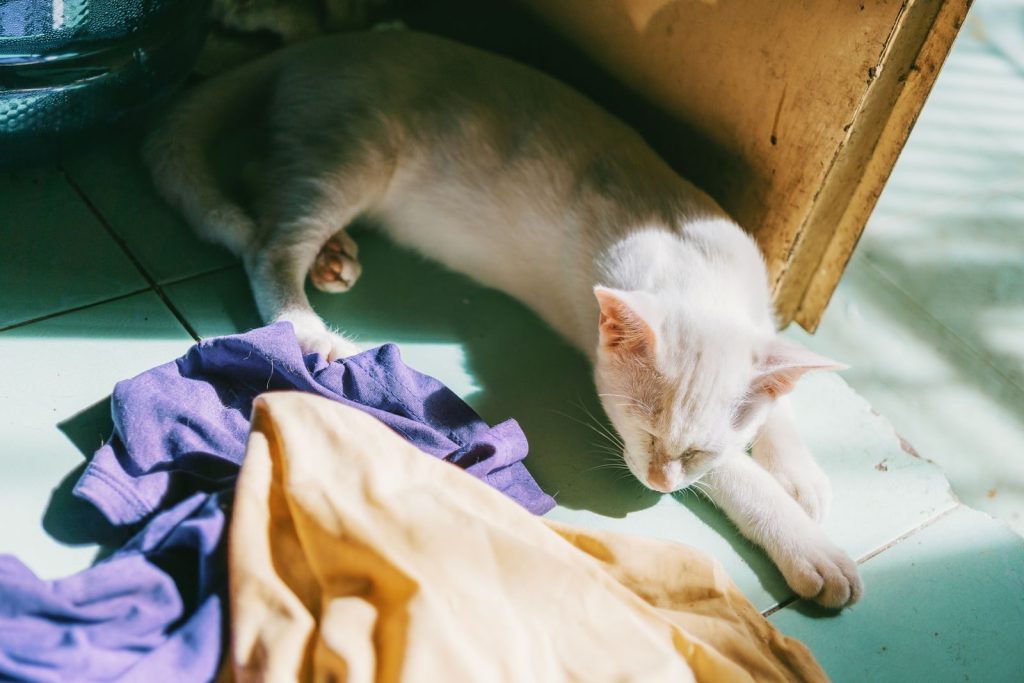
Senior felines often seek quiet, dark spaces to rest when their bodies begin to fail. They hide. If your normally social pet starts sleeping under the sofa or deep inside closets, pay close attention. This behavior is a natural instinct to protect themselves when they feel weak. Recognizing this withdrawal is critical for their daily comfort. But there is another vital physical change to monitor.
Extreme Sudden Weight Loss

Aging cats often lose their appetite, leading to severe and rapid weight loss. Their muscles weaken. According to the Cornell Feline Health Center, organ systems slowly shut down in their final weeks of life. This natural process makes eating food difficult or painful for them. You might also notice a major change in their daily drinking habits.
Shifts In Body Temperature
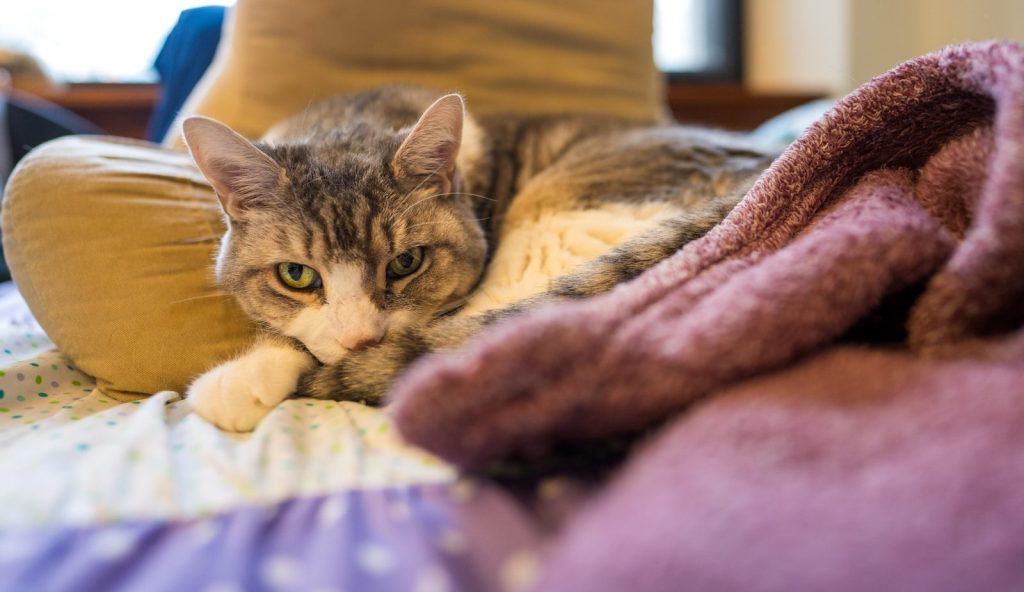
Felines struggle to regulate their body temperature as they near the end of life. Their paws may feel cold. Their ears and nose can lose their usual warmth as circulation slows down. Keeping them warm with soft blankets or gentle heating pads can provide immense comfort during these quiet days. Another behavioral change involves their grooming routine.
Neglecting Their Beautiful Fur
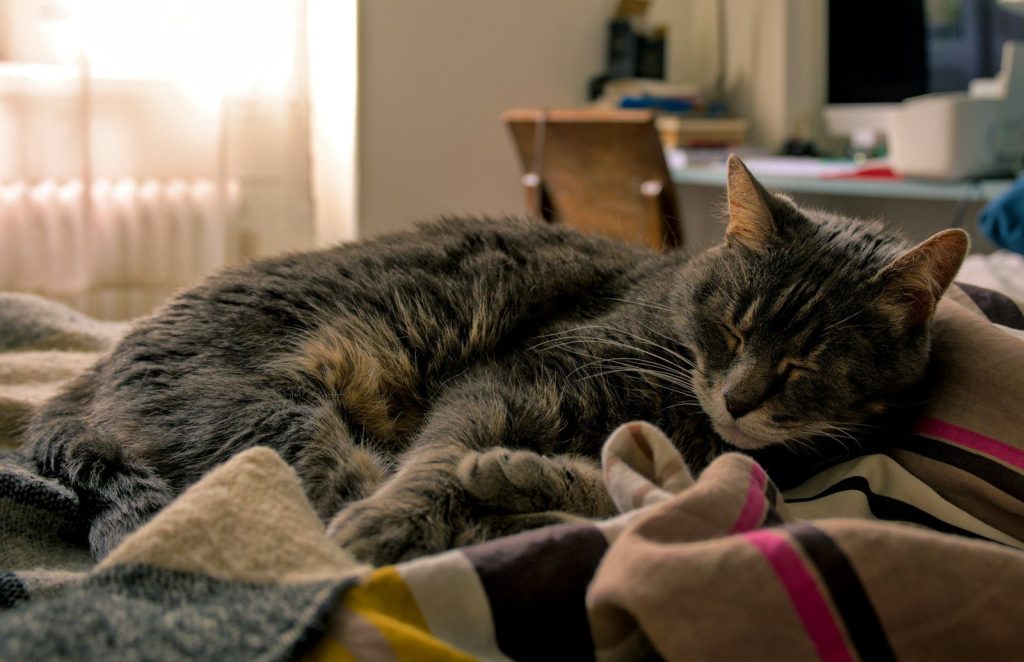
Senior cats often stop grooming themselves entirely, causing their fur to look matted and dusty. They are tired. This lack of self-care is a clear indicator of low energy and physical pain. You can gently brush their coat to help them stay clean and comfortable. This soft grooming session is a wonderful way to offer comfort. But their breathing can also show clear signs.
Labored And Heavy Breathing
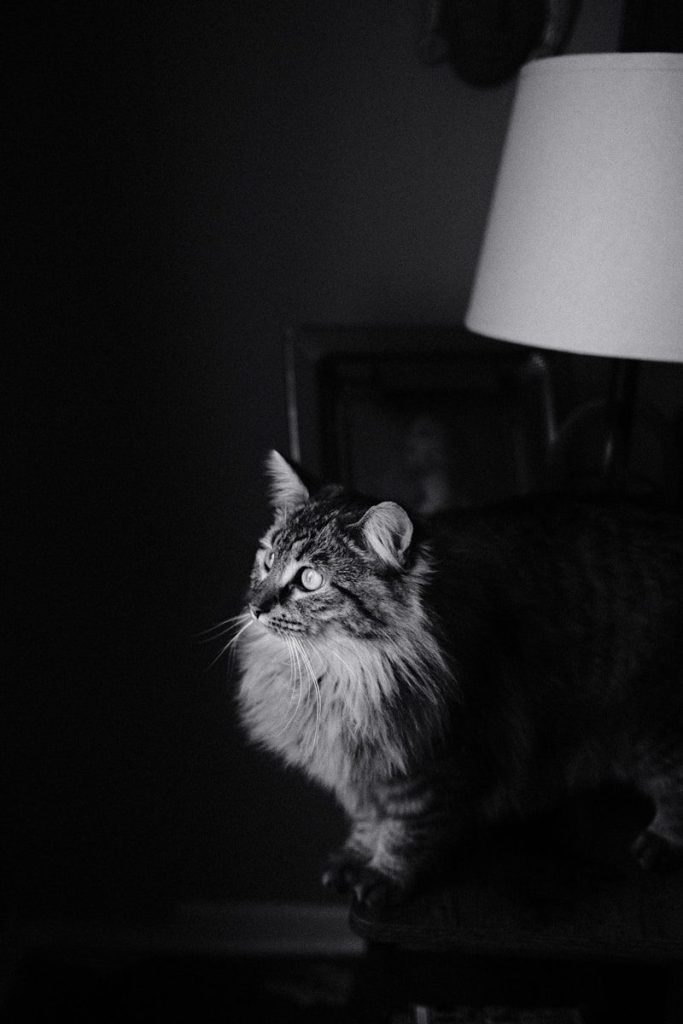
Watch your pet’s chest for any signs of rapid, shallow, or heavy breathing. This is alarming. According to reports from the American Veterinary Medical Association, respiratory distress is common in aging animals. They might open their mouths to breathe as their hearts weaken. Your prompt action can prevent unnecessary suffering during these critical hours.
Consult Your Family Veterinarian
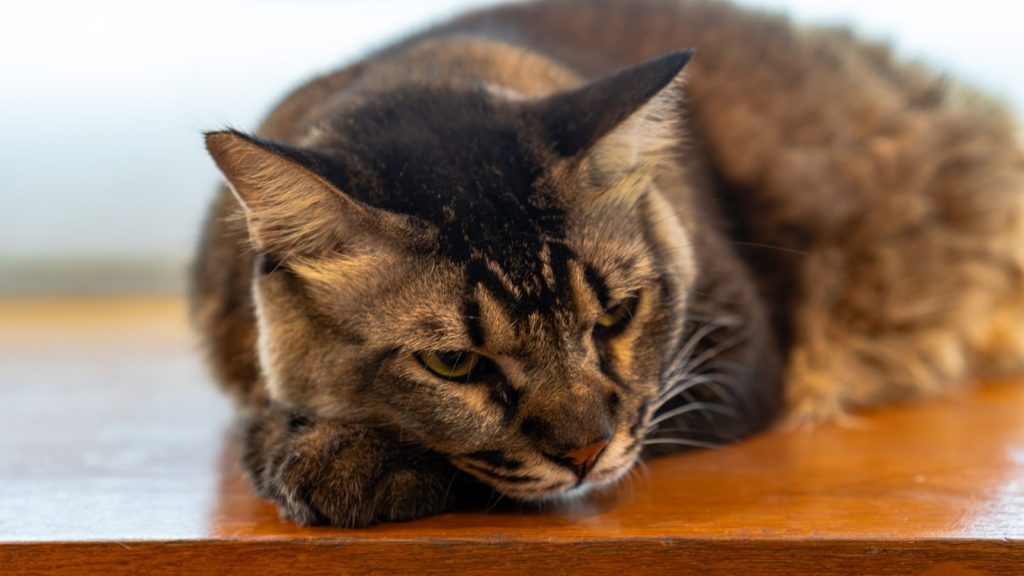
Reach out to your family veterinarian immediately if you notice these critical signs of decline. They can help. Doctors can evaluate your pet’s pain levels and discuss peaceful hospice care options. This support ensures your companion remains comfortable and pain-free during their final days. Always focus on providing a calm, loving environment for your pet.
Comforting Them With Love
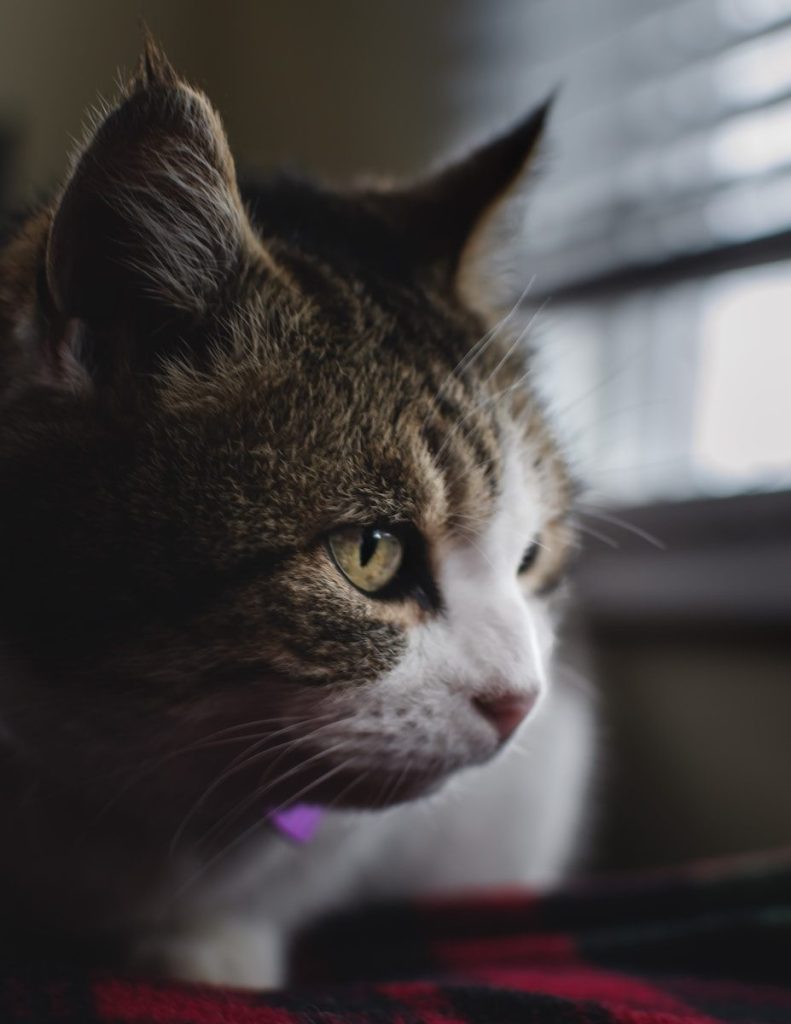
Keep their resting area quiet, warm, and surrounded by their favorite familiar scents. This article is for informational purposes only and does not constitute veterinary advice. Offering gentle pets and speaking softly helps them feel safe as they prepare for their final journey. Your unconditional love is the greatest gift you can give.
Featured Image: Photo by Matthew Fleming on Unsplash