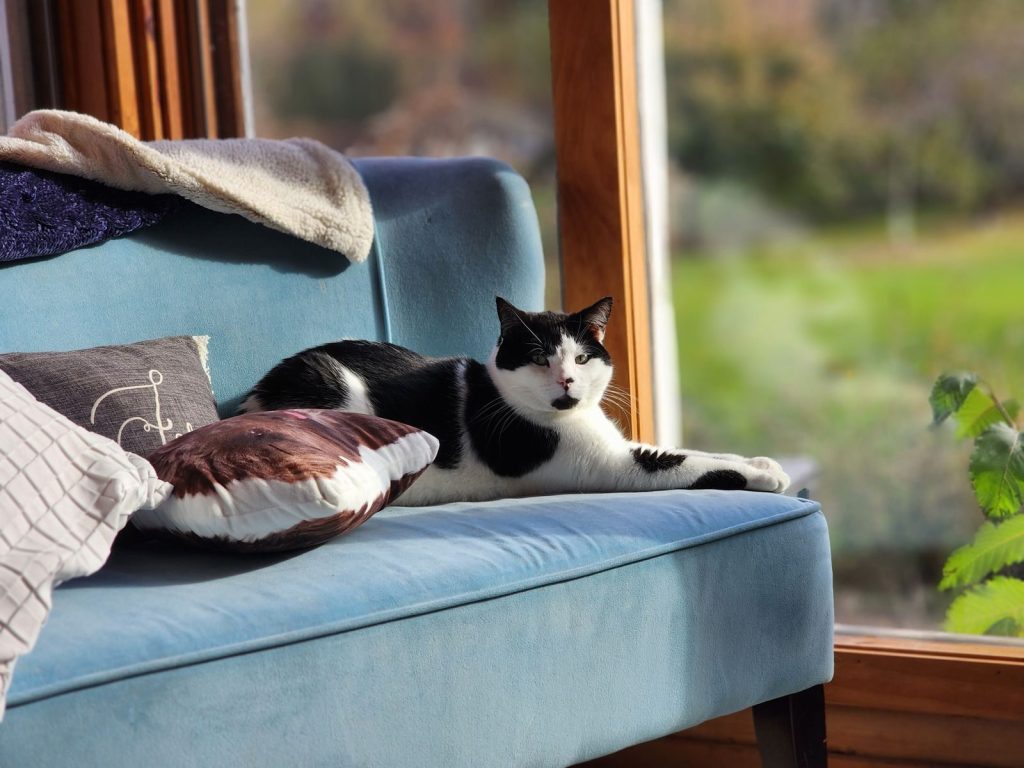

Adding a second cat to your home seems like the ideal way to provide extra companionship. Most owners assume their resident pet will enjoy having a new playmate.
But a territorial resident cat reacted with cold rejection when her owner brought home a new brother. Her dramatic standoff forced her family to rethink their introduction strategy.
Facing Sudden Entrances

Bringing the new kitten straight into the main living room sparked immediate hiss exchanges. Tension rose fast. According to feline behaviorists at Cornell University, sudden visual introductions provoke territorial defense responses in resident cats. The established feline retreated under the couch while glaring at the newcomer. But fixing this initial mistake required immediate isolation.
Creating Separate Zones
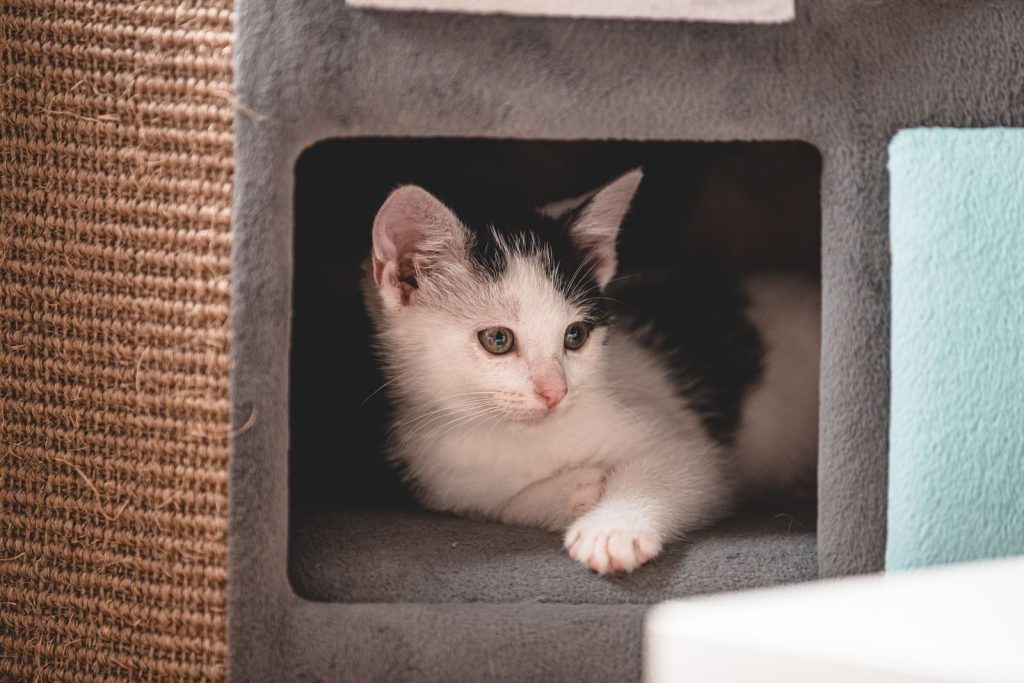
Moving the new kitten into a private sanctuary room allowed both pets to calm down. Peace returned slowly. According to shelter guidelines from the ASPCA, separate rooms give newly adopted pets time to adjust without territorial pressure. Scent swapping began using soft blankets exchanged between the two rooms. Yet scent alone was only the first step toward harmony.
Swapping Household Scents
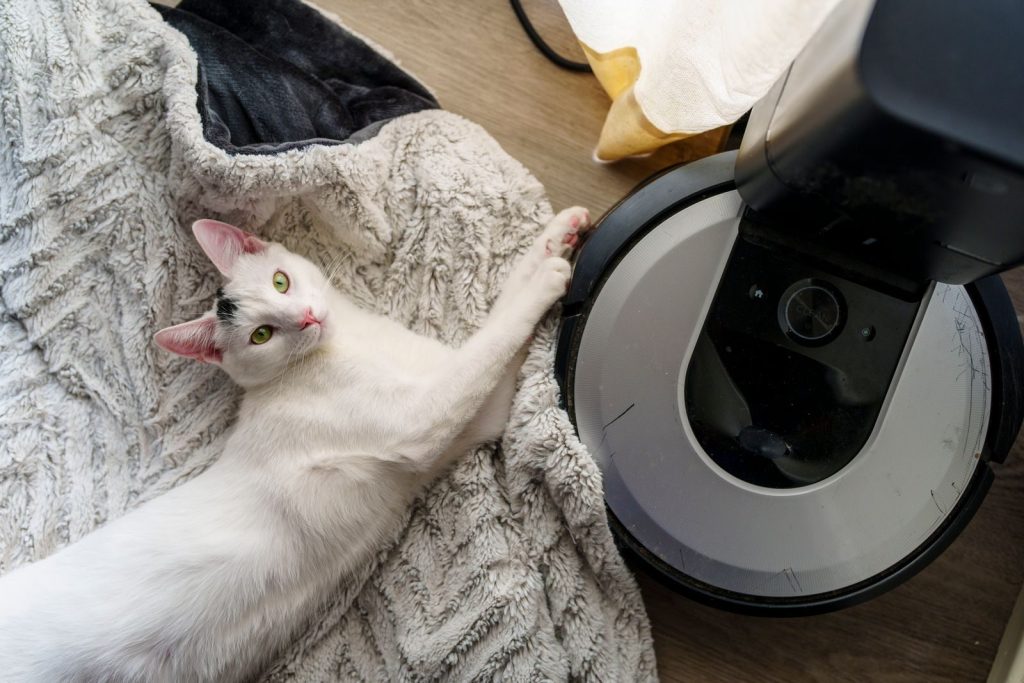
Rubbing towels along scent glands helped both felines recognize each other’s scents without direct conflict. Progress took patience. According to animal behavior studies, scent recognition forms the primary foundation for feline social acceptance. The resident cat eventually sniffed the blanket without growling or walking away. But mealtime offered the next breakthrough opportunity.
Feeding Near Boundaries

Placing food bowls on opposite sides of a closed door created positive associations with scent. Food created joy. According to veterinary behaviorists, eating delicious food while smelling a newcomer creates positive neural connections. Both felines ate peacefully just inches apart across the wooden door. But visual contact needed careful supervision next.
Using Mesh Barriers
Installing a mesh screen door allowed visual contact without physical swats or bites. Safety stayed secure. According to humane society training experts, physical barriers prevent aggressive escalation during early visual meetings. Short supervised sessions kept both animals relaxed and rewarded with treats. But playing together required gentle distraction.
Engaging Parallel Play
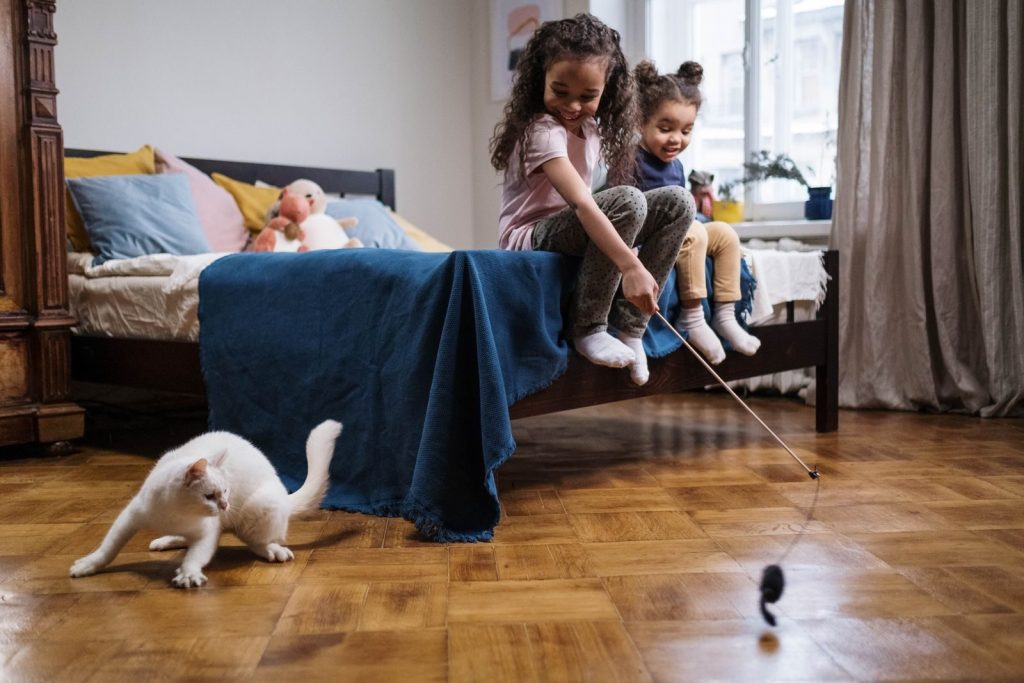
Wand toys diverted attention so both felines played in the same room without staring. Focus shifted smoothly. According to feline behaviorists, parallel play builds mutual tolerance by reducing direct eye contact between cats. The resident cat gradually relaxed her posture near her new brother. But building full trust required several weeks of patience.
Achieving Peaceful Living
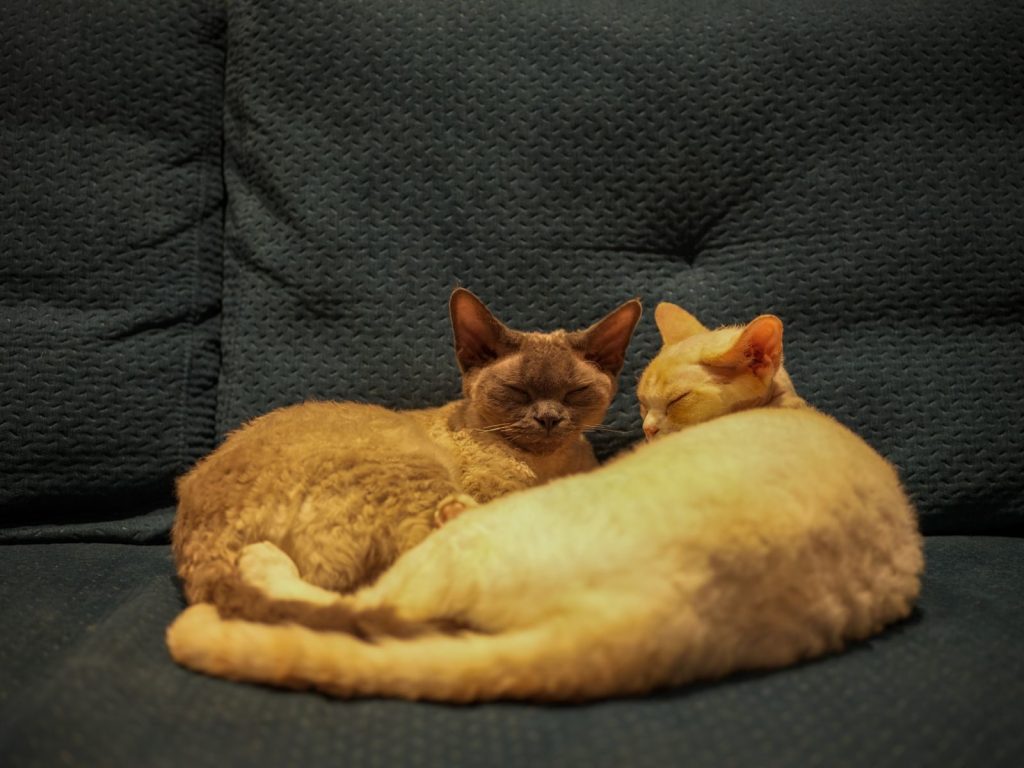
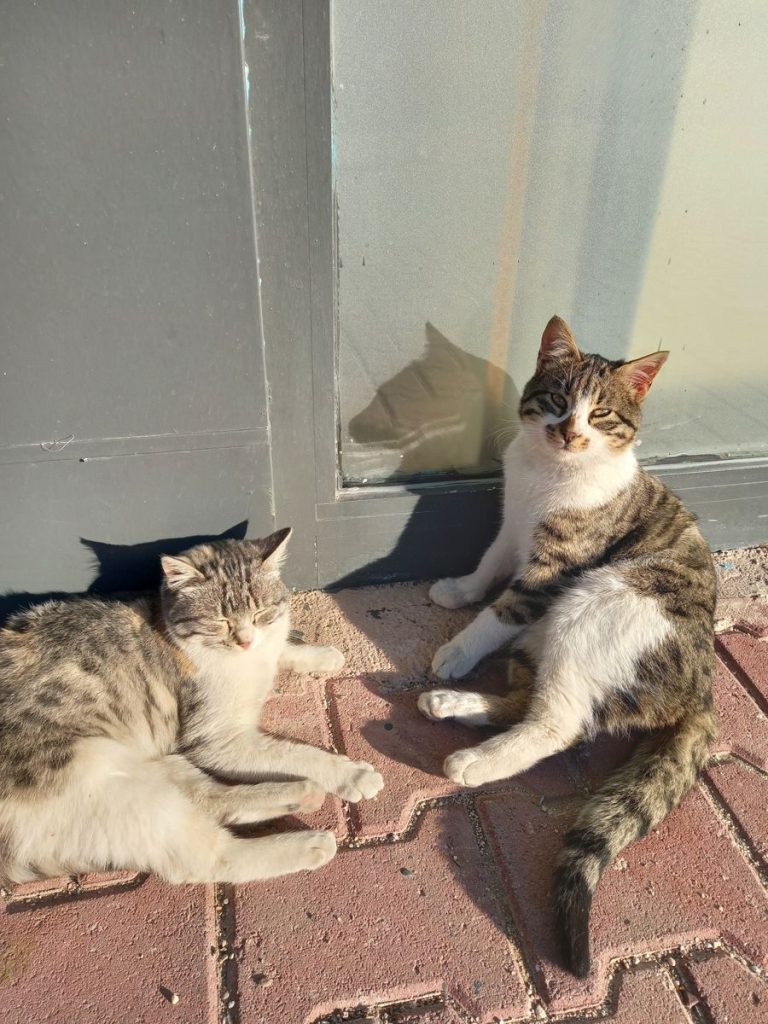
Gradual introductions paid off when both felines curled up on the sofa together for naps. Harmony grew strong. According to animal training specialists, patience during feline introductions prevents long-term territorial resentment. Proper training turned a rocky rivalry into a genuine friendship. But consistency remains essential for multi-pet homes.
Sustaining Lifelong Friendship
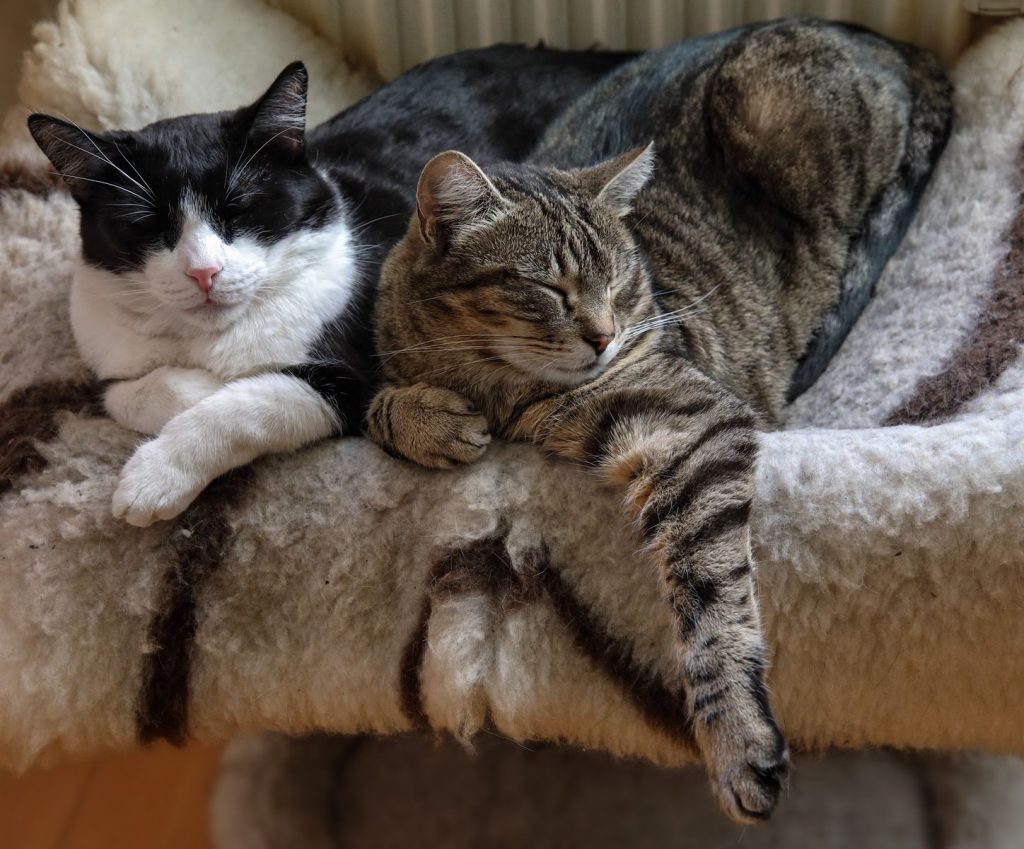
Respecting natural feline social paces ensures peaceful cohabitation across multi-cat households in the long term. Family bonds thrive. According to veterinary behavior experts, structured introductions eliminate territorial stress and foster lasting companionship. This article is for informational purposes only.
Featured Image :Photo by Tina Rettler-Pagel on Pexels