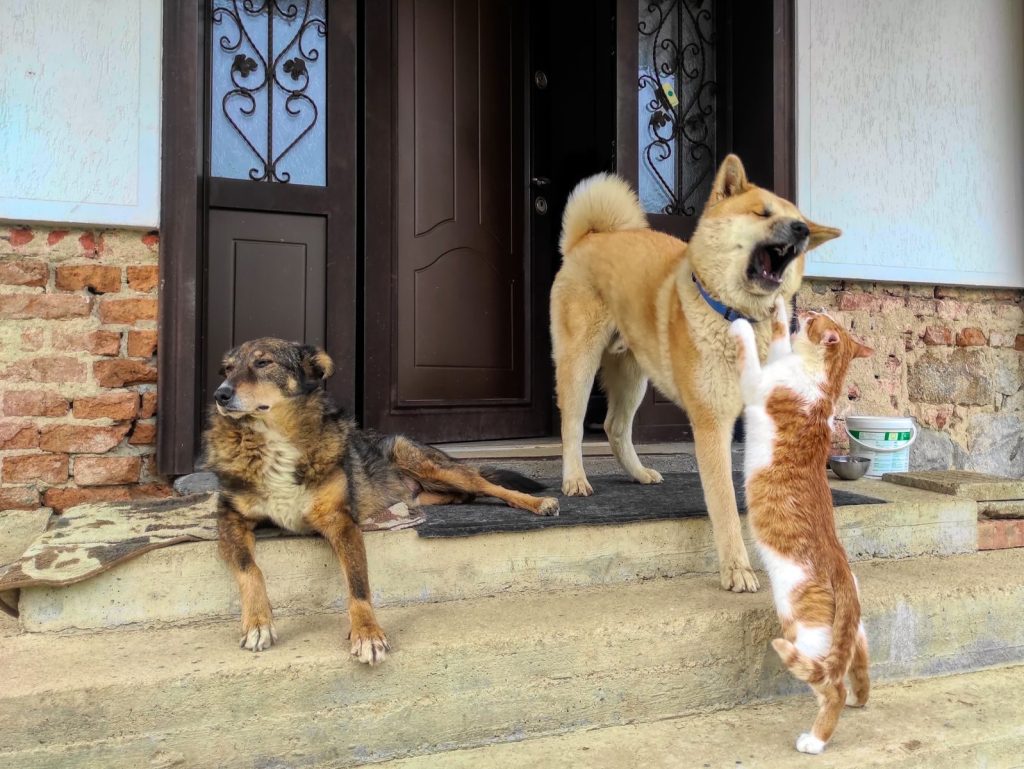

Multi-pet households often worry about constant household chaos between pets. Many owners expect cats and dogs to fight whenever they share a living room.
But viral animal clips show how quickly these two species build hilarious friendships. Their playful routines often surprise even experienced pet owners.
Playful Pets Share Unexpected Daily Moments
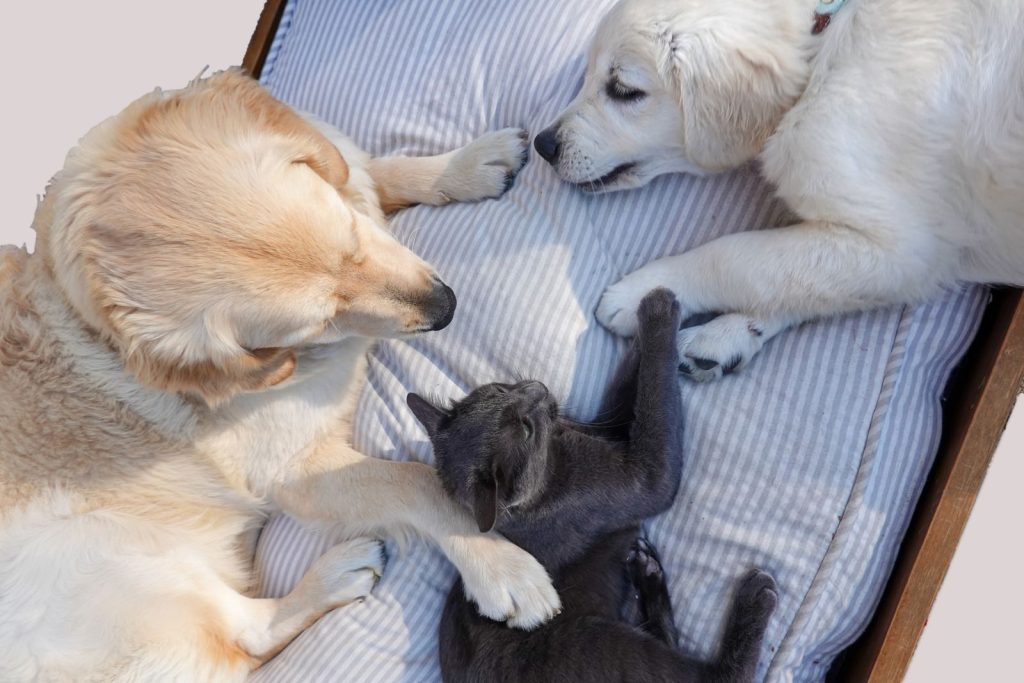
Bringing two different animal species into one home usually causes initial tension for pet parents. Many people worry that instincts will prevent peaceful living. According to the Journal of Veterinary Behavior, dogs and cats can thrive in shared living spaces when owners manage early introductions carefully. Watching a dog gently nudge a feline companion often surprises owners who expected defensive behavior. They kept things gentle. Video clips capturing these funny morning interactions frequently go viral because they highlight real animal adaptability. These playful moments lead right into another essential factor behind interspecies friendships.
Animal Body Signals Reveal Deep Friendly Intentions
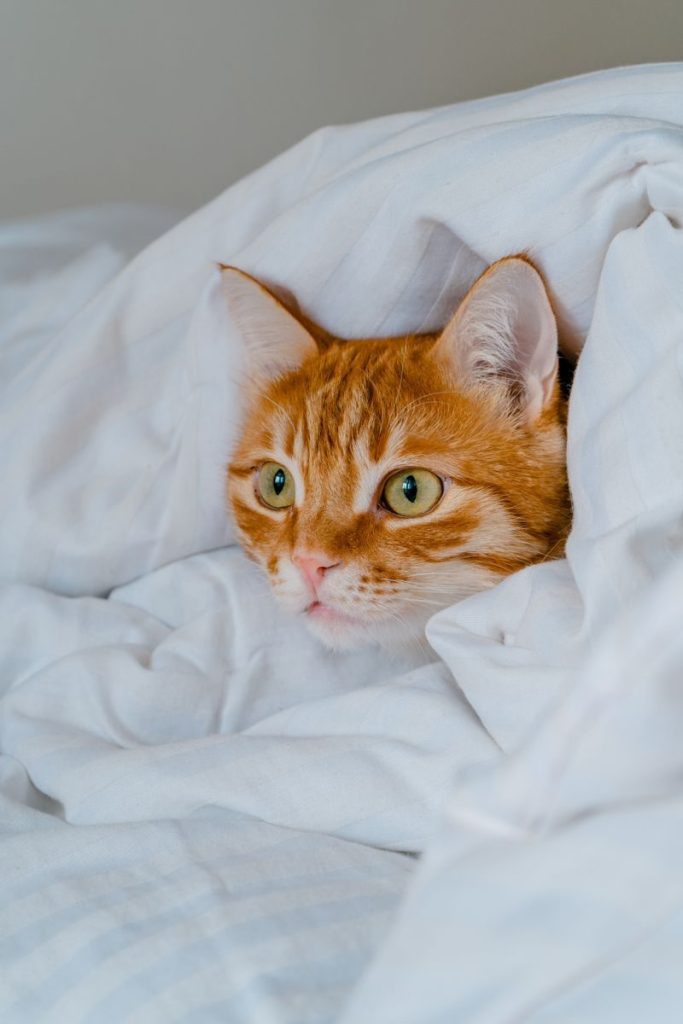
Understanding how pets communicate prevents small misunderstandings from turning into household stress. Dogs wag their tails to show excitement, while cats twitch their tails to express mild annoyance. According to International Cat Care, pets learn to read each other’s body cues after a few weeks of controlled cohabitation. A confident cat will often approach a sleeping dog to initiate a quiet game of chase. Curiosity drives their interaction. Observing these subtle physical cues gives owners peace of mind during daily play sessions. Watching how pets interact with toys reveals even more about their bond.
Interactive Household Toys Bring Pets Together Safely

Sharing toys often creates friendly competition between energetic dogs and curious indoor cats. Puzzle feeders, feather wands, and soft tennis balls encourage positive joint activity across both species. According to the American Kennel Club, supervised play sessions reduce anxiety and prevent boredom in multi-pet homes. A dog might push a rolling ball toward a cat, prompting a quick pouncing response. Play keeps them active. Watching animals invent their own games proves that interspecies bonds run deeper than simple cohabitation. Interactive play also delivers essential physical health advantages for both pets.
Daily Exercise Reduces Household Stress For Everyone
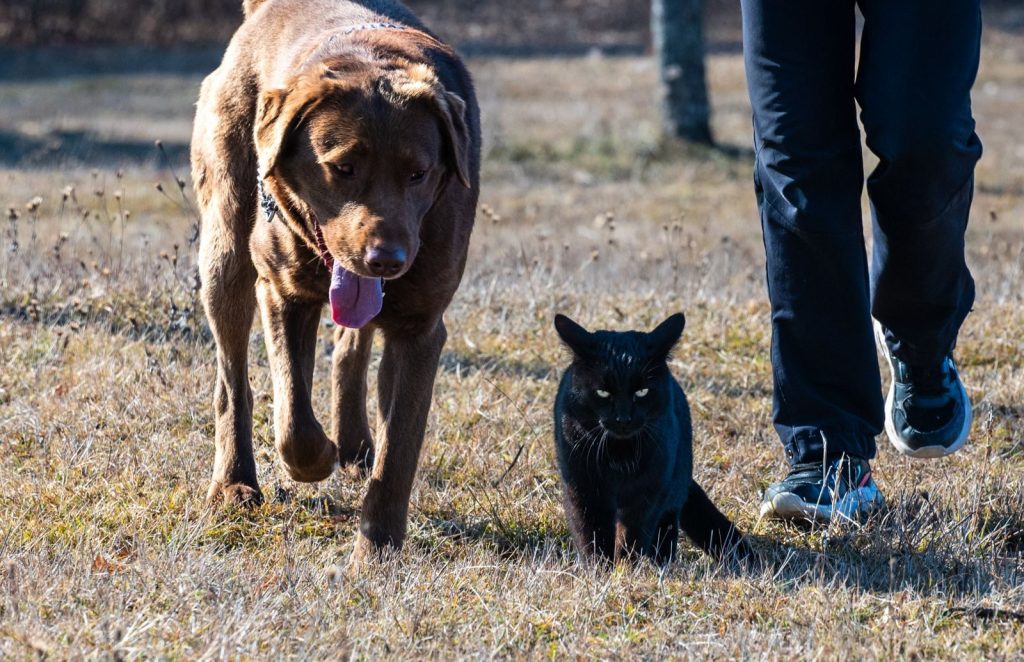
Regular movement plays a major role in keeping indoor pets healthy and relaxed throughout the year. Joint wrestling matches and hallway chase games help burn extra calories for active dogs and cats. According to the Association for Pet Obesity Prevention, routine daily exercise lowers the risk of feline diabetes and canine joint issues. Active pets display far fewer behavioral problems during quiet evening hours. Fitness builds happier habits. Keeping pets moving supports overall wellness while deepening their social connection. Physical activity naturally transitions into shared moments of restful companionship.
Mutual Resting Habits Show Complete Emotional Trust
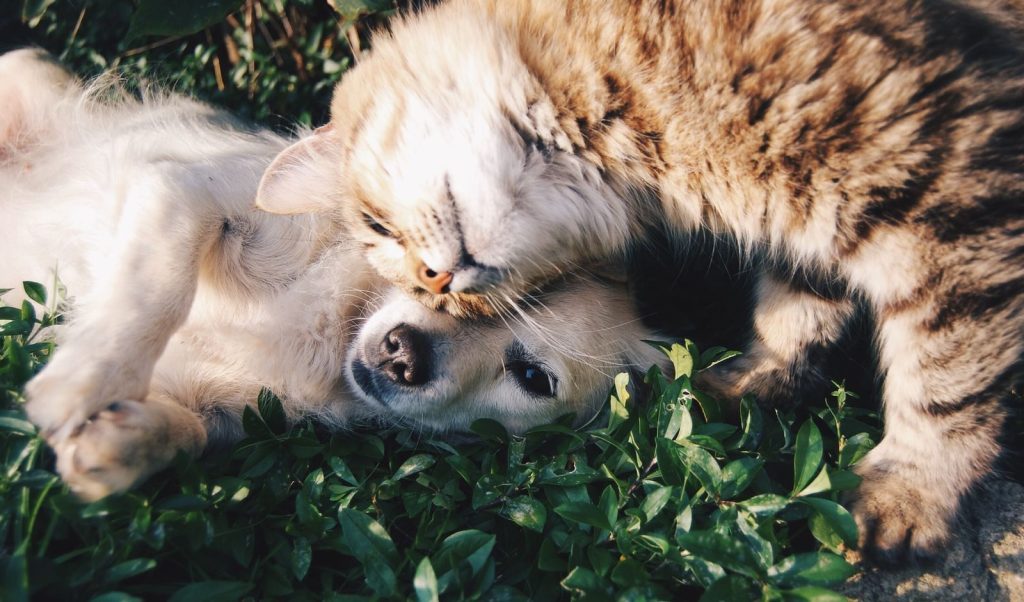
Napping side by side is one of the strongest indicators that pets feel completely safe together. Cats rarely sleep near animals they consider threats. According to animal behavior studies at the University of California, shared rest signals that both pets view each other as trusted family members. A cat curled up on a dog’s warm back demonstrates total comfort and security. Safety creates deep comfort. Seeing two former strangers sleep peacefully together brings immense joy to pet parents. Resting routines often lead to another surprising social habit between pets.
Separate Feeding Stations Prevent Unwanted Household Competition

Maintaining peace during mealtime requires clear boundaries and predictable routines in multi-pet homes. Cats prefer elevated eating spots where dogs cannot reach their food bowls. According to the ASPCA, separating feeding areas prevents food guarding and ensures each pet receives proper nutrition. Dogs often stare longingly at cat kibble, but consistent training keeps mealtime calm. Food boundaries matter greatly. Establishing secure eating zones allows pets to enjoy their meals without unnecessary tension. Proper management during mealtime sets up smoother interactions throughout the rest of the house.
Mindful Owners Guide Positive Daily Animal Encounters

Pet owners play a vital role in shaping how cats and dogs get along every day. Rewarding calm behavior with small treats reinforces positive interactions between both animals. According to the Humane Society of the United States, patient guidance and positive reinforcement create long-lasting harmony in multi-pet households. Giving each animal dedicated one-on-one attention prevents jealousy and stress. Patience yields great results. Watching a nervous rescue cat warm up to a friendly dog makes every effort worthwhile. This supportive environment sets the stage for a lifetime of shared companionship.
Long-Term Pet Friendships Enrich Modern Homes

Creating a peaceful multi-pet home takes time, clear routines, and steady encouragement from owners. Watching cats and dogs build unique games and cozy sleeping habits brings daily warmth to pet lovers everywhere. According to veterinary behaviorists, supportive environments allow pets of different species to thrive side by side for years. Supporting your pets’ social health creates a loving home for everyone. This article is for informational purposes only.
Featured Image: Photo by Krasimir Georgiev on Pexels