Canine mothers usually nurse their newborns without any issues. Most people expect canine litters to grow up alongside their birth mothers.
But one rejected pit bull puppy needed immediate rescue after his mother turned aggressive. A loving feline family stepped up to nurse him back to health.
Finding A Vulnerable Newborn
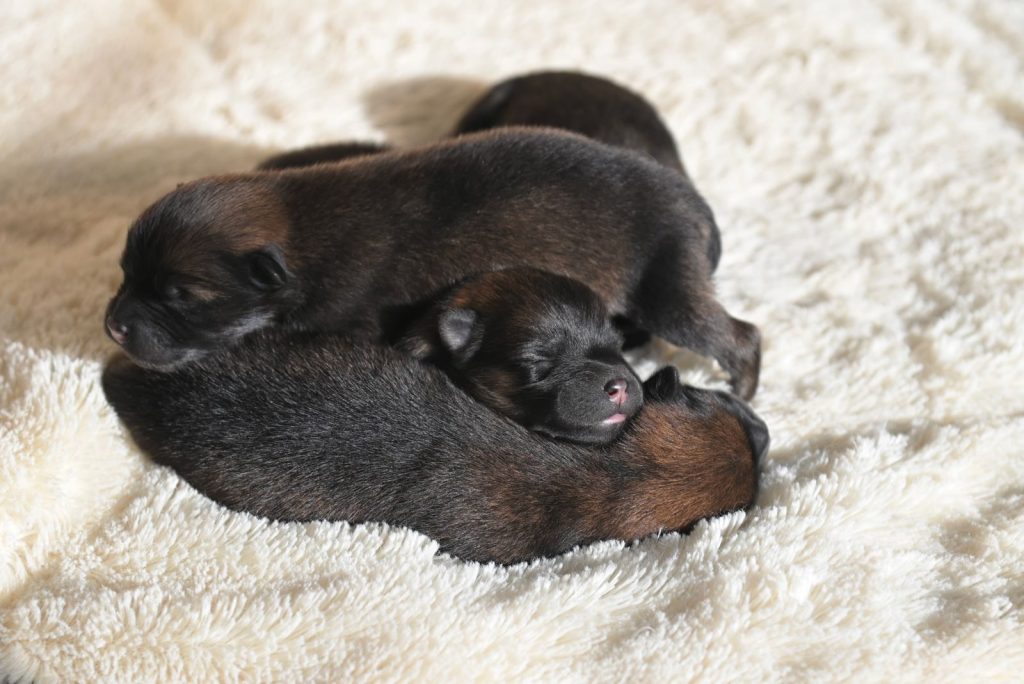
Rescuers pulled the newborn puppy away from his mother just moments after birth. Time was running out. The tiny canine was extremely weak and needed urgent warmth. According to animal welfare reports from the Humane Society, rejected newborns deteriorate quickly without immediate maternal intervention. Caretakers desperately searched for a surrogate mother to accept the newborn.
Introducing Feline Surrogate Mothers
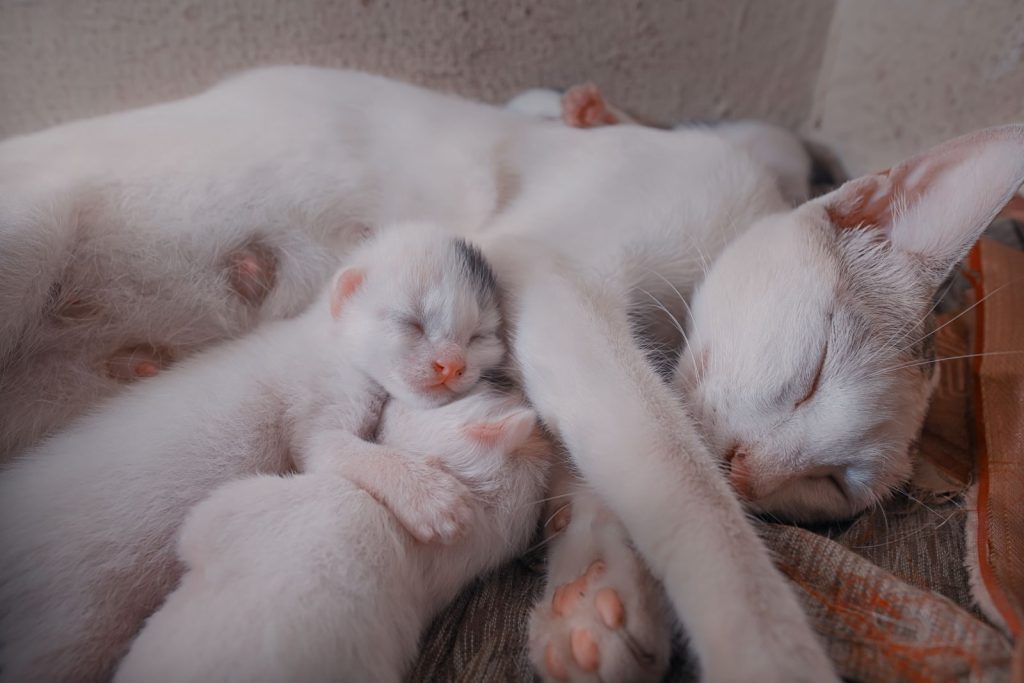
A rescue cat had recently given birth to a healthy litter of kittens inside the shelter. She was gentle. Workers carefully placed the cold puppy alongside her nursing kittens. According to veterinary medicine studies from the University of California, Davis, maternal hormones in nursing cats often trigger cross-species caring behavior. Everyone held their breath to see if she would accept him.
Accepting The Unique Puppy

The mother cat immediately began cleaning the tiny puppy with her rough tongue. Love filled the room. She pulled him close to her warm belly alongside her kittens. According to animal behavior studies published by the Journal of Veterinary Behavior, nursing felines rely heavily on scent and instinct when adopting abandoned babies. Her warm response surprised even experienced shelter workers.
Gaining Strength Through Nursing
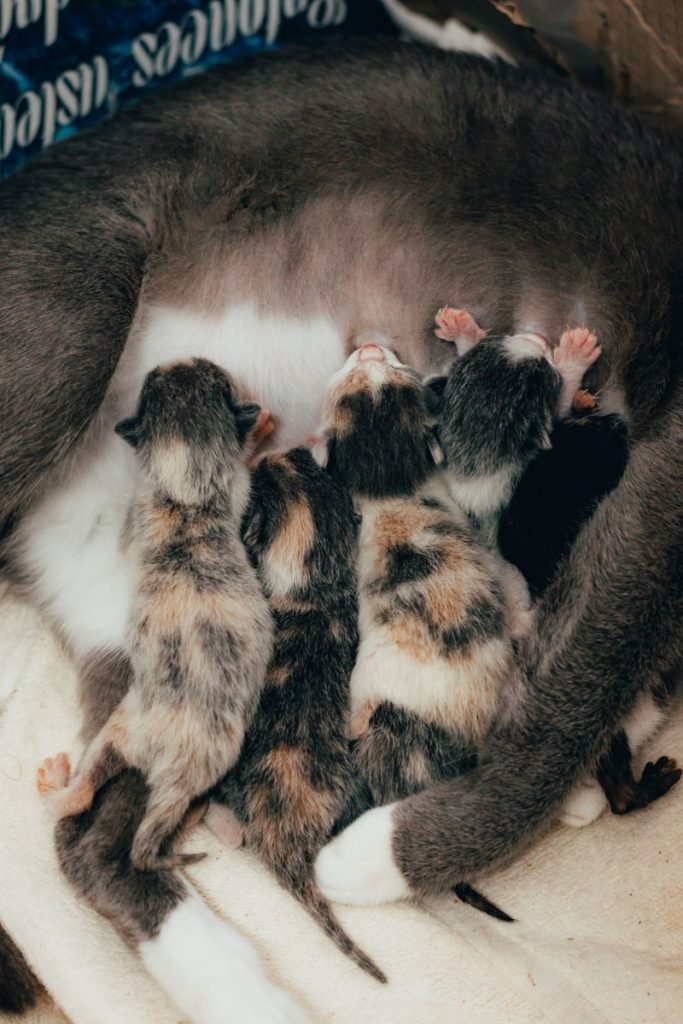
The puppy nursed eagerly alongside his new feline brothers and sisters. He grew rapidly. Rich maternal milk provided essential nutrients and immune support during his first critical weeks. According to clinical veterinary guidelines from the American Veterinary Medical Association, early colostrum intake is crucial for newborn mammal survival. His physical transformation moved quickly into the next phase.
Learning Feline Daily Habits
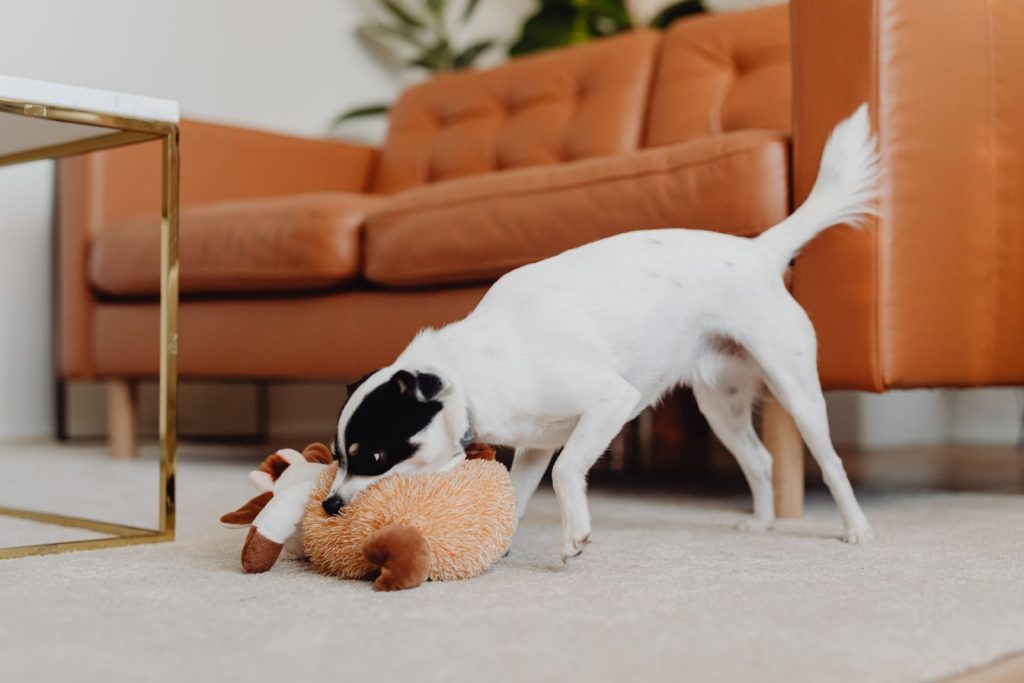
As his eyes opened, the growing puppy began mimicking his feline siblings. He was playful. He attempted to groom his fur with tiny paws and pounce on soft toys. According to pet behavioral experts from the Cat Fanciers Association, young animals learn key social interactions from their surrogate nest mates. Soon, his growing size brought a new turning point.
Outgrowing The Kitten Nest
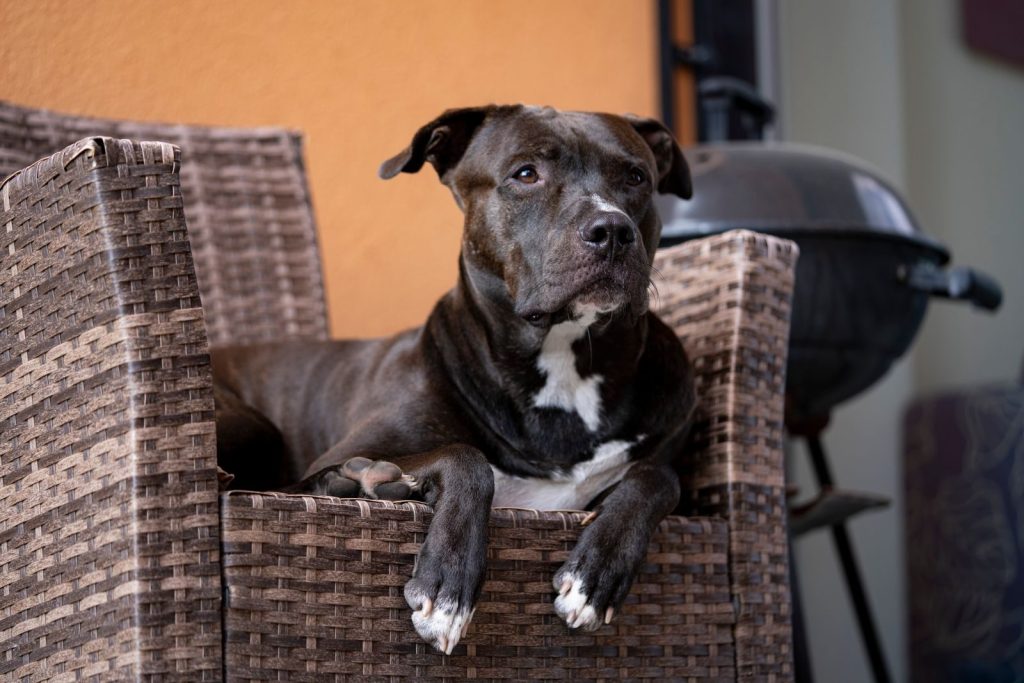
Within a few months, the pit bull grew much larger than his mother cat. He stayed gentle. Despite his size, he still tried to cuddle inside the small cat bed. According to veterinary mobility research from Tufts University, raised puppies retain strong social bonds with their surrogate feline families. His caretakers knew it was time for permanent adoption.
Finding A Loving Forever Home
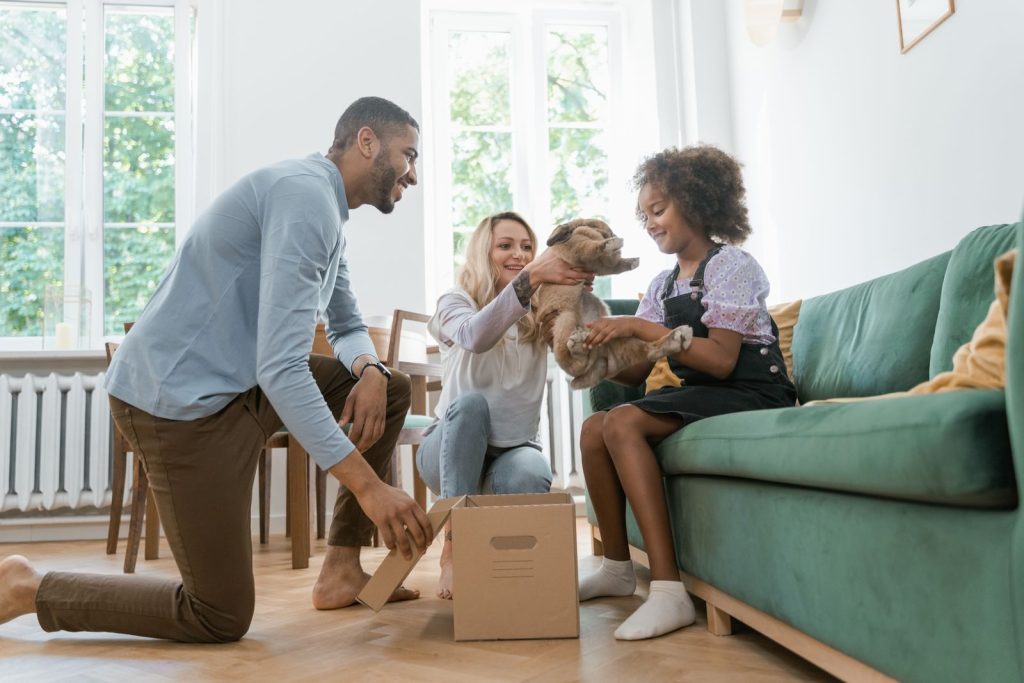
A local family fell in love with the puppy and his unique background story. Joy arrived quickly. They promised to maintain his friendly bond with house cats in his new environment. According to shelter adoption statistics from the ASPCA, successful early socialization produces well-adjusted adult pets. His journey held one final heartwarming lesson for everyone involved.
Celebrating Cross-Species Bonds
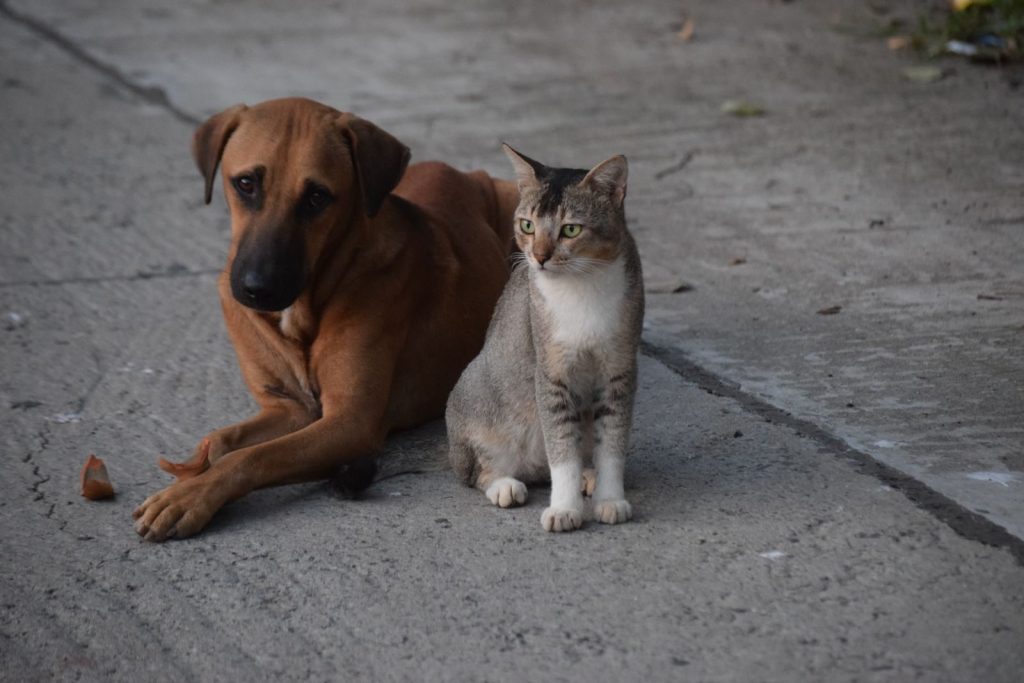
Today, the strong dog thrives in his permanent home alongside feline companions. His rescue journey proves that maternal instincts transcend species boundaries in surprising ways. According to animal rescue specialists, emergency cross-fostering saves countless vulnerable newborn animals every year. This article is for informational purposes only and does not substitute for professional care.
Featured Image: Photo by Daniel Tuttle on Unsplash