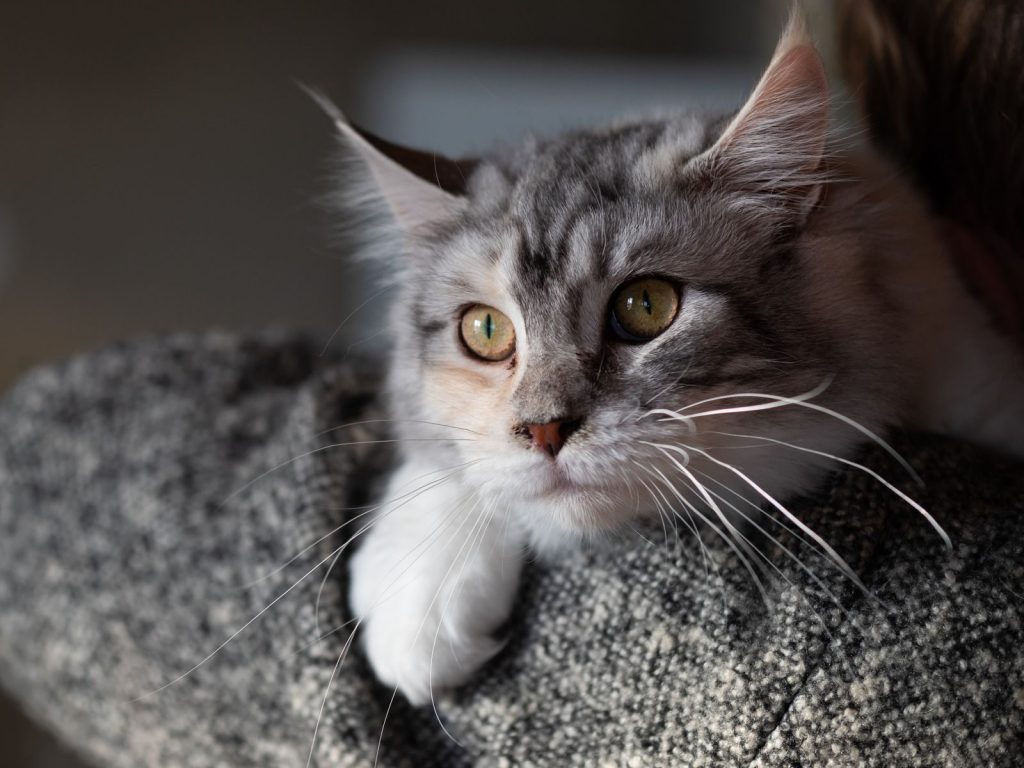

Maxie the Maine Coon has a direct way of asking for attention. In a video shared by TikTok user @maxiecoon and covered by Parade Pets, the fluffy cat approaches her human while he is focused on his phone, climbs onto him, and keeps moving closer until the device is set aside. The scene ends with Maxie settled against his chest for a cuddle. It is easy to describe the moment as affectionate, but the most useful detail is behavioral: Maxie initiates the contact instead of being picked up or restrained.
That choice is important because cats vary enormously in how they enjoy human attention. Some seek laps, hugs, and close body contact, while others prefer to sit nearby or accept only brief petting. International Cat Care recommends allowing cats to control interactions whenever possible, since giving them choice can reduce stress and make social contact more positive. Maxie’s video is appealing precisely because she appears to set the pace. Her human responds to her approach, making the cuddle look less like a staged pose and more like a familiar household routine.
Maxie Interrupts Phone Time
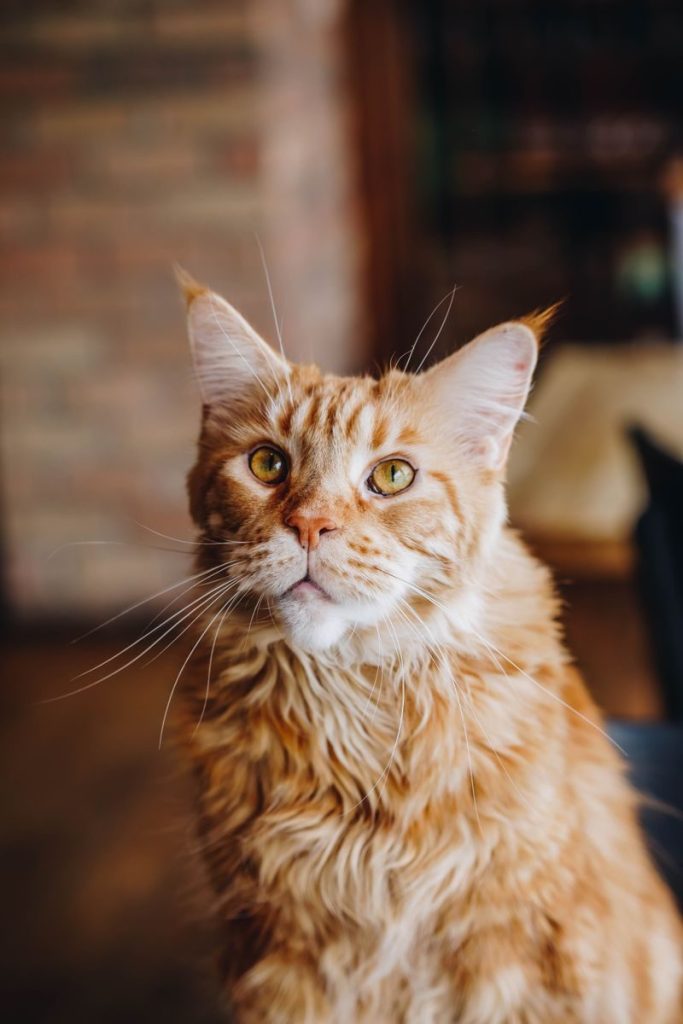
The video starts with Maxie’s human paying attention to his phone rather than to her. Maxie does not remain at a distance. Parade Pets describes her climbing onto his lap and continuing upward toward his chest. The movement makes her request difficult to ignore, especially given the Maine Coon’s substantial size and long coat. What viewers can safely say is that Maxie approaches and maintains close contact. Whether she is thinking about the phone itself is impossible to know, so the strongest interpretation stays with the visible behavior rather than giving her a human-style complaint.
Her Human Makes Room
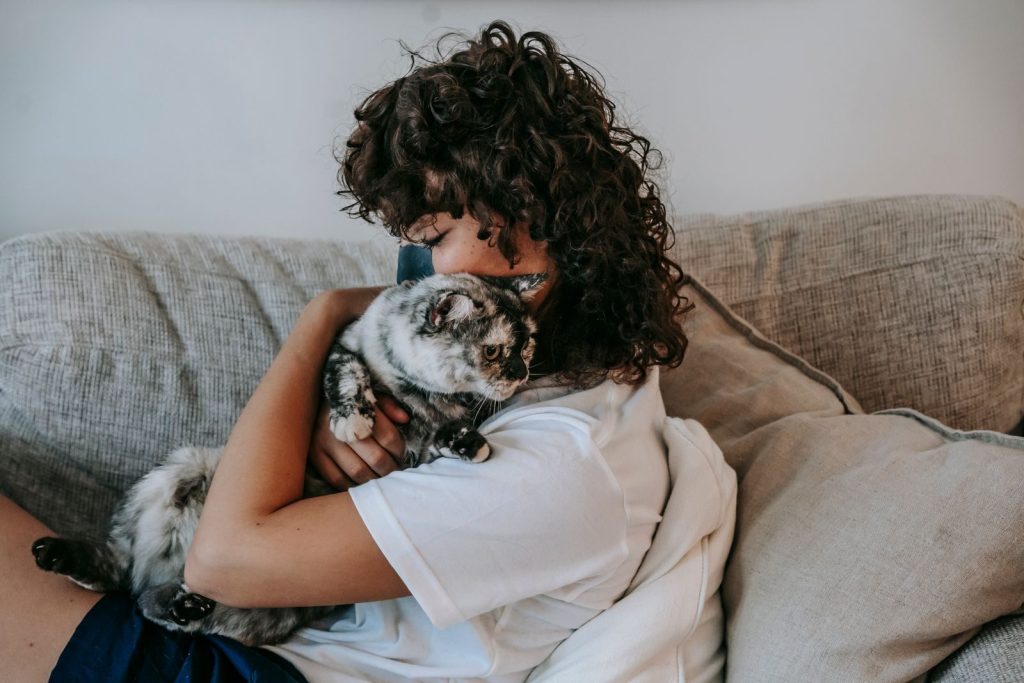
Maxie’s human responds by putting the phone aside and allowing the cat to continue climbing into a comfortable position. That response keeps the interaction voluntary. He does not pull her closer, hold her in place, or insist on contact after she approaches. International Cat Care notes that cats generally benefit when they can choose whether to participate in handling and affection. For owners, this is a useful model: instead of constantly lifting a cat for cuddles, notice when the cat approaches, rubs against you, settles nearby, or otherwise invites attention on its own.
Every Maine Coon Is Different
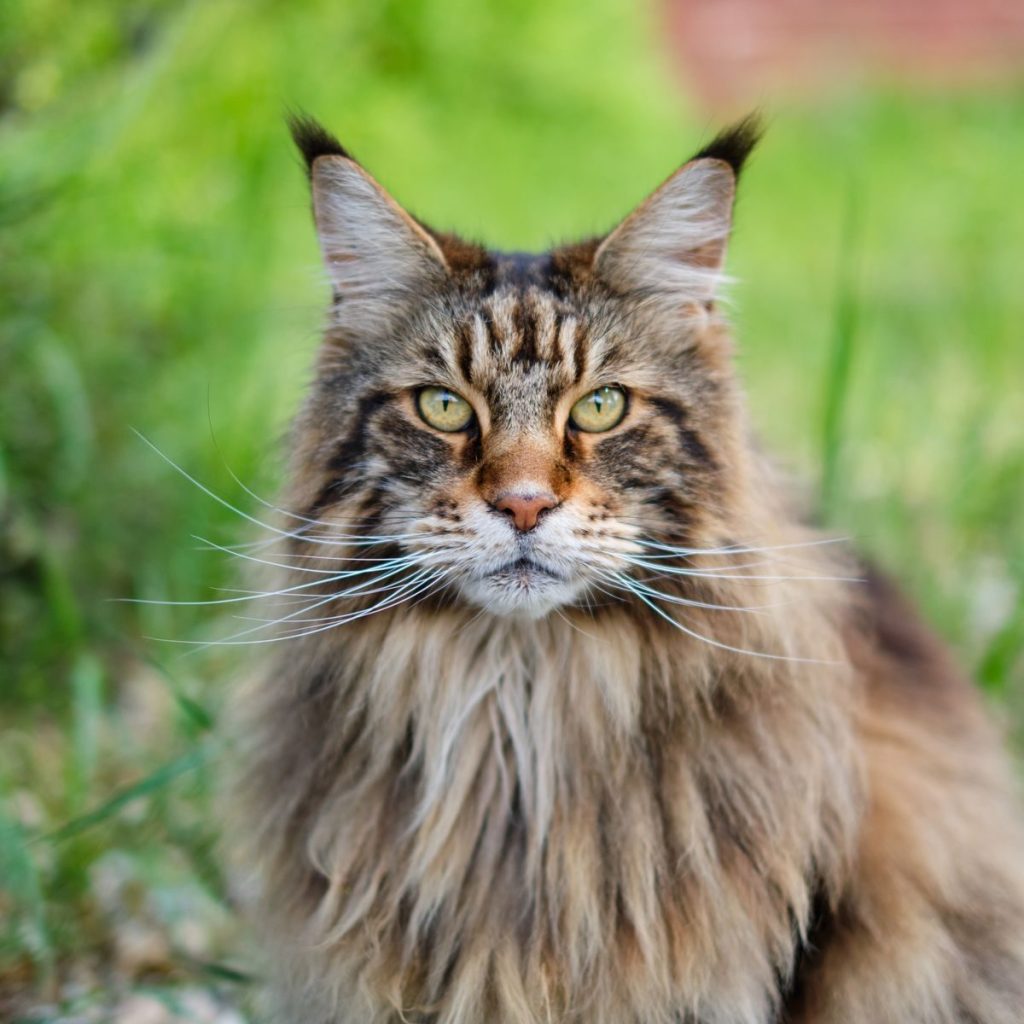
Maine Coons are often described as social and people-oriented, but breed reputation should not become a promise about every individual cat. Parade Pets notes that Maxie is affectionate on her own terms, and that phrase is more useful than assuming all Maine Coons behave alike. Genetics can influence temperament, yet early experiences, environment, health, and individual personality also matter. One Maine Coon may climb onto a chest whenever possible, while another may prefer following family members from room to room without becoming a lap cat. Both patterns can fit a healthy social relationship.
Body Language Comes First
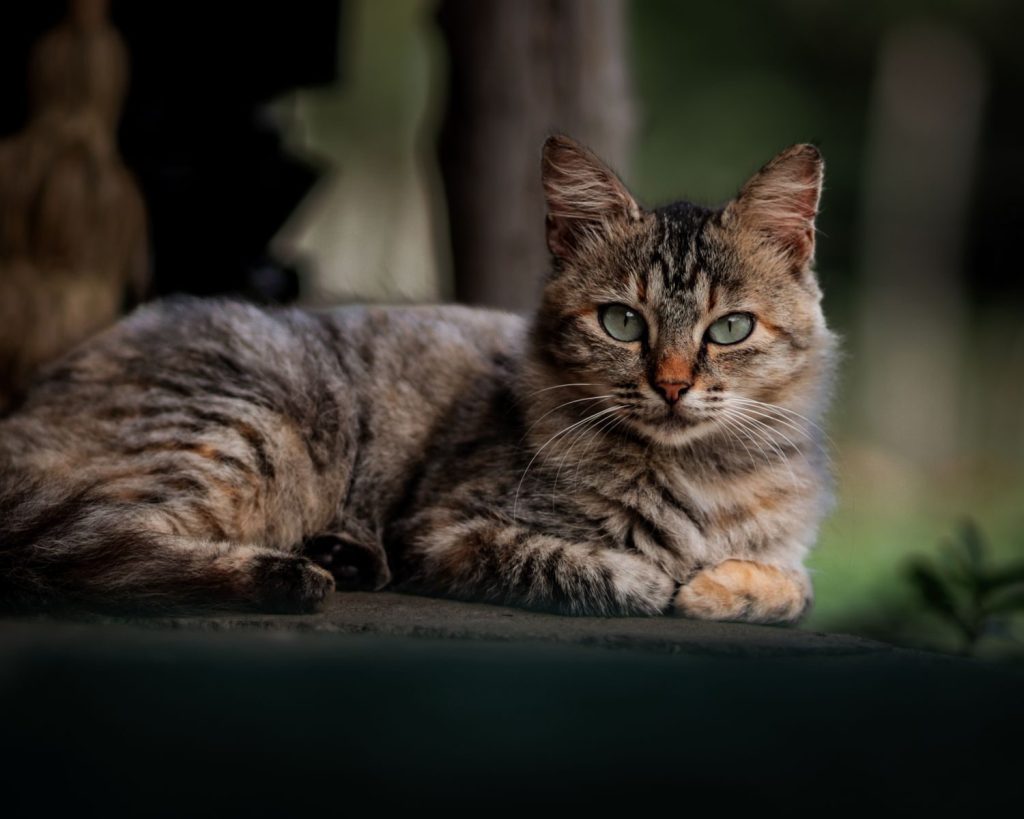
A cat’s body language can help an owner decide whether contact is welcome. A relaxed posture, voluntary approach, leaning into touch, and remaining nearby can support continued interaction, while tension, tail lashing, flattened ears, skin twitching, turning away, or leaving suggest it is time to stop. International Cat Care emphasizes that cats should be allowed to move away when they choose. This is especially useful with large cats such as Maine Coons, because their size can tempt people to hug or hold them longer than the cat actually wants.
Cuddles Are Only One Signal
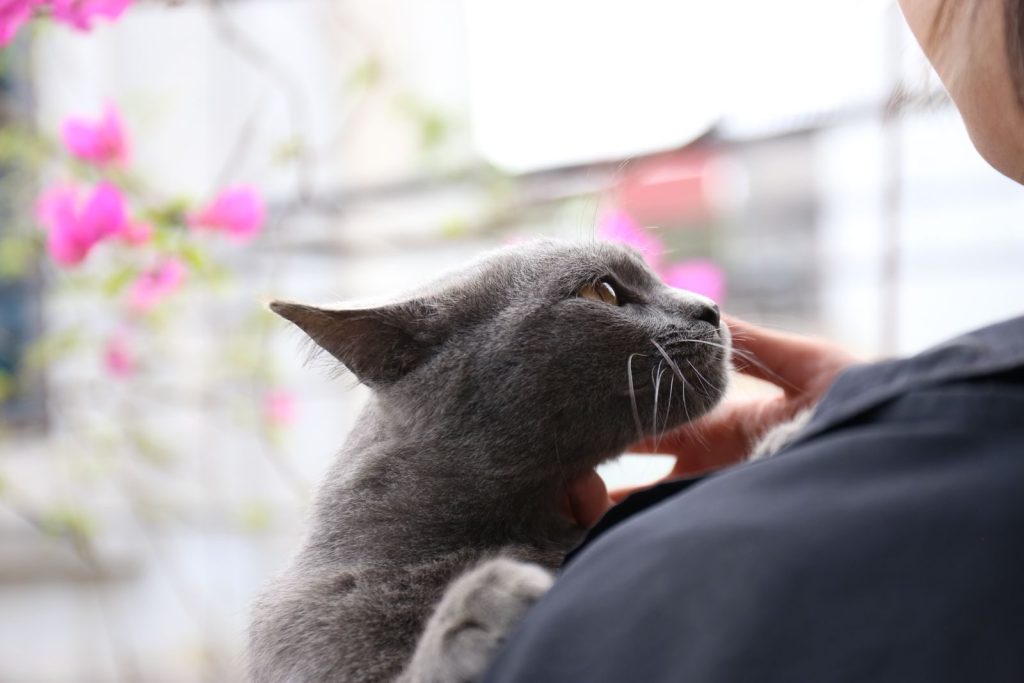
Cuddling is only one way cats can show social interest. Some cats greet people at the door, sleep in the same room, follow household members, rub against legs, sit beside them, or initiate play. A cat that dislikes being held is not automatically unfriendly. International Cat Care describes feline relationships as selective and shaped by familiarity and individual preference. Owners often build better bonds when they stop measuring affection by lap time alone. Maxie happens to enjoy close contact in this clip, but another cat may communicate comfort simply by choosing to share the same space.
Let the Cat Set the Pace
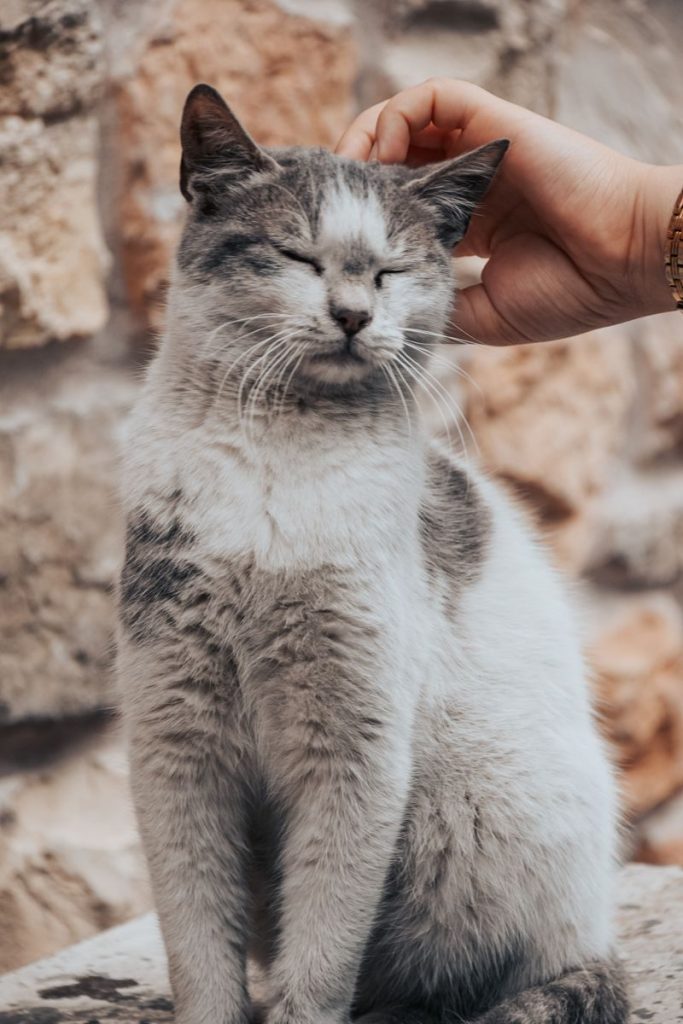
Owners can make affectionate interactions more comfortable by letting the cat approach first and keeping early petting brief. Areas around the cheeks, head, and chin are commonly tolerated better than prolonged touching of the belly, paws, or tail, although preferences vary. Pause occasionally and see whether the cat asks for more by leaning back in or staying engaged. If the cat leaves, allow the interaction to end. This approach respects choice and can prevent the common mistake of turning a pleasant cuddle into overstimulation because the person wanted the moment to last longer.
Changes Can Be Meaningful
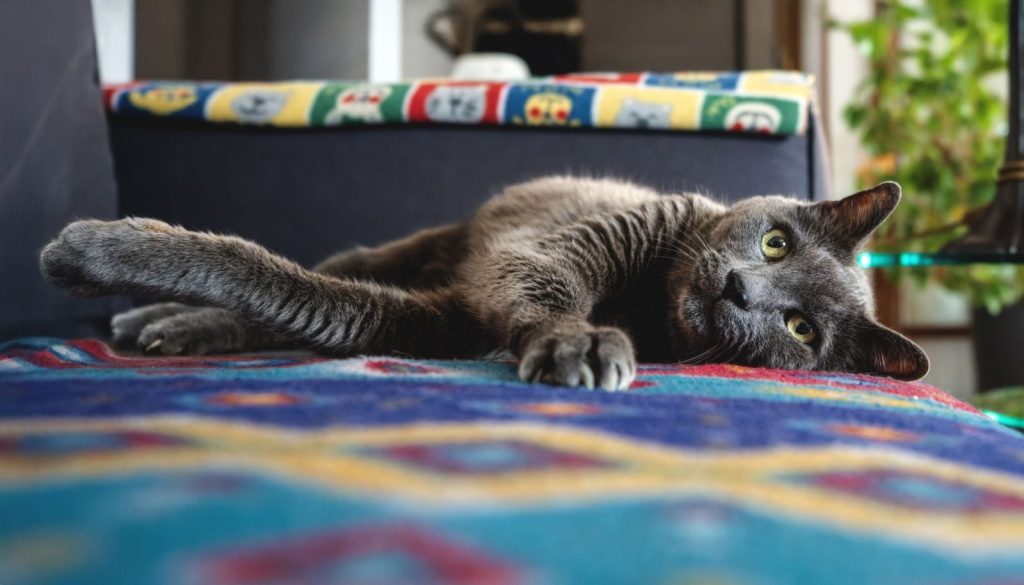
A sudden change in a cat’s desire for contact can be worth noticing. VCA explains that illness may alter sociability, with some cats hiding and others becoming clingier or demanding more attention. If a normally independent cat suddenly cannot settle without constant contact, or an affectionate cat abruptly avoids touch, look for other changes in appetite, activity, grooming, litter-box habits, or comfort. Behavior alone does not diagnose a medical problem, but a marked shift from the cat’s normal pattern can be useful information to share with a veterinarian.
Choice Makes Cuddles Better
Maxie’s cuddle request works as a viral moment because it is simple and recognizable: a cat wants access to her person, and the phone loses. The more lasting takeaway is that the best interactions are often the ones cats choose themselves. Maxie approaches, climbs up, and settles close while her human makes room for her. Owners do not need to copy the exact cuddle to build the same kind of trust. Paying attention to a cat’s preferred distance, touch, timing, and signals can create affectionate routines that suit the individual animal.
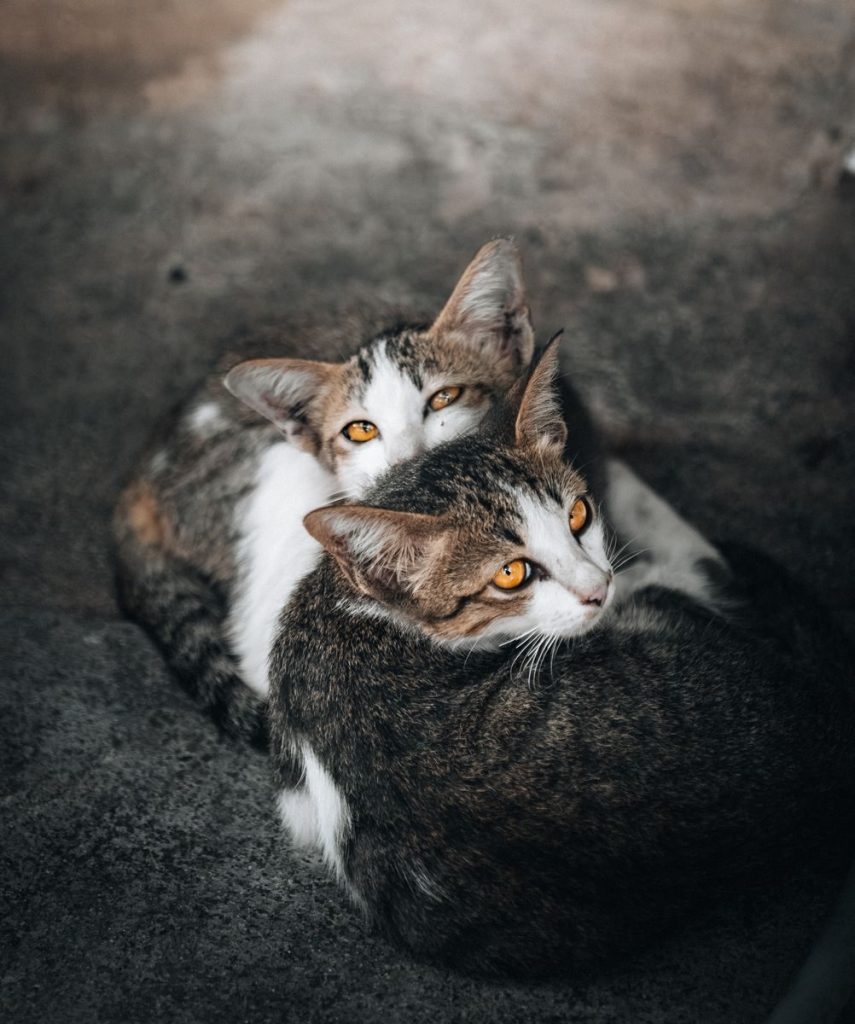
Featured Image: Photo by Genadi Yakovlev on Pexels