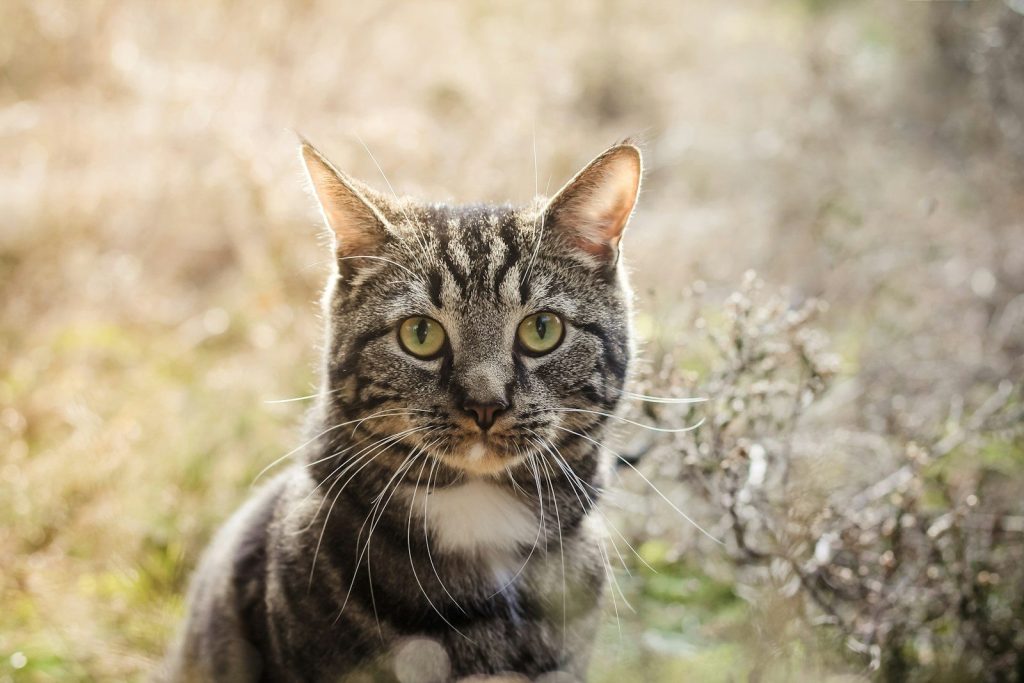

Many owners think they understand their pets perfectly. They hear a meow and assume the animal just wants a quick dinner. But feline communication is far more complex than a simple request for food.
These animals use subtle shifts in their bodies to speak to us daily. Learning this secret silent language will change how you connect with your favorite pet.
The real message behind a twitching tail tip
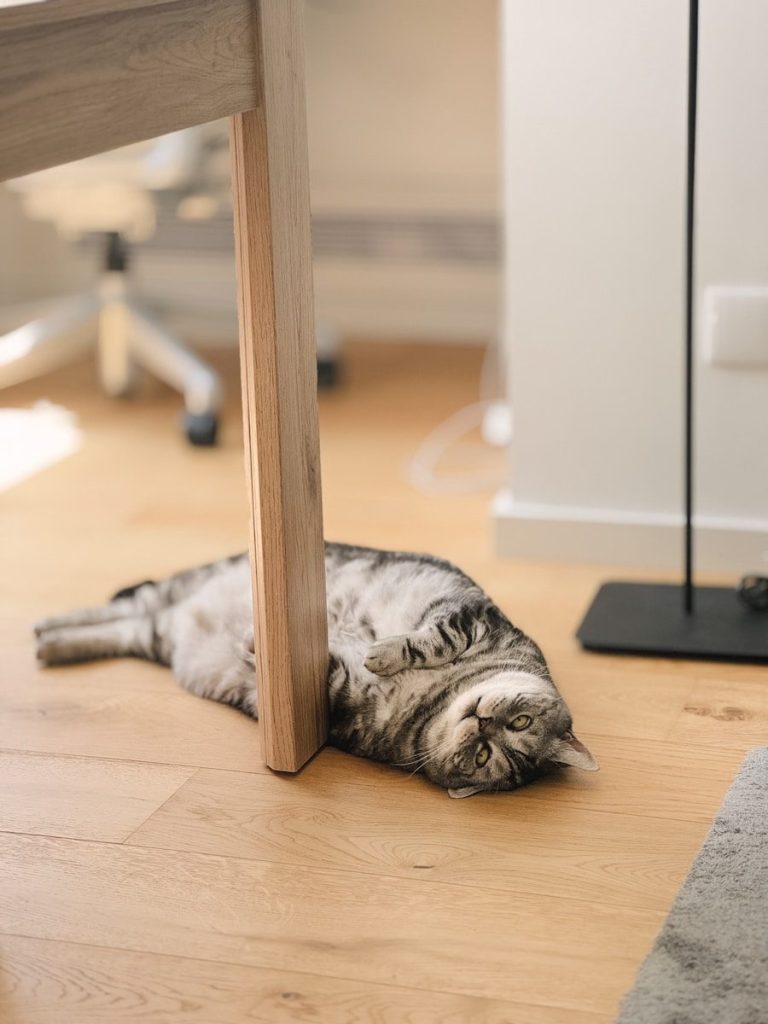
A cat flicking the very end of their tail is not playing. According to the ASPCA, this tiny muscular shift actually signals growing irritation or intense focus. Many people mistake this for excitement. They keep petting and get a warning nip. But another common tail movement means something completely different.
Why does a high question mark tail mean welcome home?
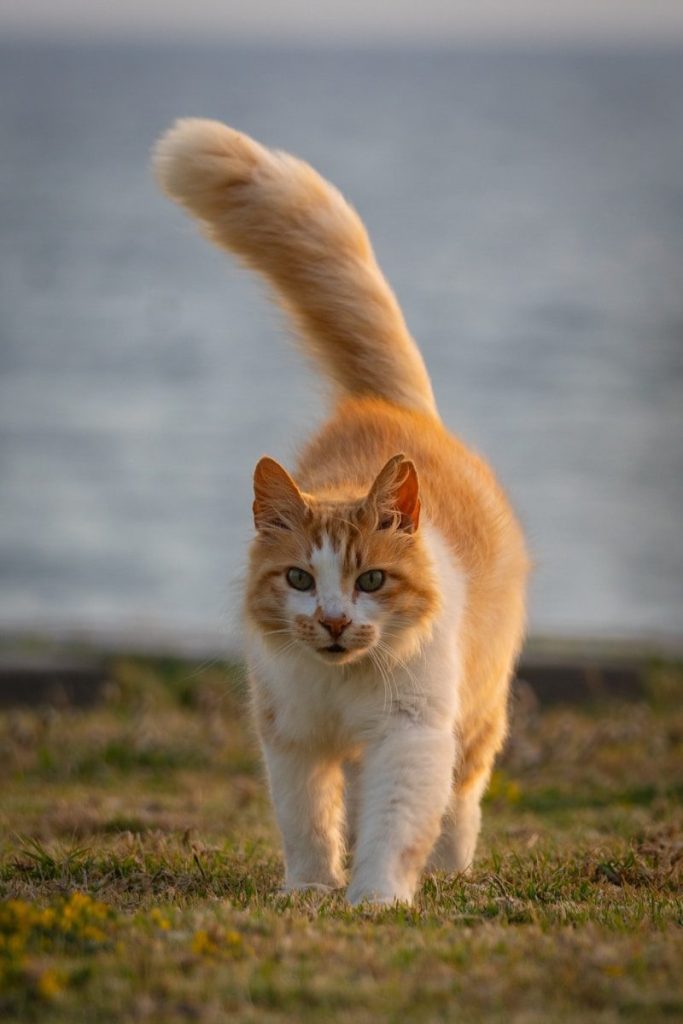
When your pet greets you with a tail held straight up, look for a curve at the top. This shape mimics a human smile. It means they feel safe, secure, and happy. Feline behavior experts say this is an open invitation for physical affection. However, their eyes can tell a much darker story if you look closely.
How to read the warning in dilated pupils
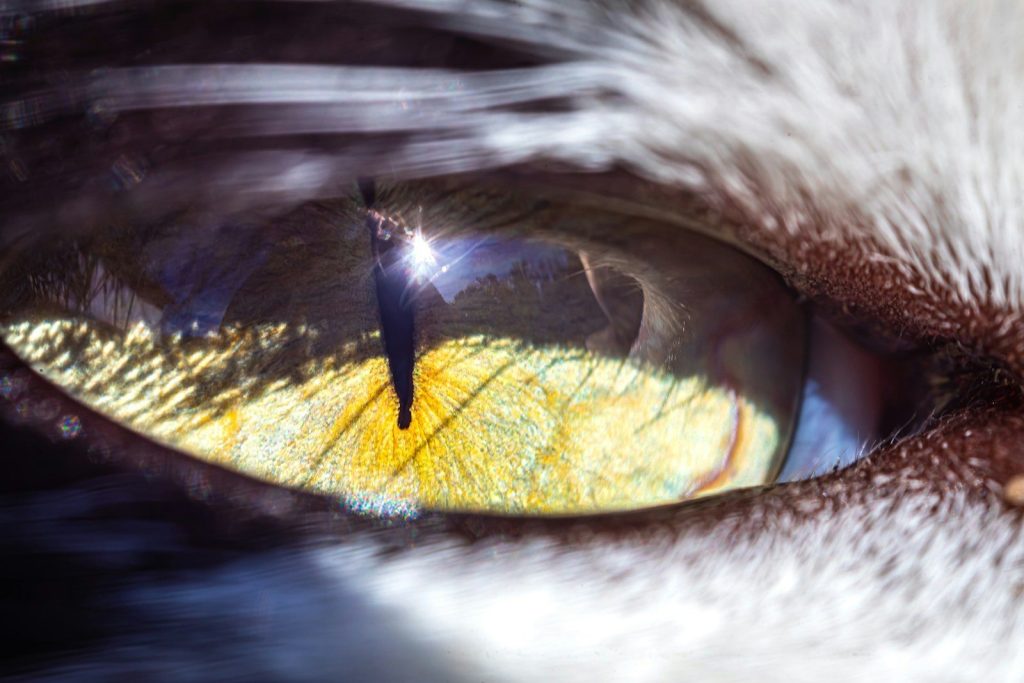
Massive dark pupils show a sudden rush of adrenaline. This physical reaction happens when they are terrified or preparing to pounce. If the room is bright, big pupils mean your pet is highly stimulated. You should give them space. But their ears also shift to show this mood change.
The danger of flat airplane ears
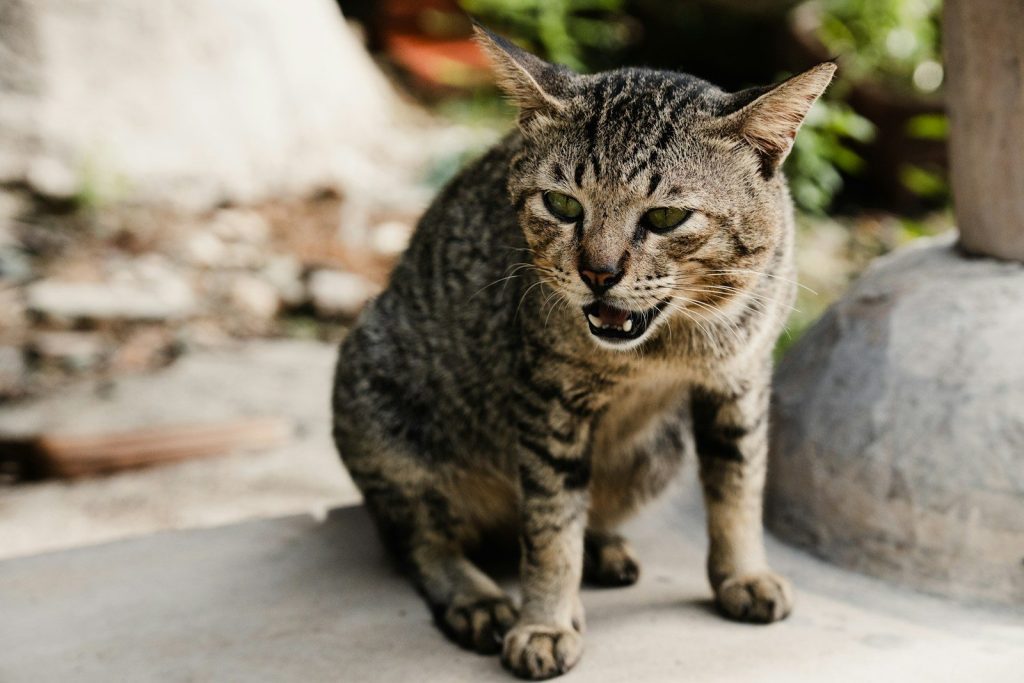
Ears rotated outward and flattened against the head mean trouble. Felines use this posture to protect their ears during potential fights. Back away immediately. It shows a mix of fear and defensive anger. Yet, did you know that silent physical gestures can also reveal deep love?
The quiet magic of a slow blink
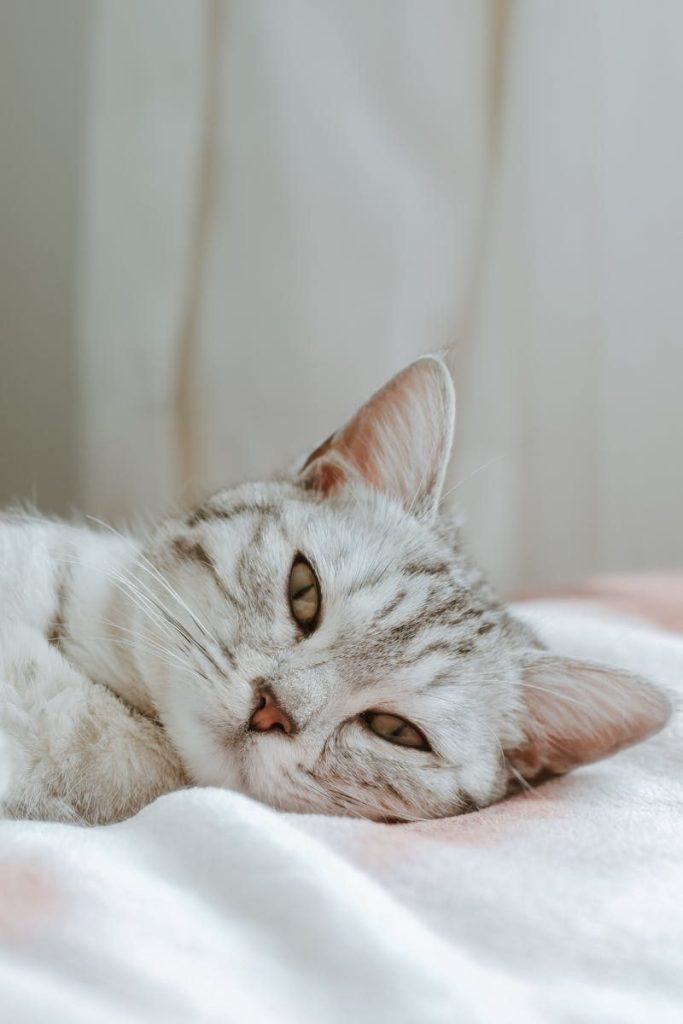
If your pet looks at you and slowly closes their eyes, they are saying I love you. Trust is key here. Researchers at the University of Sussex proved that humans can use this slow blink to bond with cats. Your pet feels safe enough to lower their guard completely. Yet, their voice holds even more mysteries.
Why do cats only meow to communicate with humans?
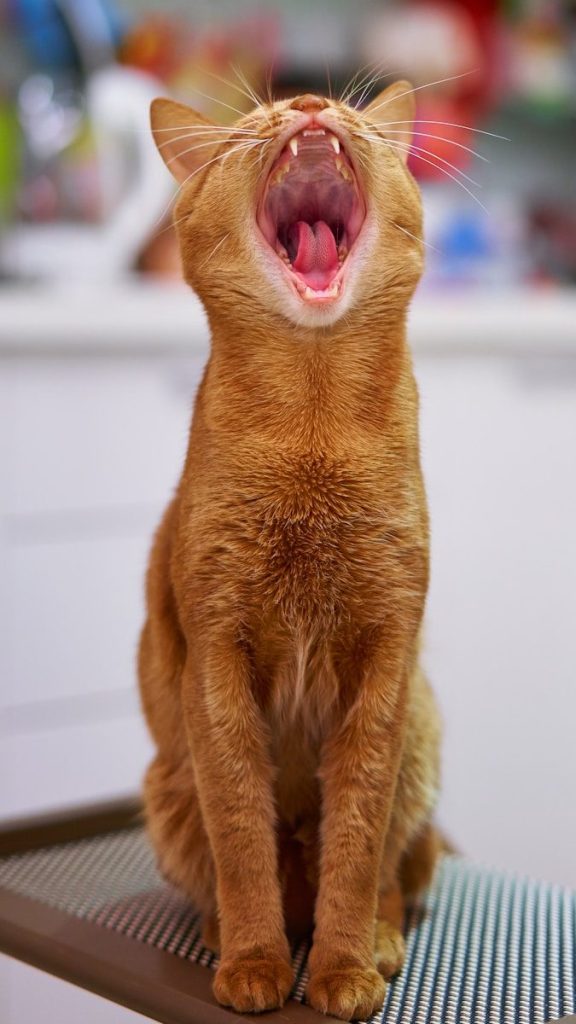
Adult cats do not meow at each other in the wild. They reserve this vocalization almost entirely for humans. Your pet has actually learned to pitch their voice for your attention. It is loud. This customized language was built just for you. But one specific sound remains a massive medical puzzle.
The mysterious healing frequency of a purr
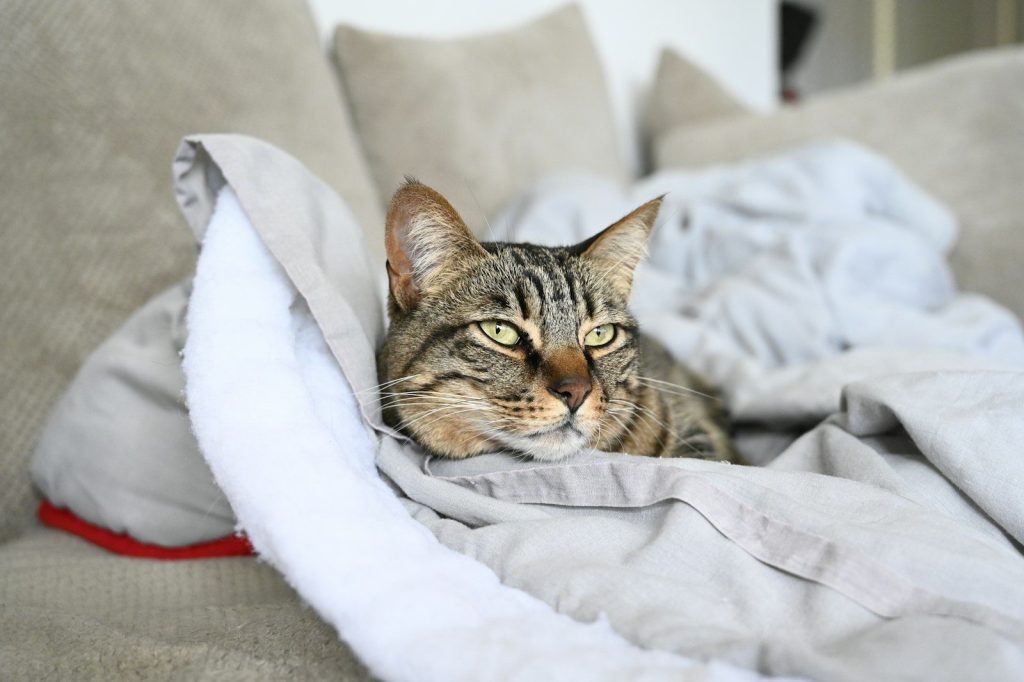
Scientists have discovered that a feline purr vibrates between twenty and one hundred and forty hertz. This helps them heal. The specific range can actually repair bones and ease muscle pain. Your pet might purr when they are happy, but they also do it when injured. This means their noises are not always what they seem.
Master the silent language of your pet
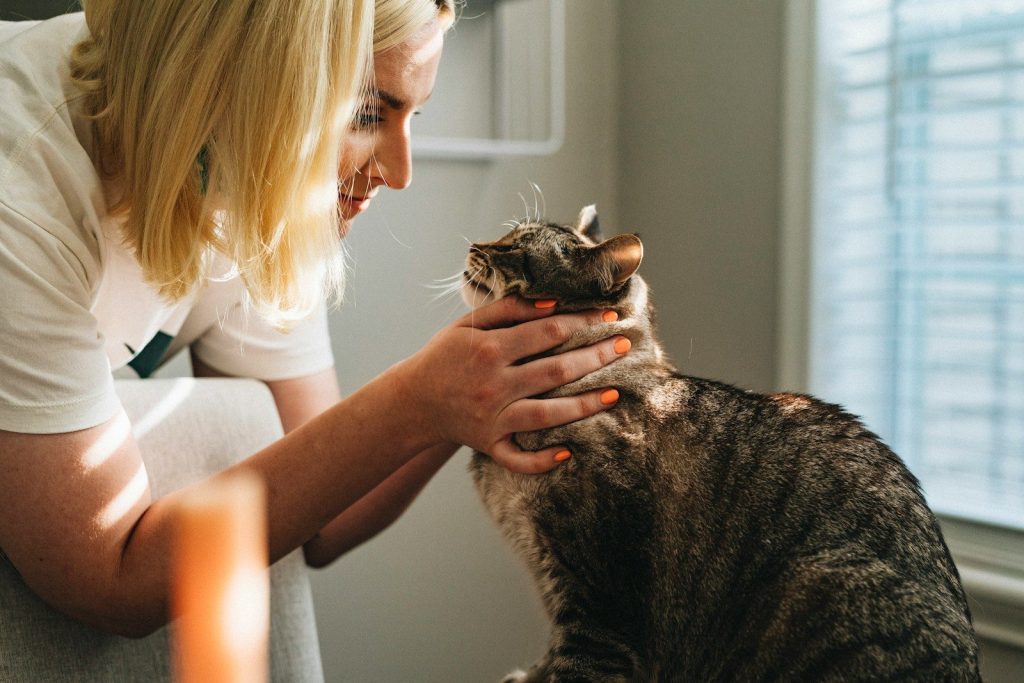
Learning these subtle cues takes time and daily observation. Once you understand them, your bond with your cat will grow stronger than ever. You will know exactly when they want love, space, or play. It is the ultimate reward for any dedicated owner.
Featured Image: Photo by Erik-Jan Leusink on Unsplash