A tiny kitten launching itself at a much larger cat can look like a terrible decision.
But wrestling, chasing and pouncing are normal forms of feline play. The important question is whether both cats are participating willingly or one has become frightened and defensive.
Play Is Usually Quiet

Cats Protection says play-fighting is generally silent. The cats may chase and wrestle intensely, but growling, screeching and repeated hostile vocalizations are more concerning.
They Take Little Breaks

Play often includes pauses while the animals reposition themselves or decide what to do next. Constant, relentless pursuit gives the other cat less opportunity to disengage.
Roles Should Keep Changing

During healthy play, one cat may chase first and then become the one being chased. Cats Protection describes this reciprocity as an important clue that both animals are willingly participating.
Bites Stay Controlled
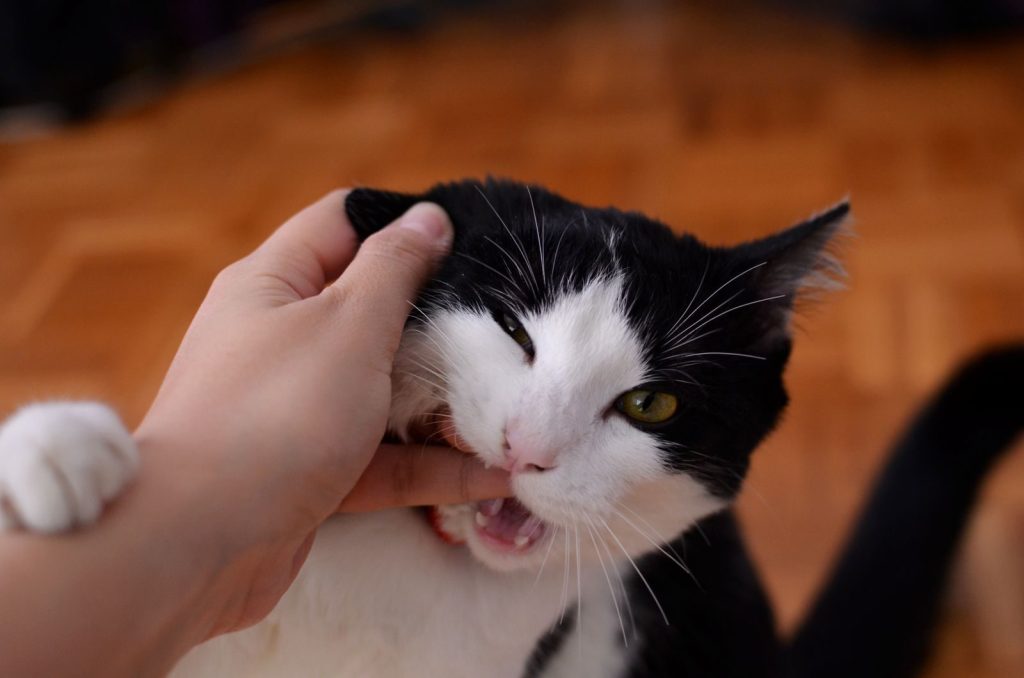
Gentle biting can be normal during feline play. Claws are generally retracted and neither cat should repeatedly emerge with injuries.
Angry Body Language Looks Different

Flattened ears, a tense posture and a strongly swishing tail can indicate that a cat feels threatened or annoyed. Hissing, growling or screeching makes a genuine conflict more likely.
Older Cats Need Breaks
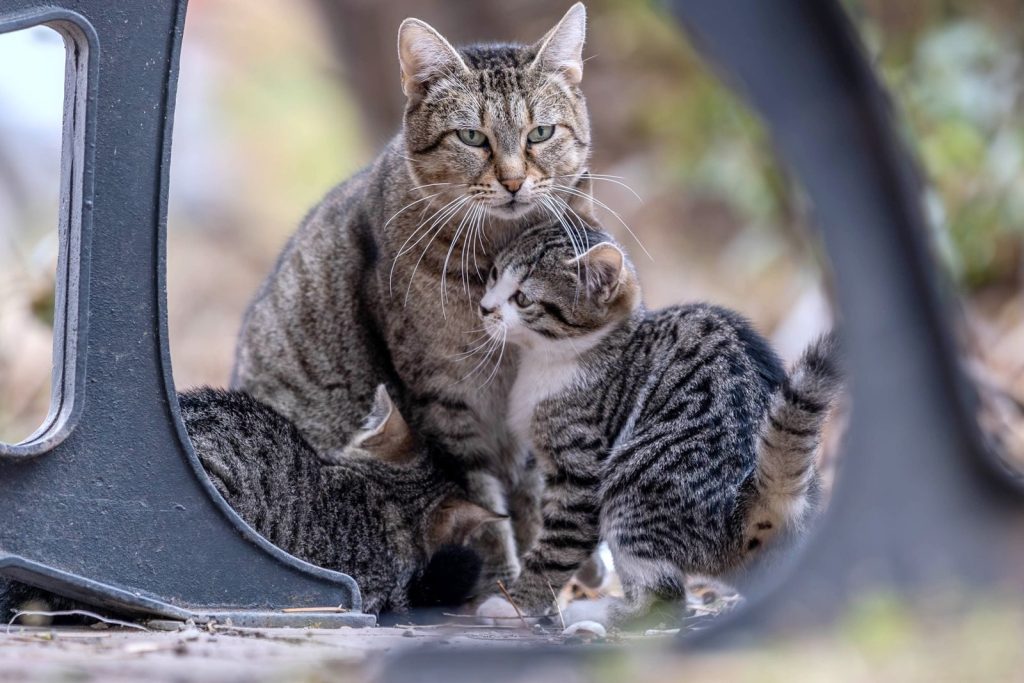
An adult cat may tolerate a playful kitten without wanting constant wrestling. Cats Protection recommends giving the older cat places the youngster cannot easily reach and tiring the kitten with appropriate play.
Interrupt Real Fights Safely
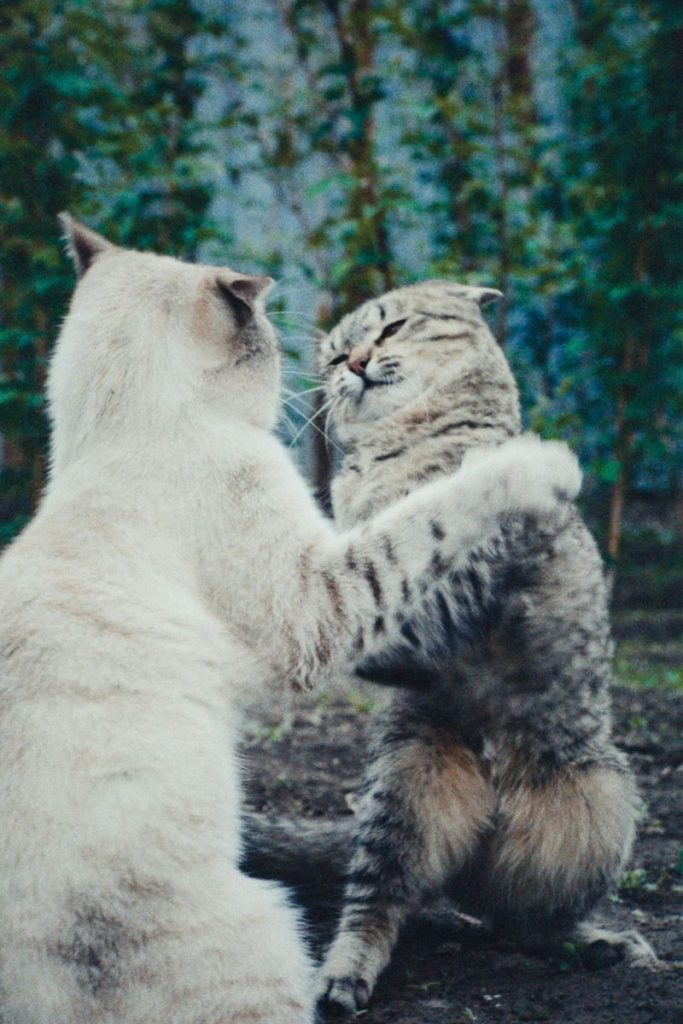
If a genuine fight develops, do not put your hands between the cats. Cats Protection recommends distracting them and giving both animals time to calm down rather than physically grabbing fighting cats.
A Losing Fight May Be Play

The small kitten being repeatedly toppled by a bigger companion can look dramatic on video. If both cats keep returning, switching roles and remaining relaxed afterward, the apparent mismatch may still be normal play.
Featured Image: Photo by Ahmet Yüksek ✪ on Pexels