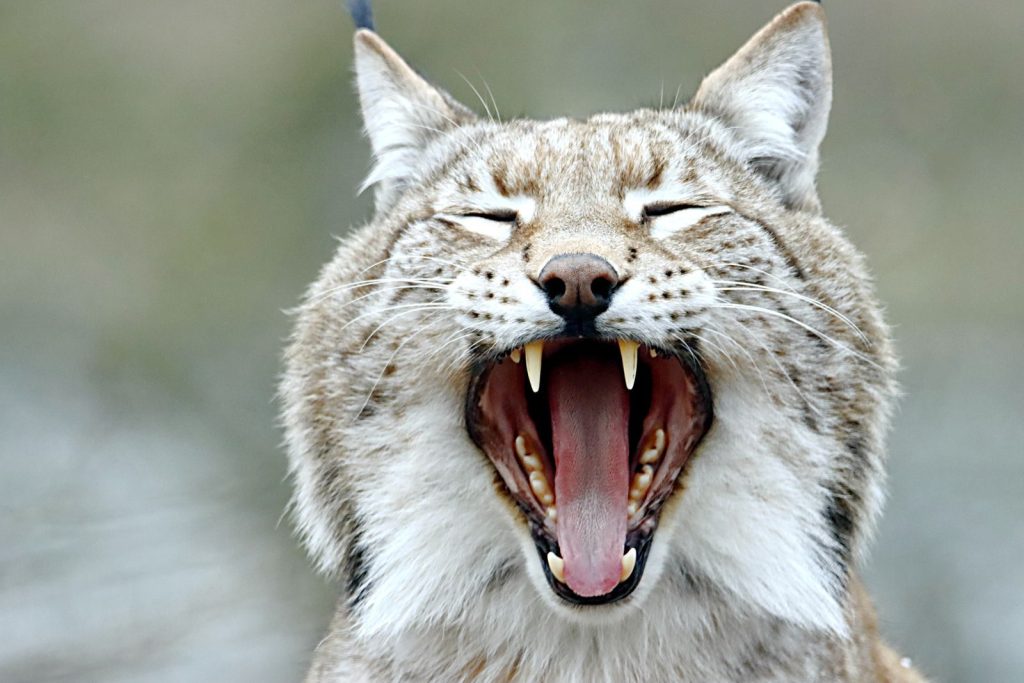

Many outdoor enthusiasts worry that encountering a wild cat in the woods means immediate danger. We assume these silent hunters are naturally aggressive toward humans.
But wildlife experts state that bobcats are actually very quiet and avoid confrontation. Knowing how to react can keep both you and these beautiful felines safe.
Spotting Wild Bobcat Prints
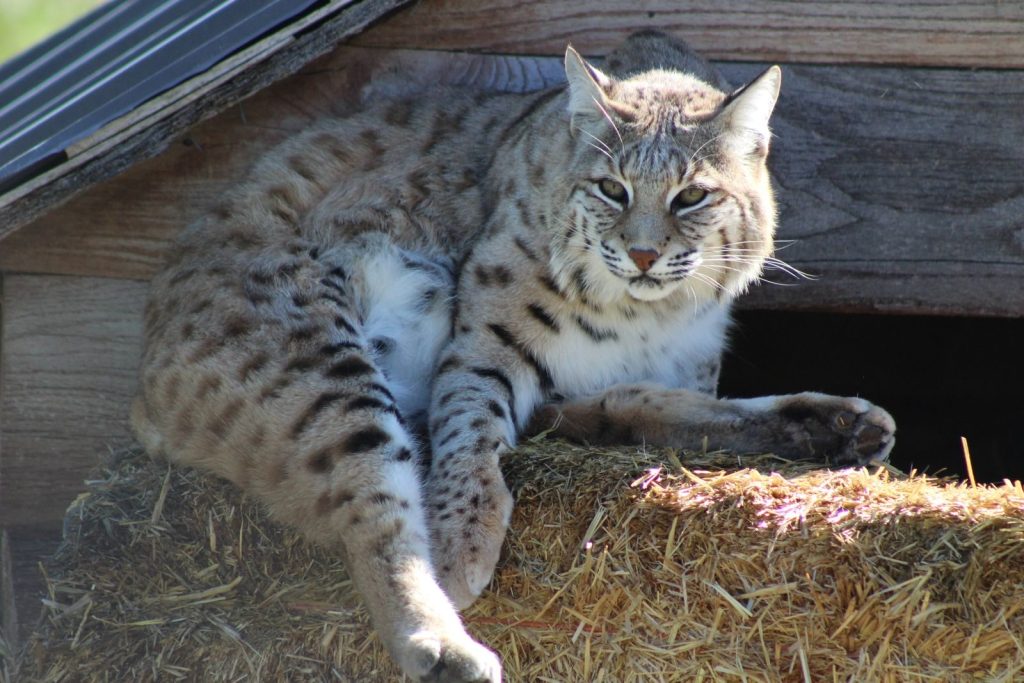
Learning to identify tracks can help you recognize when wild felines are nearby. Knowledge is safety. According to the US Fish and Wildlife Service, bobcat tracks look like large house cat prints but lack claw marks because their claws retract. Spotting these round prints means a wild cousin has passed through. But knowing their active hours is even more helpful.
Avoiding Active Hunting Hours
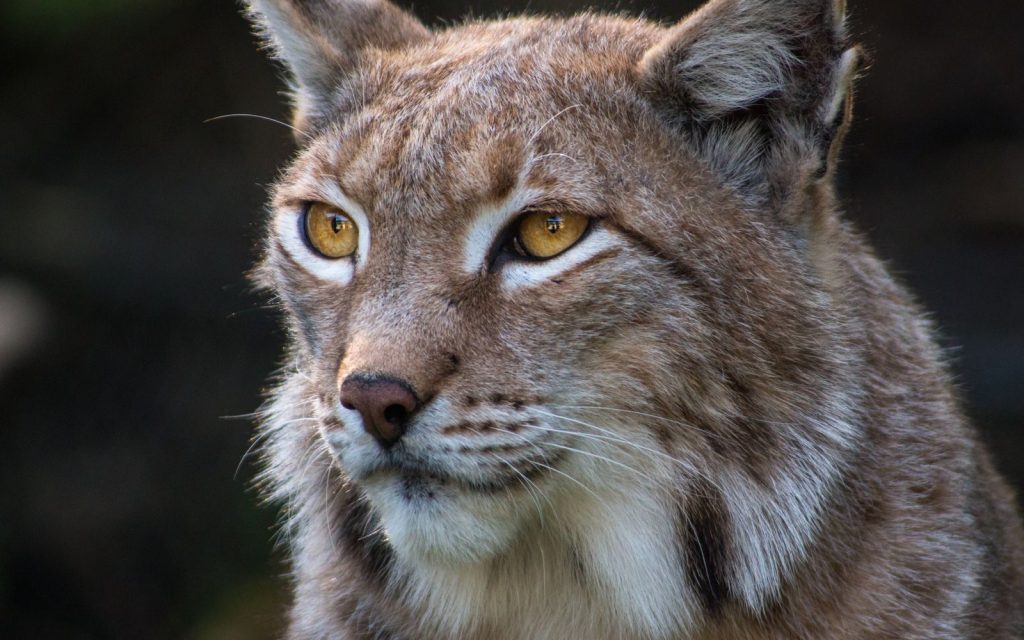
Wild felines prefer to hunt when the woods are quietest. Timing is key. According to reports from the National Park Service, bobcats are most active during twilight hours at dawn and dusk. Planning your outdoor hikes during bright midday hours significantly reduces your chances of a surprise meeting. Yet some encounters can still happen on quiet trails.
Standing Tall During Meetings
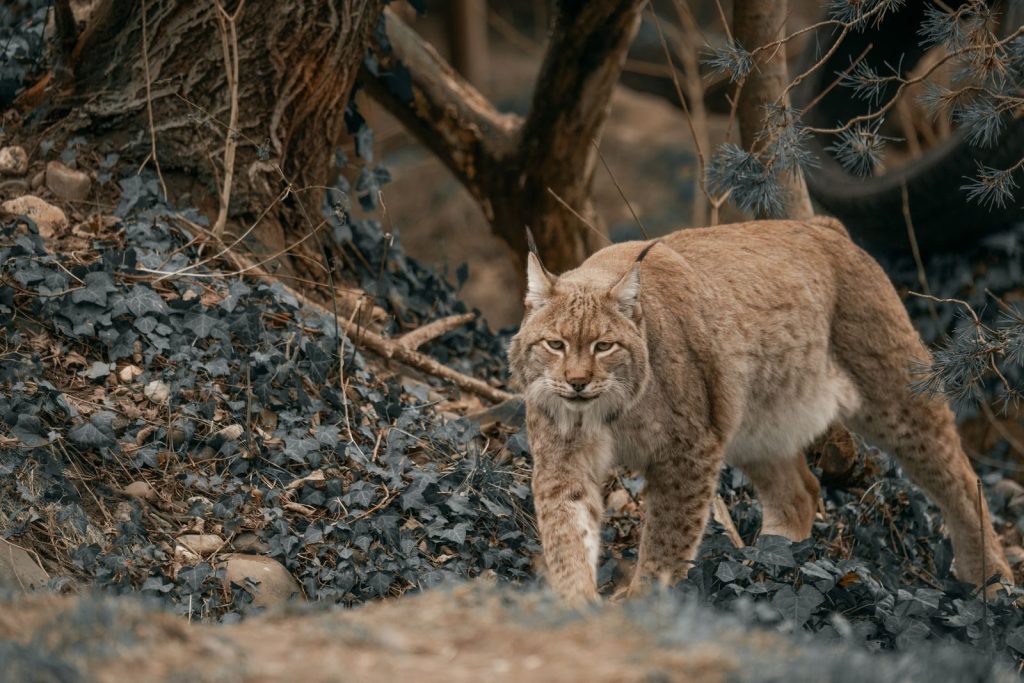
If you see a bobcat, do not turn your back to run. You must stay calm. According to the California Department of Fish and Wildlife, running can trigger a feline natural chase instinct. Instead, wave your arms and speak in a loud, firm voice to make yourself look large. This simple action usually convinces the cat to slip away. But pet safety requires another critical step.
Keeping Companion Dogs Leashed
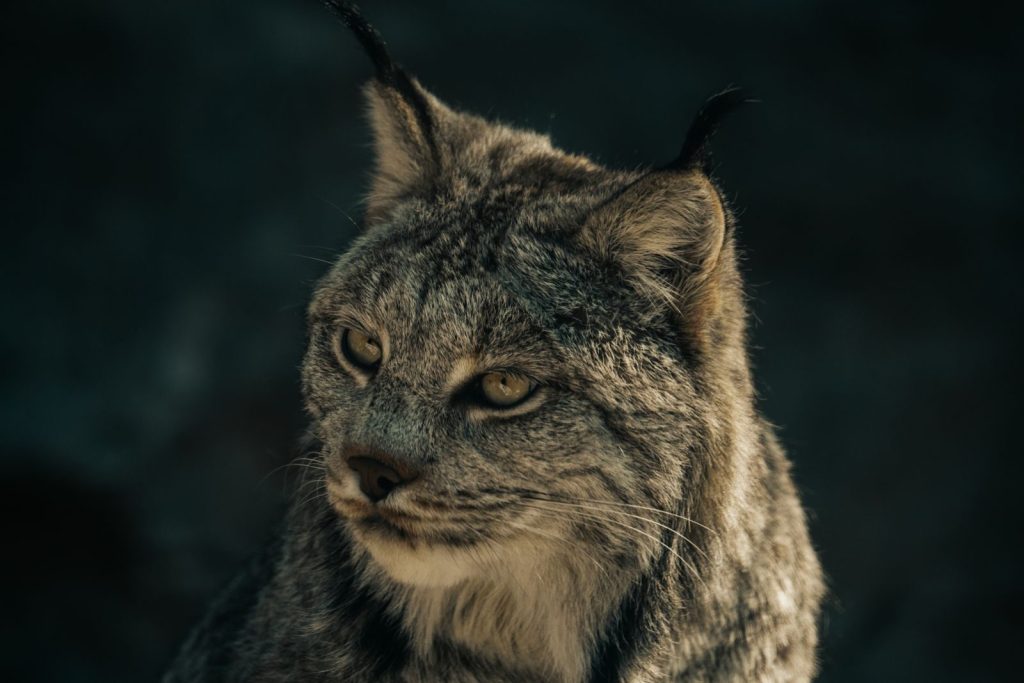
Off leash dogs are the most common cause of negative wildlife encounters on trails. Leashes save lives. According to guidelines from the National Park Service, keeping your dog on a short leash protects them from native predators. A wild cat will always defend itself if cornered by an excited dog. However, backyard safety is just as important as trail safety.
Securing Your Home Borders
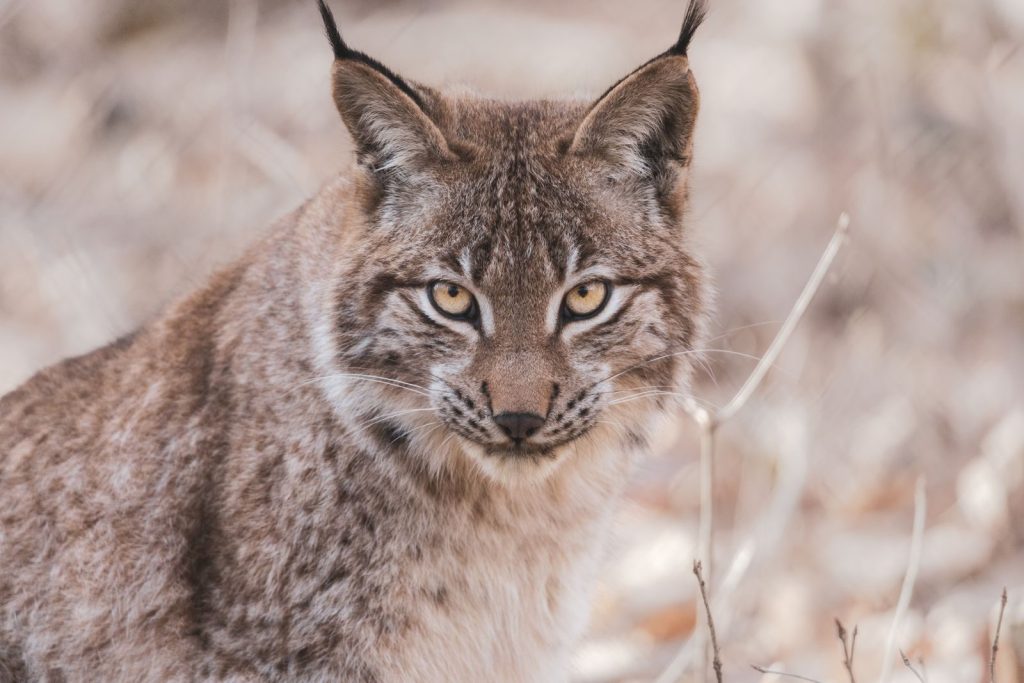
Bringing pet food indoors prevents wild animals from visiting your yard. Securing food works. According to reports from the Humane Society of the United States, leaving pet food outside acts as a strong invitation for hungry wildlife. Keeping trash cans tightly sealed also protects native animals from developing unhealthy habits. Fortunately, creating a natural barrier is very simple.
Trimming Thick Yard Brush
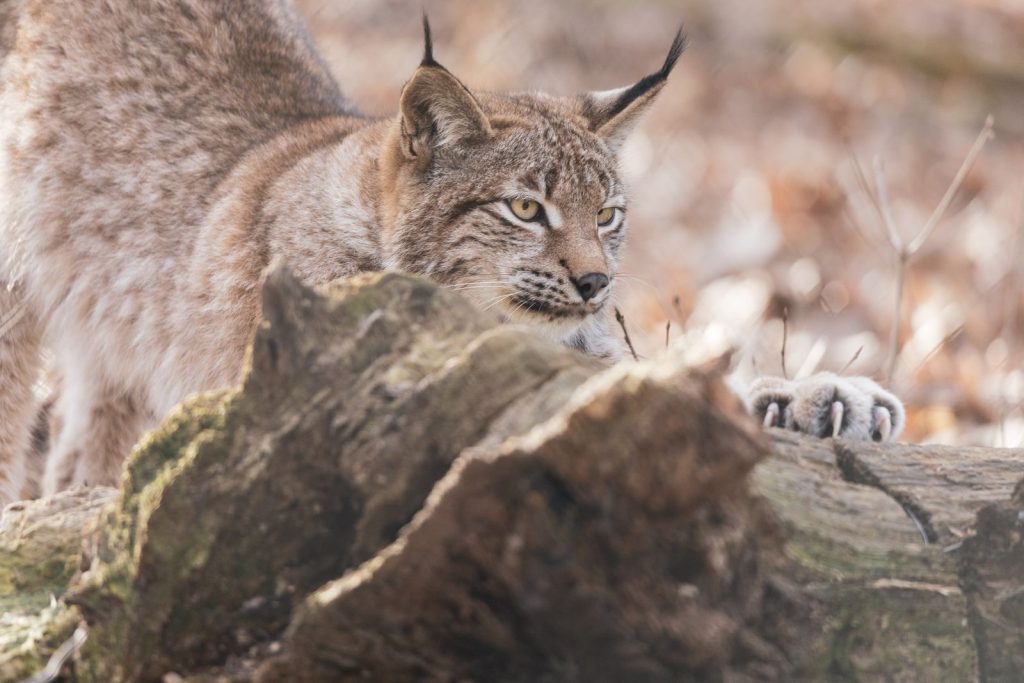
Bobcats love to use dense vegetation for hiding while they hunt. Keep yards clear. According to the Arizona Game and Fish Department, clearing away low brush and tall grass near your home removes potential hiding spots. This simple yard work keeps native felines from resting near your porch. This smart setup ensures a wonderful outcome for everyone.
Coexisting With Wild Felines
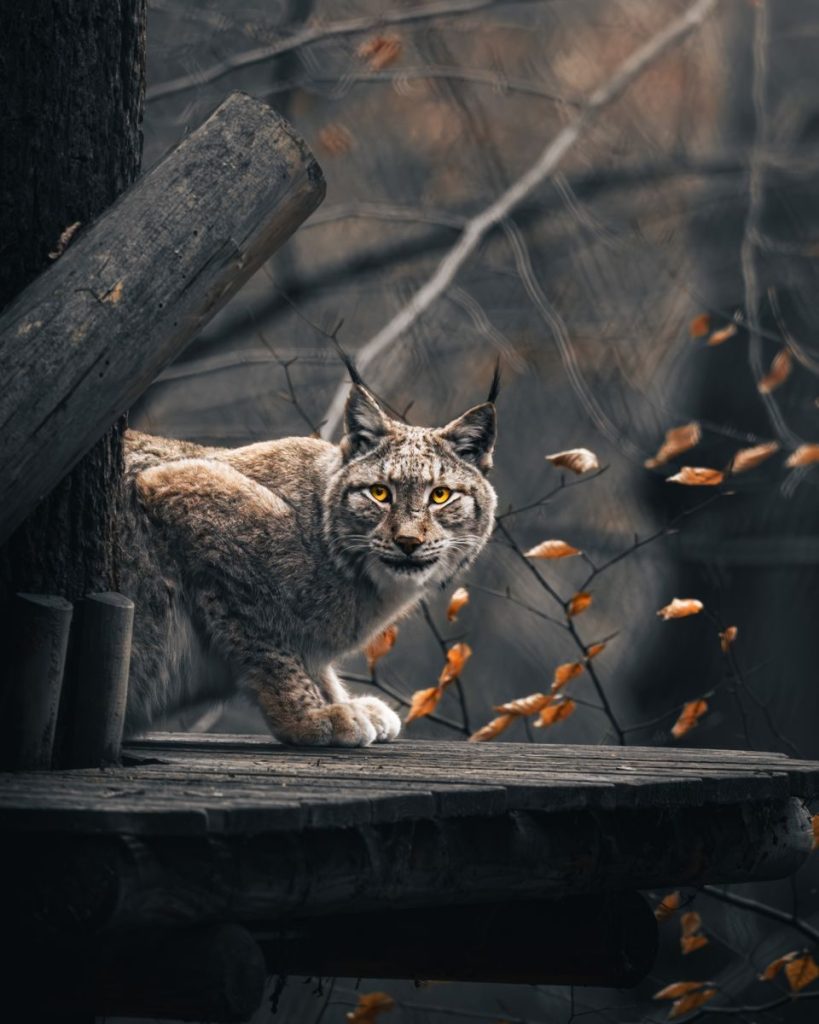
Sharing our natural spaces with wild cats is a beautiful part of outdoor life. Respect keeps us safe. According to the US Fish and Wildlife Service, wild bobcats are a vital sign of a healthy forest ecosystem. Cherish these incredible predators from a respectful distance. This article is for informational purposes only.
Featured Image: Photo by patrice schoefolt on Pexels