

You are traveling down a busy city street when you spot two tiny, helpless eyes staring from the concrete. Spontaneous animal rescues can happen at any moment.
Knowing exactly what to do in those first critical minutes can mean the difference between life and death for fragile street kittens. Here is how to handle a sudden rescue safely.
Assessing the immediate danger of the area

Your first priority during a rescue is safety. Look around for moving traffic, loose dogs, or other immediate environmental hazards before approaching the animals. If the kittens are in a dangerous spot, move slowly to prevent scaring them into deeper trouble. A panicked kitten will run directly into danger. But getting close to them requires a very gentle touch.
Approaching with slow and calm movements
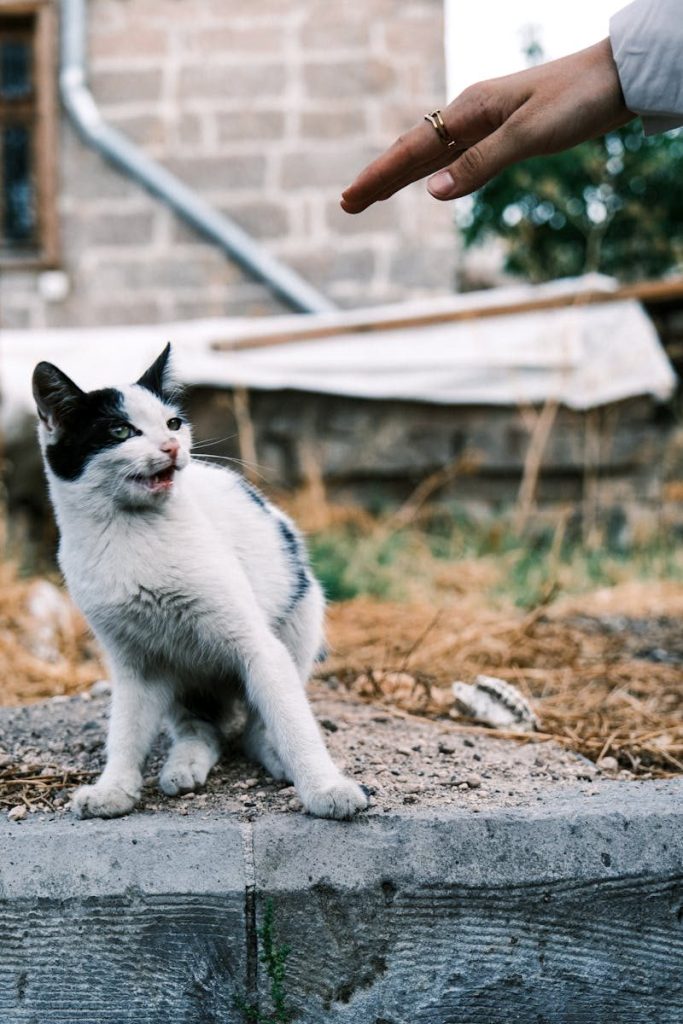
Street kittens are usually terrified of humans and will hiss or hide. Lower your body to the ground to make yourself look smaller and less threatening. Speak in quiet, soothing tones to calm their nerves. Sudden movements will cause them to bolt immediately. However, you should never try to grab them with your bare hands.
Using a soft towel for protection
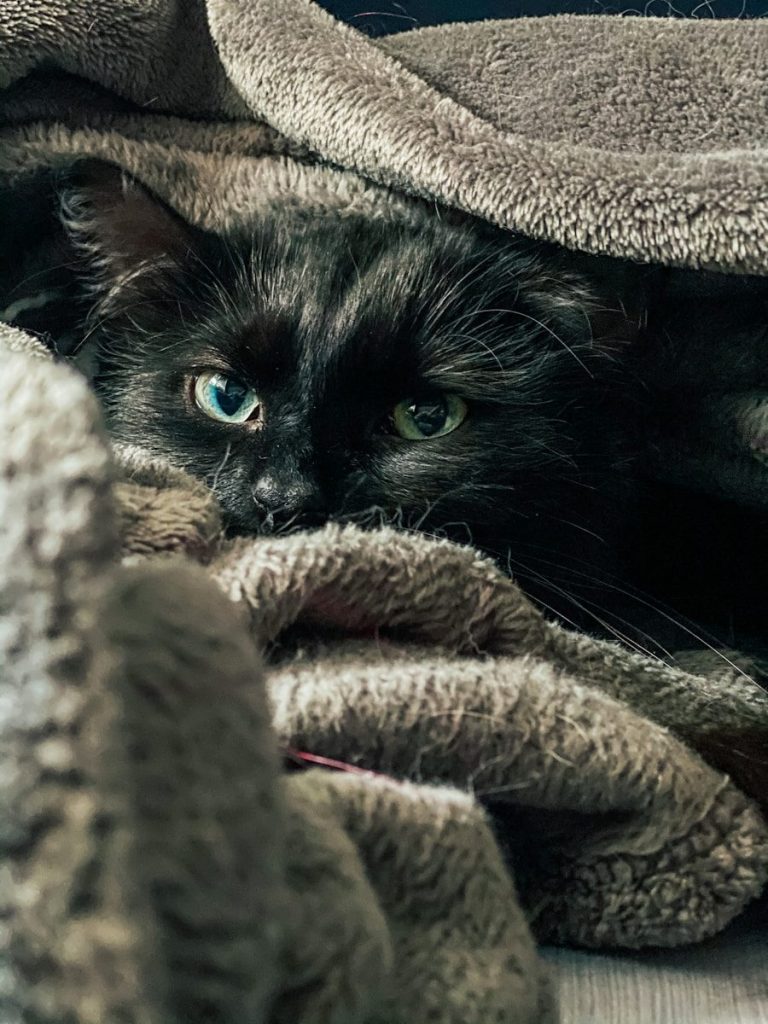
Always use a towel, shirt, or jacket to gently wrap the kittens. This soft barrier protects your hands from sharp claws and teeth while keeping the animals calm. The dark wrap mimics a cozy nest, which naturally lowers their stress levels. Once they are safely secured, you must find a secure way to transport them.
Finding a safe container for transport

A cardboard box, a zipped bag with ventilation, or a proper pet carrier is essential for travel. Never let a rescued kitten loose in a moving vehicle. They can easily slip under the pedals or cause a dangerous distraction. Keeping them contained keeps everyone safe on the road. But their immediate physical needs must be met as soon as you arrive.
Providing immediate warmth and shelter

Tiny kittens cannot regulate their own body temperature. According to the ASPCA, a cold kitten is in immediate medical danger and cannot digest food. Set up a warm, quiet room with a heating pad wrapped in blankets. This cozy sanctuary helps them decompress and warm up safely. But you must be extremely careful before offering them anything to eat.
The danger of feeding a cold kitten
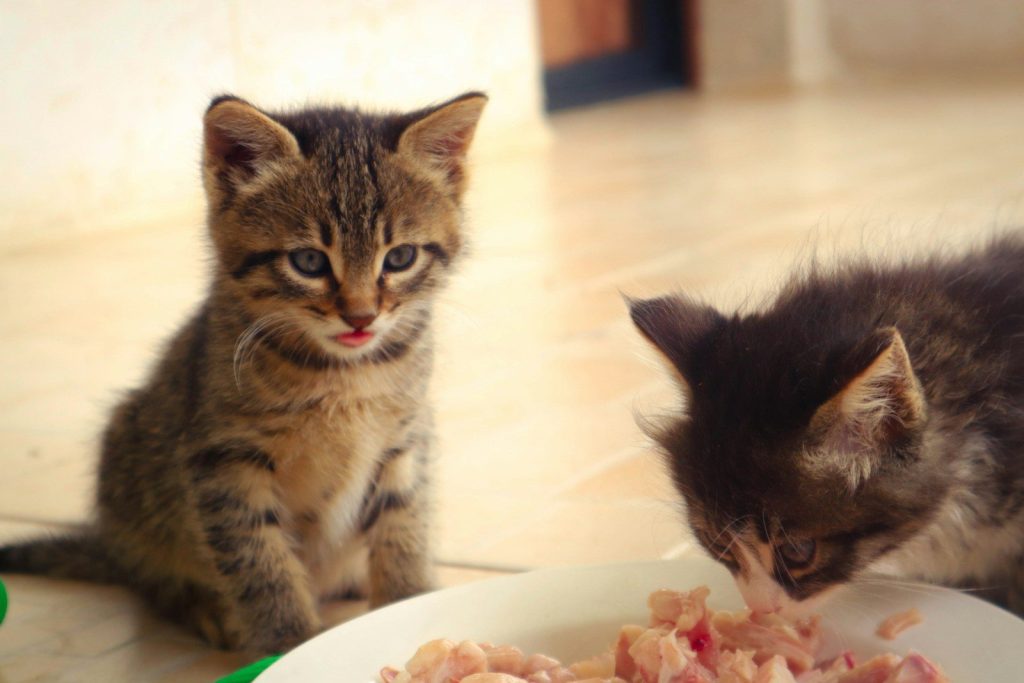
Never feed a kitten until their body is completely warm. Attempting to feed a cold animal can cause their digestive system to shut down, which is fatal. This article is for informational purposes only and does not constitute veterinary advice. Once they are warm, offer water or specialized kitten formula. But a professional medical check is the next crucial step.
Getting a rapid veterinary assessment
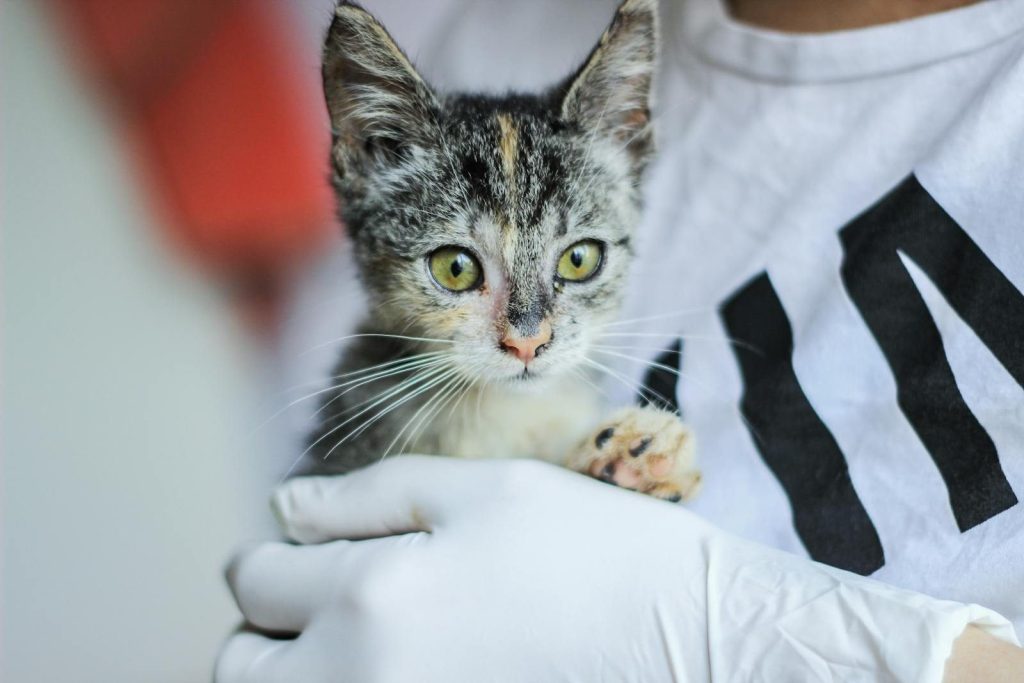
Rescued kittens often suffer from dehydration, parasites, or infections. According to the American Veterinary Medical Association, a professional checkup is vital to catch hidden illnesses early. A vet can determine their exact age and prescribe the correct treatment plan. This early medical care sets them up for a healthy future. But the ultimate reward of this journey is unmatched.
Watching street survivors turn into pets
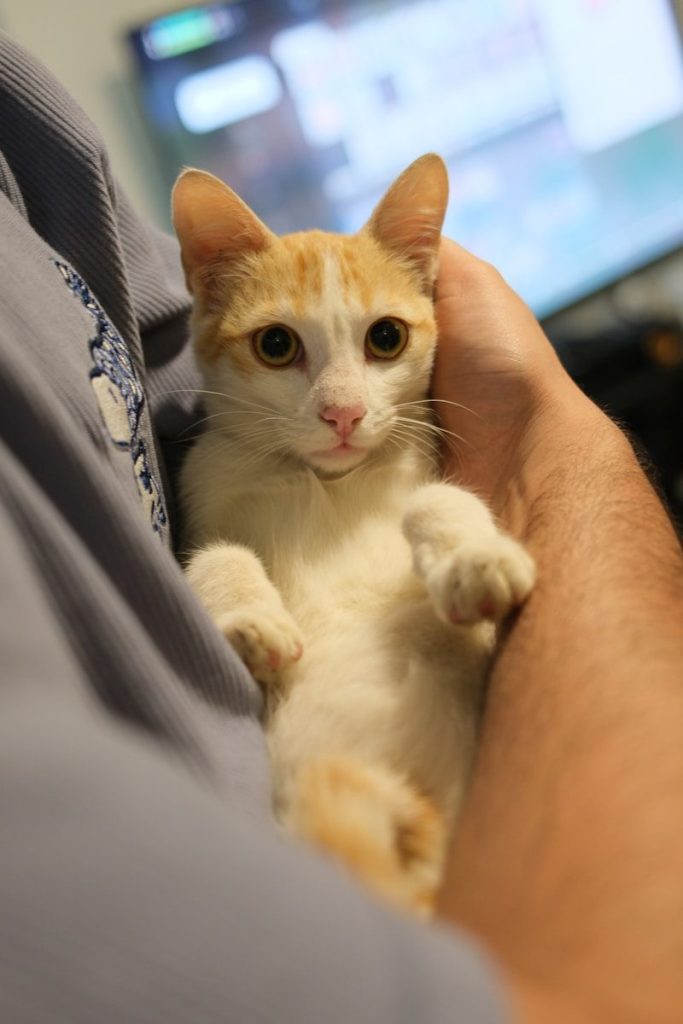
With patient care and love, terrified strays quickly transform into playful, affectionate family members. You have officially saved their lives and rewritten their entire future. The bond you share with a rescued animal is incredibly strong and lasting. It is a beautiful reminder that a single kind act can change a world forever.
Featured Image: Photo by Lala Azizli on Unsplash