

Welcoming a new litter of kittens is a beautiful, highly emotional milestone for any pet owner. We expect nature to handle the process smoothly.
But sometimes, a mother cat faces severe physical complications during delivery that put her life at risk. Knowing how to spot these warning signs can save her and her babies.
Understanding Feline Labor Phases

Feline labor typically progresses through three distinct stages, starting with restless nesting behavior. The mother will seek a quiet, dark spot. According to the Cornell Feline Health Center, active contractions should lead to the birth of the first kitten within an hour. If she strains intensely without progress, a serious complication may be occurring. You must watch her body language closely.
Spotting The Critical Delay Signs

If more than two hours pass between kittens, this indicates a medical emergency. She is struggling. Extreme lethargy, heavy panting, or bloody discharge are additional warning signs that require immediate action. According to reports from the American Veterinary Medical Association, physical blockages in the birth canal can quickly become fatal. You must know when to call a professional clinic.
Contacting Your Emergency Veterinarian
Never attempt to pull a stuck kitten yourself, as this can cause permanent internal damage. Call your clinic immediately. Describe her symptoms and the exact timeline of her contractions to the veterinary team. They can prepare a specialized delivery room or advise you on the next safe step. But there are ways to prevent these emergencies.
Preparing A Quiet Nesting Area

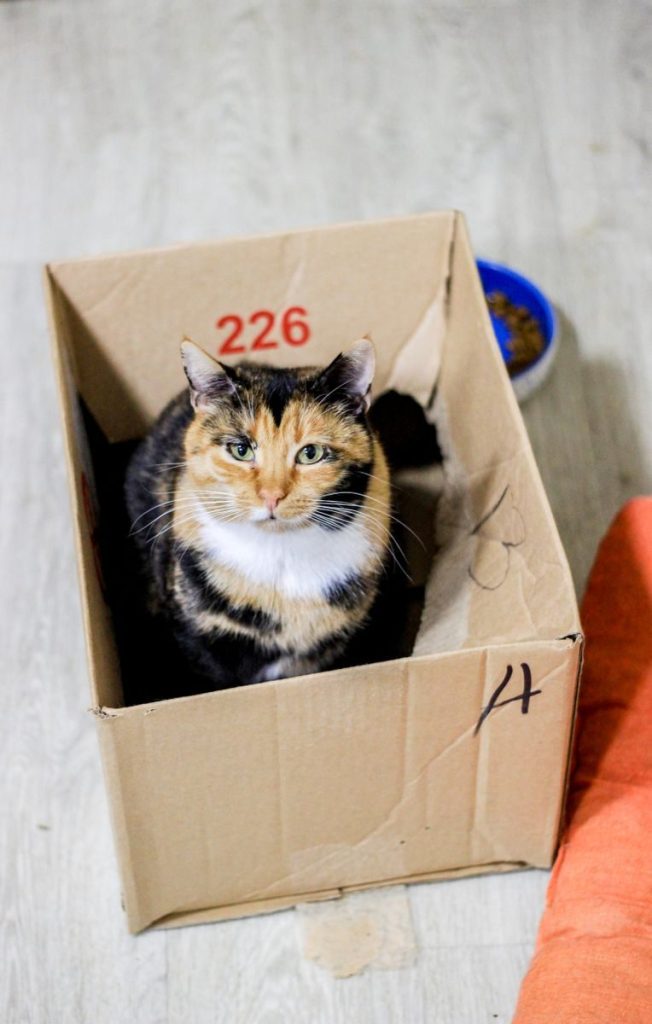
Stress can easily stall labor, putting the mother and babies at higher risk. Set up a cozy covered box in a quiet, warm room away from household traffic. Line the nest with clean towels and keep fresh water nearby at all times. This peaceful environment helps her relax and focus on her delivery. But proper nutrition is also vital.
High Quality Nutrition Needed
Pregnant felines require extra calories packed with vital proteins and healthy fats. Provide high-quality kitten formula. According to veterinary nutritionists, these nutrients build the physical strength she needs for active labor. Keep her well-fed throughout her pregnancy to prevent severe exhaustion during delivery. You must also monitor her behavior for any sudden changes.
Watching For Extreme Exhaustion

While resting between kittens is normal, extreme lethargy or refusing to nurse is a major red flag. This requires attention. If she ignores her babies or shows muscle tremors, call your local clinic immediately. These symptoms can indicate milk fever, a severe calcium deficiency. Creating a quiet space is the first step toward keeping her safe.
Post Delivery Care Essentials

Once the delivery is complete, ensure the mother immediately begins cleaning and nursing her babies. This contact is vital. The first milk, known as colostrum, offers essential antibodies that protect the newborns from infections. Keep the family warm and secure to allow them to heal safely. There is one final check to make tonight.
Keep Veterinary Numbers Nearby

Always keep your local emergency clinic number saved on your phone during her pregnancy. This article is for informational purposes only and does not constitute veterinary advice. Your careful planning ensures a safe, happy transition for both the mother and her beautiful new babies.
Featured Image: Photo by Engin Akyurt on Pexels