
Most owners assume their aging cats are just naturally slowing down as they grow older. They accept sleeping longer and jumping less as unavoidable signs of aging.
But veterinarians explain that these physical shifts often mask silent health discomfort. Creating a cozy, accessible home can drastically improve their final golden years.
Spotting Subtle Mobility Shifts
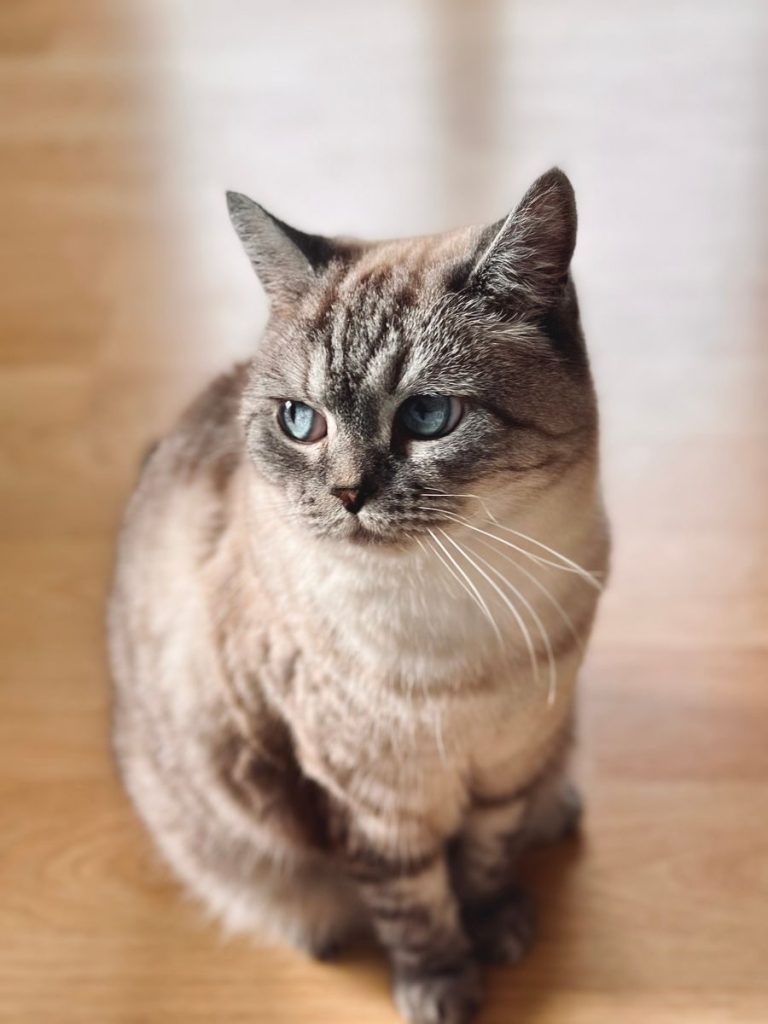
Senior cats rarely limp or cry out when their joints begin to ache. They suffer quietly. According to diagnostic reports from the American Veterinary Medical Association, older felines show joint discomfort by simply avoiding high jumps. They sleep on the floor. But we can easily modify our furniture to help them reach their favorite places.
Adding Gentle Pet Ramps
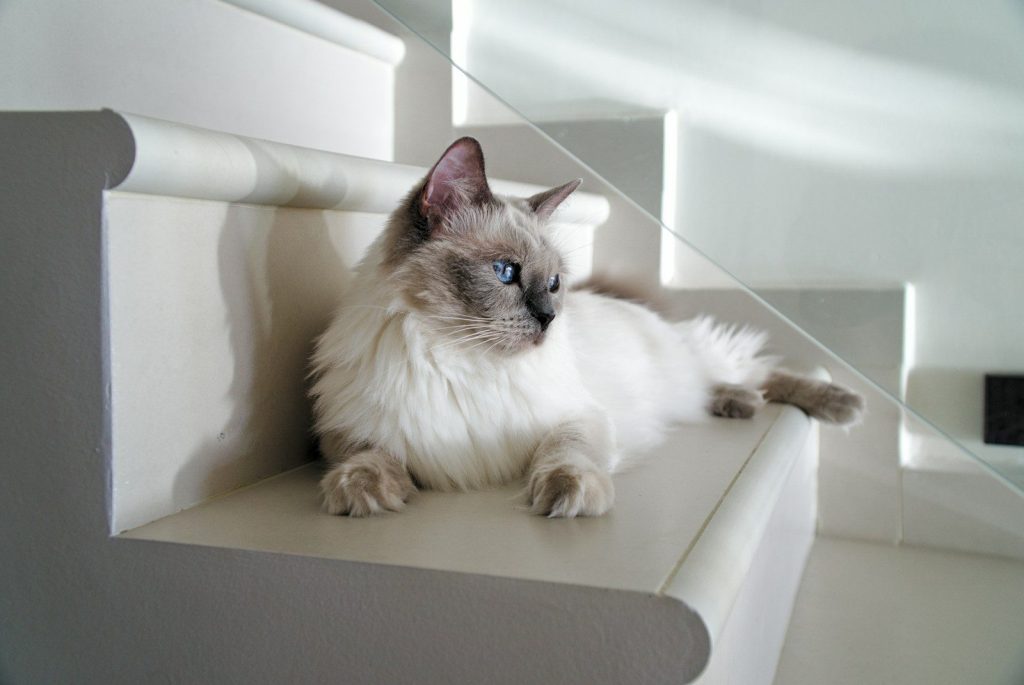
Placing carpeted steps next to your bed or sofa allows your senior pet to climb without pain. Movement becomes easy. According to joint wellness studies from the Cornell Feline Health Center, reducing impact on aging joints prevents further physical decline. They regain their independence. But physical comfort also depends heavily on how we manage their nutrition.
Adjusting Feeding Bowl Heights
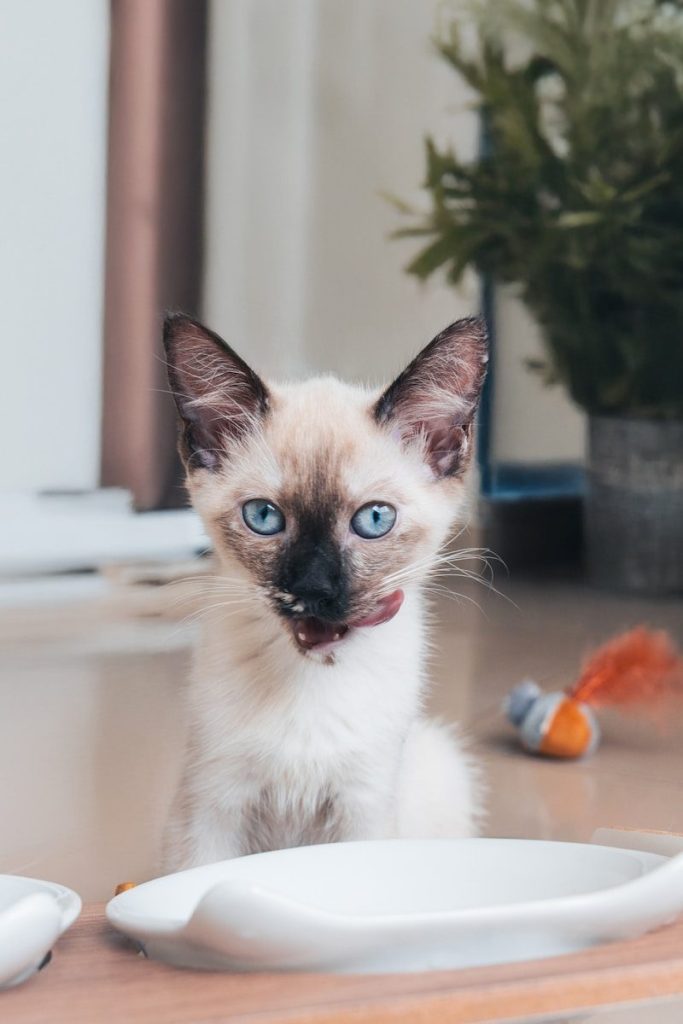
Elevating your cat’s food and water bowls prevents them from straining their neck while eating. Eating should be comfortable. According to nutritional guidelines from the Journal of Feline Medicine and Surgery, raised dishes reduce digestive stress in senior pets. They finish their meals happier. But their thermal needs also change as they lose muscle mass.
Providing Heated Sleep Spots
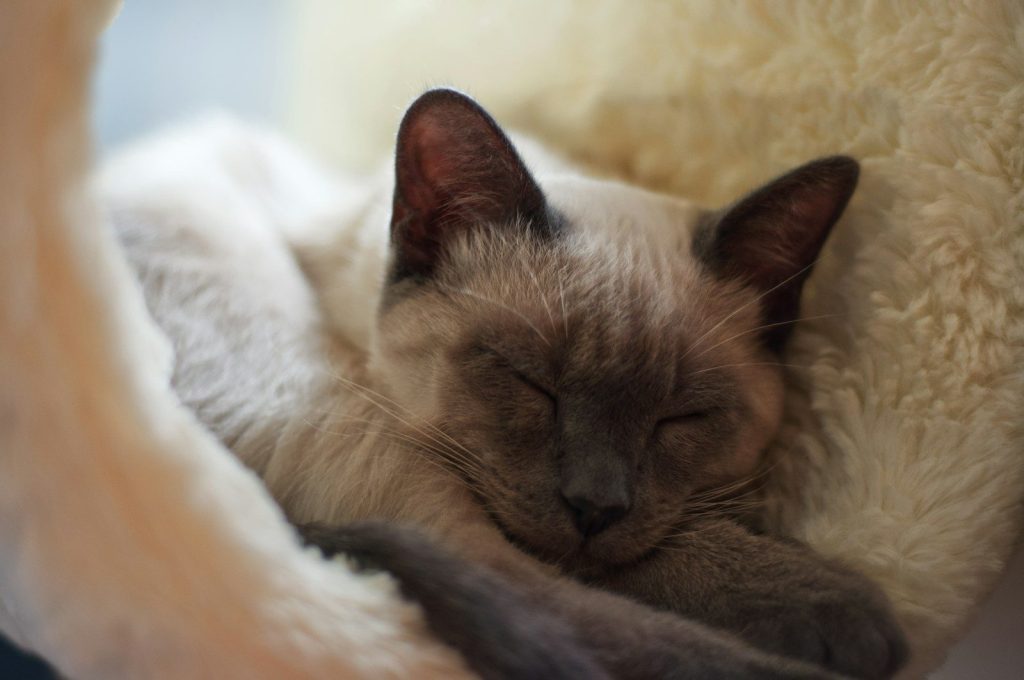
Aging cats struggle to regulate their body temperature and constantly seek out warm spaces. Warmth brings relief. According to comfort research from the ASPCA, offering a safe low-voltage heated bed eases joint stiffness. They relax much faster. But we must also consider how easily they can access their litter box.
Upgrading To Low Entry Boxes
High plastic sides on standard litter boxes can be incredibly difficult for arthritic legs to cross. Accessibility is key. According to behavioral guidelines from the San Diego Humane Society, senior cats need entry points under three inches to avoid accidental messes. They feel secure. But maintaining their physical appearance also requires extra help from us.
Assisting With Daily Grooming
Older cats often lose the flexibility required to clean their own hard-to-reach spots. They appreciate help. According to veterinary guidelines from the American Association of Feline Practitioners, gentle daily brushing prevents painful matting and promotes healthy circulation. Their coats stay beautiful. But behavioral changes can also signal a need for veterinary attention.
Recognizing Sudden Vocal Changes
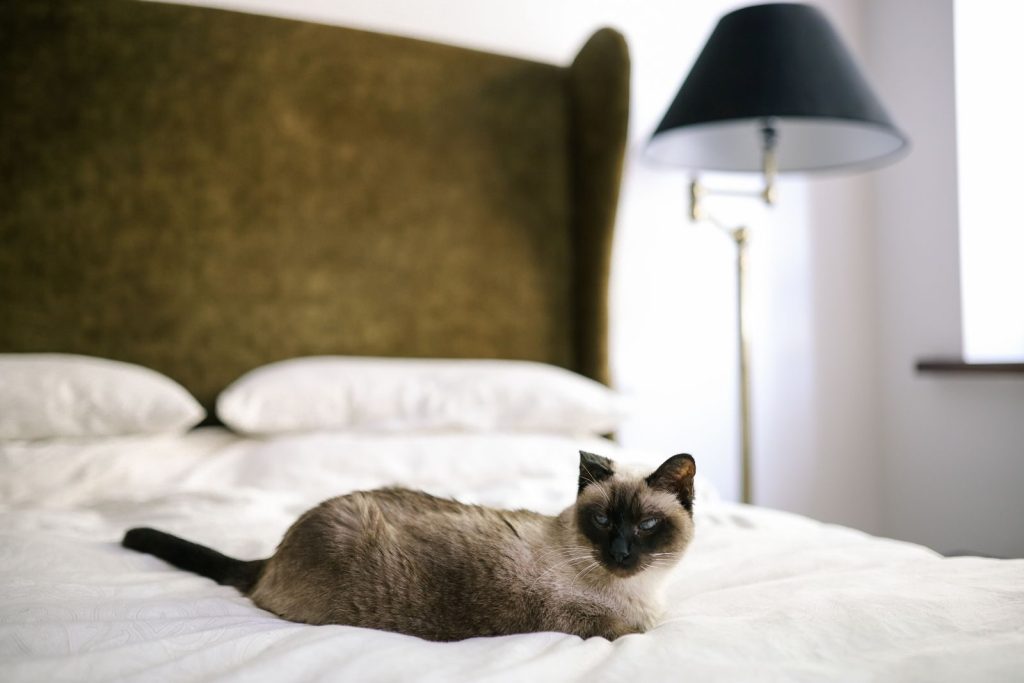
Seniors who suddenly start meowing loudly at night may be experiencing mild confusion or sensory loss. Quiet routines help. According to research from Oregon State University, keeping a nightlight active near their water dish reduces nighttime anxiety. They feel guided. But regular veterinary checkups remain the ultimate tool for managing their pain safely.
Cherishing Their Golden Years
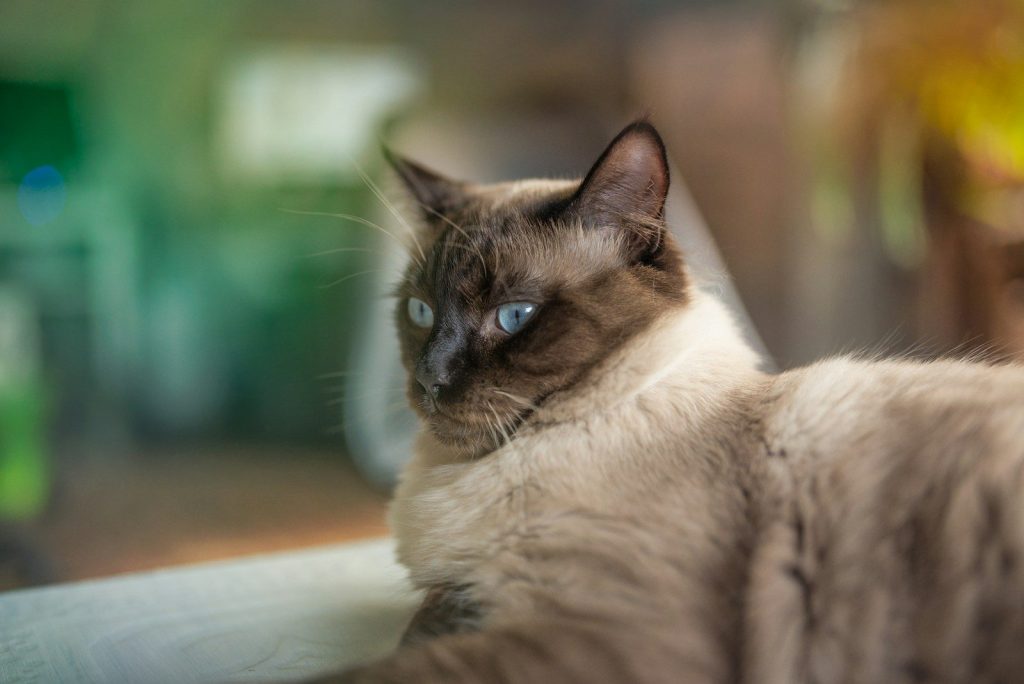
Helping your aging companion navigate their senior years with dignity is a beautiful gift. Small adjustments to your living space can make a massive difference in their daily happiness. Cherish every quiet purr from your loyal partner. This article is for informational purposes only and does not constitute veterinary advice.
Featured Image: Photo by Egor Kunovsky on Pexels