

Most wild feline species thrive in dense forests or grassy savannahs near water sources. Lush environments offer abundant prey and shelter from harsh outdoor elements.
But the rare sand cat lives comfortably in scorching arid deserts across North Africa and Asia. This small predator possesses amazing adaptations that baffle wildlife researchers.
Living In Extreme Temperatures

Sand cats inhabit vast deserts where temperatures routinely spike past one hundred degrees. Life is harsh. These feline hunters remain cool by sleeping in underground burrows during hot daylight hours. According to wildlife biology studies, burrow temperatures stay significantly lower than surface temperatures during peak afternoon sun. Their night routine reveals even more remarkable traits.
Furry Paws Built For Sand
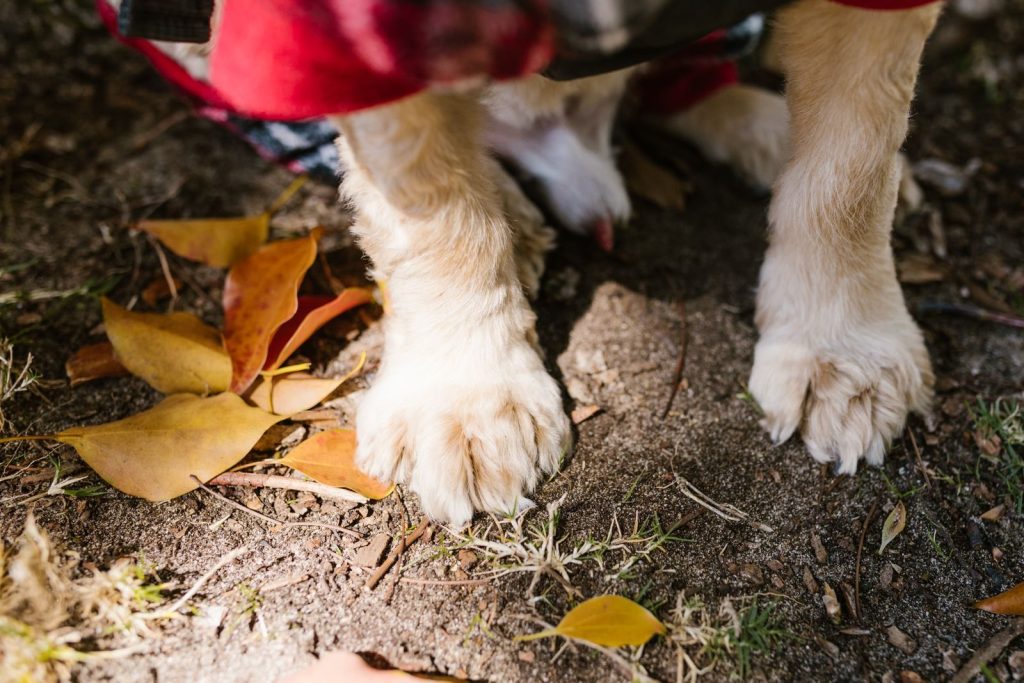
Thick fur covers the soles of a sand cat’s paws completely. Nature designed them well. This specialized coat protects their delicate footpads from burning on blistering desert ground. According to desert mammalogy research, foot fur also prevents sinking while sprinting across loose sand dunes. But their hunting prowess extends beyond agile footsteps.
Navigating Dark Desert Nights
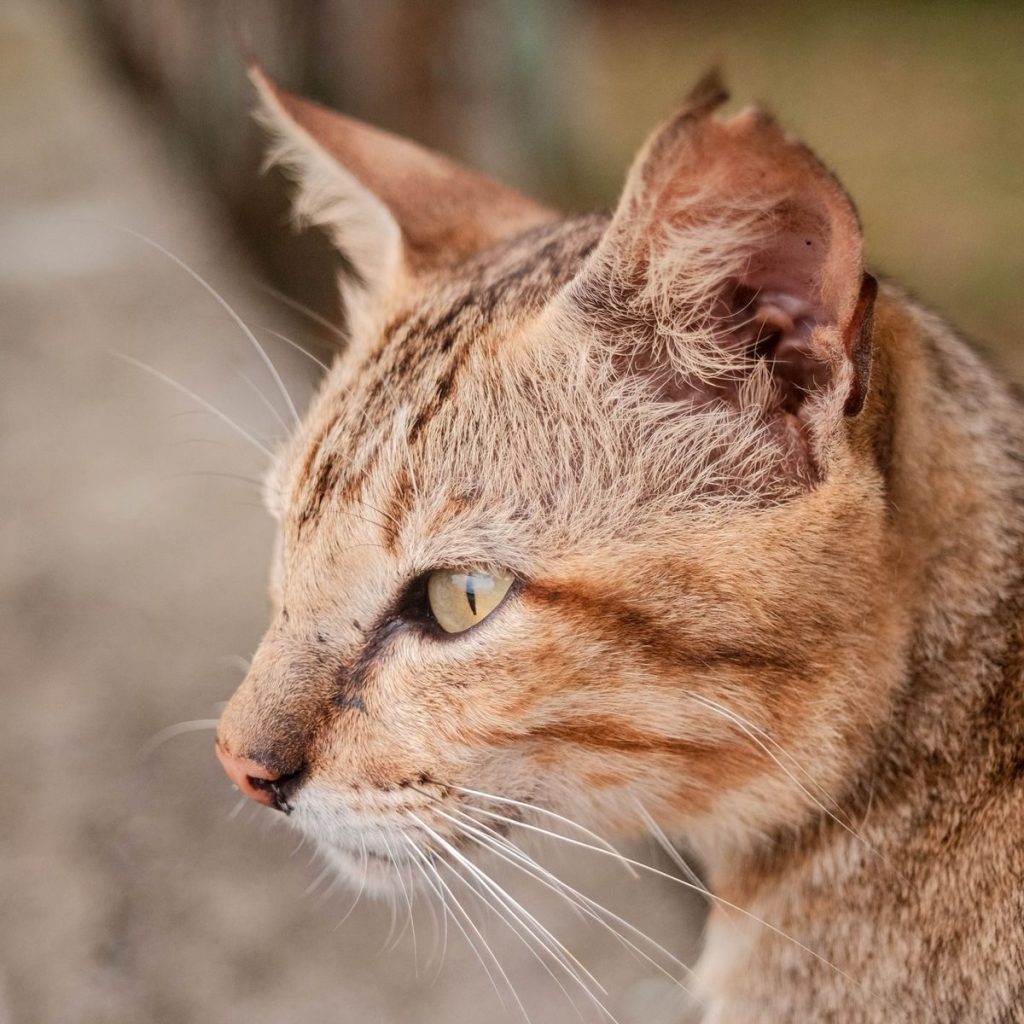
Large, wide ears sit low on the sand cat’s broad, flat head. Hearing is exceptional. These oversized ears capture subtle vibrations from prey moving underground across vast distances. According to zoological field reports, sand cats detect small rodents’ burrows through deep layers of sand. Yet their water needs present an even bigger mystery.
Surviving Without Standing Water
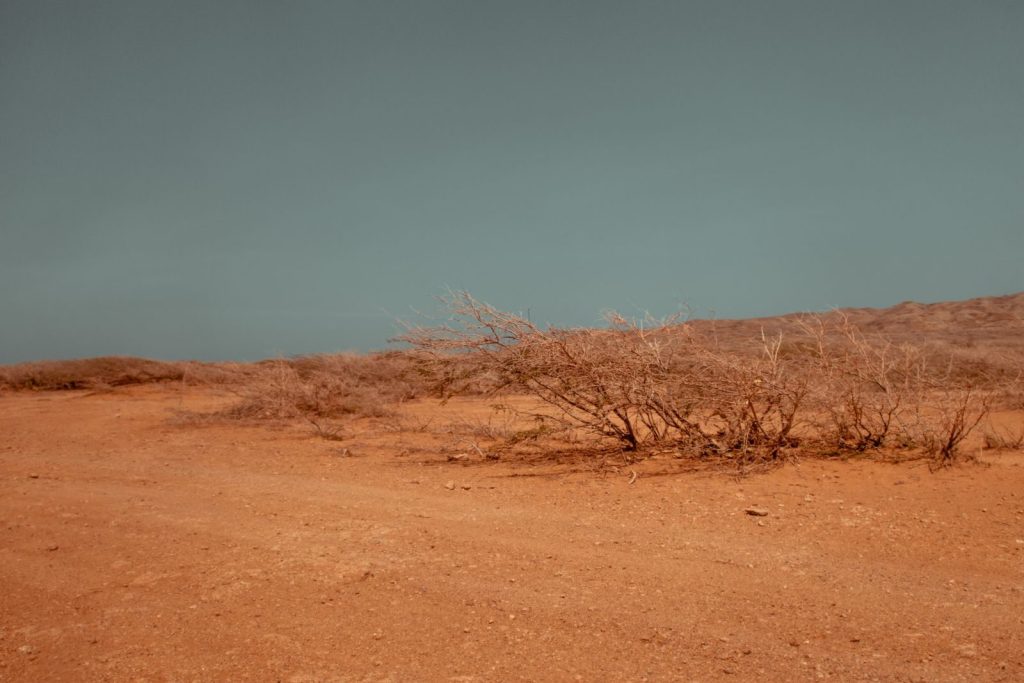
Sand cats rarely drink liquid water throughout their entire adult lives. Hydration comes naturally. They obtain all necessary moisture directly from the prey animals they consume nightly. According to desert ecology records, this unique metabolic adaptation allows sand cats to thrive far from oases. But tracking them in the wild remains nearly impossible.
A Master Of Natural Disguise
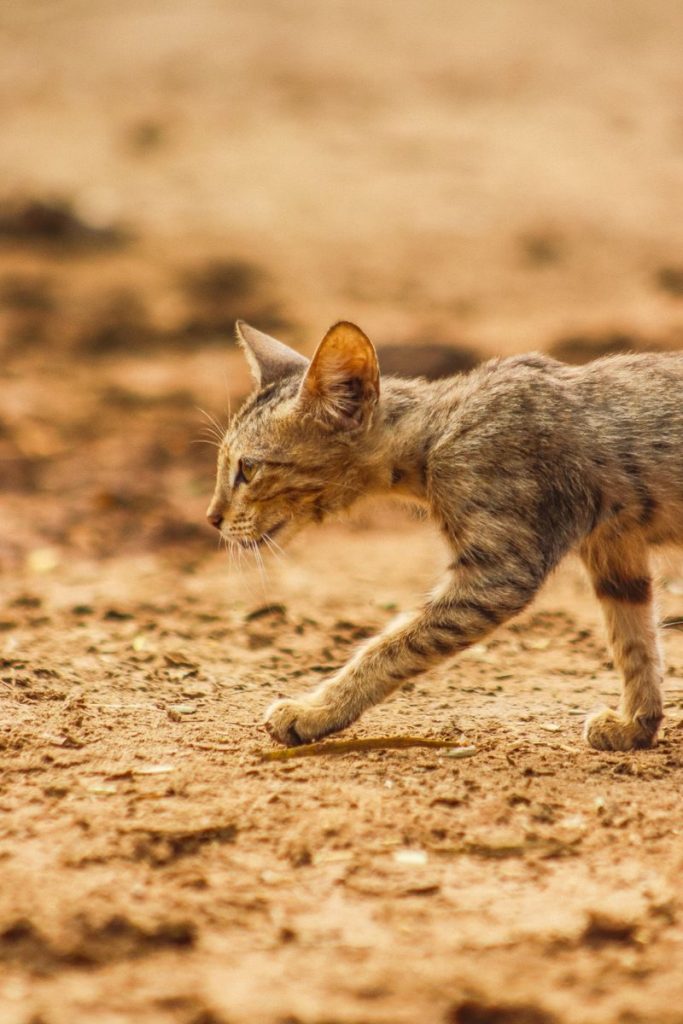
Pale sandy fur blends seamlessly into surrounding desert terrain at all times. Camouflage works flawlessly. When approached by humans, sand cats close their eyes to hide glowing reflections. According to wildlife researchers, this clever behavior makes spotting sand cats at night extremely difficult. Their secretive nature raised conservation concerns among experts.
Conservation Challenges In Arid Zones

Habitat loss and human development threaten several wild sand cat populations today. Protection is vital. Conservationists work continuously to monitor desert ecosystems and prevent habitat fragmentation. According to global wildlife protection groups, tracking sand cat populations requires non-invasive camera traps across thousands of square miles. Scientists recently made an encouraging discovery.
New Sightings Inspire Hope

Infrared camera traps recently captured footage of sand cat kittens in wild burrows. Hope remains strong. Researchers documented healthy litters thriving in remote desert sanctuaries without human disturbance. According to international feline conservation studies, protected wilderness zones allow fragile wild populations to rebound naturally. One final takeaway highlights their legendary status.
Protecting The Smallest Desert Ruler
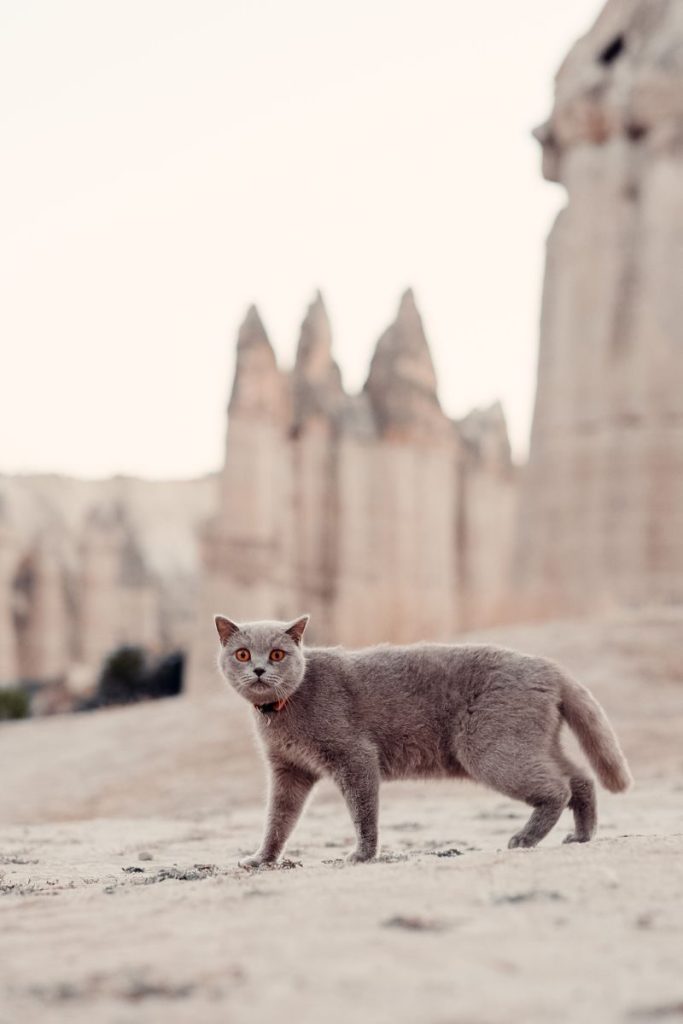
The resilient sand cat remains a testament to nature’s remarkable adaptability in extreme climates. Protection efforts continue worldwide. According to global conservation funds, preserving arid wilderness safeguards countless specialized desert species for future generations. This article is for informational purposes only.
Featured Image : Photo by maminounou on Pixabay


