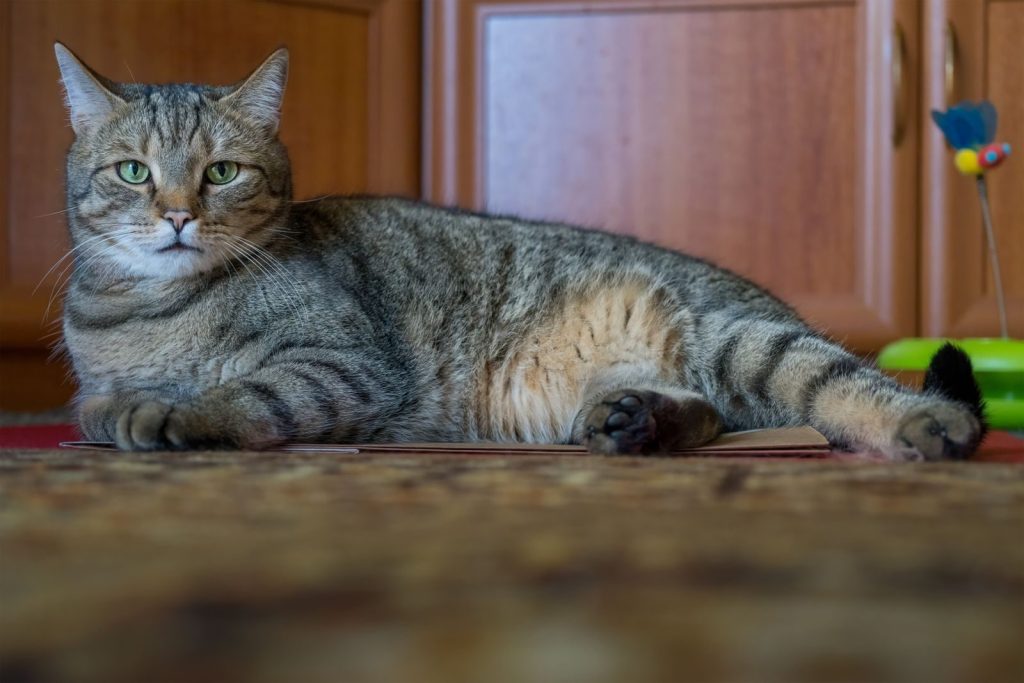

You bring a new baby home or spend the weekend working late. Suddenly, your quiet tabby cat transforms into a highly dramatic, attention-seeking roommate.
Many pet owners believe felines are aloof animals who prefer absolute solitude. But feline behaviorists warn that cats experience complex social emotions that can trigger intense household mischief.
Knocking your favorite coffee mugs off tables
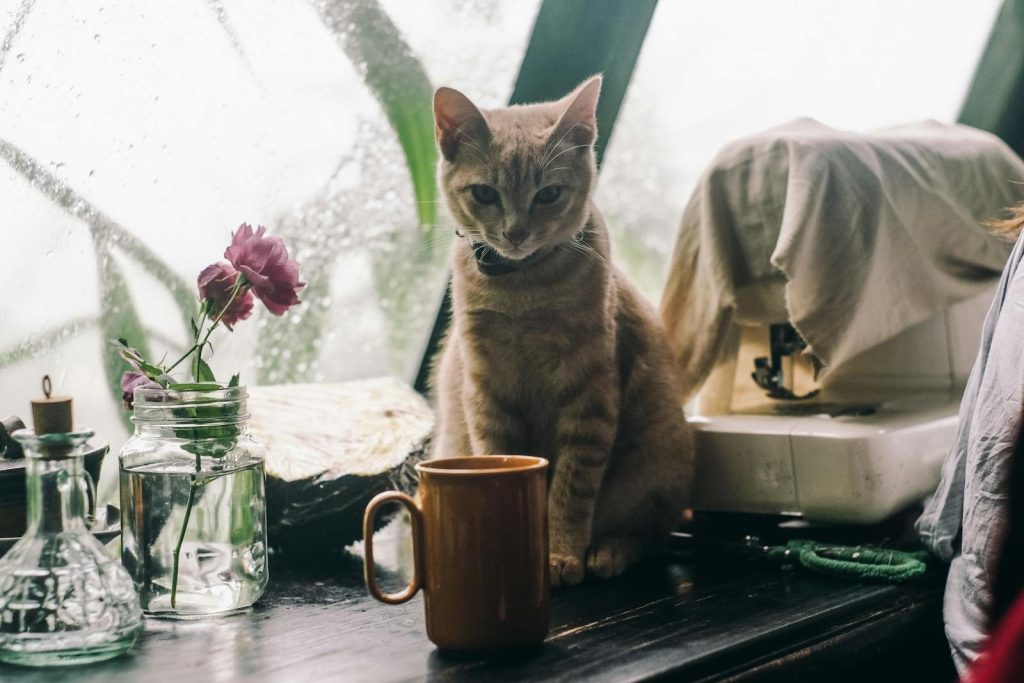
Cats quickly learn which human items are fragile and valuable to you. When they feel ignored, they will sit on the counter and swat a glass directly onto the floor. This behavior is not malicious destruction. It is a highly effective way to force you to look at them immediately. But their attention-seeking plans can get much louder.
Screaming loudly at the closed office door
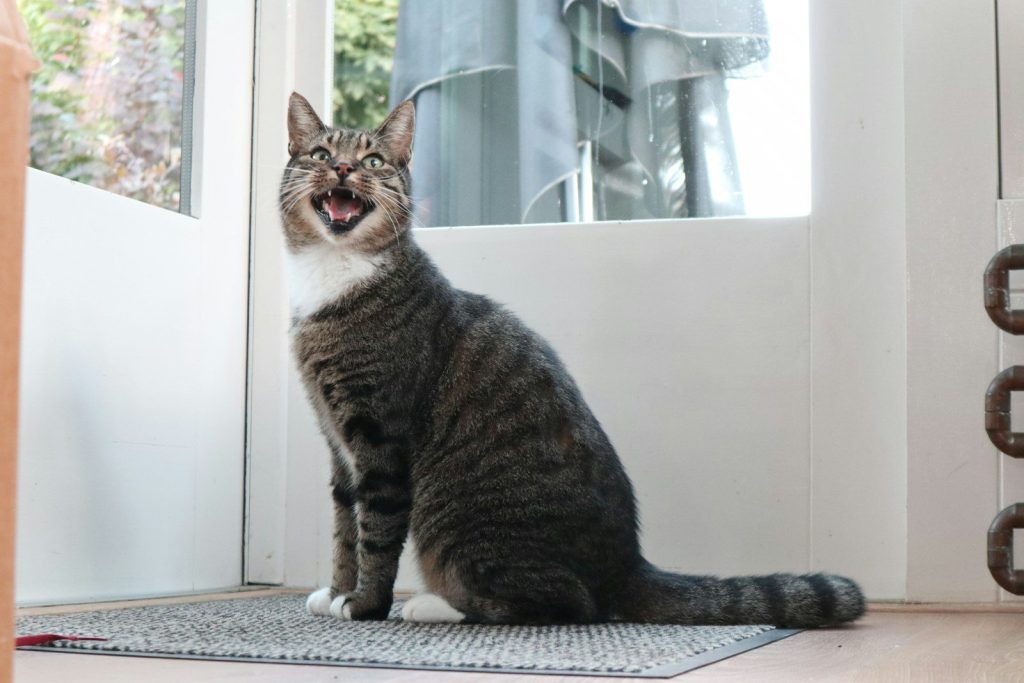
Felines view your entire house as their personal, secure territory. Shutting them out of a room triggers their intense curiosity and territorial anxiety. They will sit outside and vocalize nonstop until you surrender and open the door. Yet, this social distress can show up in a much more frustrating daily habit.
Lying directly across your computer keyboard

Your laptop is a major source of your attention and warmth. When your pet steps onto the keys, they are physically blocking your view to redirect your focus to their soft fur. Feline behaviorists suggest giving them a designated spot near your desk to ease their worry. Otherwise, their jealousy might target another household member.
Showing subtle irritation toward a new puppy
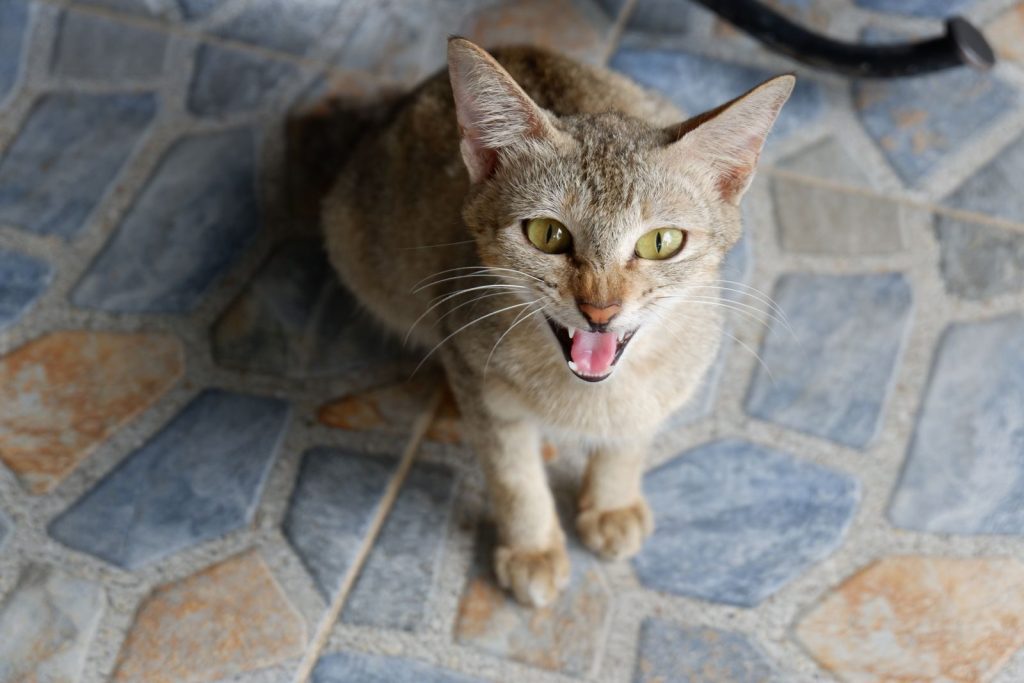
Introducing a new pet can turn a quiet cat world completely upside down. According to the ASPCA, sudden changes in the home can trigger chronic stress in felines. Your tabby might hiss or block the hallway to keep the new arrival away from you. Fortunately, you can fix this rivalry with a simple feeding trick.
Using positive association to restore peace
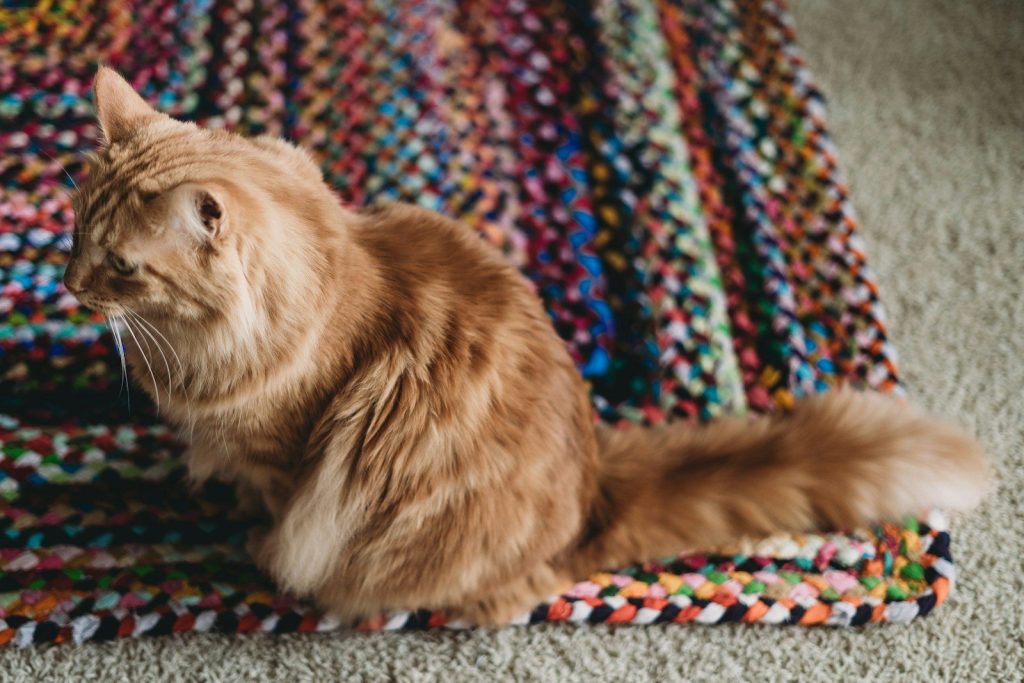
Give your resident cat high-value treats whenever the new pet is in the room. This daily habit teaches their brain to expect happiness and safety when the newcomer approaches. Over time, even a jealous cat will learn to associate the puppy with comfort. But you must also prioritize their personal safe spaces.
Installing tall wall shelves for vertical escape
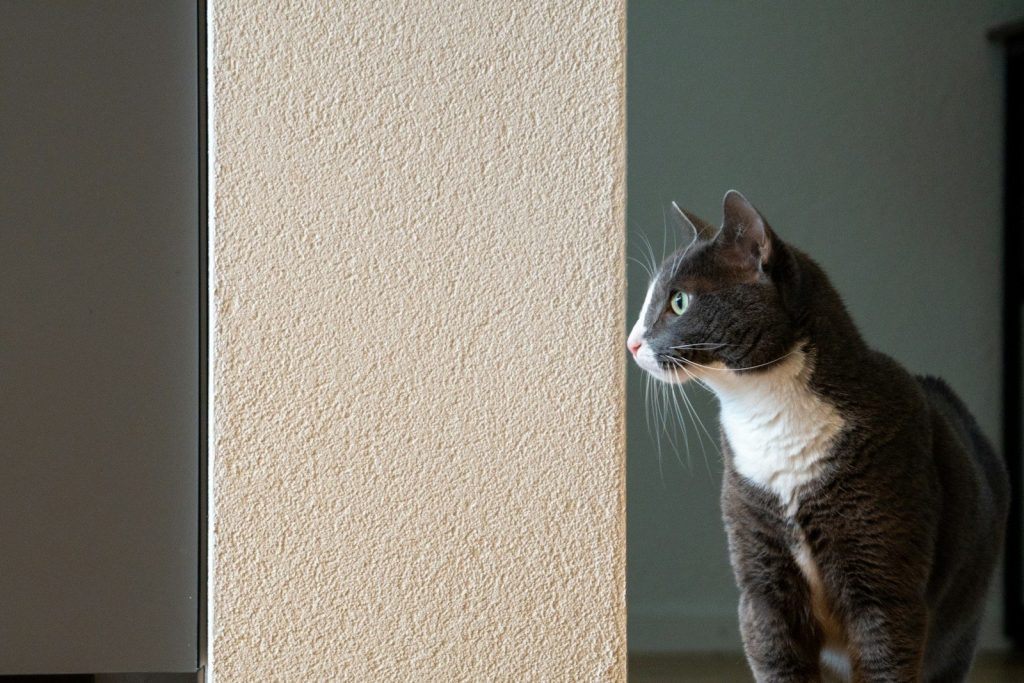
Cats feel immensely secure when they can observe the household from a high vantage point. High perches allow them to escape annoying puppies and relax in peace. The Cornell Feline Health Center emphasizes that vertical space reduces multi-pet conflict significantly. But how do you maintain this peaceful harmony as they get older?
Creating a quiet daily bonding ritual

Dedicating ten minutes to interactive play each evening keeps your pet feeling loved and secure. When they know their territory is safe, their mischievous behaviors will naturally disappear. This article is for informational purposes only and does not constitute veterinary advice. Your simple daily patience transforms your home into a perfect feline paradise.
Featured Image: Photo by Gundula Vogel on Pexels