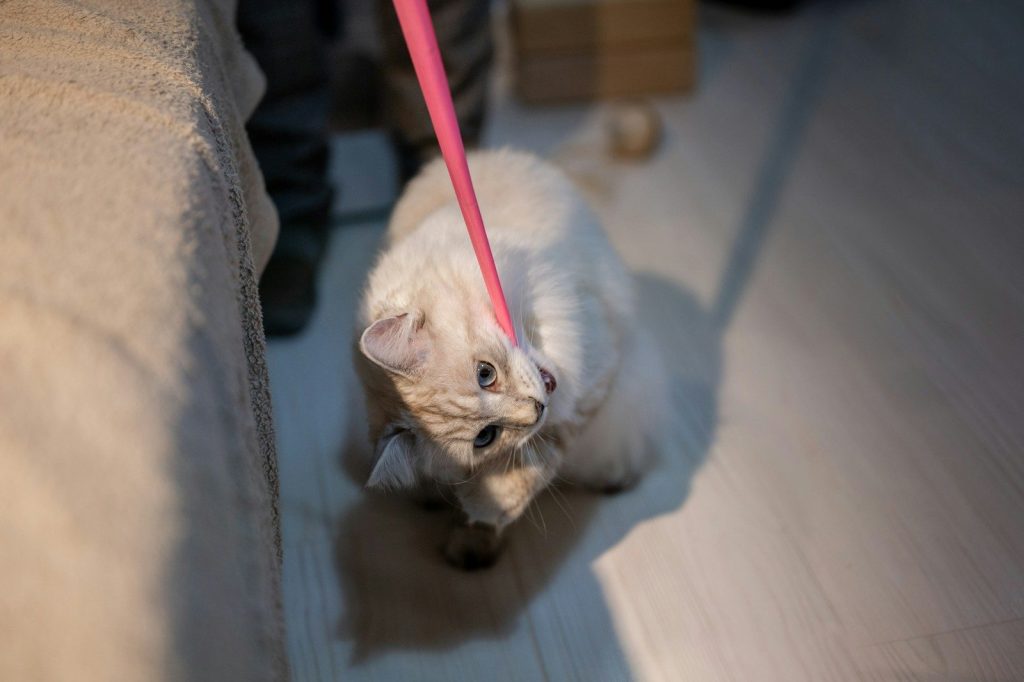

A young girl laughs as her pet cat gently chases a ribbon across the floor. This heartwarming scene represents more than just a sweet family memory.
Pediatricians and animal experts agree that child-pet relationships carry profound developmental benefits. Raising your kids alongside a feline companion shapes their future in surprising ways.
Boosting the natural immune system early

Exposure to pet dander during infancy can actually protect children from developing chronic allergies. According to a study published in the Journal of Allergy and Clinical Immunology, early contact with cats reduces the risk of childhood asthma. Their growing bodies build stronger immune defenses by adapting to natural proteins in the home. But the physical health benefits are only part of the story.
Teaching deep empathy and nonverbal cues
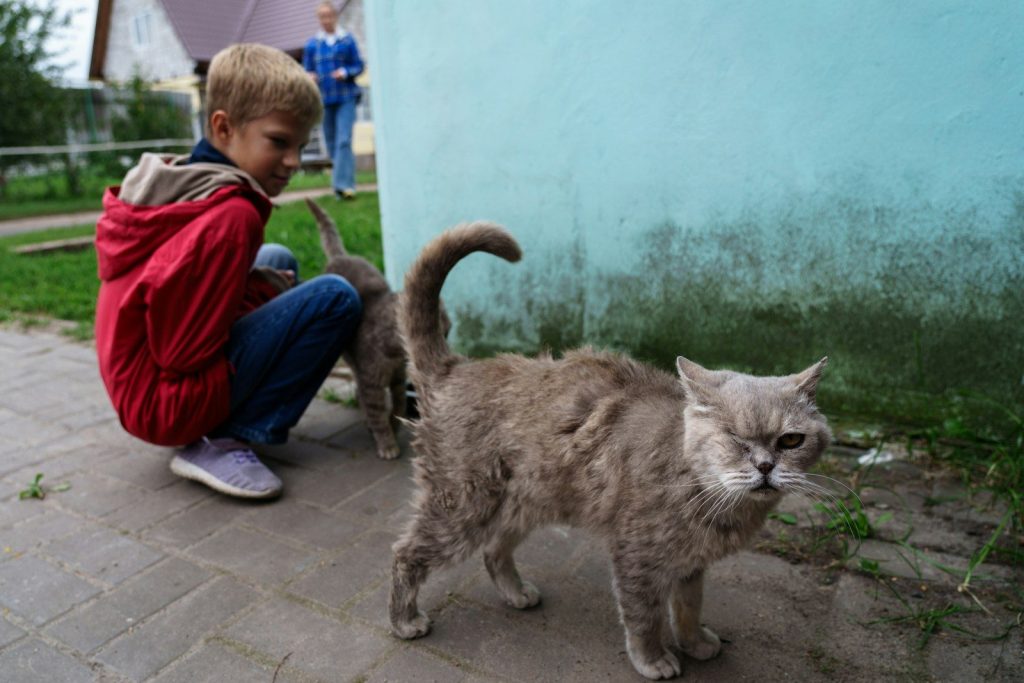
Children who care for pets learn to recognize and respect the feelings of another living creature. They watch a cat’s tail and whiskers to understand when the animal needs quiet space. This constant practice builds emotional intelligence and social empathy that helps them interact with school peers. However, your child must learn how to handle a cat safely.
Setting up clear boundaries for safe play
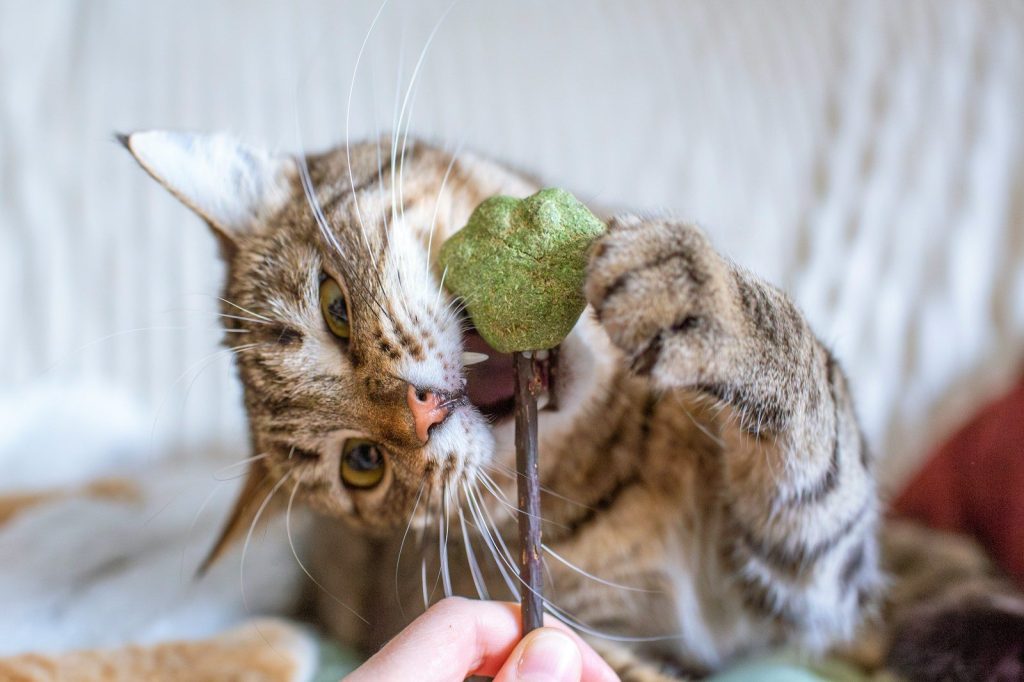
Parents must teach children never to pull tails or disturb a sleeping animal. The American Veterinary Medical Association advises supervising all interactions between young children and pets to prevent accidental scratches. Teaching your child to use wand toys keeps their hands safe while satisfying the cat-hunting instincts. This safe structure breeds a beautiful lifelong friendship.
The incredible emotional comfort of a pet
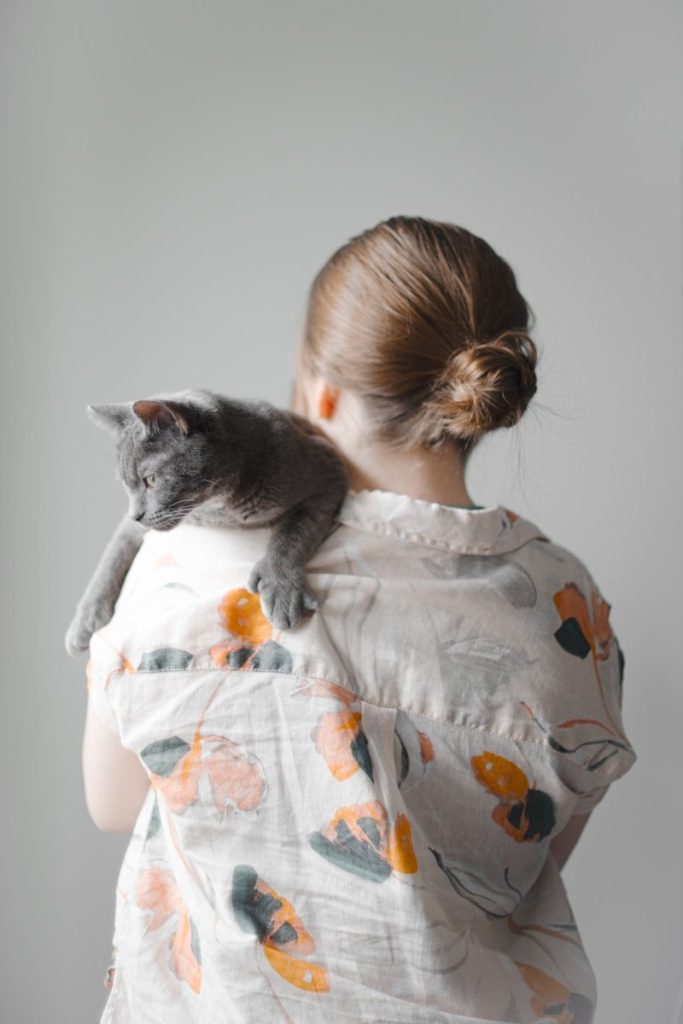
Felines offer quiet, non-judgmental support when a child feels sad or overwhelmed. Hugging a purring cat can lower blood pressure and reduce school-related stress hormones quickly. This silent comfort acts as an emotional safety net during difficult developmental years. The bonds they form can even improve their reading skills.
Reading aloud to a patient, a feline listener
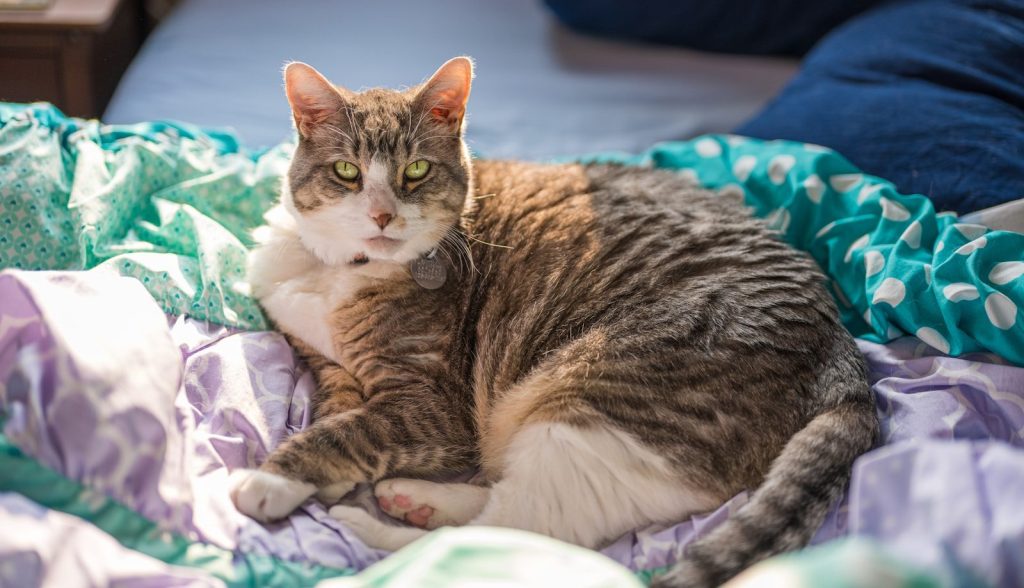
Many schools use therapy cats to help struggling students practice reading aloud. Felines do not critique pronunciation or rush the reader, creating a completely safe learning zone. Children build immense academic confidence by sharing storybooks with their patient animal companions. But pet ownership also teaches kids about daily responsibility.
Sharing simple age-appropriate pet chores

Assigning small tasks like brushing the cat’s coat or cleaning water bowls builds strong personal accountability. It teaches kids that living creatures depend on our daily care to survive and thrive. The ASPCA suggests choosing tasks that match your child’s physical abilities to keep the experience positive and rewarding. But you must always select the right cat breed for kids.
Choosing a patient and a social cat breed
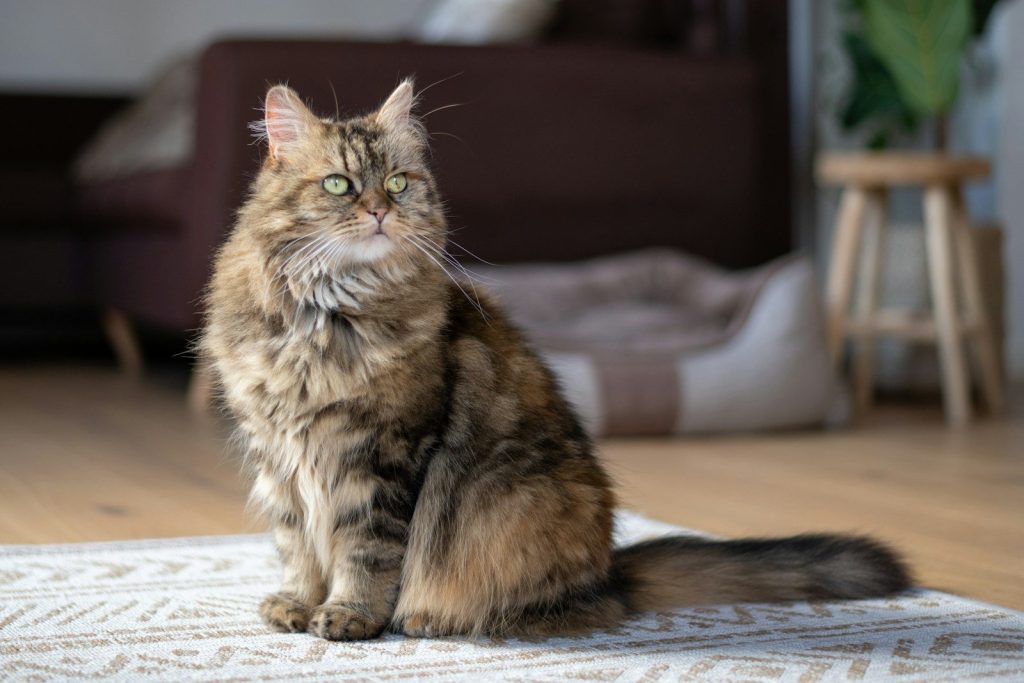
Active, social breeds like Ragdolls or Maine Coons often adapt beautifully to busy family households. They tolerate loud noises and love participating in children’s games. Regular consultations with shelter staff can help you locate the perfect match for your family lifestyle. But the final health benefit might surprise you the most.
Creating beautiful active memories together
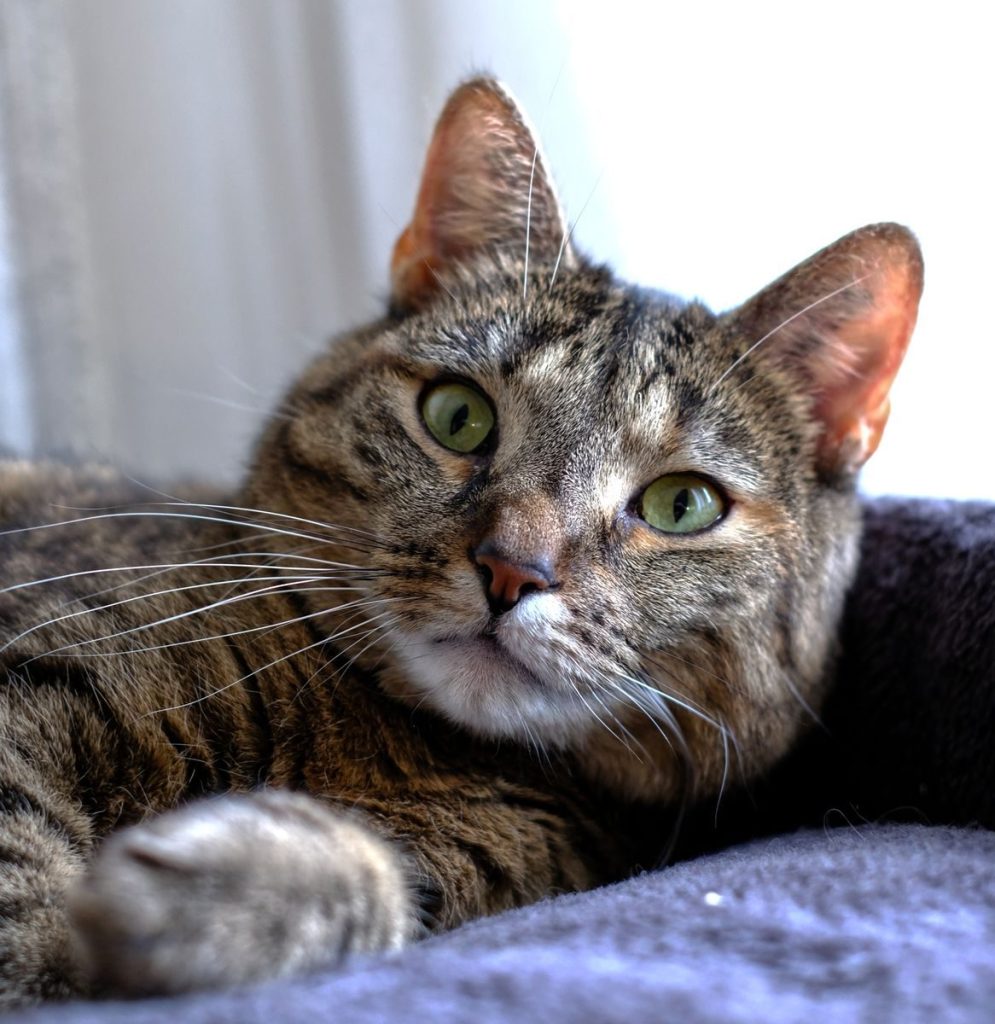
Playing with a cat keeps both your child and your pet physically active and healthy. This article is for informational purposes only and does not constitute veterinary or medical advice. Regular veterinary checkups ensure your family’s feline companion stays healthy and strong for years. Supporting this beautiful bond creates a happy household filled with love.
Featured Image: Photo by Piotr Musioł on Unsplash