

You accidentally stepped on your cat’s tail in the dark kitchen. The loud squeak and quick scramble made you feel instantly guilty.
Many owners try to apologize with loud hugs and direct eye contact. However, veterinary experts warn that these human habits actually terrify felines.
Why do felines not understand human words

Saying sorry in a sweet voice does not translate to felines. They do not understand. To your pet, a sudden step or loud noise feels like a direct, unprovoked attack. This hurts. The sudden event can damage your close bond if you do not act quickly to fix it. You must proceed carefully. Fortunately, felines communicate through a very specific physical language.
Giving your pet some physical space first
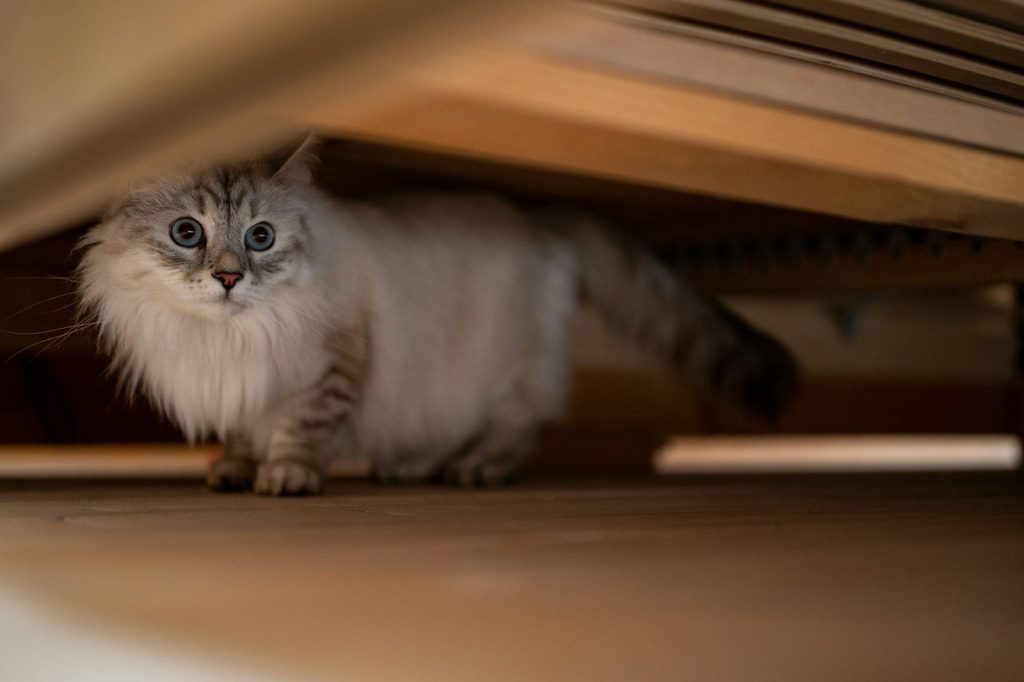
Your first instinct might be to scoop up your cat for a tight cuddle. Resist that urge. Felines need time to process their fear and calm their racing hearts after a fright. They want safety. Chasing a scared animal will only make them feel more threatened and defensive. Remain completely still. But how do you rebuild trust once they settle down?
The power of a slow blink apology

Once your cat peeks out from their safe spot, use visual signals. Avoid staring directly. According to the American Veterinary Medical Association, a slow blink is the ultimate feline sign of peace. It shows trust. By closing and opening your eyes slowly, you are telling them you mean no harm. They feel relaxed. The next step involves offering a peace offering.
Rebuilding the bond with healthy treats

Food is an incredibly powerful tool for positive reinforcement. Try a tasty snack. Place a few favorite treats on the floor near your cat, then step back to give them room. Give them time. This pairing helps replace the scary memory with a positive, rewarding experience. They will forgive you. However, some owners make a critical mistake during this process.
When to consult a veterinary professional
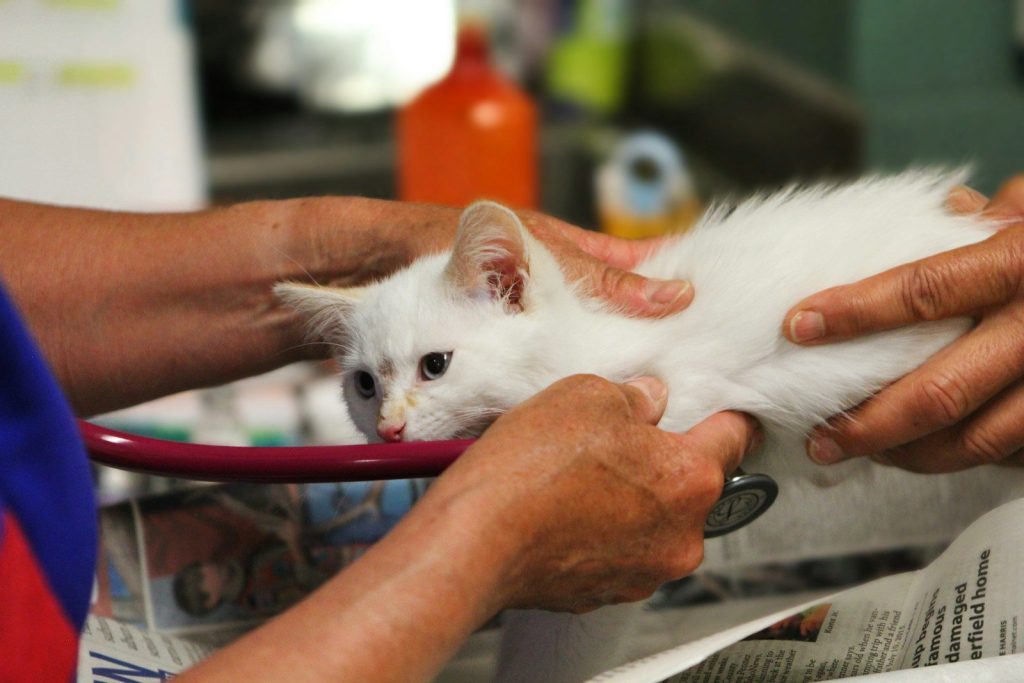
If your cat continues to limp or hide for hours, they may have an injury. Do not wait. This article is for informational purposes only and does not constitute veterinary medical advice. Call your clinic. Consult a veterinarian to rule out any underlying soft tissue damage or pain. They can help. But consistency in your daily routines is key to keeping them safe.
Setting up your home to prevent accidents
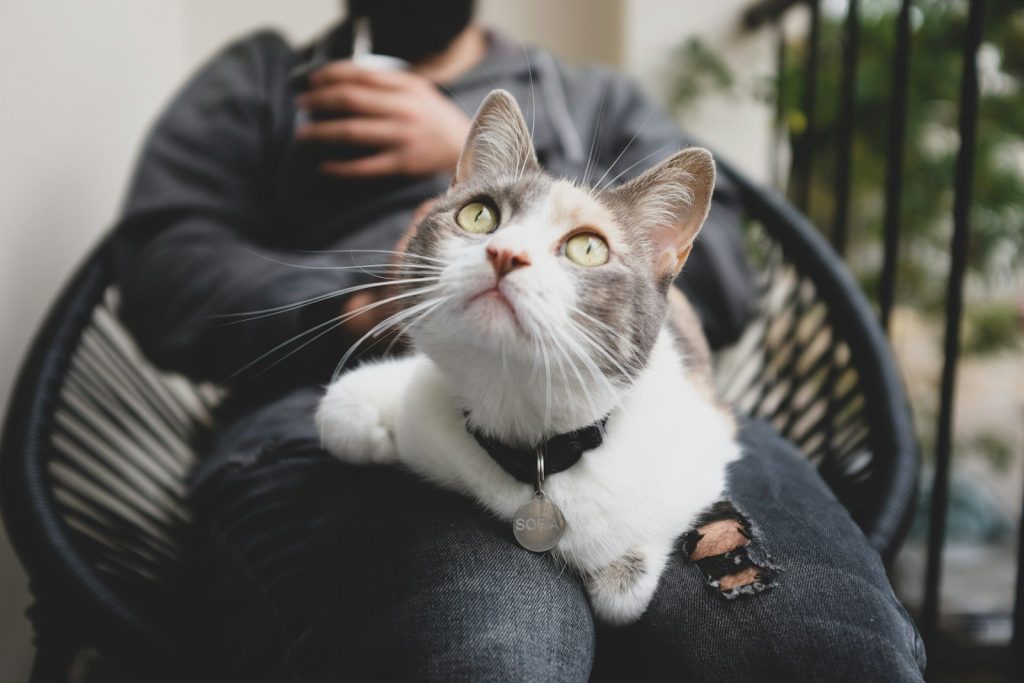
Preventing mishaps is always better than apologizing afterward. Stay alert. Keep pathways clear of clutter and use nightlights in dark hallways so you can spot your pet. Watch your step. Learn your cat’s favorite sleeping spots so you can avoid stepping on them during busy mornings. They will notice. But the ultimate reward is a much stronger connection.
A peaceful relationship built on mutual respect

Learning to speak your cat’s language makes you a better pet parent. They love boundaries. By respecting their space and using feline-first communication, you can build a lifetime of deep trust. Your pet will feel secure. You are their hero. Together you will enjoy a beautiful, peaceful life.
Featured Image: Photo by Joey Huang on Unsplash