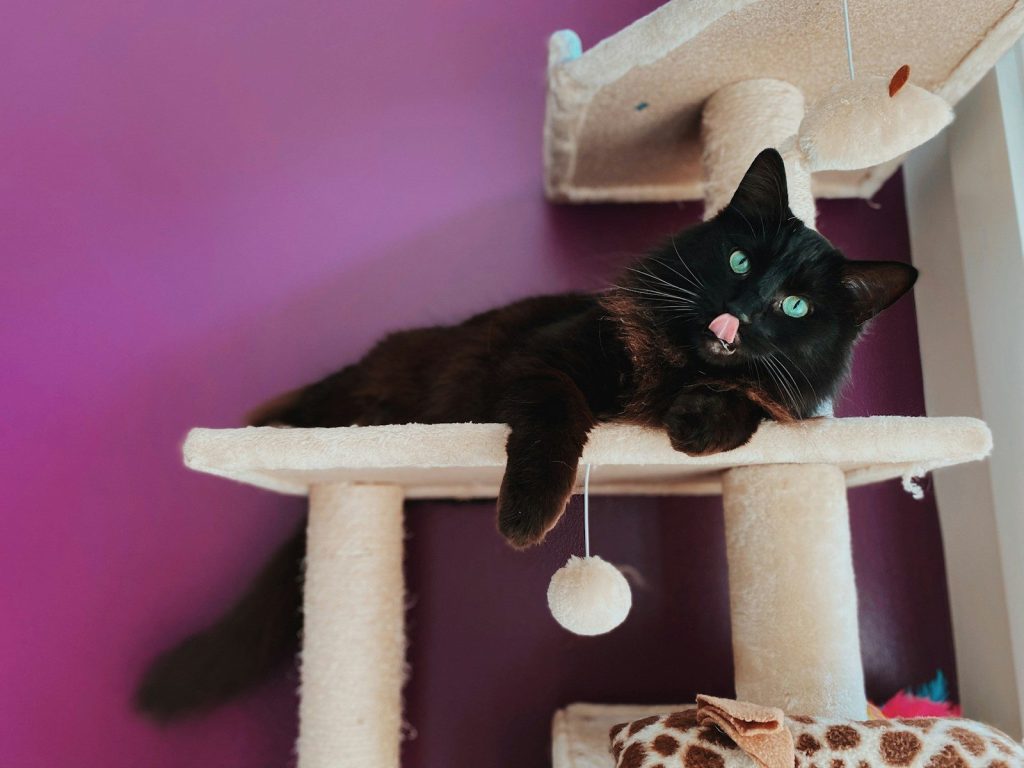

You sit on the couch and feel sharp claws sinking into your favorite rug. It is a frustrating moment that every pet owner faces sooner or later.
While those claws look like weapons, they are actually essential tools for feline survival and health. Training your pet to use them safely is easier than you think.
The biological need behind the scratch
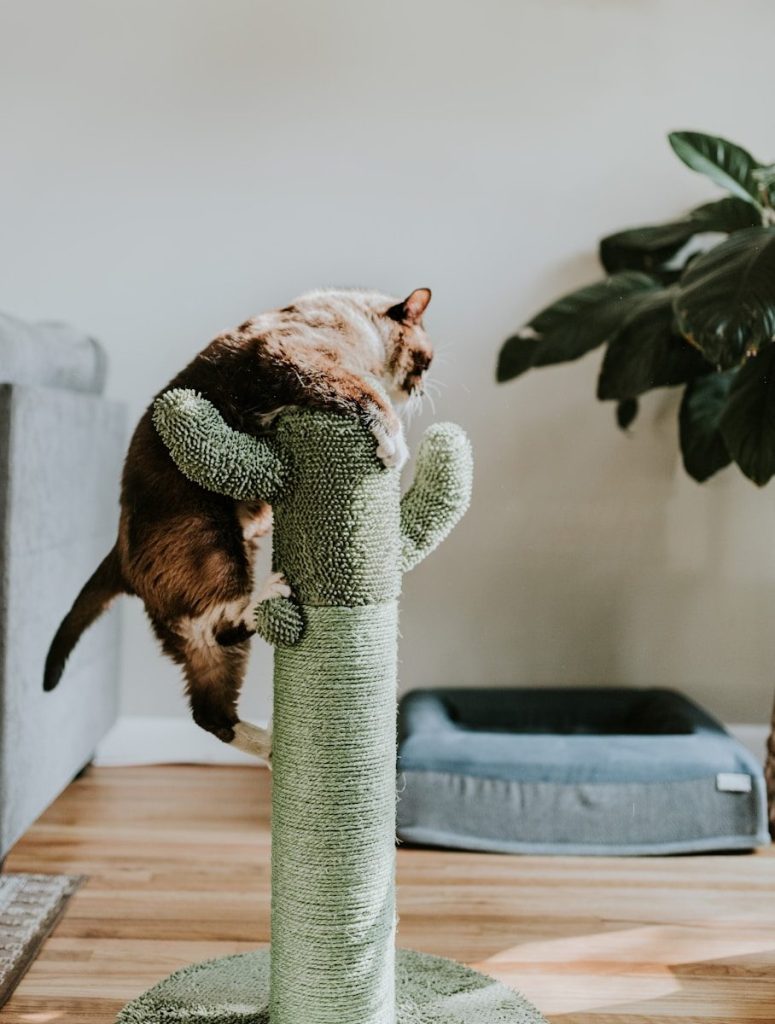
Scratching is a natural, healthy behavior that cats must perform daily. It helps them shed the dead outer layers of their claws to keep them sharp. This action also allows them to stretch their shoulder muscles fully. According to the Cornell Feline Health Center, scratching serves as a vital way for cats to mark territory using their paws. But understanding this need is only step one.
Choosing the perfect scratching post
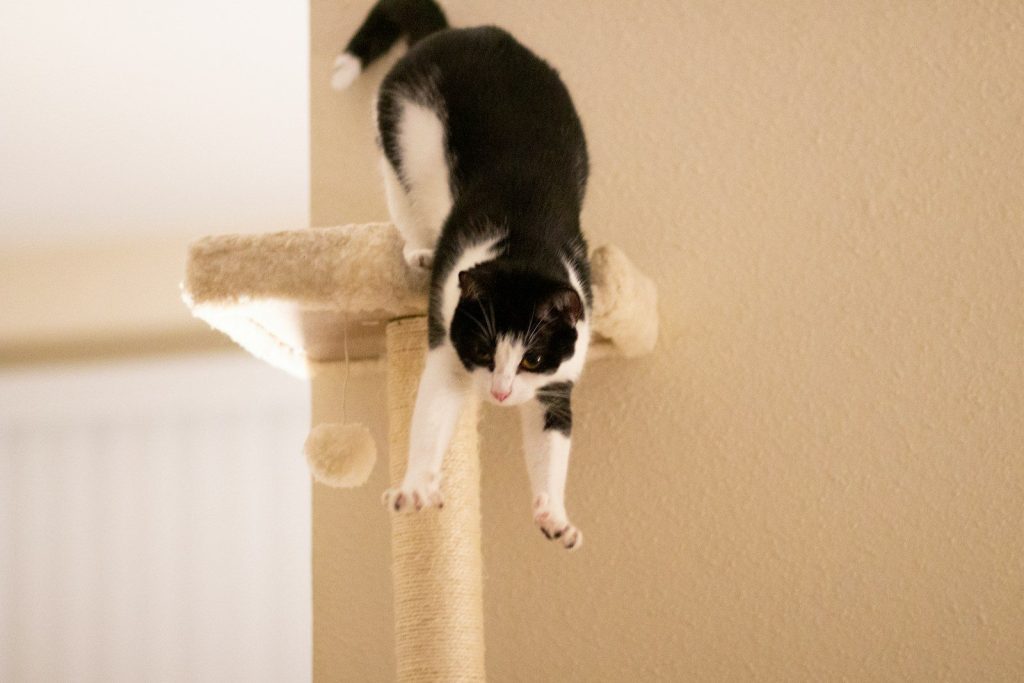
Many owners buy cheap scratching posts that tip over during use. A cat will reject any unstable post because it feels unsafe. Look for a heavy, sturdy base that can easily support your pet’s full weight as they stretch. The post should be tall enough for them to extend their bodies completely. Providing the right equipment is crucial, but placement is where most owners fail.
Location is everything to a cat
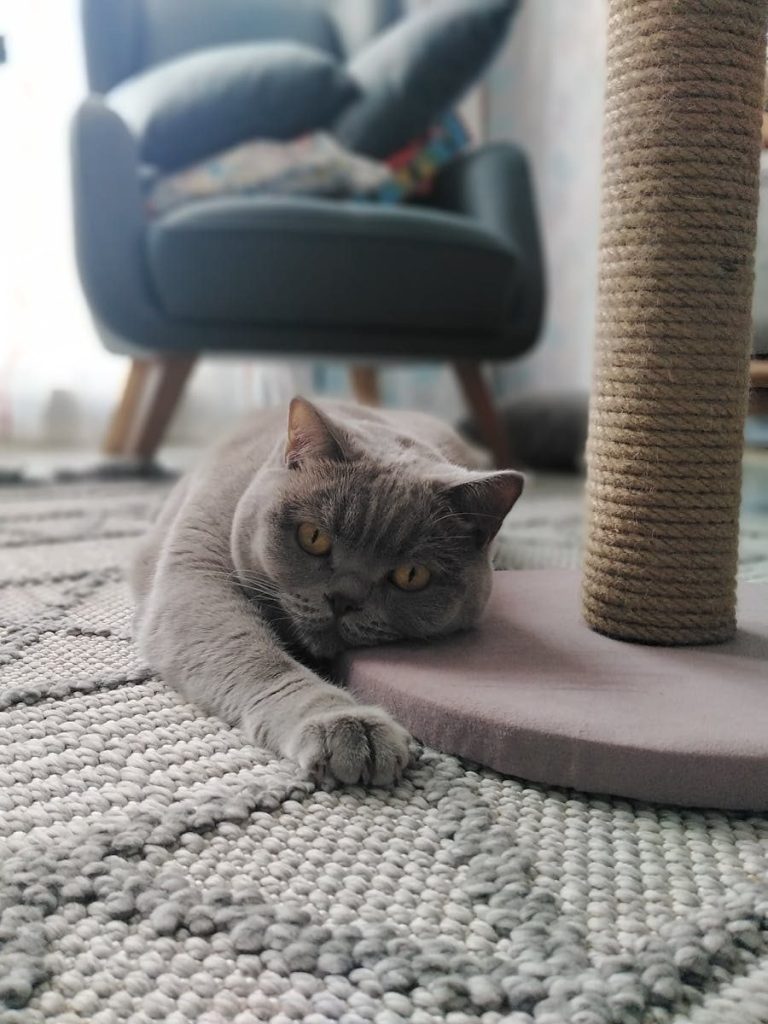
Cats want to scratch in high-traffic areas where their scent will be noticed. If you hide the post in a dark basement corner, they will ignore it and use your sofa instead. Place the scratching post directly next to the furniture they currently target. This simple location shift makes the correct option highly convenient for them. Once you establish the spot, you can begin the training process.
Using positive reinforcement to guide them

Never yell at or spray your cat with water for scratching the wrong things. This negative feedback only teaches them to fear you, which can trigger more destructive behaviors. Instead, reward them with tasty treats and high praise whenever they use the approved scratching post. You can also rub catnip on the post to make it incredibly appealing. But you should also protect your furniture temporarily.
Simple barriers to protect your couch
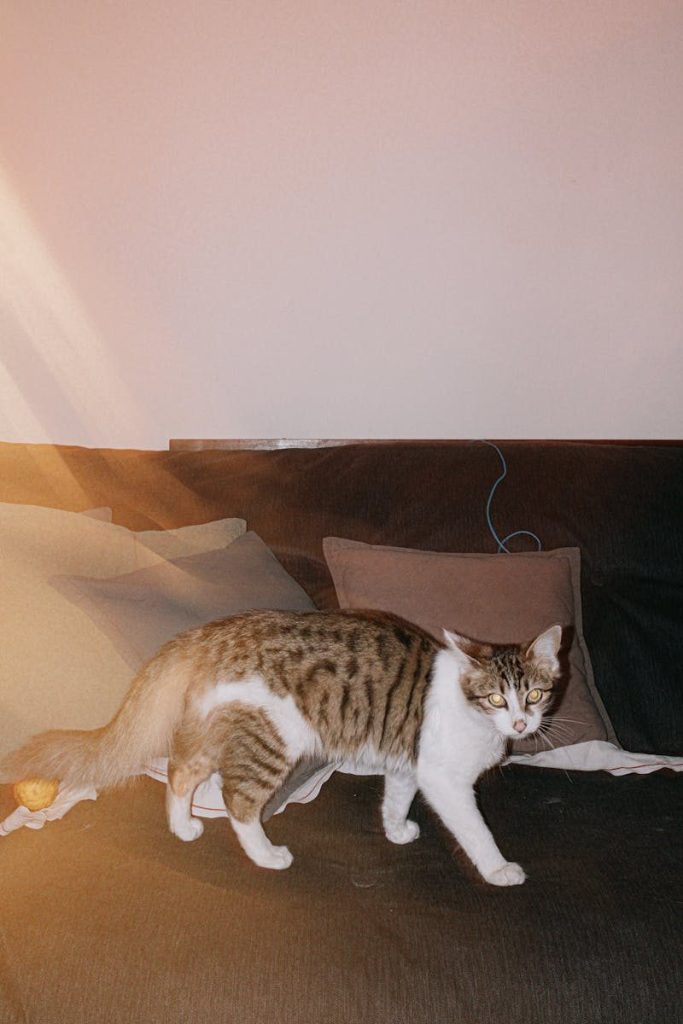
While your cat learns the new rules, you must protect your furniture. Use double-sided training tape on the specific corners they love to scratch. Felines hate the sticky sensation on their paw pads and will immediately walk away. This harmless barrier forces them to seek out alternative surfaces like their new post. However, regular maintenance of those claws will also help immensely.
Safe methods for trimming sharp tips
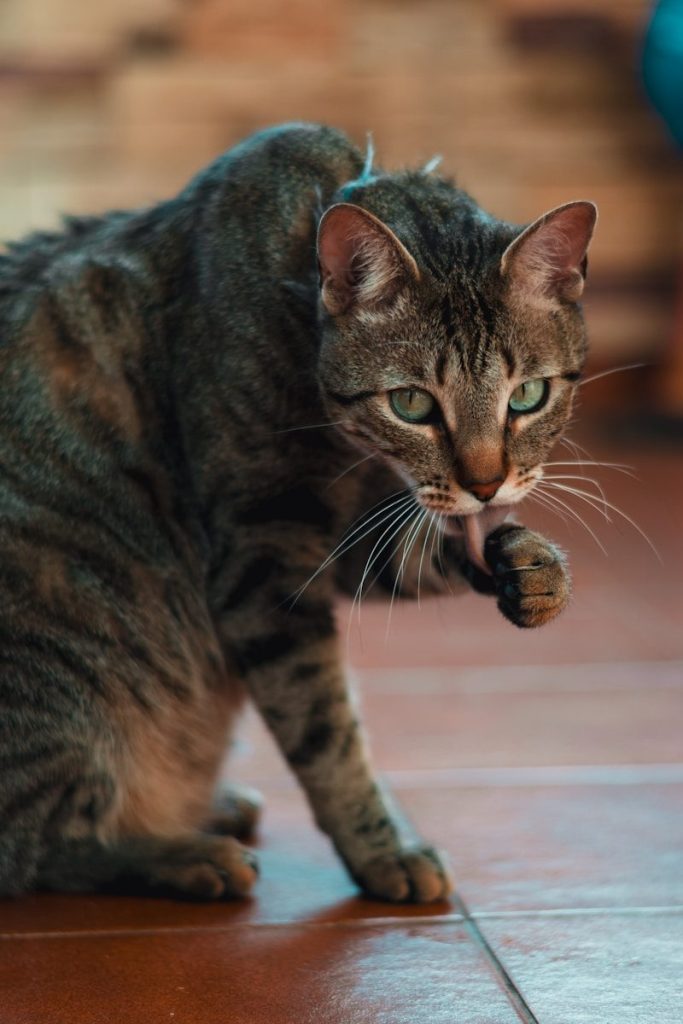
Trimming your cat’s claws every two weeks dramatically reduces the damage they can cause. Use specialized pet trimmers and only clip the clear, sharp tip of the claw. Avoid the pink quick, which contains sensitive blood vessels and nerves. If your pet is nervous, start by trimming just one claw per session while offering high-value treats. This calm approach builds confidence, but some situations require expert help.
When to consult a professional trainer
If your cat continues to damage your home despite your best efforts, do not lose hope. A professional animal behaviorist can identify underlying anxiety or environmental stressors causing the behavior. They can design a customized training plan tailored to your pet’s unique personality. Seeking help early prevents frustration and strengthens your bond with your kitty. But the ultimate reward is a peaceful home.
A harmonious home for everyone
With consistency and patience, you can successfully redirect your cat’s natural instincts. Your furniture will remain safe, and your pet will have a healthy outlet for their physical needs. Understanding feline biology allows you to solve behavior problems with love instead of conflict. Enjoy the journey of building a happy, respectful relationship with your clawed companion.
Featured Image: Photo by Madalyn Cox on Unsplash