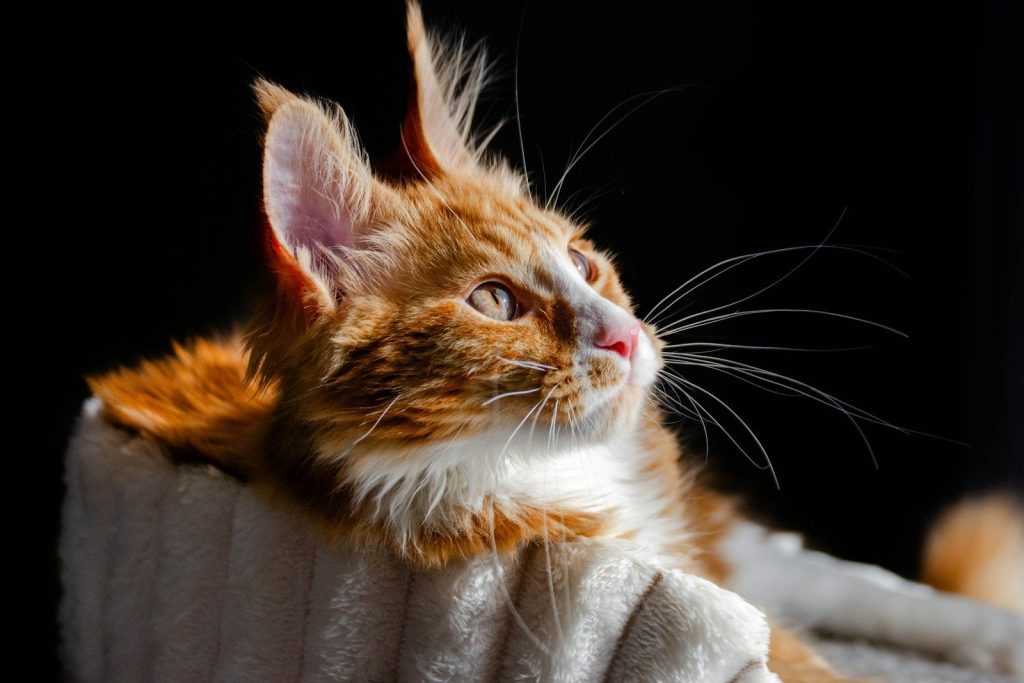

Maine Coons are famous for their giant size and thick, water-resistant coats. But their massive double coat can occasionally get incredibly dirty and require a real bath.
Introducing a giant cat to water can easily turn into a stressful battle. Fortunately, a slow, step-by-step training method can help you clean your fluffy pet without any panic.
Preparing their thick coat before the water
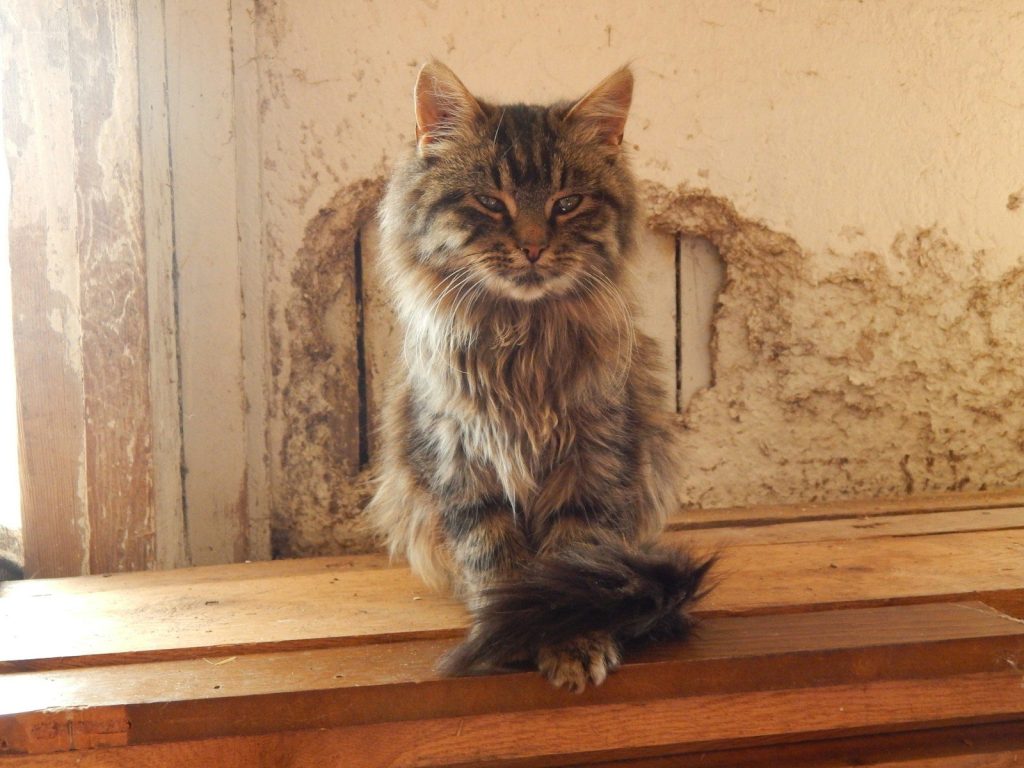
Brushing your pet completely is the most critical starting step. Maine Coons possess a dense undercoat that easily traps loose fur and debris. Water will instantly lock any existing mats into tight, painful knots. According to the Cat Fanciers Association, a thorough combing ensures the shampoo can actually reach their skin. But you must also prepare the bathroom environment carefully.
Reducing noise in the bathing area
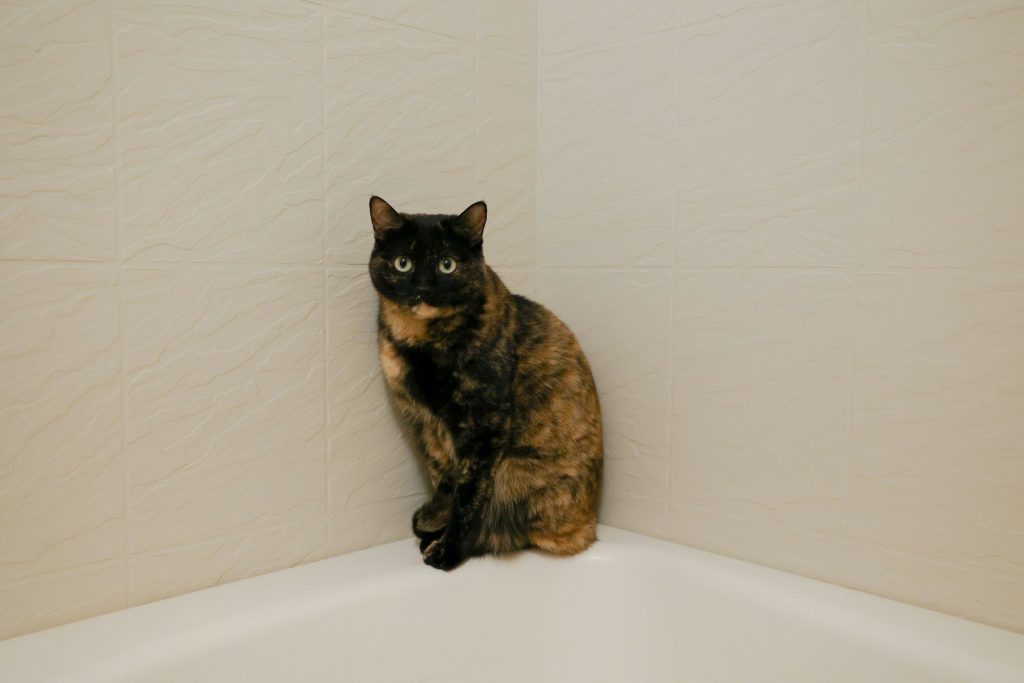
Loud running water can terrify even the bravest feline. To prevent this fear, pre-fill your tub with a few inches of warm water before bringing your pet inside. Place a non-slip rubber mat on the bottom to give their large paws a secure grip. This simple addition prevents them from sliding and feeling out of control. However, the water temperature requires a specific check.
Matching their high natural body temperature
Cats have a baseline temperature of around 102 degrees. Water that feels comfortable to your hands might actually feel cold and shocking to their warm bodies. Always test the water to ensure it is lukewarm and soothing. According to reports from the ASPCA, correct water temperature prevents hypothermia in domestic pets. But soaking their heavy water-resistant fur is a unique challenge.
Breaking through the water-resistant guard hairs
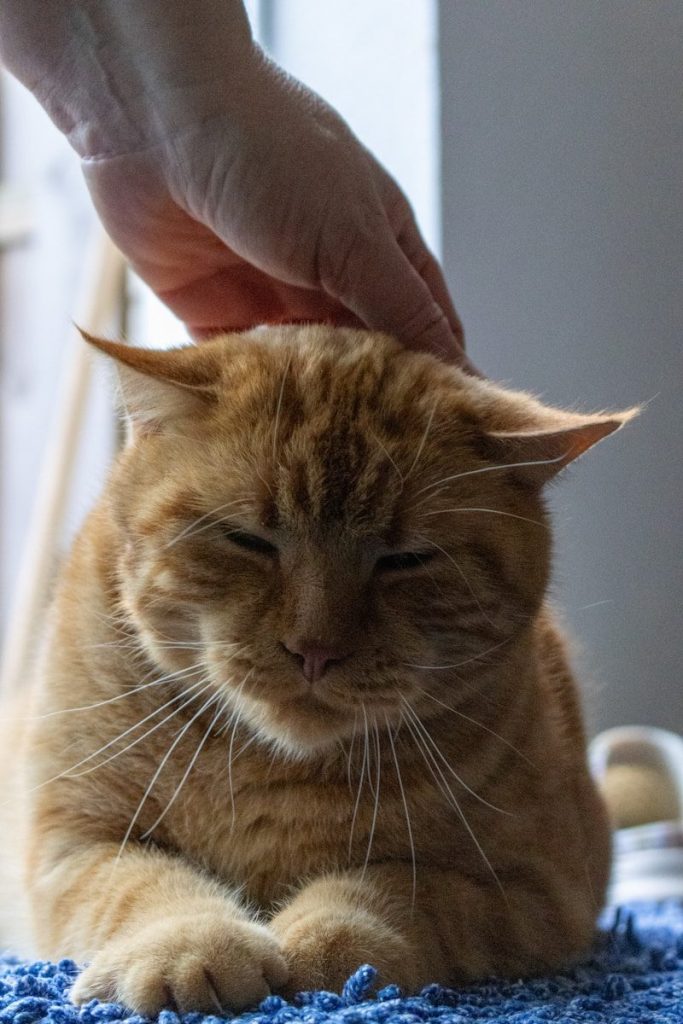
Feline coats naturally repel water to keep their skin dry in winter storms. You will need to gently massage the warm water into their fur to saturate the undercoat. Avoid splashing their face, eyes, and sensitive ears directly. Instead, use a soft, damp washcloth to clean their head safely. Once they are fully wet, choosing the right shampoo is crucial.
Using gentle pet-safe cleaning formulas
Human shampoos contain harsh chemicals that can strip a cat’s skin of its natural protective oils. Always use a high-quality shampoo designed specifically for felines. Rinse the coat thoroughly to prevent any residue, as they will groom themselves afterward. Leftover soap can irritate their skin and cause digestive issues during self-grooming. But the drying phase introduces the next major hurdle.
Managing the heavy drying process
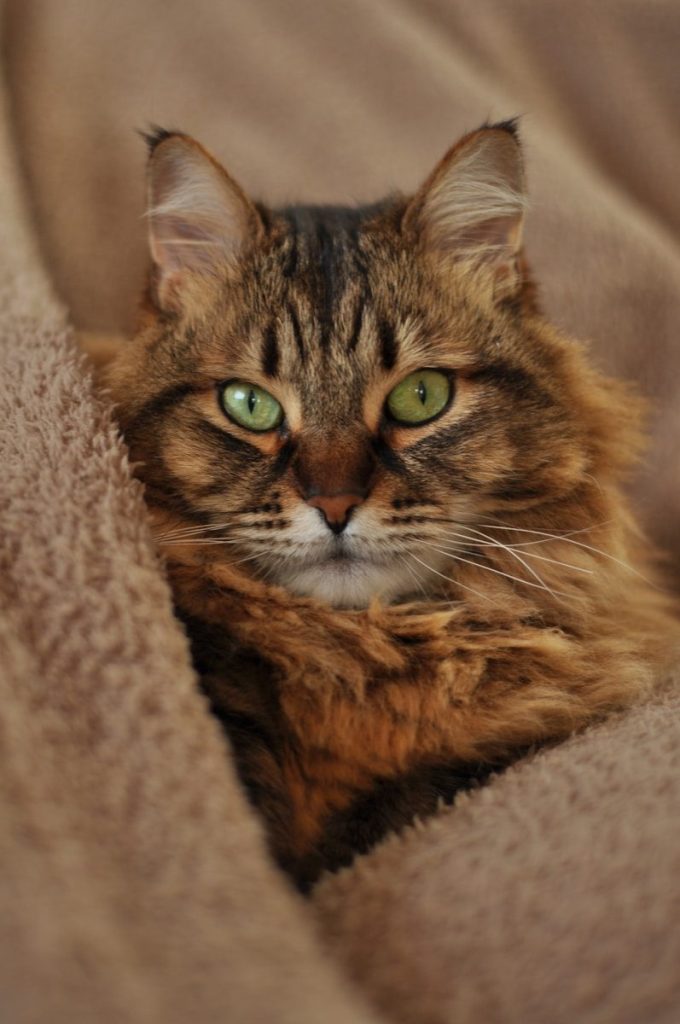
A wet Maine Coon can take hours to dry naturally because of their dense fur. Start by wrapping your pet in several warm towels to absorb the bulk of the moisture. Avoid rubbing vigorously, which can cause painful matting in their long coat. Instead, gently pat their fur dry while offering tasty rewards. Still, some owners might want to speed up the process.
Introducing the quiet hair dryer
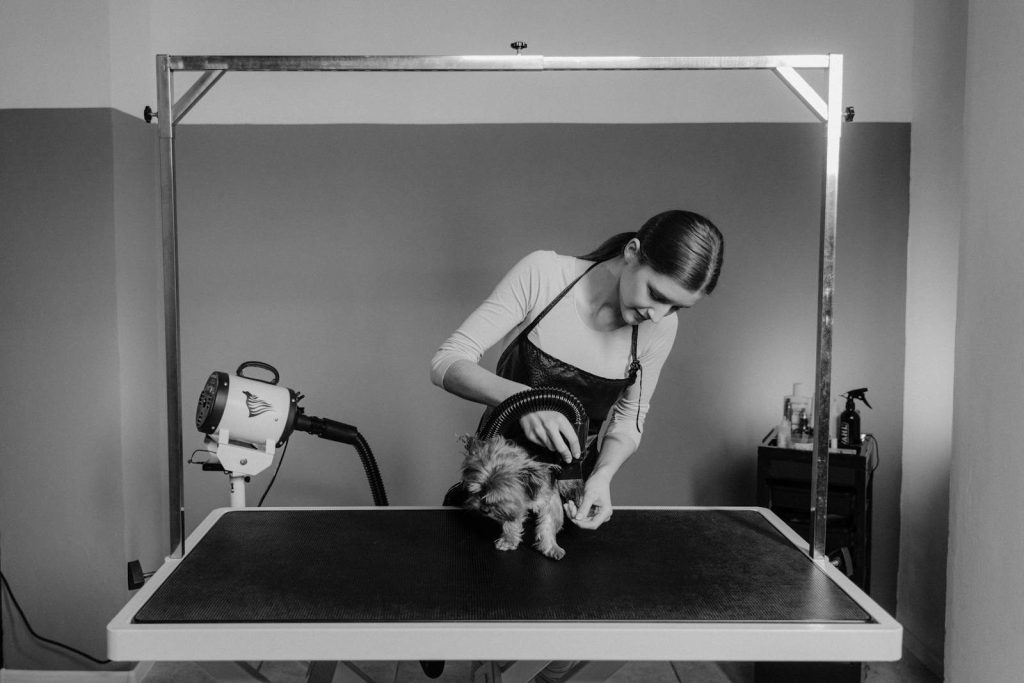
Some cats can learn to tolerate a blow dryer if introduced slowly during kittenhood. Use the lowest, quietest speed and a cool temperature setting to prevent skin burns. Keep the dryer far away from their sensitive ears and eyes. According to the American Veterinary Medical Association, positive reinforcement can help them accept this sensory experience. Fortunately, consistency will yield a great result.
Celebrating a clean and happy companion
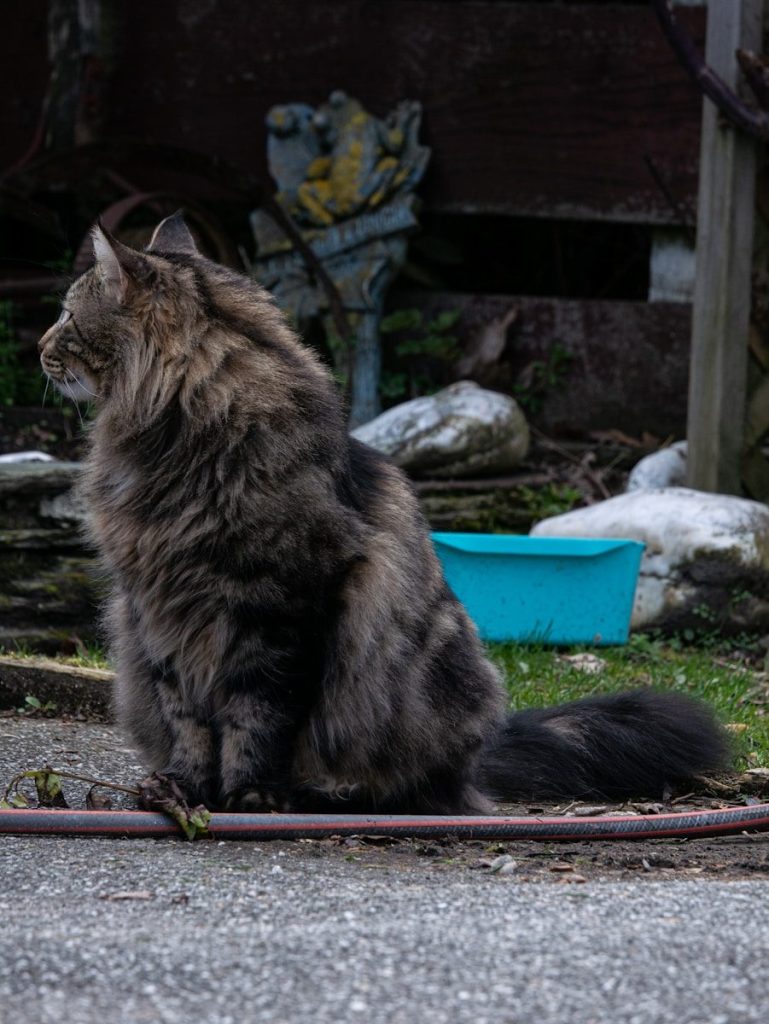
Taking the time to build a calm bathing routine protects your pet’s emotional and physical well-being. Your reward is a gorgeous, fluffy companion with a healthy, shiny coat. Keeping their skin clean prevents future painful matting and irritation. This patient training process creates a stronger bond of trust that lasts for years. This article is for informational purposes only and does not constitute veterinary advice.