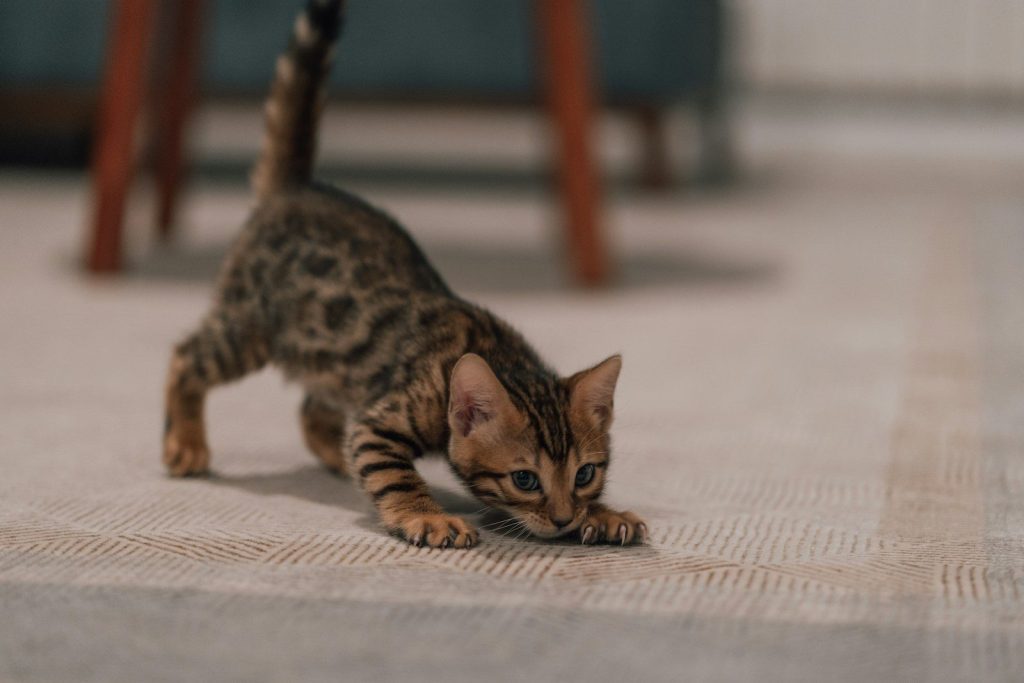

A tiny eight-week-old kitten puffs out her chest and walks toward a massive resident cat. She lets out a squeaky hiss and swats the air.
This bold behavior looks hilarious to humans, but it is actually a vital step in feline social structure. Here is how tiny babies learn to rule the house.
Testing the household boundaries early
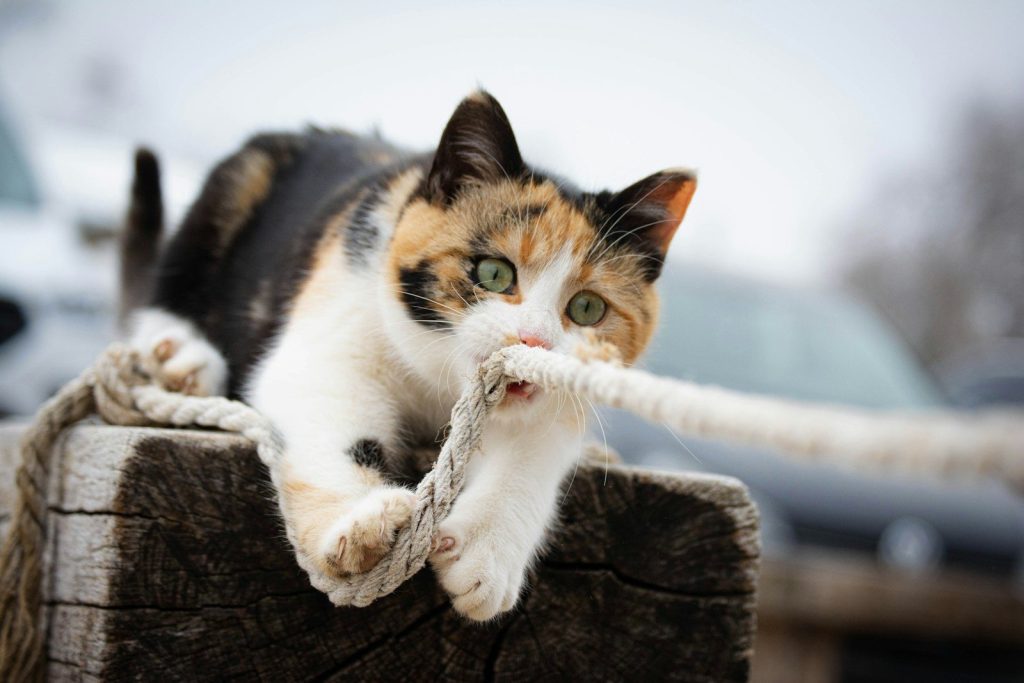
Kittens are born with a natural drive to learn their physical limits and social status. During their first months, they use aggressive play to test the patience of older animals in the home. They want to see how much mischief they can get away with before facing consequences. This boundary testing is crucial for their social development. But older cats have a very specific way of handling these troublemakers.
The classic parent role of corrections
A well-socialized adult cat will usually tolerate a kitten’s antics to a point. If the baby bites too hard, the older cat will deliver a gentle swat or a low growl. According to the ASPCA, this behavior is called social correction and teaches kittens vital boundaries. It helps them learn when to stop their rough play. Yet some bold kittens refuse to take the hint.
Why do kittens not fear size
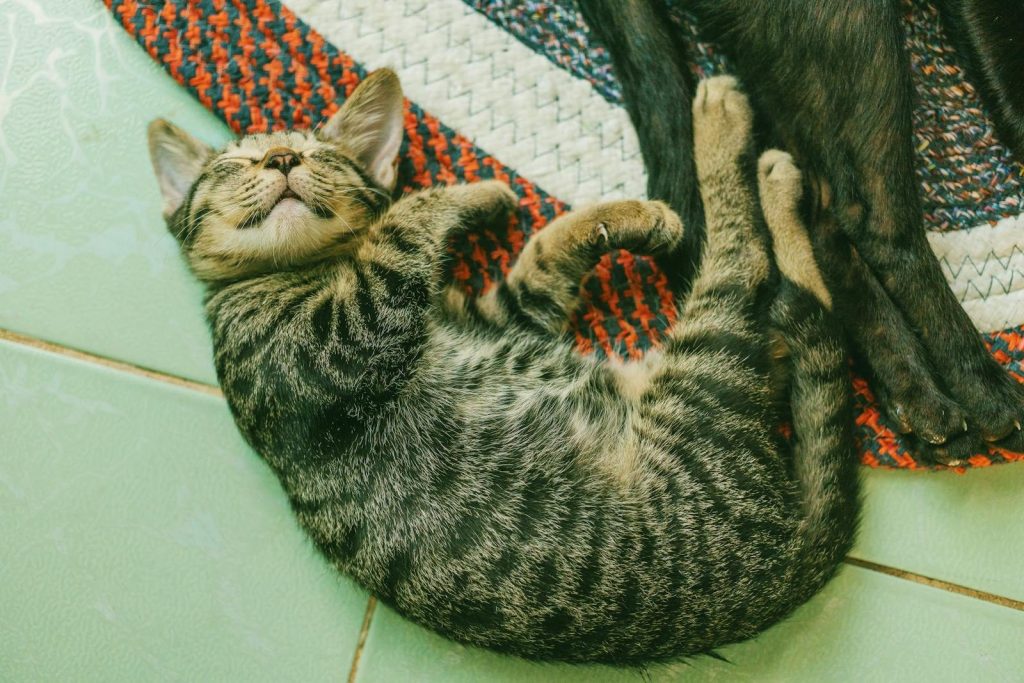
Young felines lack the life experience to understand the danger of a larger animal. Their play drive is so intense that it completely overrides their survival instincts. They see a sleeping adult cat as an exciting, moving toy to pounce on. This lack of fear can sometimes lead to minor household tension. Fortunately, you can easily guide this behavior with a simple strategy.
Redirecting their intense hunting energy
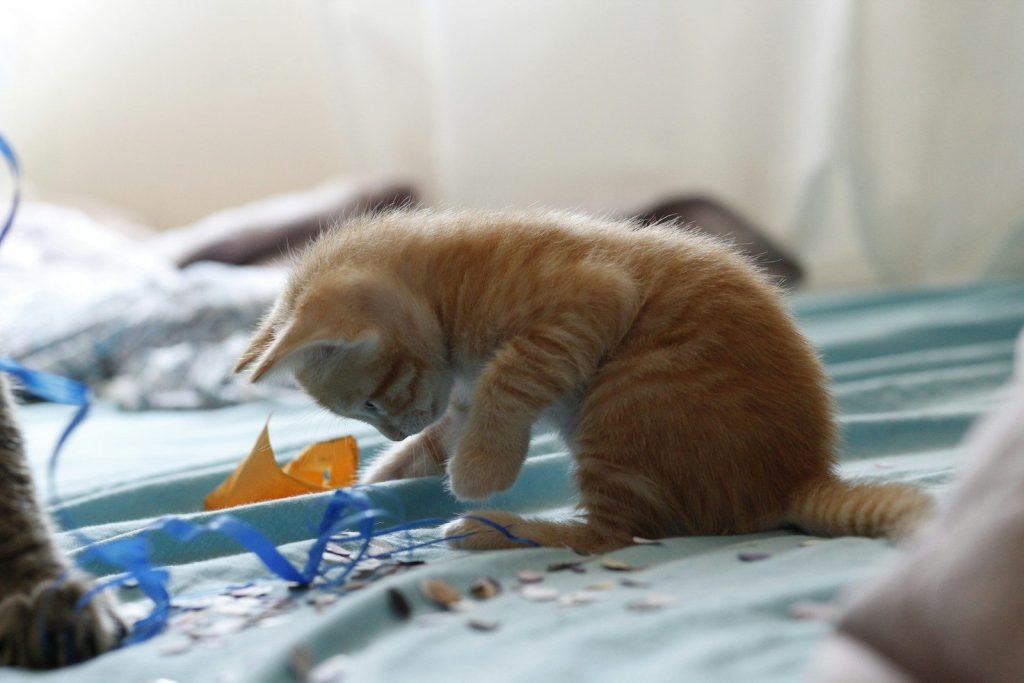
Never let a hyperactive kitten harass an aging senior cat all day long. Use feather wands and kicker toys to drain the baby’s energy before they target their housemates. This active play satisfies their natural hunting instincts in a positive way. It keeps the environment peaceful and protects older cats from chronic stress. But there is another biological factor to consider.
The critical role of kitten size
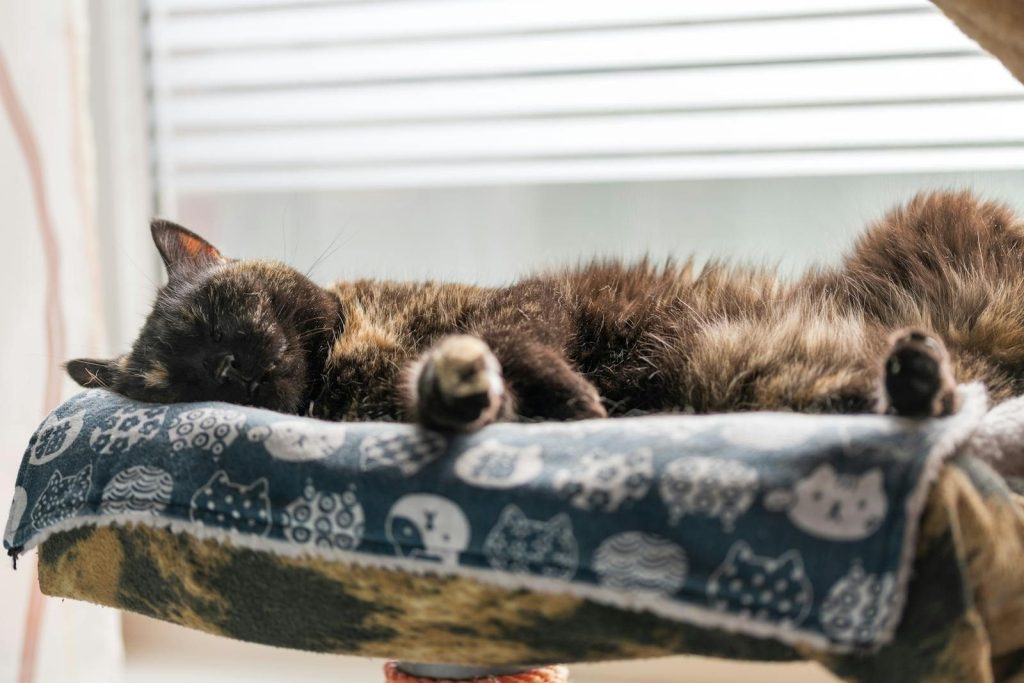
As kittens grow, their play styles can become much more physically demanding. If an older cat is arthritic, a bouncing kitten can cause them actual physical pain. Experts at the Cornell Feline Health Center suggest creating separate safe zones where seniors can rest undisturbed. This boundary ensures everyone in the home feels secure and relaxed. Still, you might witness a surprising shift in dominance.
Watch for changes in grooming habits
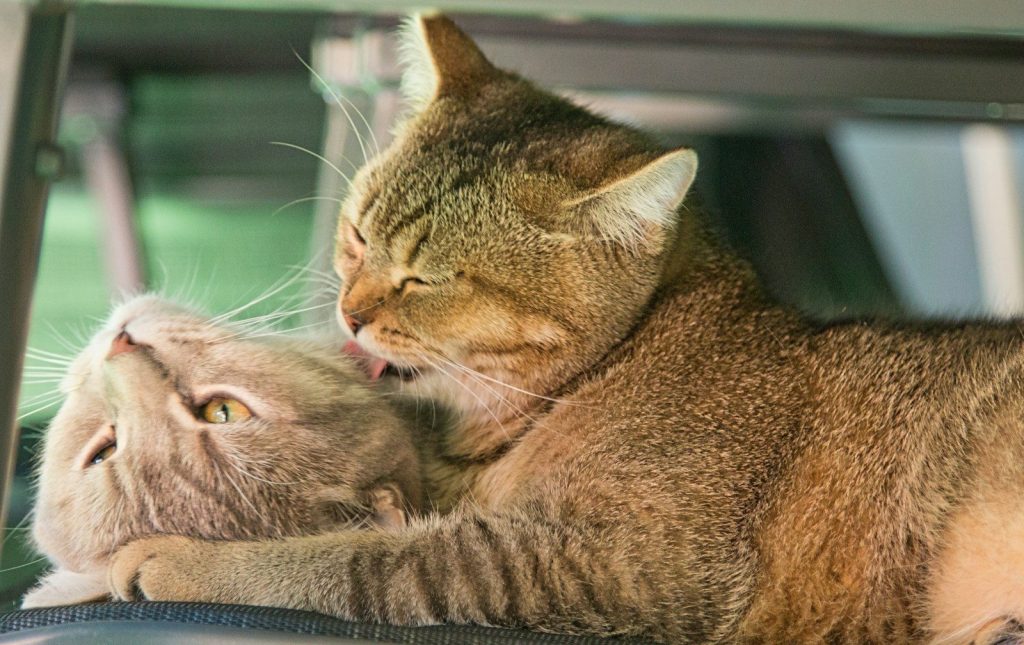
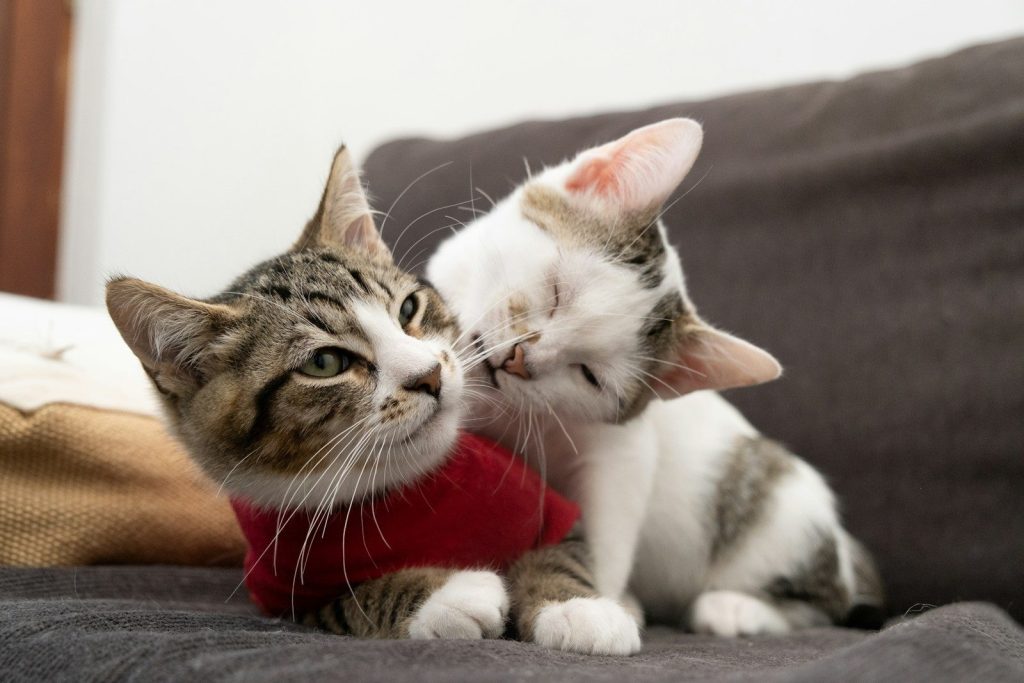
In the feline world, the dominant cat often does the majority of the grooming. If you see your kitten licking the older cat’s head, they might be claiming a higher social status. This gentle behavior is actually a subtle display of power and control. It helps establish a stable household hierarchy over time. But you must always watch for signs of actual aggression.
Distinguishing between play and fighting
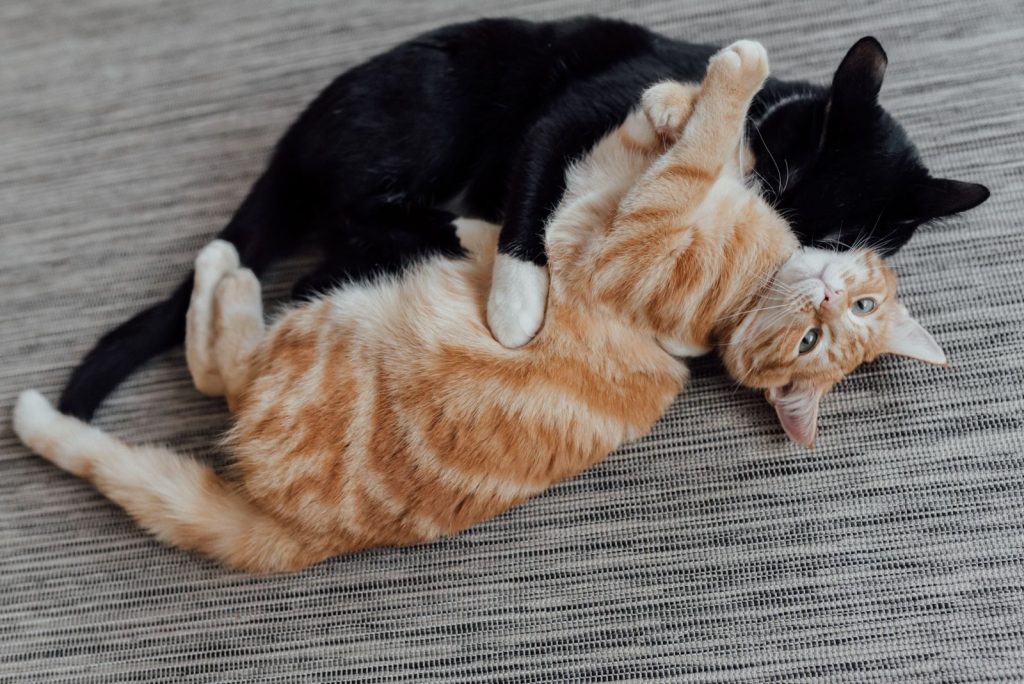
Feline wrestling should always be quiet and include frequent pauses. If you hear loud growling, screaming, or see puffed-up tails, the play has turned into a real fight. Separate the animals immediately using a large piece of cardboard to block their view. This quick intervention prevents injury and keeps the peace. But how do you ensure long-term harmony?
Creating a stable, happy pack
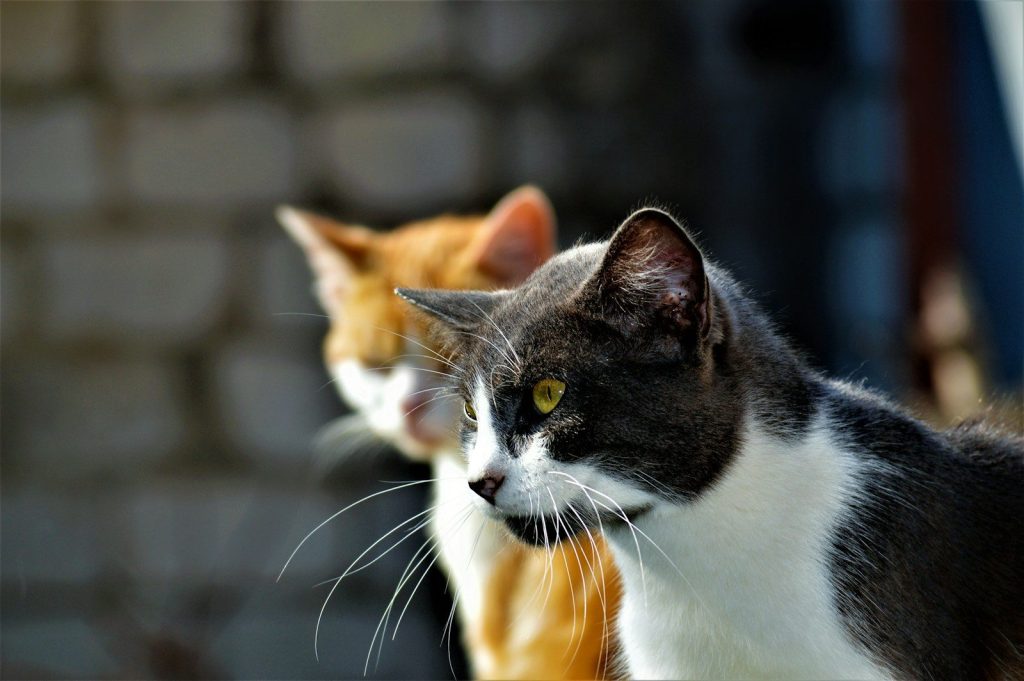
This article is for informational purposes only and does not constitute veterinary advice. Routine checkups with your veterinarian help ensure both cats remain healthy and pain-free. Your careful training and patient guidance will help your cats live in perfect harmony by your side.
Featured Image: Photo by Azimbek Assarov on Unsplash