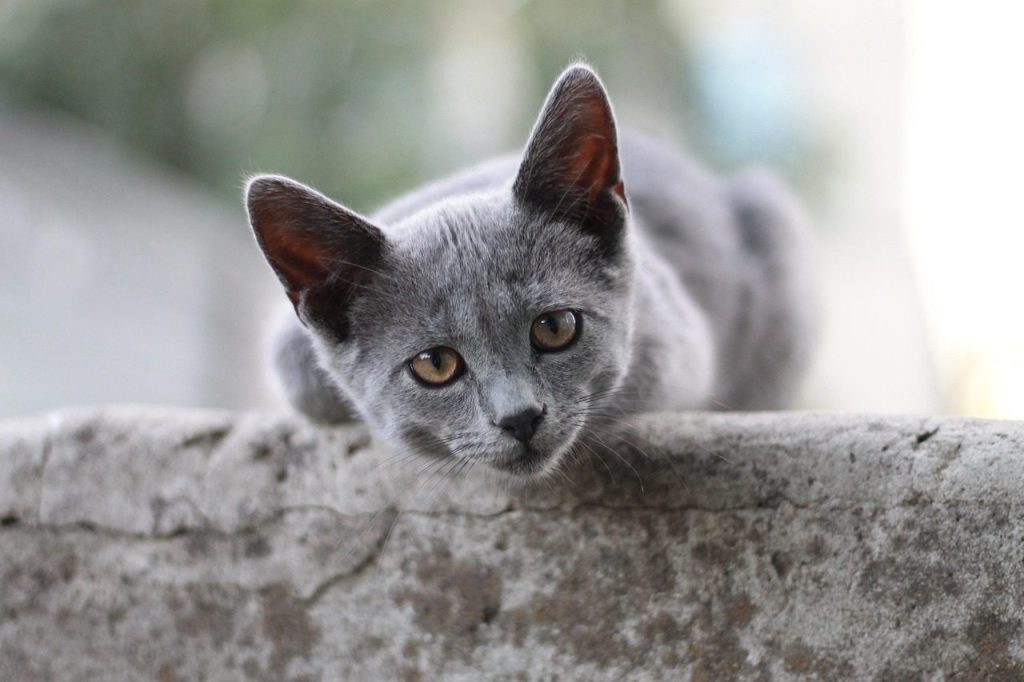

Feral cats are incredibly tough, but winter storms present a deadly challenge. When temperatures drop below freezing, finding shelter becomes a race for survival.
One clever outdoor cat discovered a unique way to protect himself. His resourceful actions caught the attention of a kind neighbor who decided to help.
A chilly stray seeking shelter from the wind

A large feral cat with a thick gray coat began visiting a quiet suburban backyard. As winter approached, the freezing winds made life outdoors increasingly dangerous. The homeowner, a woman named Clara, noticed the cat attempting to sleep beneath her deck. He was shivering, but his wild nature kept him from approaching humans for help. He decided to take matters into his own paws. But what did he do?
The surprising discovery of a handmade den

Clara looked out her window and saw the cat pulling dry leaves and straw into a tight space beneath her porch stairs. The clever animal was building a natural nesting box to insulate himself from the frozen ground. He used his body heat to pack the materials tightly, creating a small windbreak. Clara was amazed by his survival instincts. Yet, she knew this natural nest would not keep him safe.
The deadly danger of winter freezing temperatures
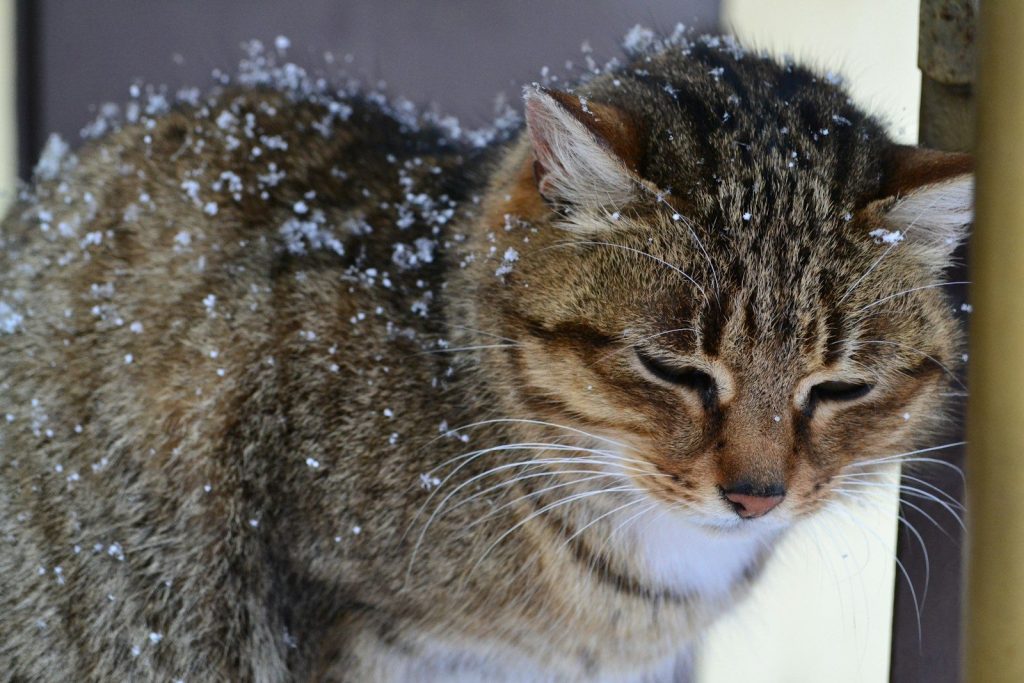
According to the American Society for the Prevention of Cruelty to Animals, feral cats face extreme risks from frostbite and hypothermia during blizzards. A natural nest of leaves can easily get damp, which actually drains body heat faster. Clara realized she had to upgrade his shelter without scaring him away. She decided to build a professional outdoor cat house. But she had to follow specific rules to keep him warm.
Crafting the perfect insulated outdoor shelter
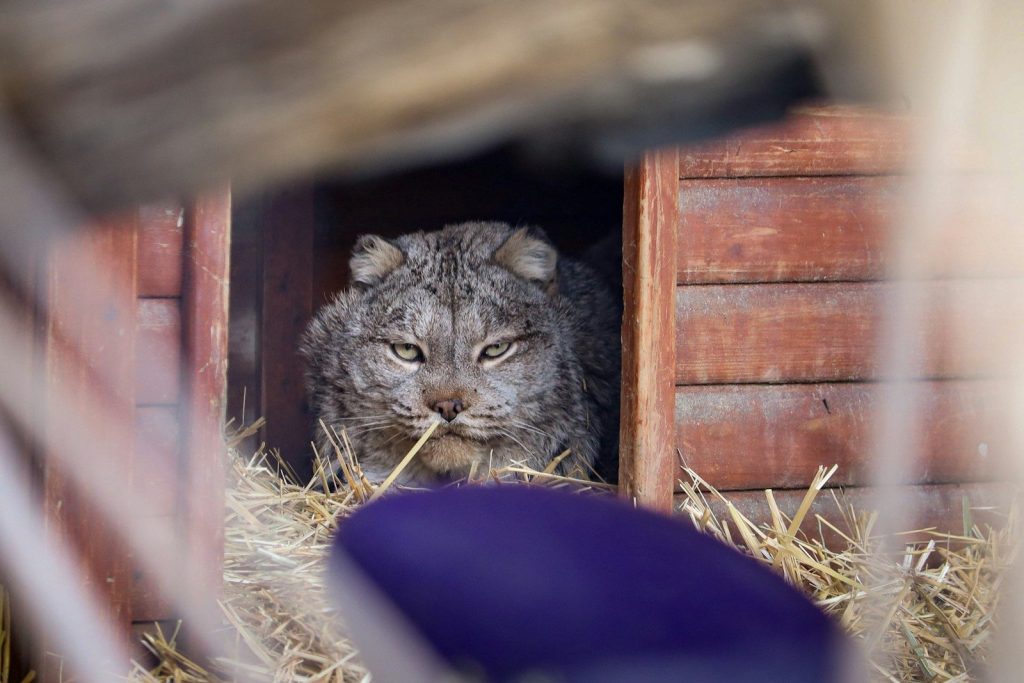
Building this took a sturdy plastic storage tub, cutting a small entrance hole in the side. Clara lined the walls with thick foam insulation board to trap heat. Crucially, she packed the interior with clean straw, which repels moisture, instead of blankets, which absorb dampness. She placed the finished shelter near the cat’s favorite spot under the porch. Now, she had to wait and see if he would use it.
A cautious step inside the warm sanctuary
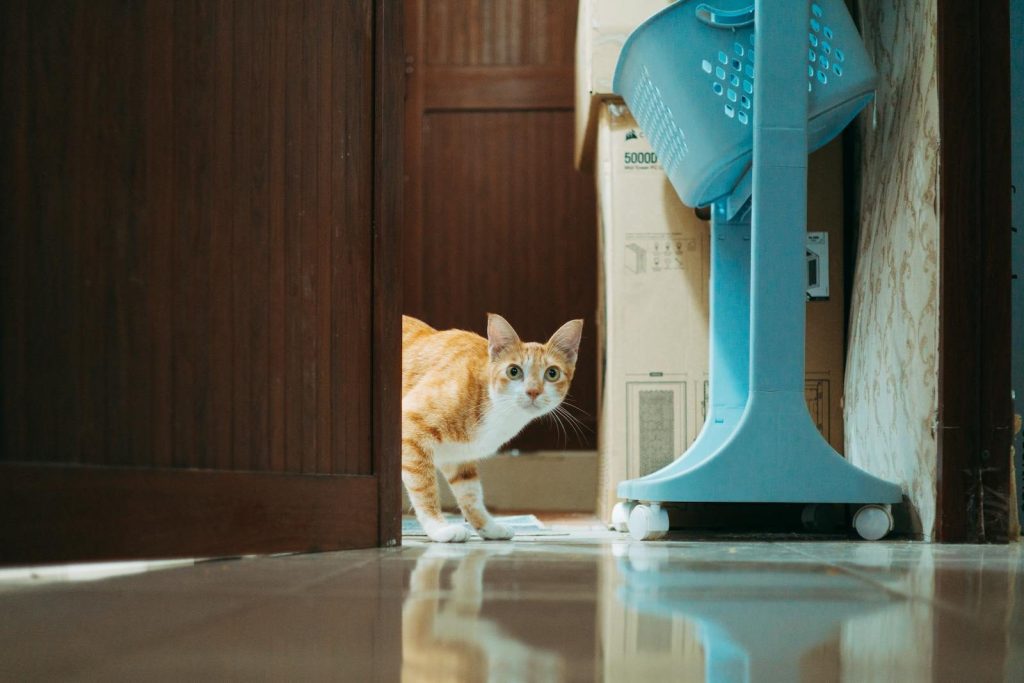
The feral cat approached the new plastic box with extreme caution. He spent hours sniffing the entrance, checking for threats before slowly crawling inside. Once inside, the thick straw and insulation worked their magic, trapping his body heat and blocking the freezing wind. Clara watched from her window as he settled in for the night. The clever stray had officially survived the worst of the storm. But their relationship was growing.
Earning the trust of a wild survivor

Feeding Shadow warm, calorie-dense wet food near the shelter entrance became Clara’s daily morning routine. Over several weeks, the feral cat stopped running away when she approached. He realized that this specific yard was a safe sanctuary of warmth and food. While he remained a wild outdoor cat, a beautiful bond of trust had formed. But safety requires more than just shelter.
Keeping outdoor community cats safe all winter
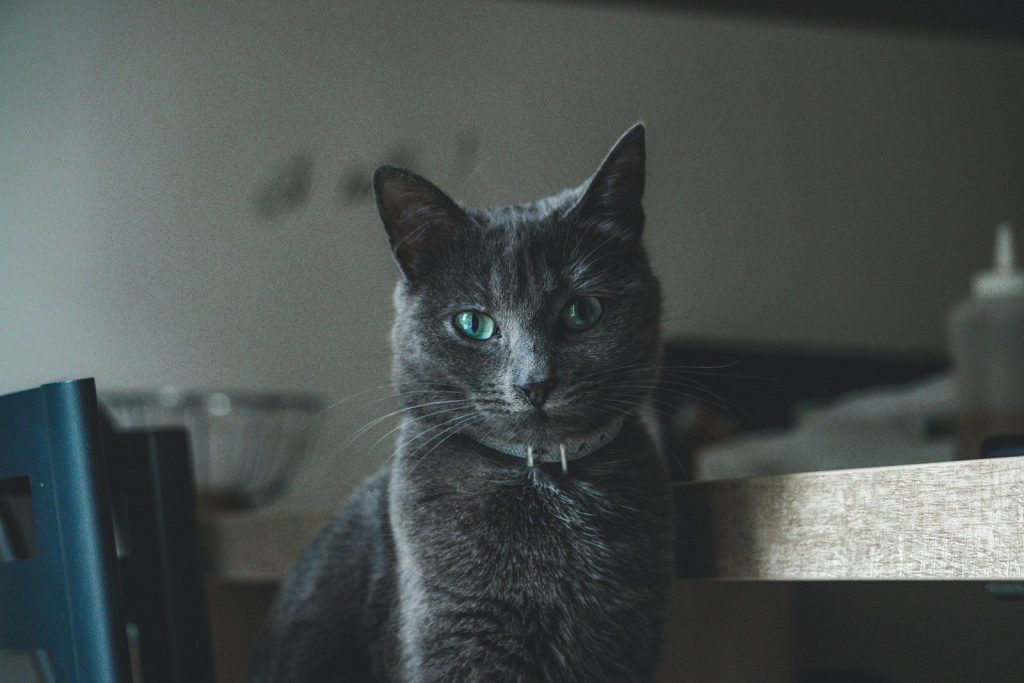
This article is for informational purposes only and does not constitute veterinary advice. Building insulated shelters is a vital way to support local community cats during extreme weather. By providing clean straw and fresh water that does not freeze, you can save vulnerable lives in your neighborhood. Shadow now has a cozy home to keep him safe through every winter storm.