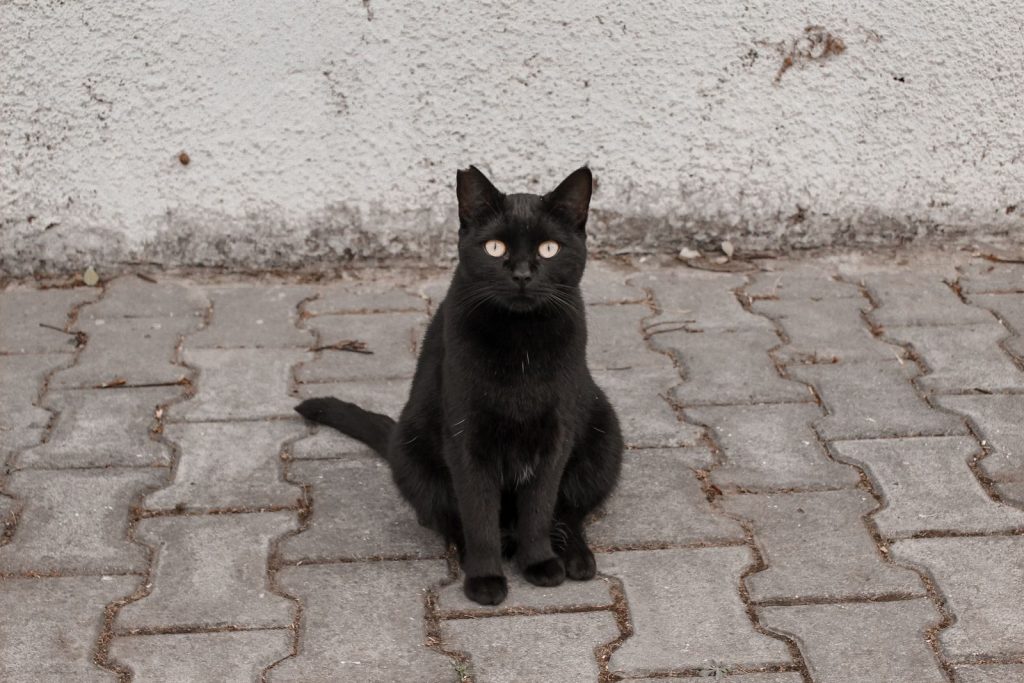

Most rescuers expect street cats to warm up to humans within a few days of receiving regular meals. People assume that food and shelter are enough to earn a stray cat’s trust.
But one skittish street cat in Brooklyn refused all human contact for over an entire year. Her patient caretaker had to learn a completely new way to communicate.
Surviving On The City Streets

A wary stray named Shadow spent years navigating busy alleyways and backyards in Brooklyn. Life was tough. According to local rescue groups, urban stray cats face constant threats from traffic, harsh weather, and territorial battles. Shadow learned to stay hidden during daylight hours and avoid human approach. But one local resident refused to give up on her.
Daily Meals At A Distance

A neighbor named Sarah started placing fresh food and clean water outside her back door every evening. Routine mattered most. According to cat training experts, establishing consistent feeding schedules builds foundational trust with fearful strays. Shadow would eat only after Sarah stepped back inside and closed the door. This pattern continued for months without change.
The Long Battle With Fear

Six months into the feeding routine, Shadow still sprinted away if Sarah made eye contact or moved too quickly. Fear ran deep. According to veterinary behaviorists, traumatized street cats require extraordinary patience to unlearn defensive instincts. Sarah realized she needed to change her approach if she wanted to help Shadow indoors. A breakthrough was coming soon.
Sitting Quietly On The Ground

Sarah began sitting silently on the porch floor while Shadow ate, avoiding direct eye contact entirely. Silence worked wonders. According to feline communication studies, sitting low and avoiding stares signals non-threatening intentions to skittish felines. Slowly, Shadow shortened the distance between them while eating her meals. Then came a freezing winter storm.
A Cold Winter Breakthrough Moment

Sub-zero temperatures hit Brooklyn, making life outside dangerous for any street animal. Cold weather arrived. According to weather reports and shelter warnings, winter conditions pose severe health risks to outdoor pets. Sarah left her back door cracked open with warm blankets inside. After hours of waiting, Shadow cautiously stepped across the threshold. But would she stay inside?
First Soft Touch After Months

Once indoors, Shadow spent days resting quietly in a safe corner set up just for her. Trust took time. According to shelter rehabilitators, allowing fearful cats space accelerates their indoor transition. On day three hundred sixty-five, Shadow walked up and gently rubbed against Sarah’s leg. Her long period of isolation was finally over.
A Safe Life Built On Patience

Today Shadow enjoys a peaceful life as a spoiled indoor house cat. Patience solved everything. According to feline behavior specialists, consistent gentle care can rehabilitate even the most fearful street animals. This article is for informational purposes only.
Featured Image: Photo by Betül Balcı on Pexels