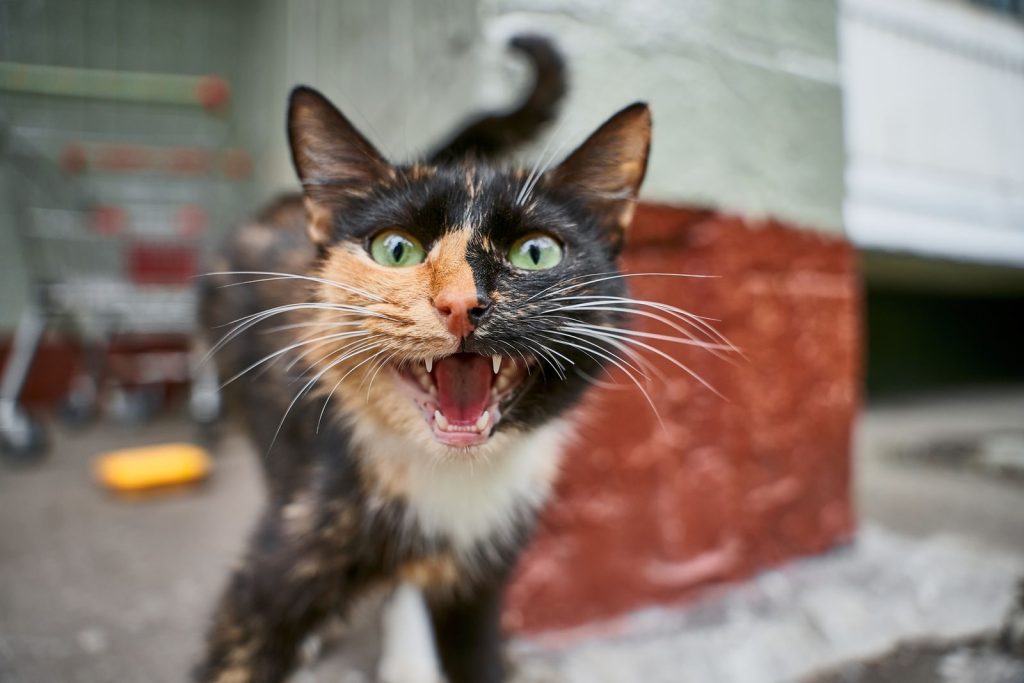

Most cat owners think they understand every message their pet sends. We believe simple meowing is the only way felines communicate their daily needs.
But our companions actually use a complex system of strange vocalizations. These rare noises convey deep emotions that most humans completely miss.
The Gentle Welcome Trill
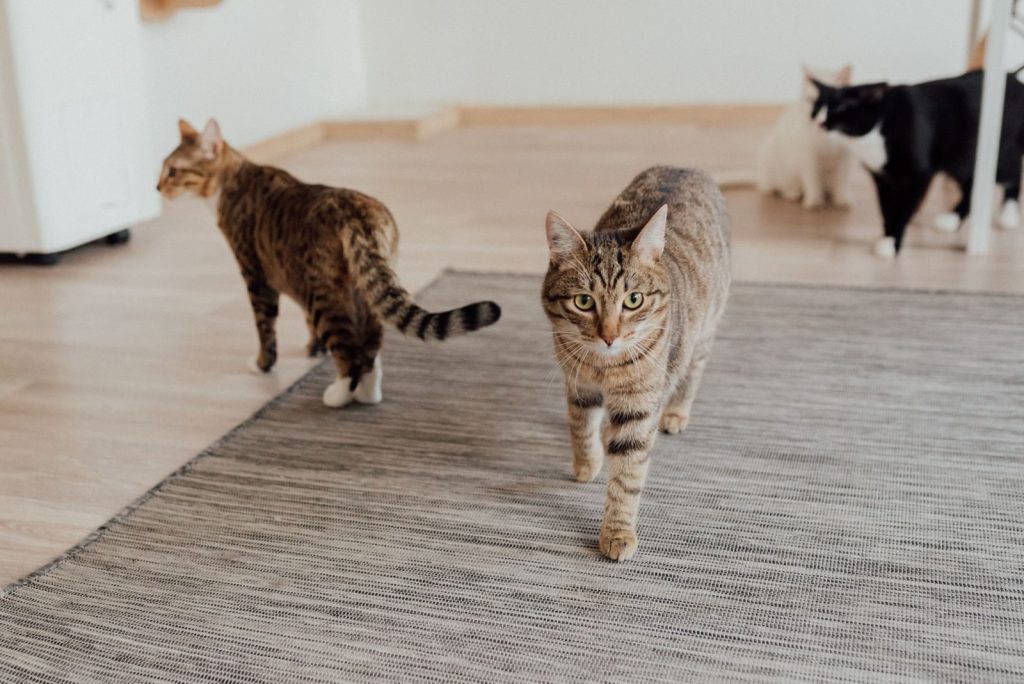
A soft rolling murmur is often heard when your pet walks into a room. They feel safe. According to communication studies from the ASPCA, mother cats originally used this trill to guide their kittens. When an adult cat uses this sound with you, it is a sign of high comfort and love. But this warm greeting is different from hunting noises.
The Rapid Window Chatter
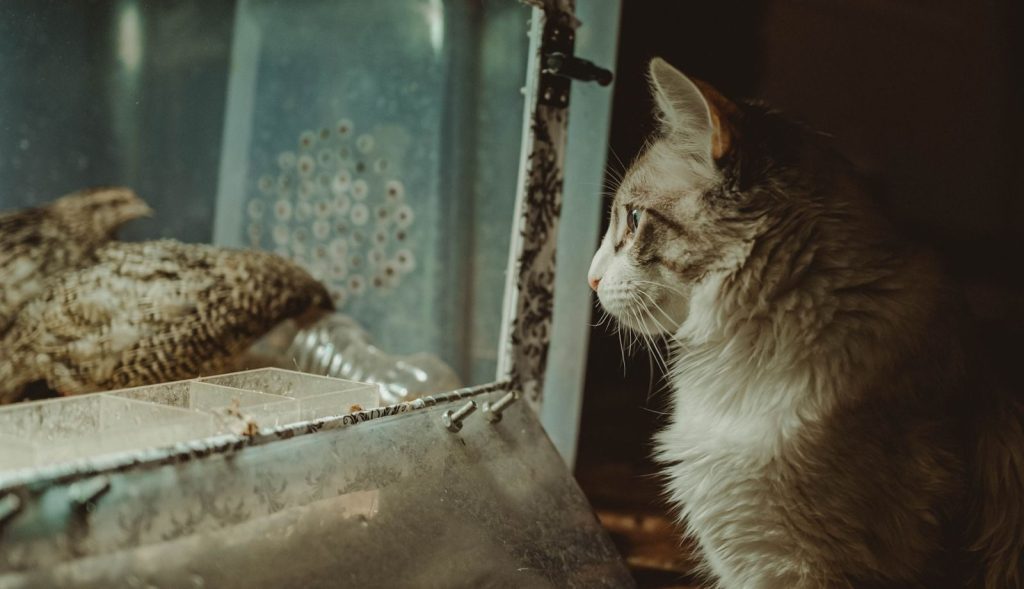
You might notice your cat clicking their jaw rapidly while staring at birds. Focus is intense. According to behavioral reports from the Cornell Feline Health Center, this chattering sound is a mixture of hunting excitement and mild physical frustration. It shows their wild predatory instincts are firing at peak levels. But some sounds express a desire for complete quiet.
The Sudden Sharp Hiss
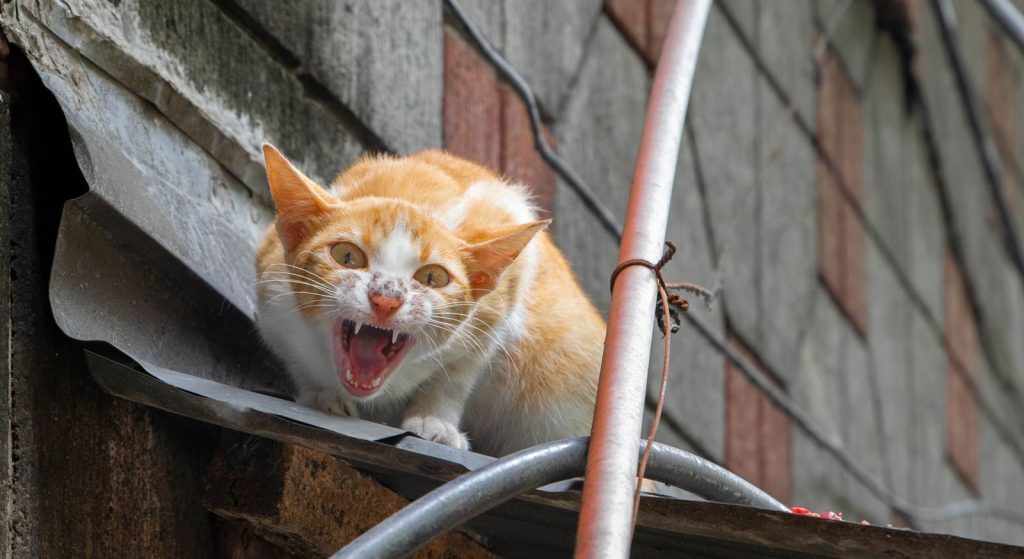
This quick burst of forced air is a universal warning in the animal kingdom. Back away slowly. According to training guidelines from the American Veterinary Medical Association, a hiss is an involuntary reflex triggered by sudden fear or surprise. It is a clear boundary line that owners must always respect to prevent a bite. But their deep warnings can sound even louder.
The Low Warning Growl
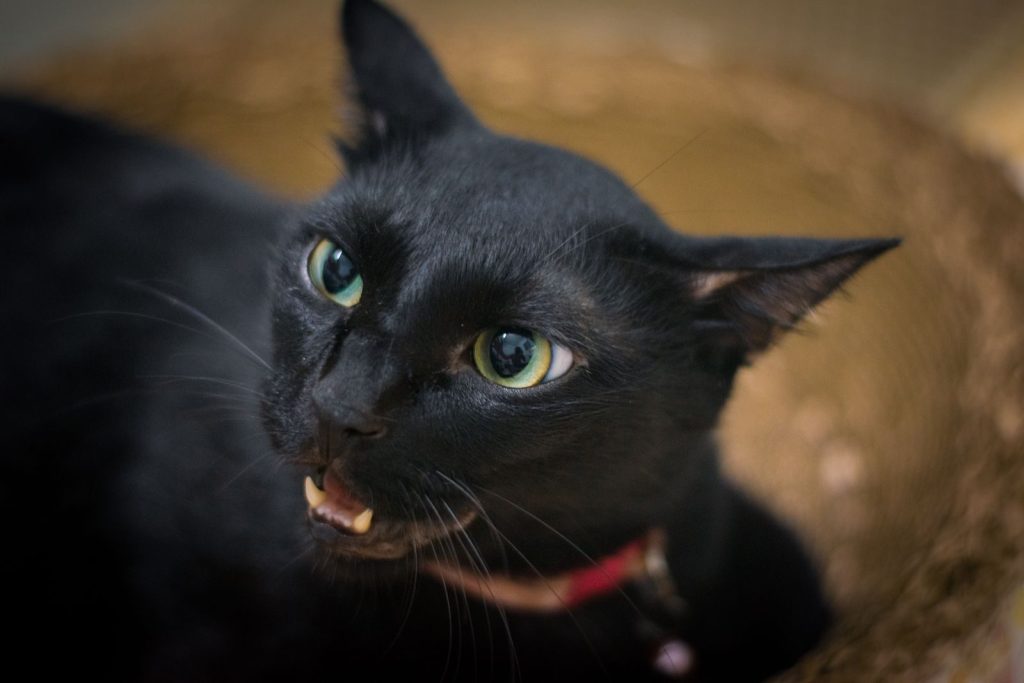
This deep rumbling vibration is a serious sign of high emotional distress. Tension is rising. According to behavioral studies from the American Association of Feline Practitioners, growling indicates intense territorial protection or physical pain. It is an active warning that the animal is ready to defend itself. But senior pets sometimes make vocal noises for other reasons.
Loud Nighttime Vocal Yowls
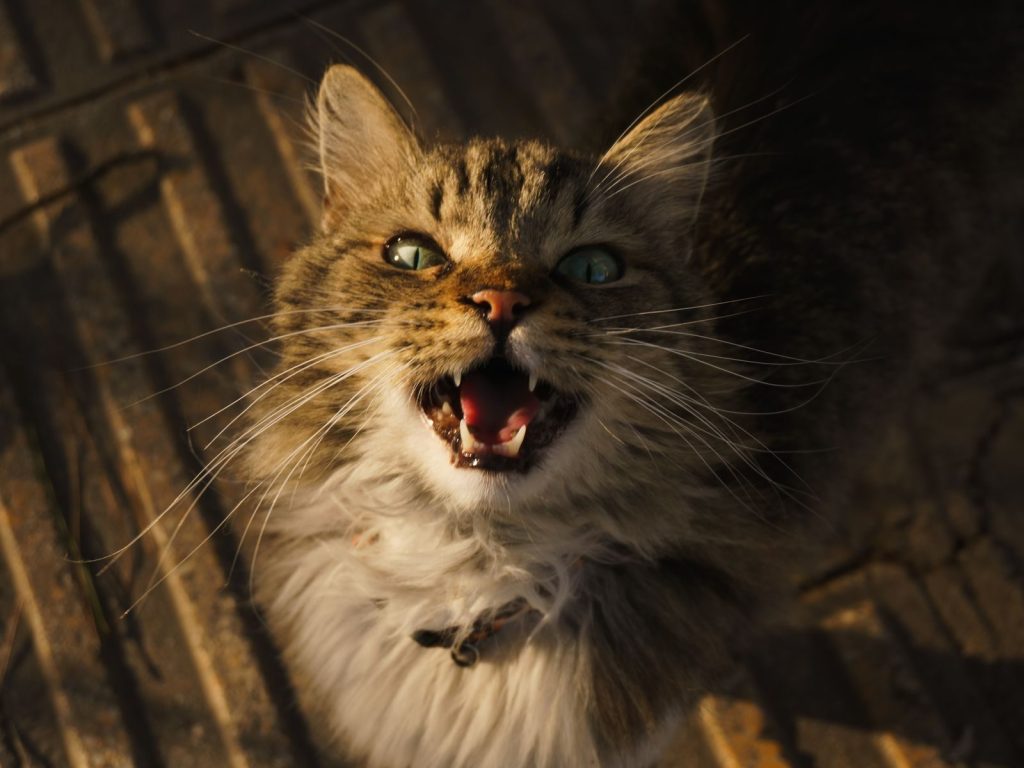
Long-drawn-out cries in the dark can indicate confusion or sensory changes. Help them relax. According to studies from the Journal of Feline Medicine and Surgery, senior cats often vocalize at night due to mild disorientation. Providing a small hallway light can bring immense comfort to aging pets. But there is another quiet sound that means absolute peace.
The Soft Feline Sigh
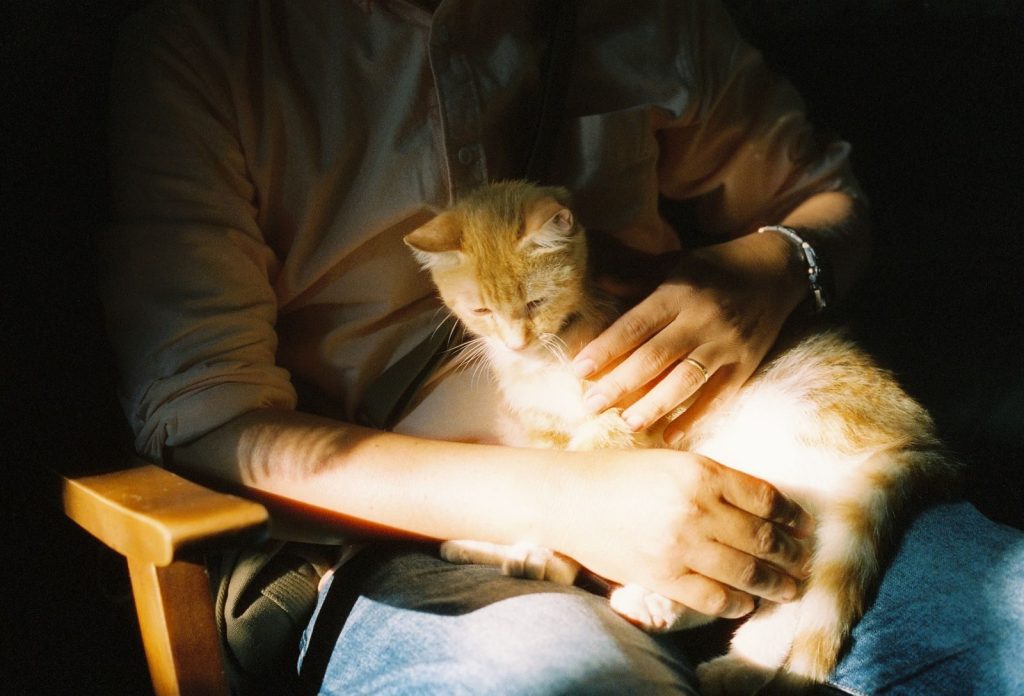
Owners might hear a gentle exhale as their companion curls up on their lap. Comfort is complete. According to behavioral guides from the San Diego Humane Society, a deep sigh represents the ultimate state of relaxation and security. It means your cat feels entirely safe in your presence. But some strange noises actually require a call to your veterinarian.
Spotting Unhealthy Wheezing Sounds
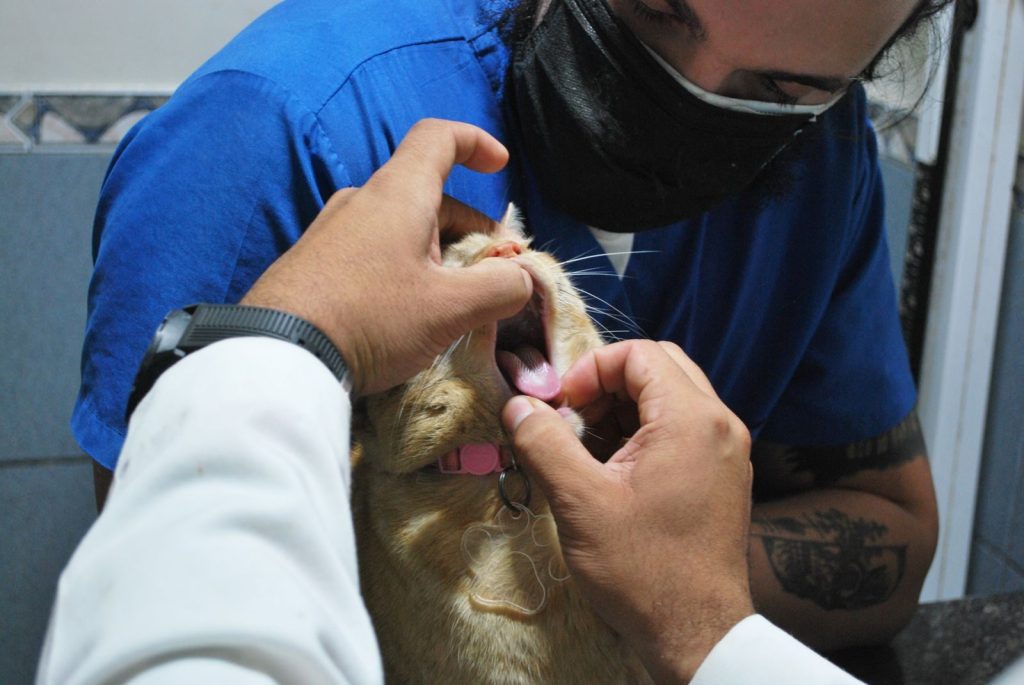
Monitoring a rattling cough or raspy breathing is essential because they are different from normal purring. Safety comes first. According to clinical reports from the American Veterinary Medical Association, wheezing can indicate underlying feline asthma or respiratory infections. Catching these physical issues early keeps your pet comfortable and healthy over time. But listening to your pet is the best way to grow together.
Tuning Into Feline Language
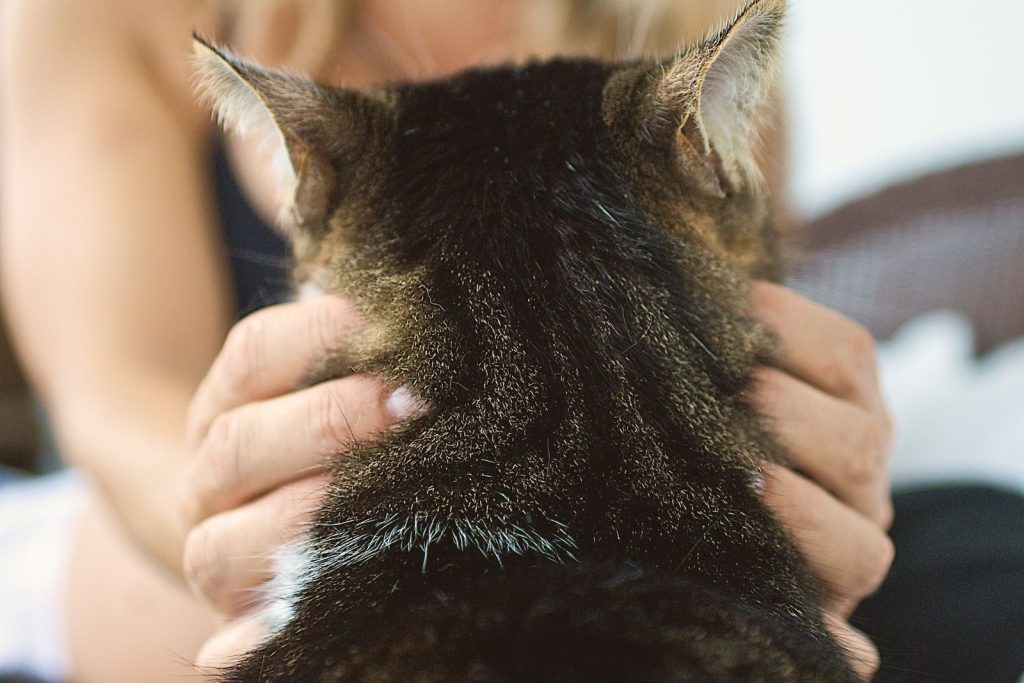
Paying close attention to these everyday vocalizations helps build an unbreakable bond with your companion. Respect their voice. According to guidelines from the American Veterinary Medical Association, understanding these unique sounds improves overall pet happiness. Enjoy learning the special language of your beloved furry family member. This article is for informational purposes only.
Featured Image: Photo by Aleksandr Nadyojin on Pexels