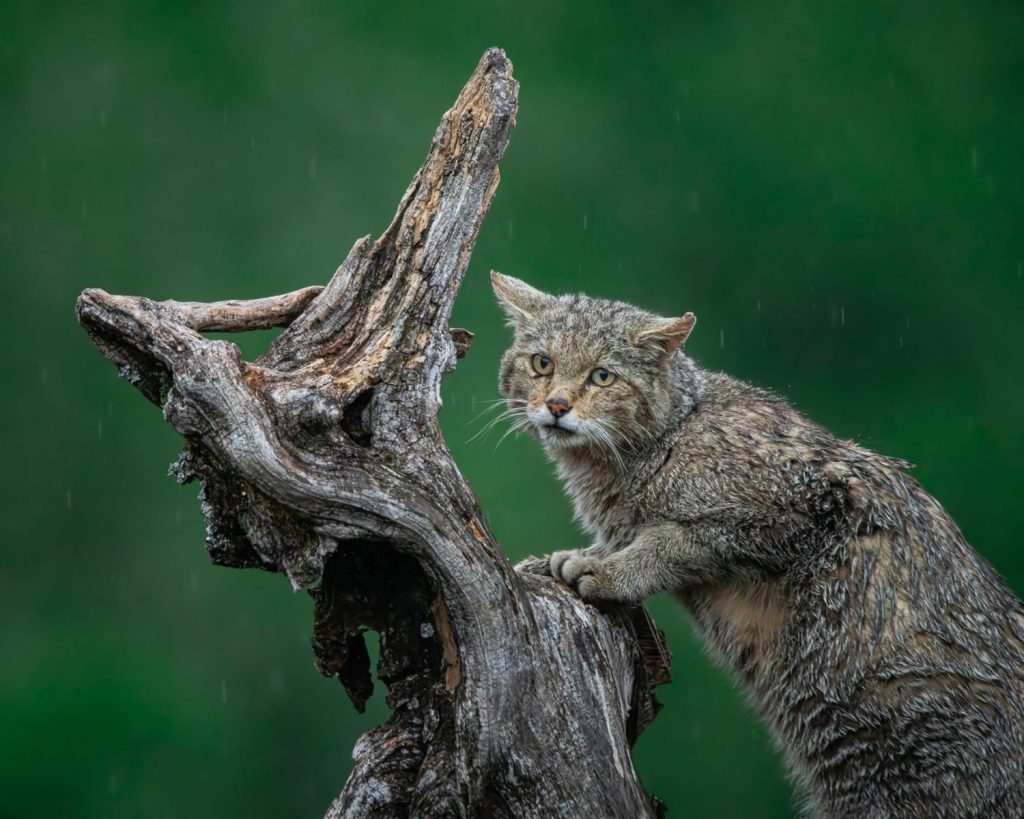

Wild native cats in Britain are considered among the rarest predators on the planet today. Conservation experts fear that wild populations have declined beyond the point of natural recovery.
But hidden camera footage recently captured healthy wildcat kittens playing in the Scottish Highlands. The rare footage brings new hope to wildlife conservationists.
Reviewing Highlands Trail Cameras

Wildlife researchers retrieved memory cards from remote camera traps hidden in dense Scottish forests. Excitement built quickly. According to conservation reports from Saving Wildcats, remote monitoring allows scientists to study elusive species without causing habitat disturbance. Clear video frames revealed two tiny wildcat kittens. They pounced through thick ferns.
Identifying True Wildcat Traits
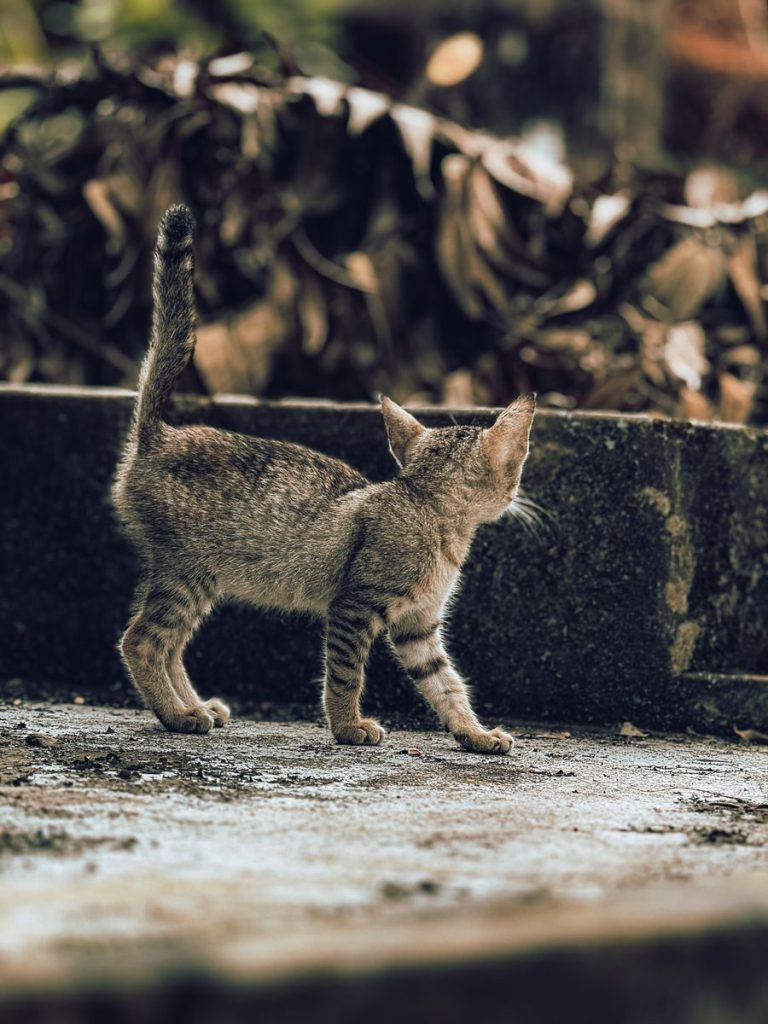
Researchers examined the kittens’ physical markings to confirm pure native wildcat lineage. Distinct features appeared. According to wildlife biology studies from the Royal Zoological Society of Scotland, authentic wildcats display thick blunt tails with distinct black rings and no dorsal stripe extension. The kittens matched the exact genetic criteria. Scientists celebrated the discovery.
Supporting Reintroduction Conservation Efforts

The birth of these kittens follows strategic conservation releases designed to restore native predator populations. Planning proved effective. According to species recovery data from NatureScot, release programs aim to re-establish sustainable wildcat communities in protected habitats. The mother wildcat successfully raised her litter outdoors. Conservationists monitored their territory.
Protecting Native Wildlife Habitats

Preserving vast forest areas remains essential for the long-term survival of wild predators. Space brings safety. According to environmental reports from the Forestry and Land Scotland agency, expanding protected woodlands provides safe hunting grounds for young wildcats. The kittens hunted small rodents beneath fallen logs. Their instincts were sharp.
Mitigating Hybridization Risk Factors
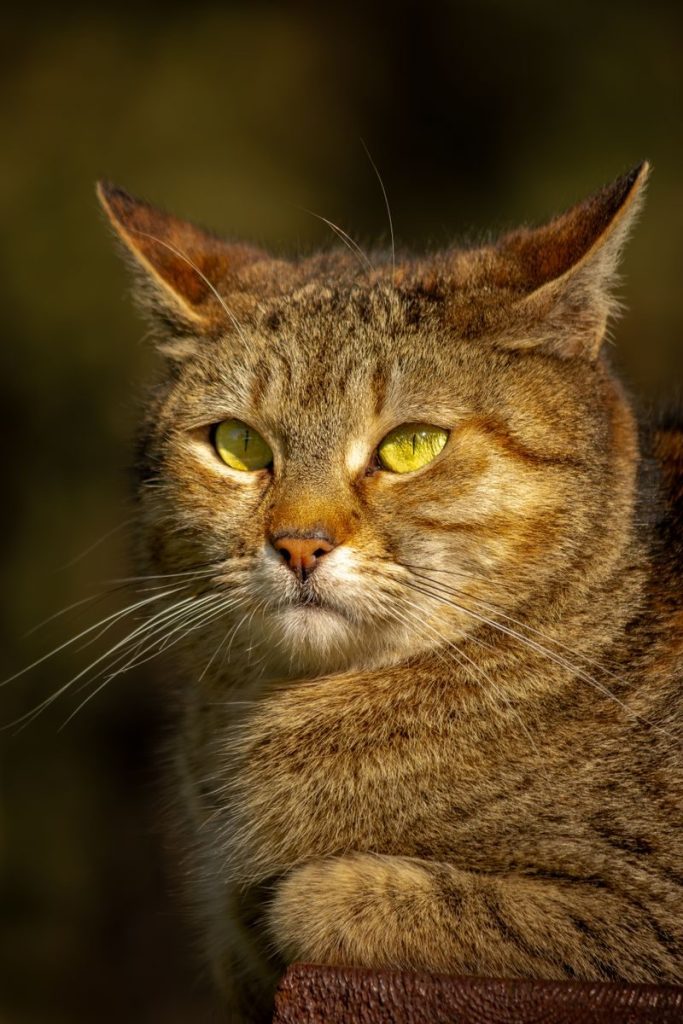
Interbreeding with domestic feral cats poses the biggest threat to pure wildcat survival in Britain. Protection requires action. According to veterinary conservation studies from the University of Edinburgh, feral cat neutering programs around release sites safeguard wildcat genetic purity. Local communities actively support these protection efforts. Progress continues daily.
Inspiring Global Wildlife Supporters

Footage of the playful wildcat kittens circulated worldwide, raising awareness for European carnivore conservation. Public support surged. According to digital media insights from Oxford University, video evidence of rare species breeding motivates international funding for nature projects. The young wildcats grew stronger.
Securing Future Wildcat Generations

Dedicated conservation programs prove that critically endangered species can recover with proper habitat protection and scientific care. Dedication yields results. Protecting native wildcats preserves natural heritage for generations to come. According to wildlife experts, continuous protection ensures Britain’s iconic wild felines thrive. This article is for informational purposes only.
Featured image: Photo by Jesús Esteban San José on Pexels


