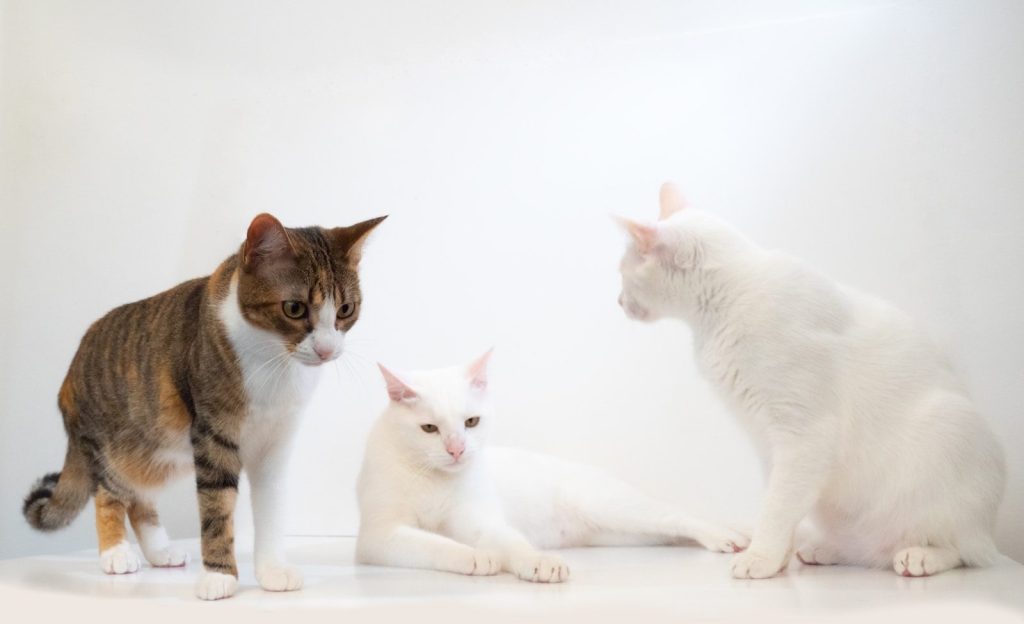

Many pet parents swear that orange cats are chaotic, while calicos are notoriously sassy. But is there any real science behind these popular beliefs?
Researchers have investigated whether a cat’s coat color actually influences their daily behavior. The findings might surprise you.
The mystery of orange feline energy
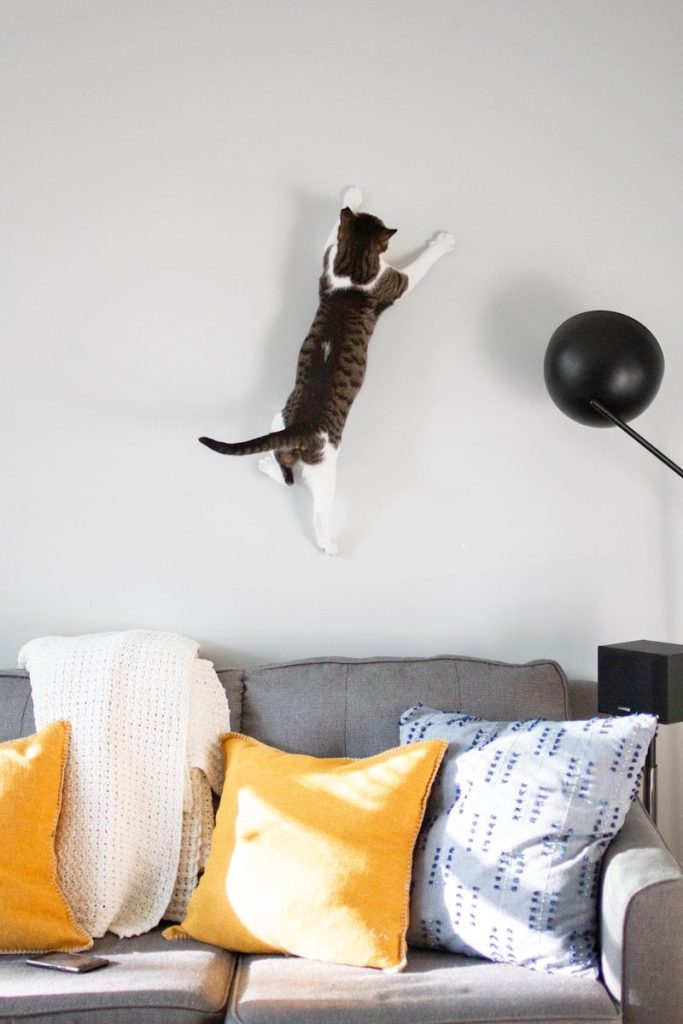
Orange cats are often viewed as the clowns of the feline world. A study published in the journal Anthrozoös surveyed over one thousand cat owners about breed stereotypes. Many respondents rated orange felines as highly friendly but also highly chaotic. Science suggests this reputation might be linked to a specific genetic trait that shapes their behavior.
The fiery reputation of calicos
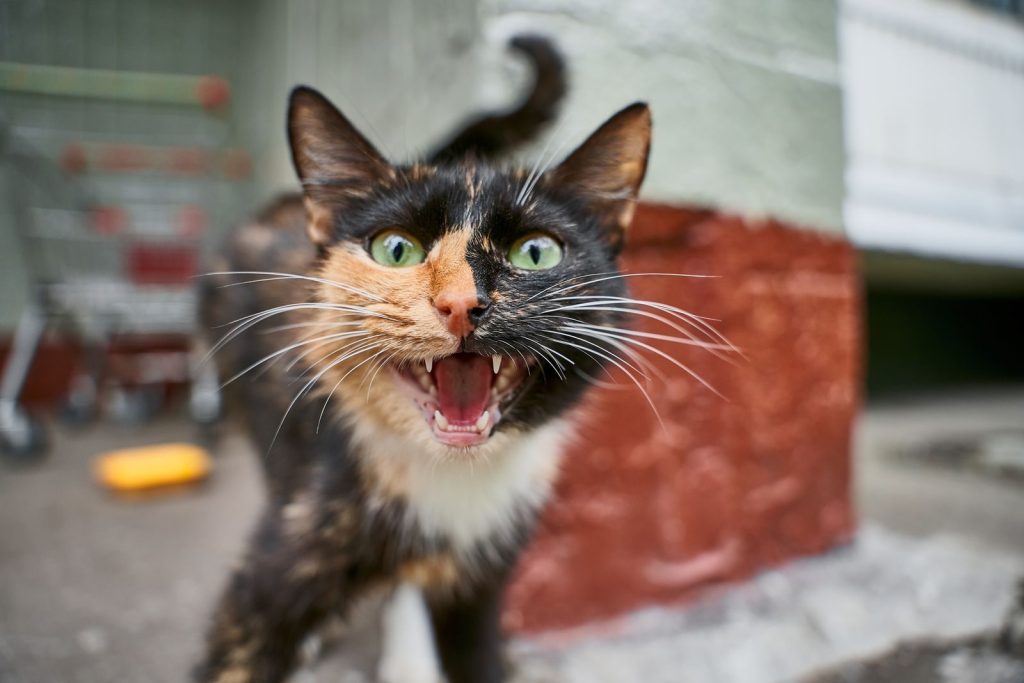
Calico and tortoiseshell cats are famous for having a lot of attitude, often called tortitude. According to researchers at the University of California, Davis, owners of these tri-colored cats reported more frequent sassiness during daily interactions. This behavior includes subtle hissing or swatting when handled. The reason for this spicy nature lies deep within their chromosomes.
Why does genetics play a major role?
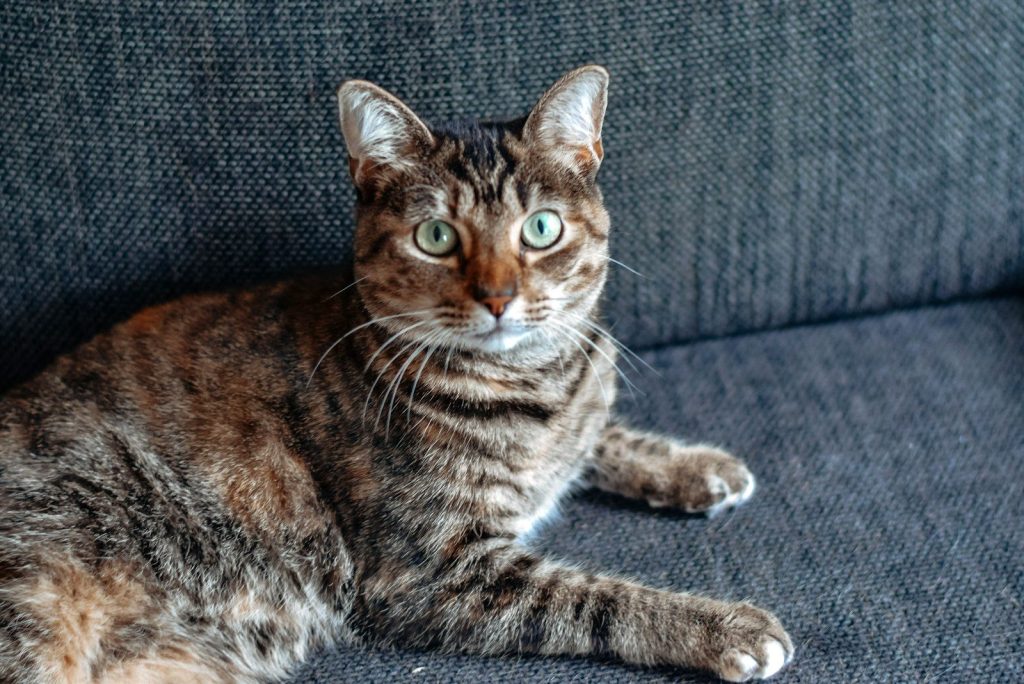
The genes responsible for orange and black fur colors are located on the X chromosome. Because calicos require two X chromosomes, they are almost always female. Female hormones combined with these specific pigment genes might influence brain chemistry. This complex genetic link could explain why your colorful kitty seems so sassy, but other colors hold different secrets.
The calm and steady black cats
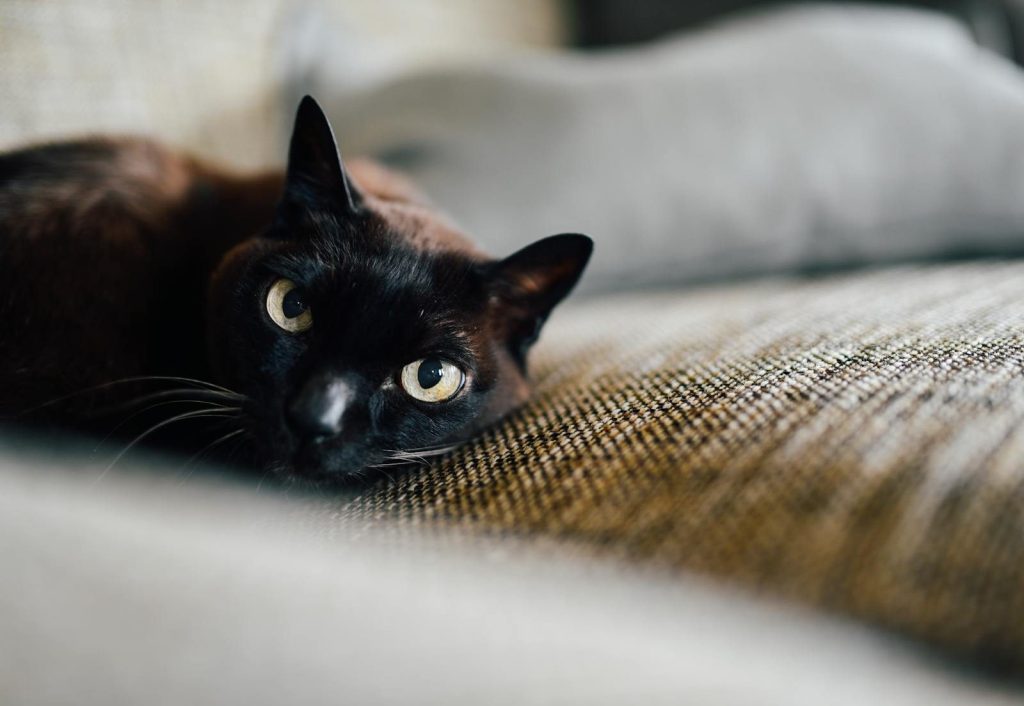
Black cats often face unfair superstitions, but their actual personalities tell a very different story. Surveys show that black felines are frequently rated as extremely calm, cooperative, and gentle. Some experts believe their history of living in crowded urban environments favored friendly, adaptable traits. Yet, another coat pattern holds a completely different surprise.
Pure white felines and quiet elegance
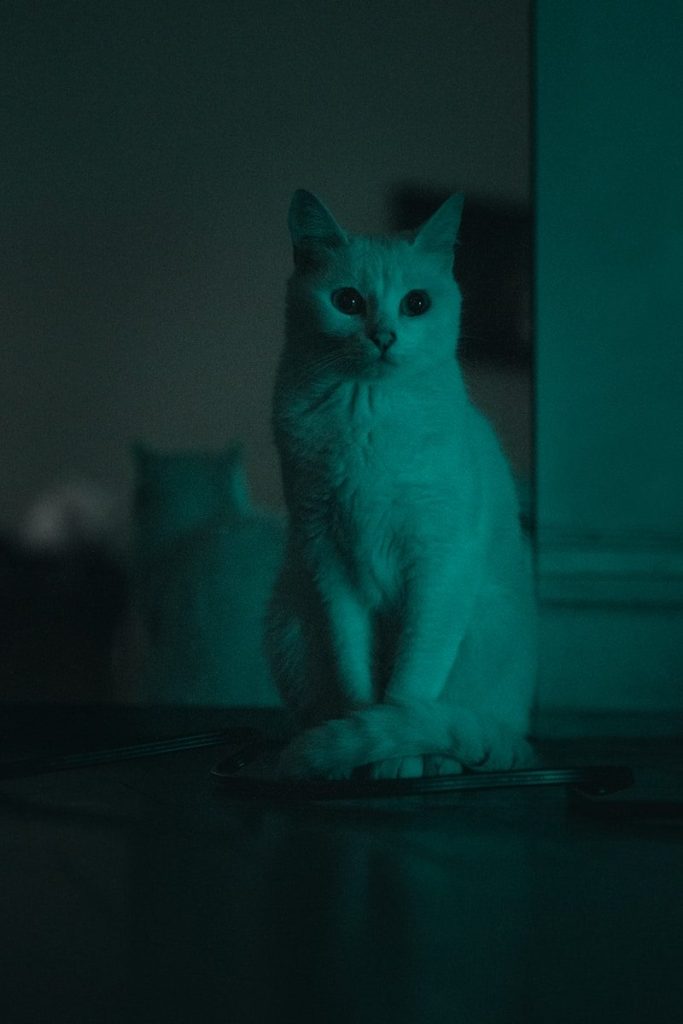
White cats are often perceived as elegant, reserved, and quiet. Interestingly, there is a biological link between all-white coats and hearing. According to the Cornell Feline Health Center, a high percentage of white cats with blue eyes are born deaf. This physical trait can make them seem more detached or easily startled by their owners.
The power of human bias
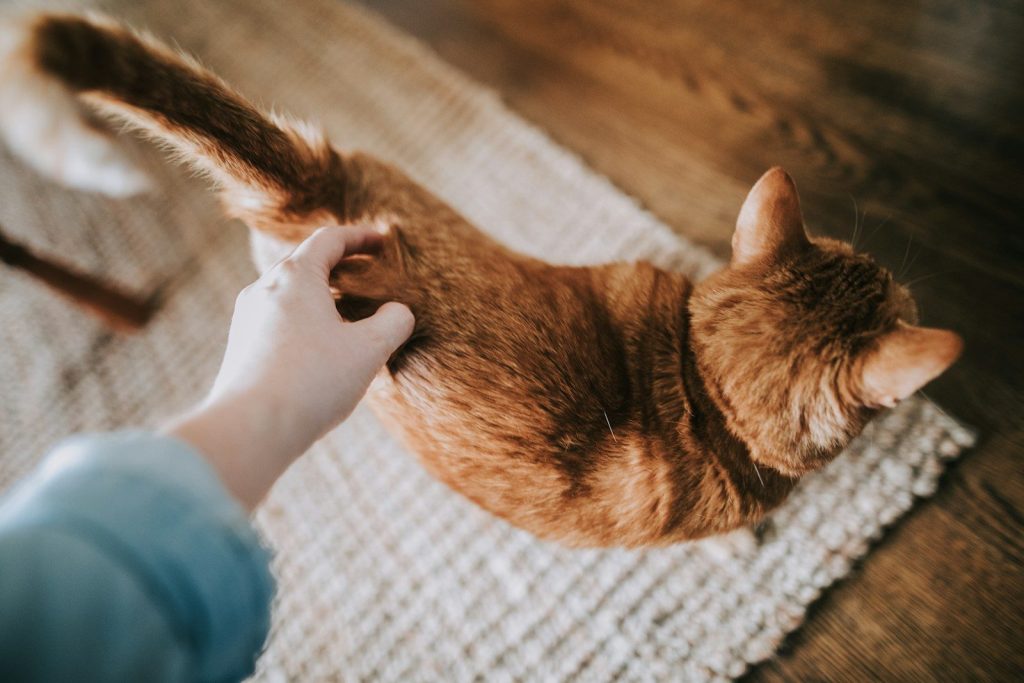
While genetics do influence some behaviors, human perception plays a massive role in these stereotypes. We tend to expect certain behaviors based on how a cat looks. If an orange cat does something silly, we laugh and blame the color. This expectation can easily overshadow a cat’s true, unique personality, but there is still one more factor.
The ultimate bond of love
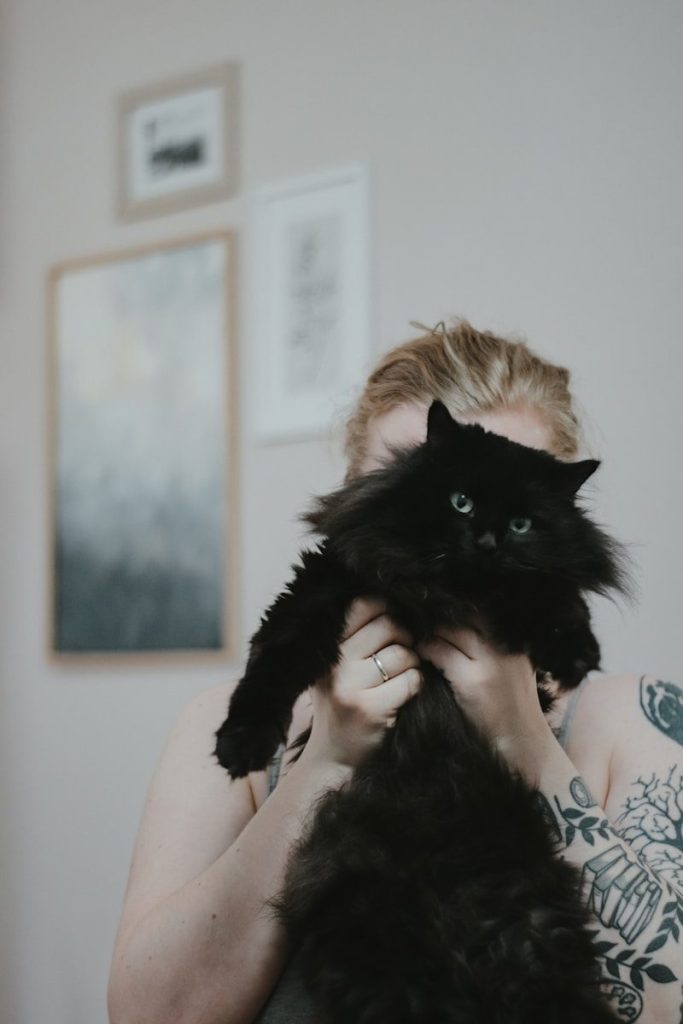
Ultimately, your cat’s coat color is just a beautiful wrapper. Every feline is an individual shaped by early socialization, environment, and love. Whether your companion is a spicy calico or a gentle black cat, their bond with you is entirely unique. Understanding their individual quirks is the real key to a happy home.
Featured Image: Photo by The3dragons on Unsplash