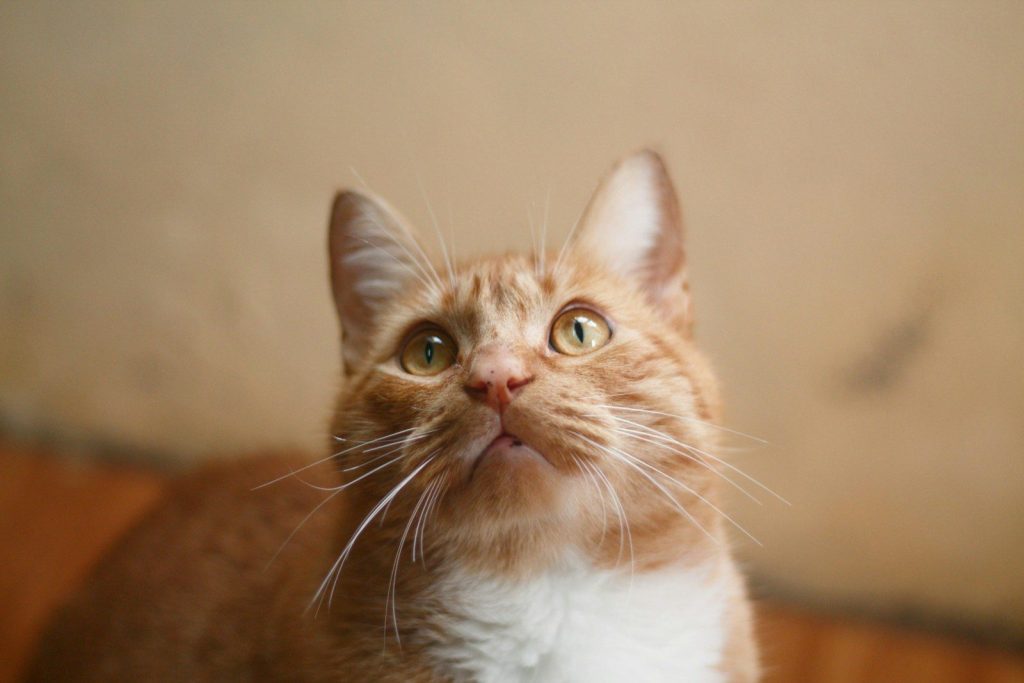

We all walked into the kitchen to find our pet sitting next to a shattered glass. They look up with a tense, wide-eyed expression.
We assume they are feeling deep guilt for breaking the household rules. But does your cat actually understand that they did something wrong?
The Guilty Look Revealed
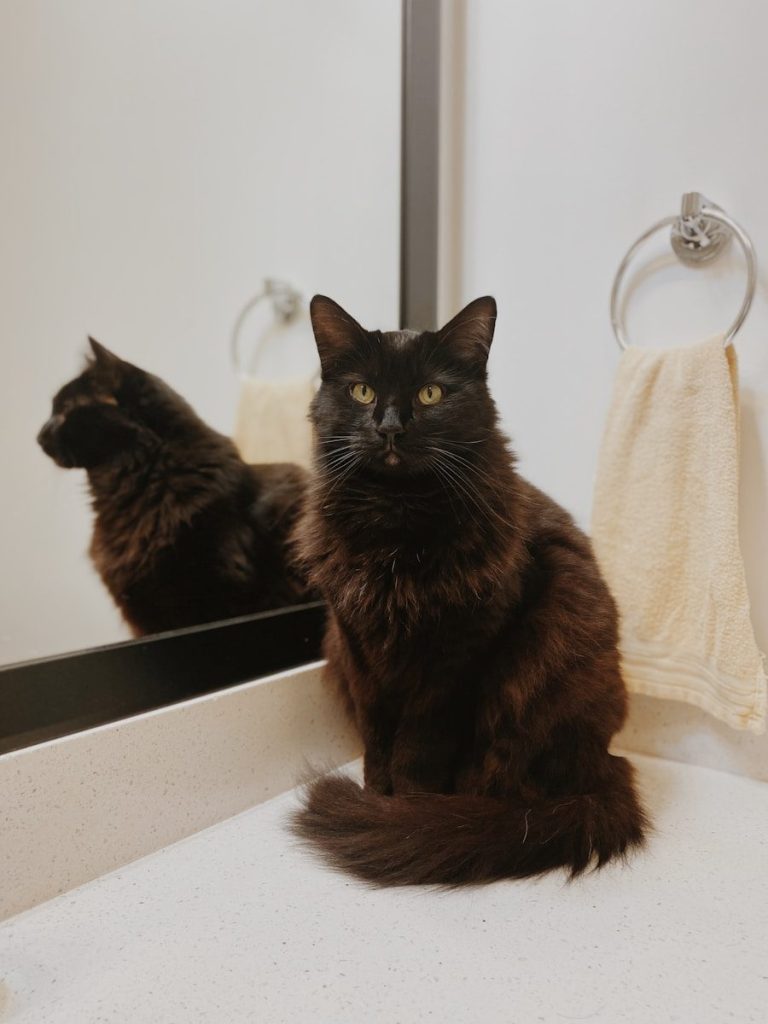
A viral video shows a black cat freeze in place after knocking a plant off the counter. He looked guilty. His ears were flattened, and he slowly backed away from the dirt pile. This relatable reaction leaves many owners convinced their pets feel remorse. But animal behavioral researchers have a much different explanation for this look.
Reading Their Body Language
According to reports from the American Veterinary Medical Association, cats do not experience complex emotions like guilt. They do not have moral codes. What we interpret as guilt is actually a fear response to our loud voices. Your tense posture and angry tone tell them that danger is nearby. They adjust their bodies to protect themselves from your reaction.
Reacting To Your Tone

Felines are incredibly sensitive to human emotions and vocal changes. They hear your frustration. If you yell their name, they will instinctively flatten their ears and lower their heads to look submissive. This behavior is a survival tactic to appease a larger companion. They want to de-escalate the tension quickly, but they also remember past consequences.
Connecting Actions With Results
Cats learn through immediate associations rather than long-term memory. If they get scolded minutes after breaking a vase, they do not connect the two events. They only associate your current anger with their current position. This disconnect is why traditional punishment never works. Fortunately, you can easily change their habits using a highly positive approach.
Rewarding Good Behavior Instantly
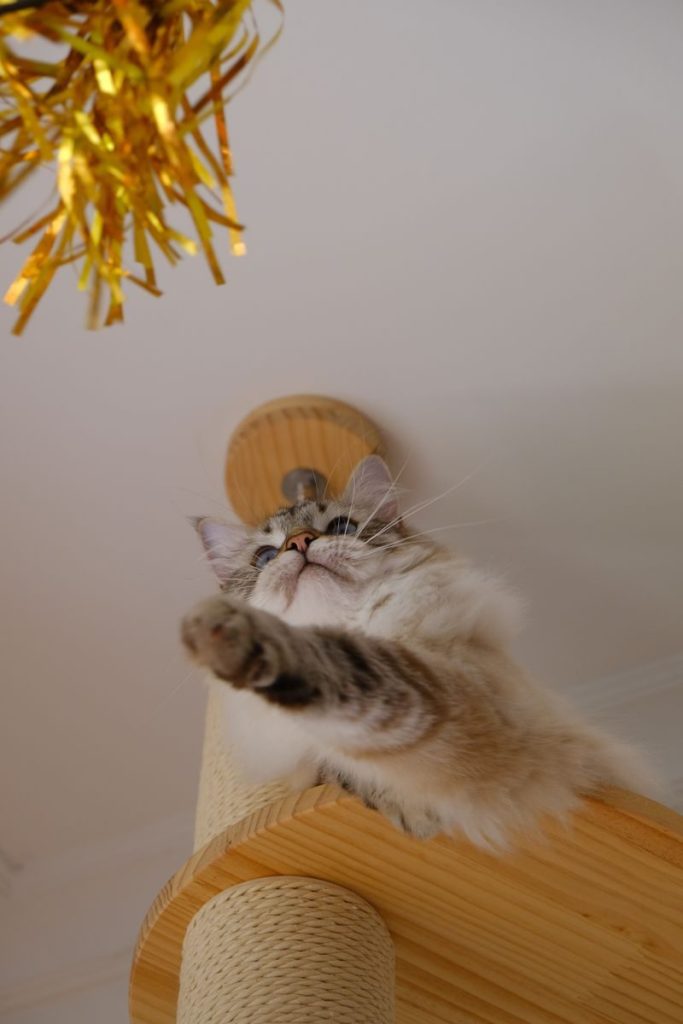
To train your pet effectively, always use positive reinforcement. Reward them when they use the correct scratching post or stay off the counter. According to the Humane Society, offering treats for good deeds builds long-term habits. This approach is much more effective than scolding them after an accident. But there is a reason they love to knock things over.
Felines Knock Things For Fun
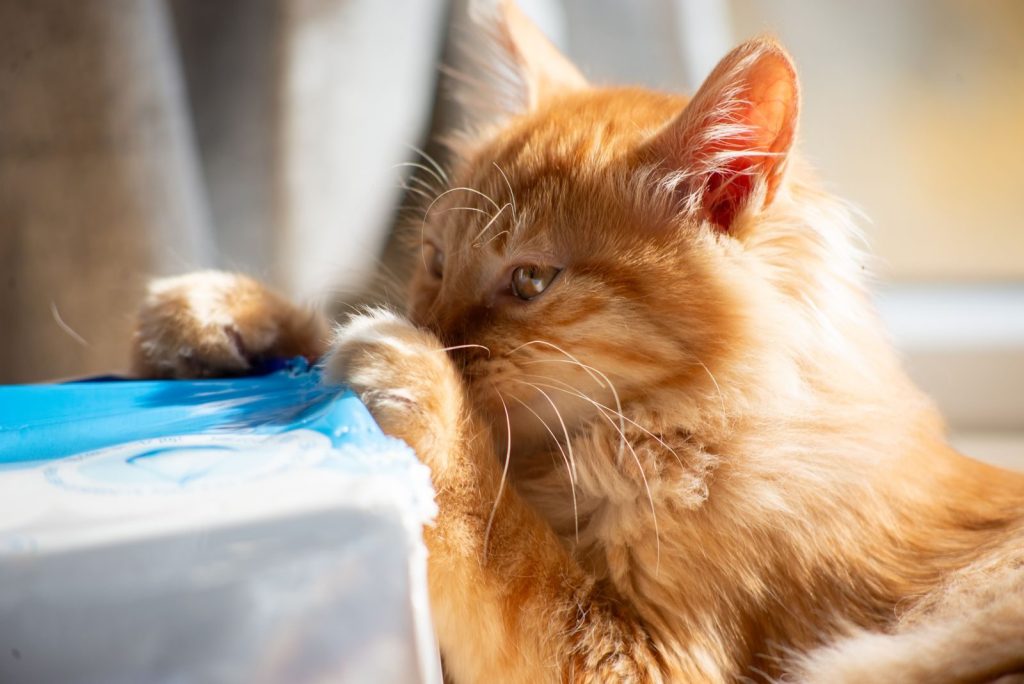
Felines often knock items off tables to test if they are alive. It is a hunting instinct. The movement of a falling object satisfies their predatory curiosity and keeps them active. If they are bored, they will use this trick to get your attention. You can easily solve this problem by introducing a simple change.
Providing Active Enrichment Toys
Keep your counters clear of fragile items and offer plenty of safe interactive toys. This prevents accidents. Dr. Sarah Miller, speaking to Whiskers Tales, recommends rotating their toys weekly to keep play sessions exciting. A happy cat is much less likely to cause mischief in your kitchen. There is one final detail to consider.
A Bond Built On Trust
Understanding how your pet thinks is the key to building a strong relationship. They are not trying to be bad. With gentle training and plenty of love, you can enjoy a peaceful home free from kitchen disasters.
Featured Image: Photo by Ezequiel Garrido on Unsplash