
You want your feline friend to lead a completely joyful life. But some daily human behaviors can trigger silent confusion and stress inside their highly sensitive brains.
Simple domestic mistakes can accidentally alienate your pet without you ever realizing it. Discover how to identify these common household habits to build a much stronger bond today.
Leaving the kitchen trash can completely wide open
Indoor cats possess highly active hunting drives that never shut off. The tempting scent of old chicken bones is impossible for them to ignore. According to the ASPCA, eating trash can cause dangerous blockages. But this common scent hazard is not the only household trap waiting to disrupt their daily peace.
Using heavily scented chemicals on the floor
Feline noses are roughly fourteen times more sensitive than human noses. Walking across floors washed with pine or lavender detergents can feel like a sensory assault to their paws. Dr. Jessica Vogelsang warns that these strong fragrances trigger immediate avoidance behaviors. Yet, an even bigger training mistake happens during their play sessions.
Moving the laser pointers too fast during play
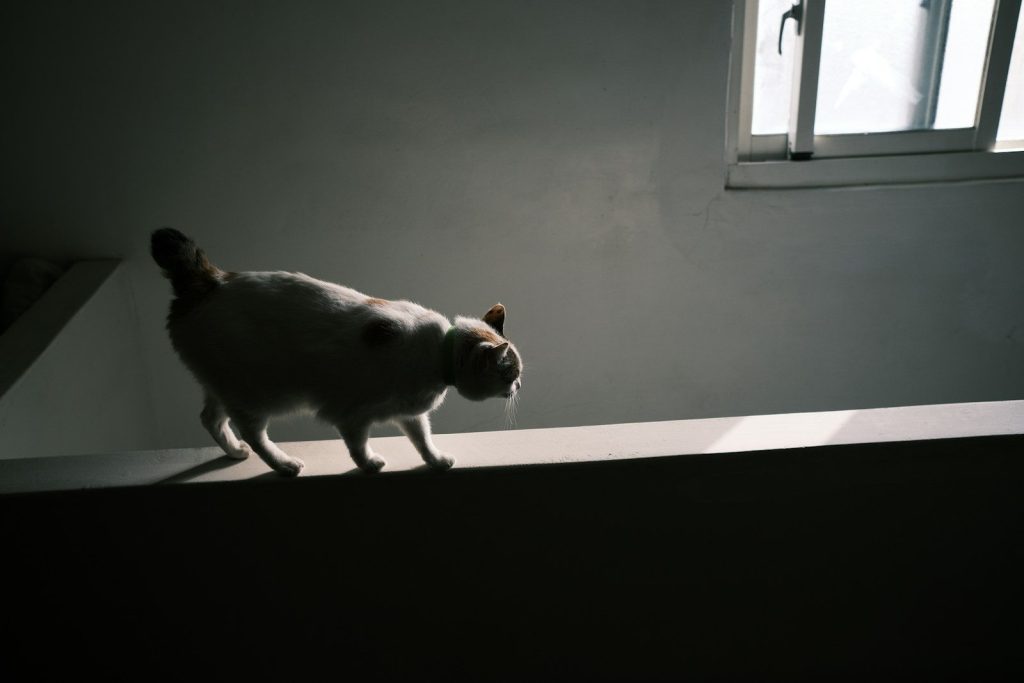
Cats need to physically catch their prey to complete their natural hunting cycle. Chasing a light beam they can never grab leaves their brains in a state of high frustration. Feline behaviorists suggest tossing a real toy at the end of the game so they feel satisfied. However, your daily greeting habit might also be bothering them.
Forcing long hugs when you come home
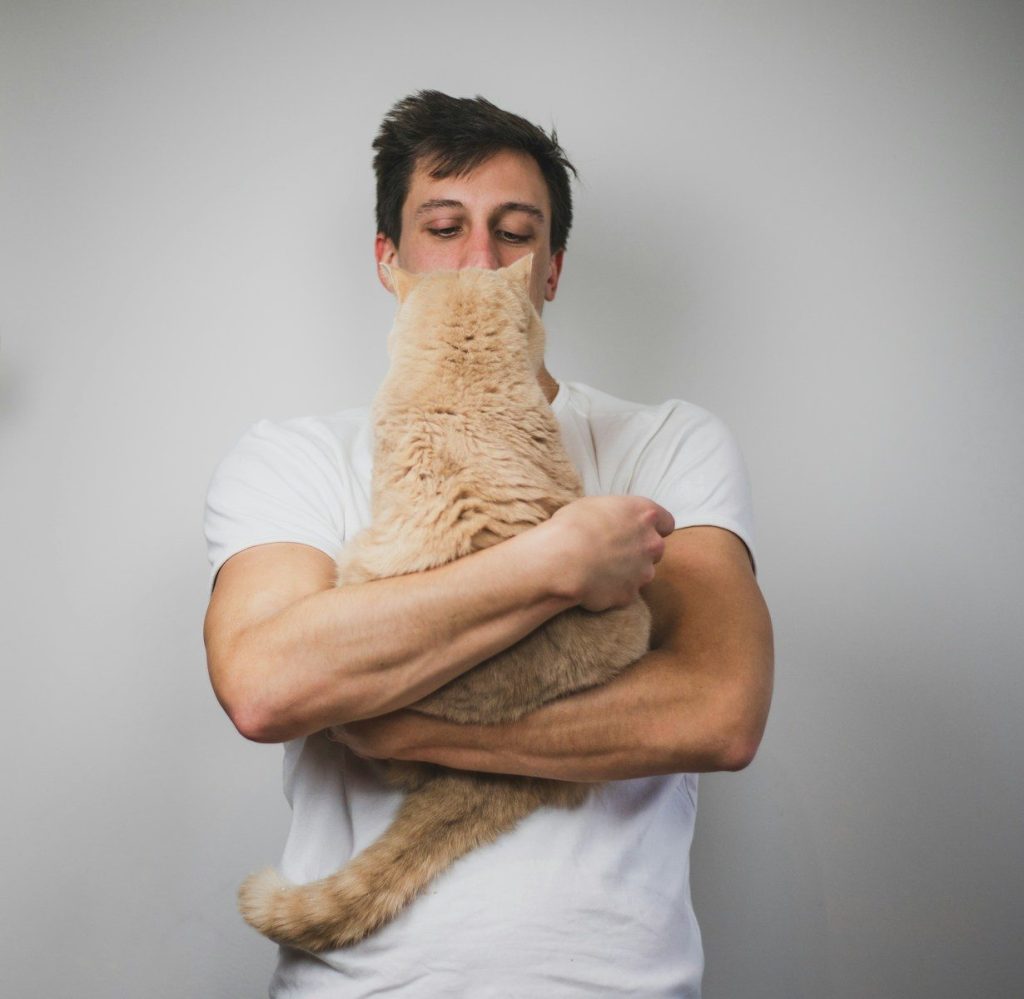
Human beings love long physical embraces to show affection. Felines prefer quick scent exchanges like a gentle finger sniff or a soft cheek rub. Pushing your pet into tight holds can build subtle resentment. Fortunately, you can read their growing frustration instantly if you pay close attention to one specific body part.
Ignoring the slow thump of their tail
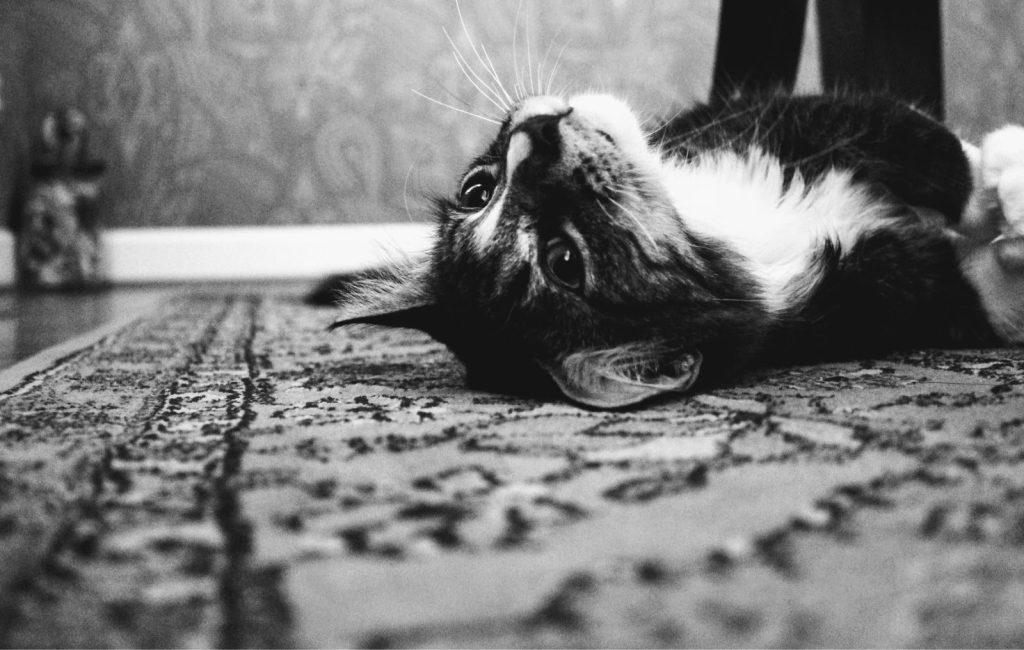
A gently twitching tail tip is not a sign of pure happiness. It is a clear warning that your pet is reaching their sensory limit. If you keep petting them during a thumping tail, they might react with a sudden defensive nip. Still, another hidden stress trigger involves where you place their water.
Placing their water dish near food bowls
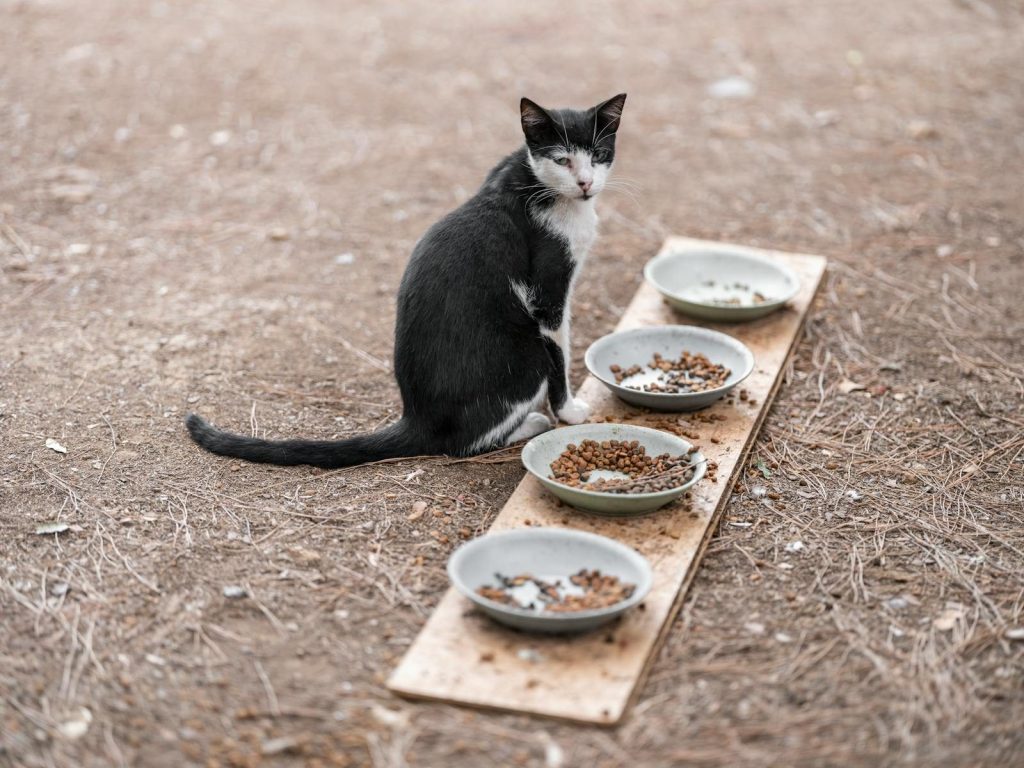
In the wild, felines never drink near a fresh kill to avoid potential contamination. Your domestic companion still carries this deep survival instinct. Keeping water and food together often discourages them from drinking enough. This simple mistake can lead to a serious medical emergency that many owners never see coming.
Neglecting their daily hydration needs entirely
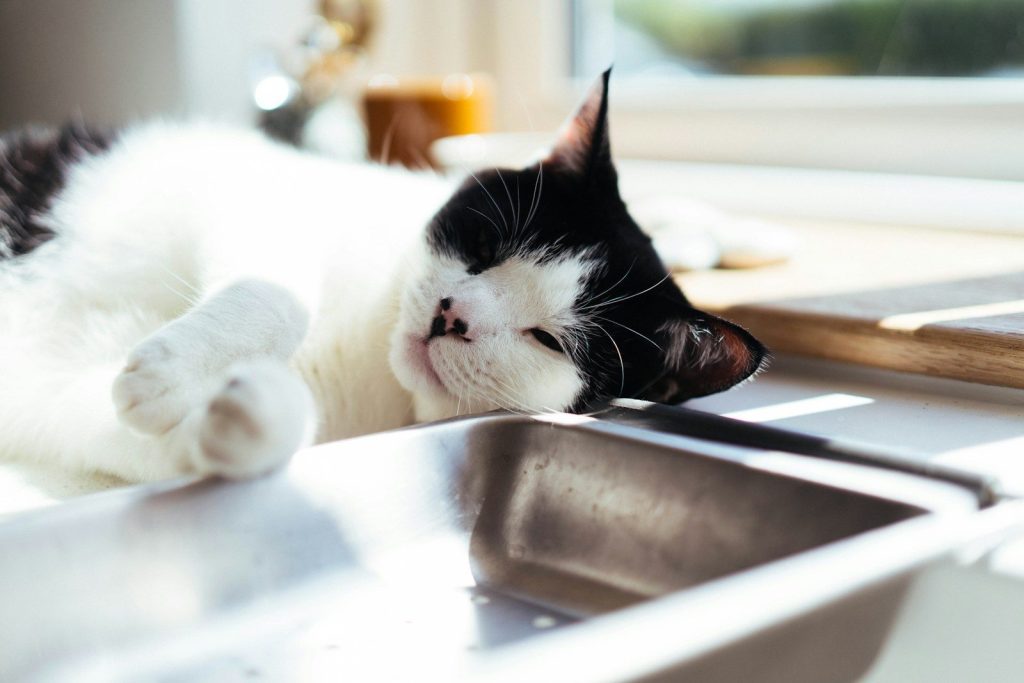
Low water intake can trigger painful urinary tract issues in older felines. The American Veterinary Medical Association recommends placing multiple bowls throughout your home to encourage healthy drinking. Moving their dishes to quiet corners can change their behavior overnight. But how do you ensure their environment is truly a peaceful sanctuary?
Creating a stable and predictable home schedule
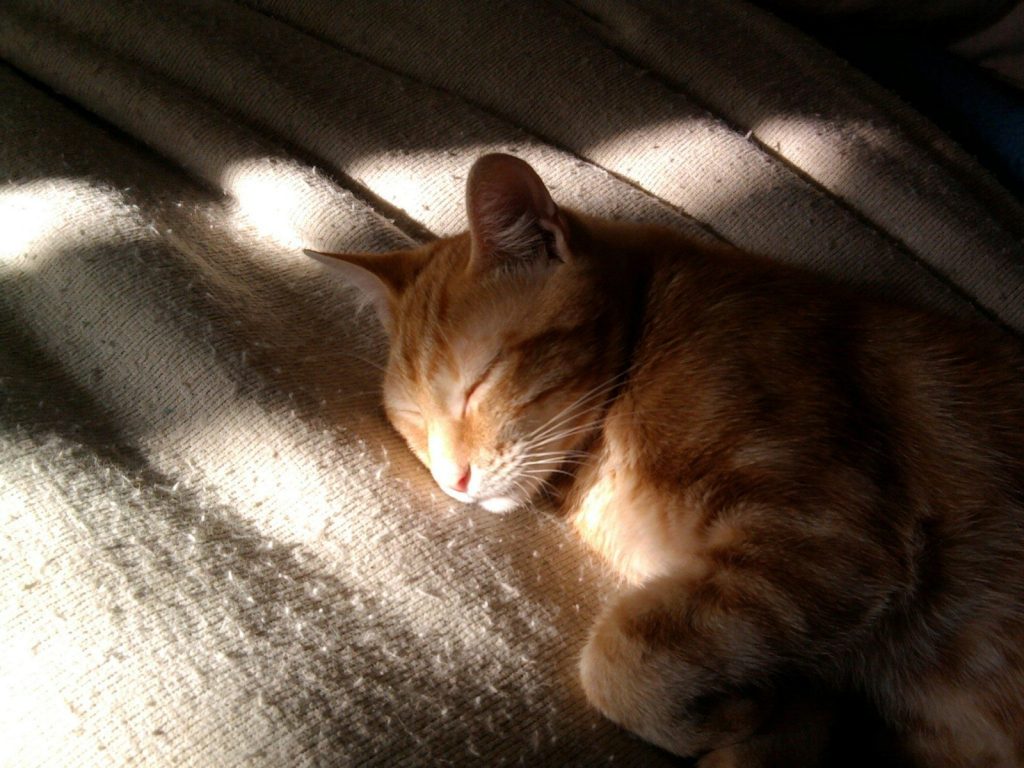
Setting regular times for meals and interactive play sessions lowers feline cortisol levels. When your companion knows exactly what to expect, their natural love and confidence will shine through every day. This article is for informational purposes only and does not constitute veterinary advice. Your patient adjustments can help your beloved pet live a beautiful, stress-free life.
Featured Image: Photo by Roman Denisenko on Unsplash