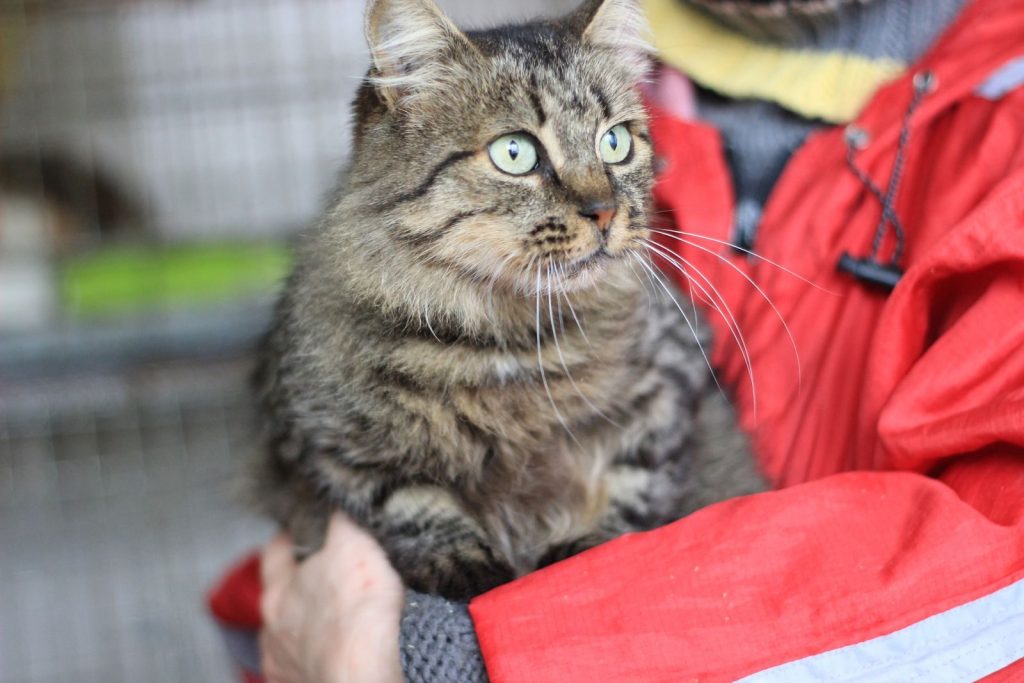

Crumb arrived at NAWS Humane Society in Illinois without the history rescuers usually need to understand an injured animal. In August 2026, shelter staff shared that someone had left him outside their doorstep with no note explaining who he was, where he had lived, or how he became hurt. Video showed visible facial wounds and irritated-looking eyes. The shelter described him as injured and unsettled, but what happened before his arrival remains unknown, so responsible coverage cannot fill those missing hours with an invented abandonment story.
What staff could verify was more encouraging. Crumb responded quickly to gentle affection, and the rescue described him as a highly affectionate cat despite his medical problems. Testing also showed that he was positive for feline immunodeficiency virus, or FIV, a condition that affects the immune system but does not automatically prevent a cat from having a meaningful life. NAWS began providing the treatment and monitoring he needed while staff focused on healing the problems they could see rather than guessing about the circumstances they could not confirm.
Crumb Was Left at the Rescue
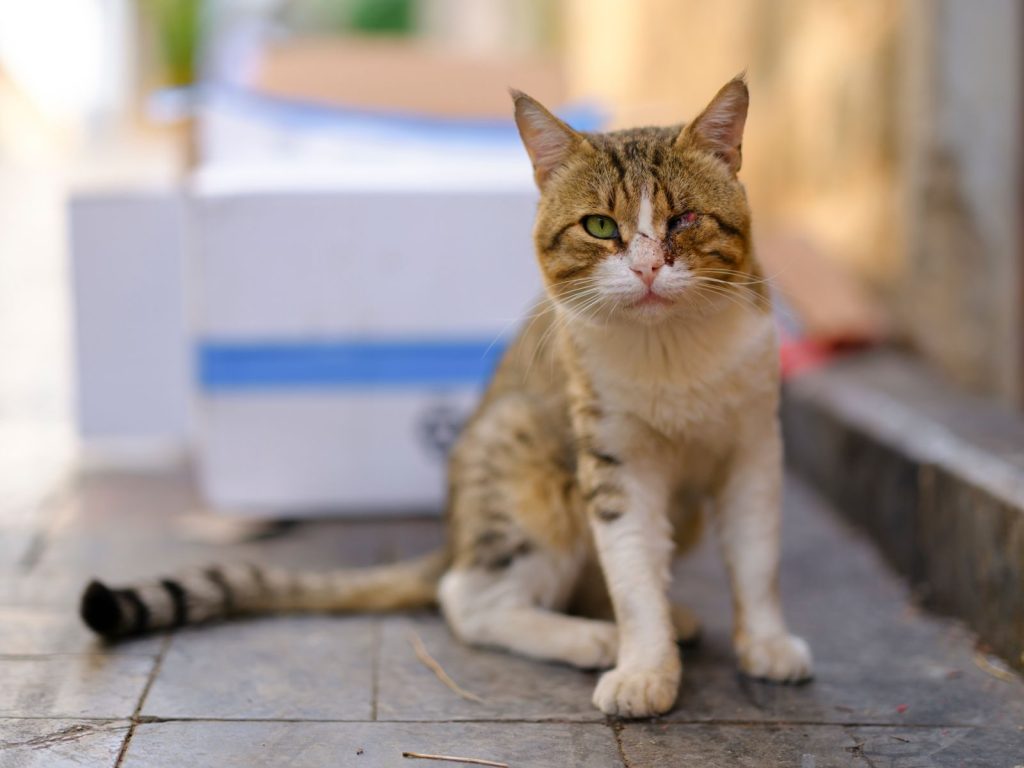
NAWS Humane Society reported that Crumb was abandoned directly outside its facility. There was no accompanying note, medical record, ownership information, or explanation of the injuries visible when staff brought him inside.
That lack of history matters because veterinarians normally use information about trauma, previous illness, medications, and recent behavior when evaluating a patient. In Crumb’s case, the rescue could document his condition on arrival but could not responsibly say who injured him, how long he had been hurt, or why someone left him there.
His Injuries Needed Medical Attention

The video shared through the rescue showed scars and wounds around Crumb’s face as well as noticeably red-looking eyes. Those visible problems were enough to make veterinary assessment a priority rather than something to monitor casually at home.
Open wounds, marked eye changes, severe lethargy, breathing difficulty, and problems walking are among signs that can require prompt professional care in cats. A found animal may also be frightened or painful, so handling should be cautious. Crumb was already in the right place to receive evaluation and treatment from people equipped to help him.
His Past Remains Unknown
The shelter’s wording emphasized a simple fact: staff did not know what had happened to Crumb before he appeared at their door. That uncertainty should remain part of the story instead of being replaced with a dramatic explanation.
An injured cat’s scars cannot reveal whether the cause was a fight, accident, untreated disease, intentional harm, or something else. Even behavior after arrival cannot reconstruct the missing history. Responsible rescue storytelling separates observations from conclusions, especially when no witness, owner history, veterinary record, or other evidence explains how an animal reached such a condition.
Crumb Tested Positive for FIV
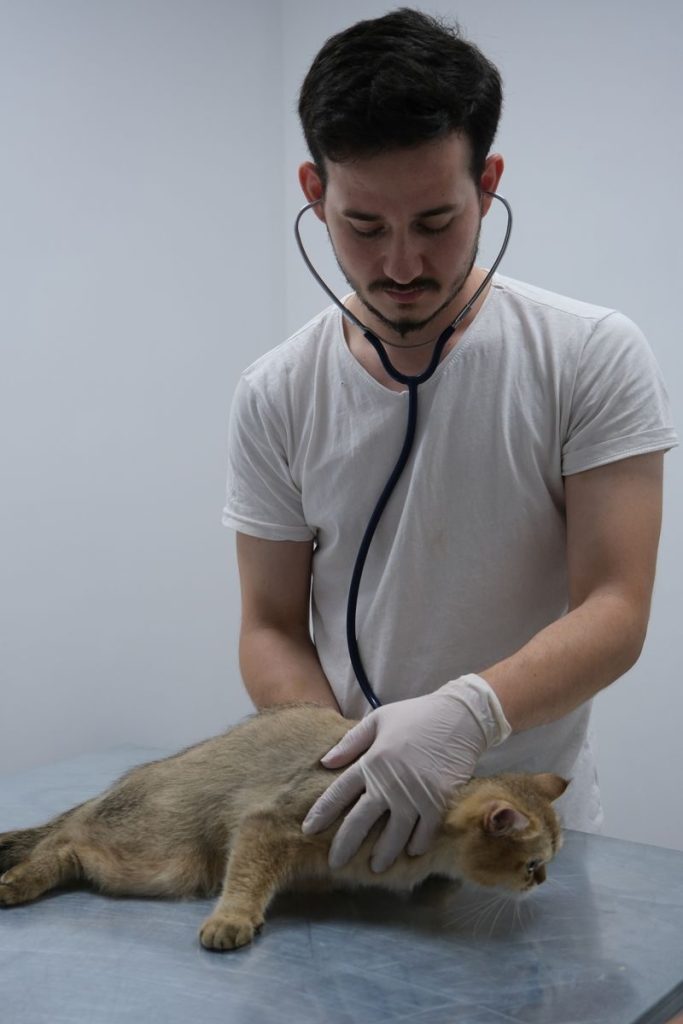
NAWS also reported that Crumb tested positive for feline immunodeficiency virus. FIV attacks parts of a cat’s immune system and can make infected cats more vulnerable to secondary infections and other health problems over time.
A positive result does not mean a cat is constantly ill or has only a short time to live. Cornell’s Feline Health Center notes that FIV-positive cats may appear normal for years and can commonly have average lifespans when they are not also infected with feline leukemia virus. Ongoing veterinary care remains important.
FIV Usually Spreads Through Bites

FIV is primarily transmitted through deep bite wounds from an infected cat, which is why free-roaming intact males that fight are at particularly high risk. Casual social contact is not considered an efficient route of transmission.
Cornell notes that sharing water bowls, grooming, and ordinary contact among cats in stable households present far less risk than aggressive fighting. That distinction matters for adoption because an FIV-positive cat should not automatically be treated as dangerous to people or impossible to house. Veterinary advice can help determine safe arrangements for any other cats in the home.
Crumb Quickly Accepted Affection

Although the shelter described Crumb as injured and disoriented on arrival, staff also reported that he opened up to them almost immediately. Their social-media update called him a “love bug” and showed him accepting close contact from a caregiver.
That observable response is meaningful without claiming to know exactly what Crumb felt. Some cats remain withdrawn after a stressful arrival, while others seek contact quickly. Temperament, pain, previous socialization, and the environment can all influence behavior. Crumb’s willingness to engage simply gave staff an encouraging glimpse of how socially comfortable he could be.
Recovery Comes Before a New Home
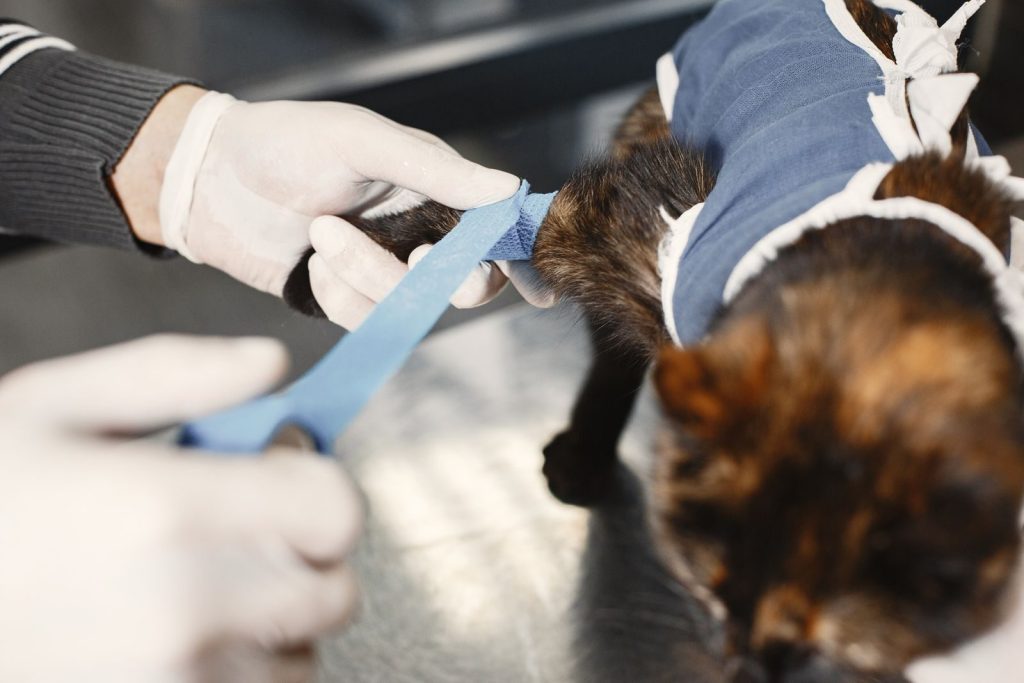
For an injured rescue cat, the immediate priorities are medical stabilization, pain management when needed, diagnosis, nutrition, hygiene, and a low-stress place to recover. Adoption planning comes after staff understand what ongoing care the animal may require.
Crumb’s FIV status also means future caregivers should be informed about monitoring and responsible management rather than frightened by the diagnosis. Regular veterinary examinations and prompt attention to illness are especially valuable for immunocompromised cats. A successful placement should match his health needs and temperament with a household prepared to continue the care started by the rescue.
NAWS Is Focused on His Future
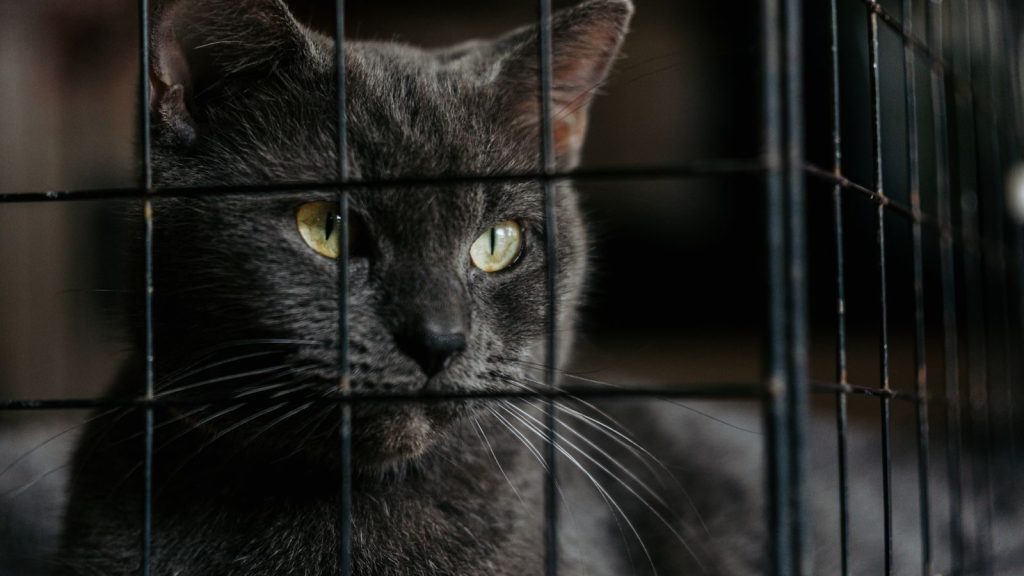
NAWS said Crumb was receiving medical treatment and expressed confidence that his situation could improve. At the time of the report, the emphasis was on recovery rather than announcing an adoption outcome that had not yet happened.
That is the appropriate ending for a still-developing rescue story. Crumb has a safe place, professional attention, and people learning what he needs. His earlier history may remain unknown, but his current care is verifiable. Future updates should be based on what the rescue confirms rather than assuming he has already healed, been adopted, or reached a particular medical outcome.
Featured Image: Photo by Natalia Sevruk on Pexels