
Joan the cat had a very specific weakness: string cheese. Her owner, Avery Muether of Nashville, said Joan regularly begged for pieces and became intensely excited whenever the snack appeared. Then one cheese session took a frightening turn. Joan suddenly lost consciousness while eating, going limp for only a few seconds before waking up and immediately showing interest in the food again. The brief episode was enough to send her family looking for answers.
After an approximately $800 veterinary workup that included a cardiology evaluation, Joan’s family received reassuring news: no physical heart problem was found. The unexpected explanation was much less dramatic. Her owners said they believed the rhythmic sucking motion and extreme excitement around cheese may have disrupted her normal breathing enough to make her faint. That remained an interpretation rather than a proven diagnosis, but the cardiologist’s practical recommendation was clear: Joan should stop getting string cheese.
Joan Was Obsessed With Cheese

Joan’s cheese obsession had already become part of family life before anything went wrong. Muether told reporters that the cat would actively beg when she saw cheese and had once climbed up her owner’s body toward a piece being eaten. That enthusiasm made the snack perfect material for a cute social-media moment. Nothing about the routine initially suggested an emergency. The problem appeared only when Joan’s excitement around the food coincided with an episode that looked very different from ordinary begging.
She Fainted Mid-Bite

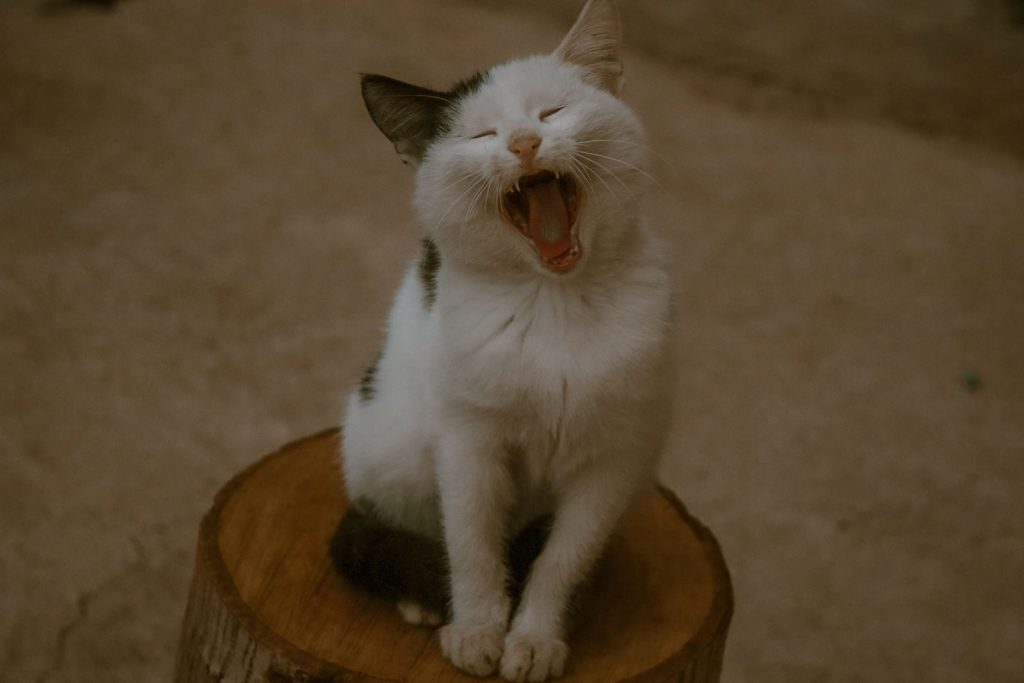
The frightening moment happened while Joan was actively eating cheese. According to Muether, the cat suddenly fainted in the middle of a bite and remained unconscious for roughly two to three seconds. She then woke up, appeared briefly startled, and resumed asking for more cheese. A rapid recovery can make an episode look harmless afterward, but collapse or fainting should never be dismissed simply because a cat seems normal again. Veterinary sources list syncope among signs that can occur with significant cardiovascular problems.
The Episode Lasted Seconds
Because Joan recovered so quickly, her family could easily have treated the incident as a strange one-off. Instead, they had her examined. That decision was sensible because fainting is a symptom rather than a diagnosis. Merck Veterinary Manual notes that animals with heart disease may show weakness or syncope, while Cornell’s cardiology service lists collapse and fainting among reasons a veterinarian may investigate abnormal heart rhythms. Other causes are possible too, so the event itself cannot identify what went wrong.
The Vet Bill Reached $800
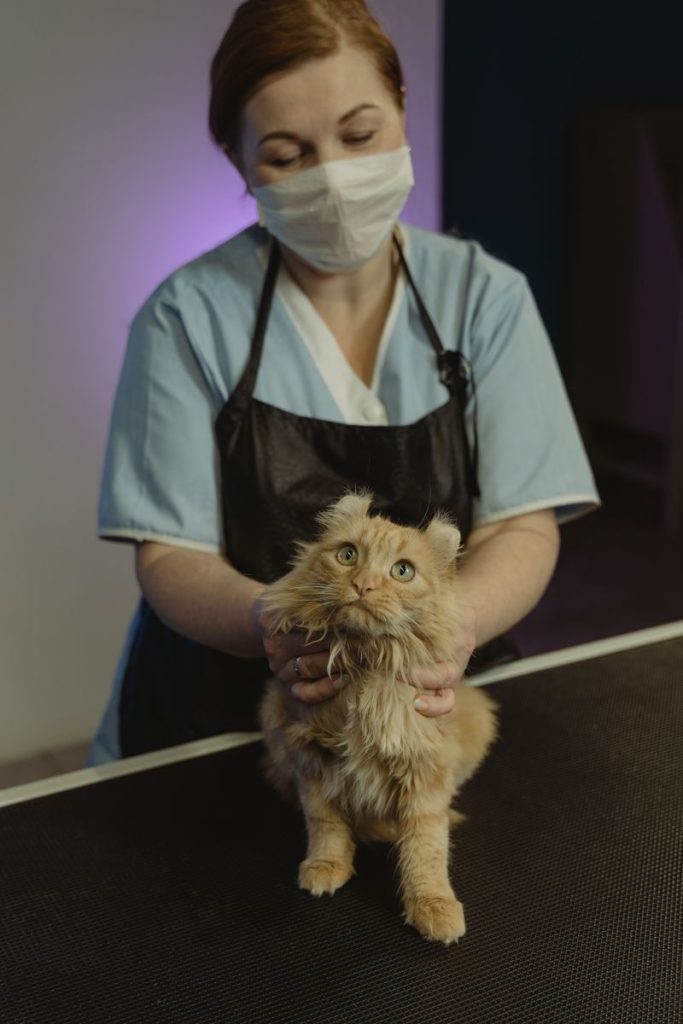
The diagnostic process reportedly cost Joan’s family about $800 and ultimately included evaluation by a veterinary cardiologist. Muether described waiting while the specialist examined Joan, then hearing that she had been a good patient. The expensive part of the story produced an unusual result: the workup did not reveal a physical problem with Joan’s heart. That was reassuring, but it also meant the family still needed an explanation for why their apparently healthy cat had briefly lost consciousness while enjoying her favorite snack.
The Cause Remained a Theory

Joan’s owners eventually shared a theory rather than a confirmed disease diagnosis. They believed her rhythmic sucking while eating the string cheese, combined with extreme excitement, may have altered her breathing enough to cause the brief faint. The published report presents this as the family’s explanation, not as a formally proven mechanism established by testing. That distinction matters. A single viral case should never be used to diagnose another fainting cat, especially because syncope can have cardiovascular and other medically important causes.
Her Heart Looked Healthy

The cardiology visit did provide one clear piece of reassurance: Joan’s heart appeared healthy based on the evaluation described by her family. Her social-media caption later celebrated that result while also saying the cardiologist had advised against giving her more string cheese. That recommendation removed the obvious trigger associated with the episode. It also kept the family from deliberately repeating the situation just to see whether Joan would faint again, which would have been an unsafe way to test an entertaining internet theory.
String Cheese Was Off the Menu
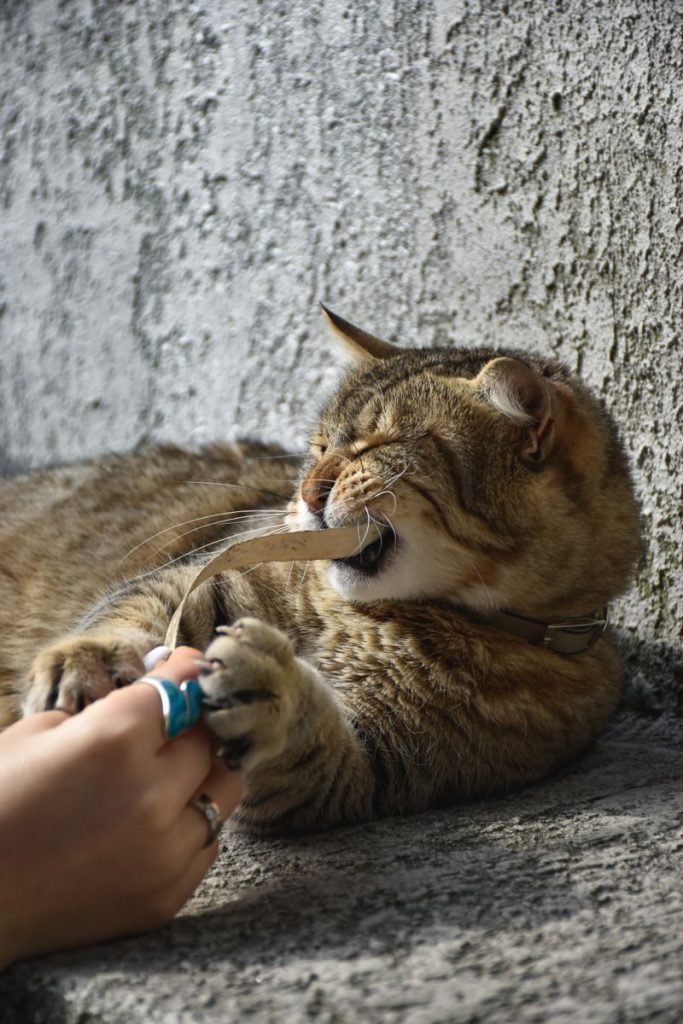
Cheese is not an ideal routine treat for cats even when fainting is not part of the picture. Cats Protection explains that many cats are lactose intolerant, meaning dairy products such as cheese can cause digestive upset. Cheese is also high in fat and salt and does not provide the balanced nutrition cats need. Joan’s case involved an unusual reaction associated with eating string cheese, but owners do not need a dramatic episode to choose more appropriate cat treats and keep dairy from becoming a regular habit.
Fainting Always Deserves Attention

The most useful lesson from Joan’s expensive cheese adventure is not that string cheese normally makes cats faint. Her case was unusual, and the proposed explanation remained specific to what her family and veterinarian observed. The broader lesson is that collapse deserves professional attention even when it lasts only seconds and the cat quickly acts normal. If possible, note what happened immediately before and after the event, and record future episodes safely. Those details can help a veterinarian decide whether cardiac testing or other diagnostics are needed.