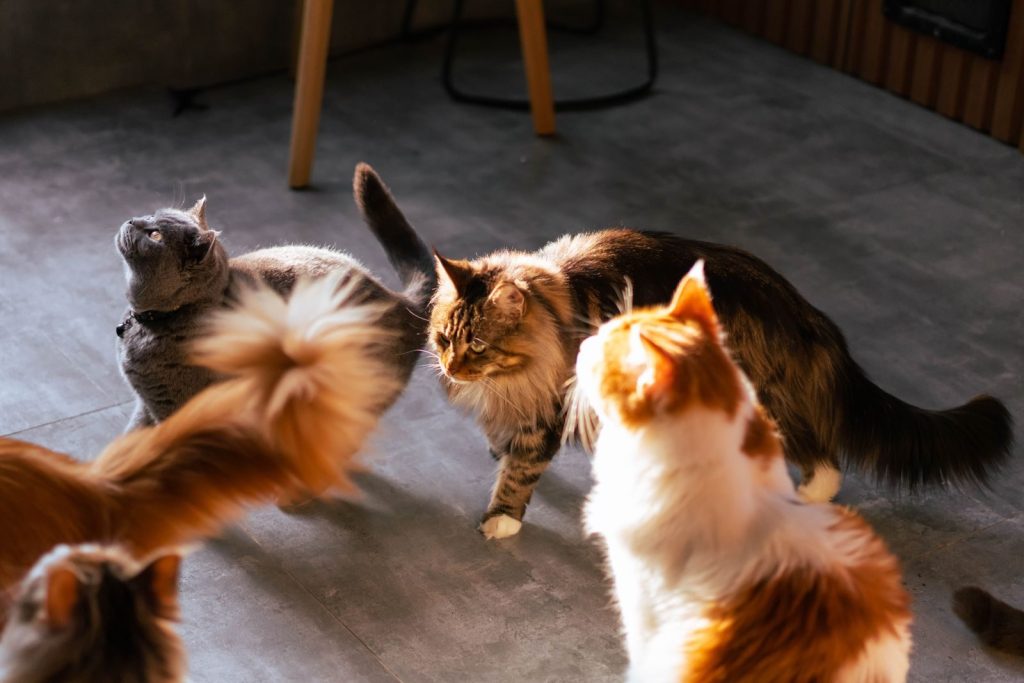

Bringing home a cat means hoping for many happy years together. While good care makes a huge difference, research shows that some breeds have shorter average lifespans than others because of inherited health risks and breed-related conditions.
It’s important to remember that these are population averages, not predictions for individual cats. Many cats from these breeds live long, healthy lives with responsible breeding, preventive veterinary care, and a healthy lifestyle.
Sphynx
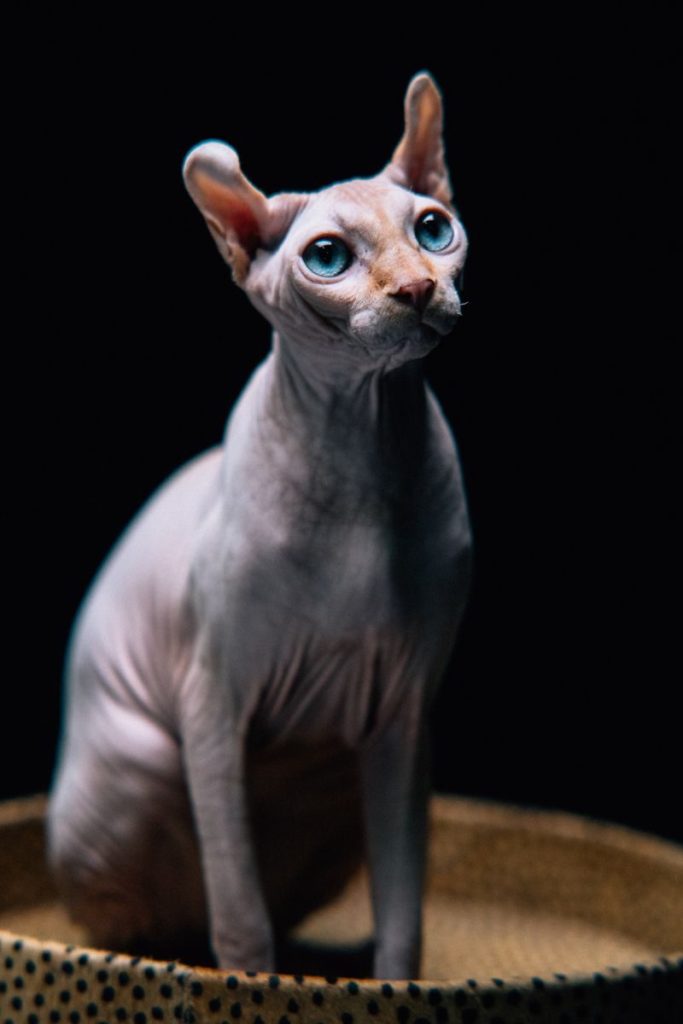
The Sphynx has the shortest average life expectancy among the breeds analyzed in a large UK study, with an estimated life expectancy of about 6.7 years at birth. Researchers believe inherited health conditions, including heart disease and skin-related issues, contribute to the breed’s shorter average lifespan.
Bengal

Bengal cats had an average life expectancy of about 8.5 years in the same study. Although many Bengals live much longer, the breed is predisposed to certain inherited conditions, making regular health screening and responsible breeding especially important.
British Shorthair

British Shorthairs recorded an average life expectancy of about 9.6 years. They are generally sturdy cats, but obesity and some inherited diseases can affect their long-term health, making weight management and routine veterinary care essential.
Russian Blue

The study grouped Russian breeds together, with an average life expectancy of around 9.7 years. Individual cats often exceed this average, especially when kept indoors, fed a balanced diet, and given regular veterinary checkups.
Maine Coon
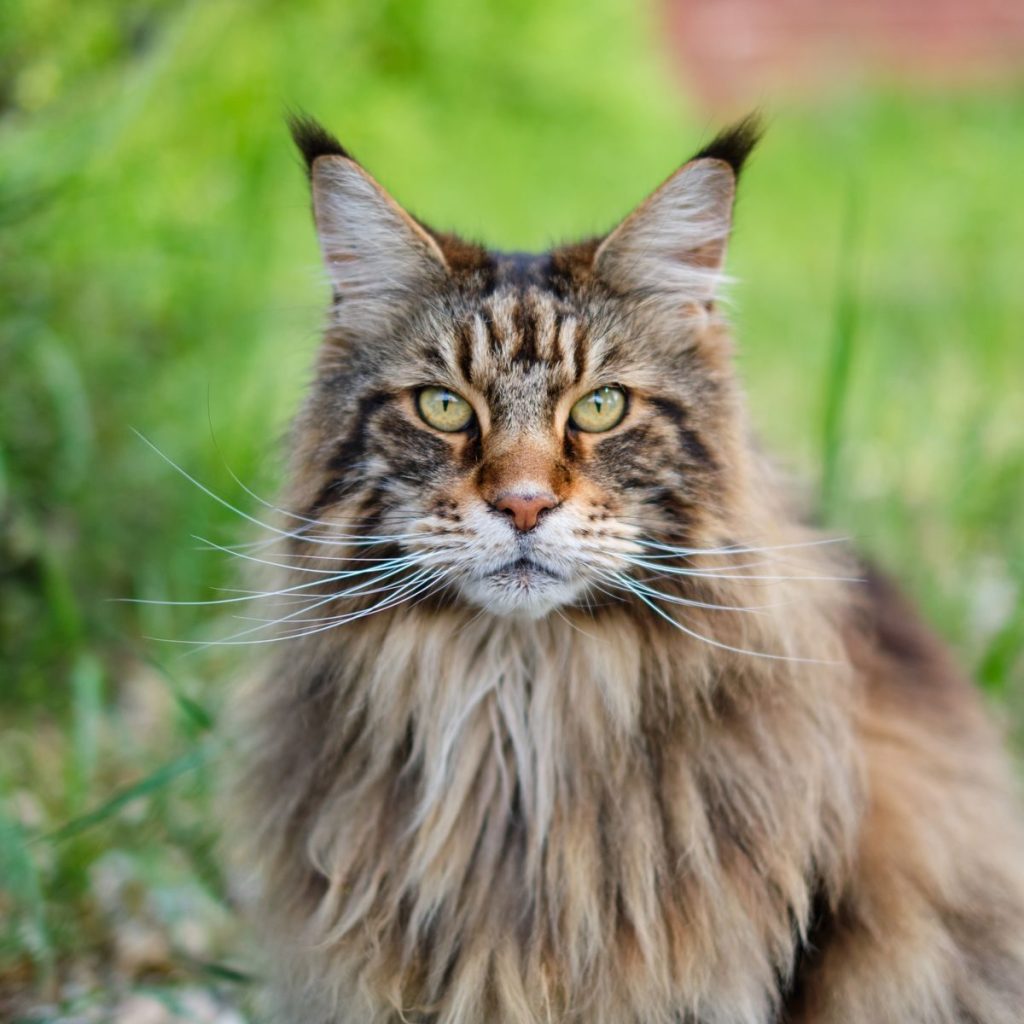
Maine Coons had an average life expectancy of approximately 9.7 years. The breed is known to have a higher risk of inherited conditions such as hypertrophic cardiomyopathy and hip dysplasia, making early health screening valuable.
Norwegian Forest Cat

The Norwegian Forest Cat averaged about 10 years of life in the research. Despite this average, many individuals live well into their teens when they receive quality nutrition, exercise, and routine preventive healthcare.
Ragdoll
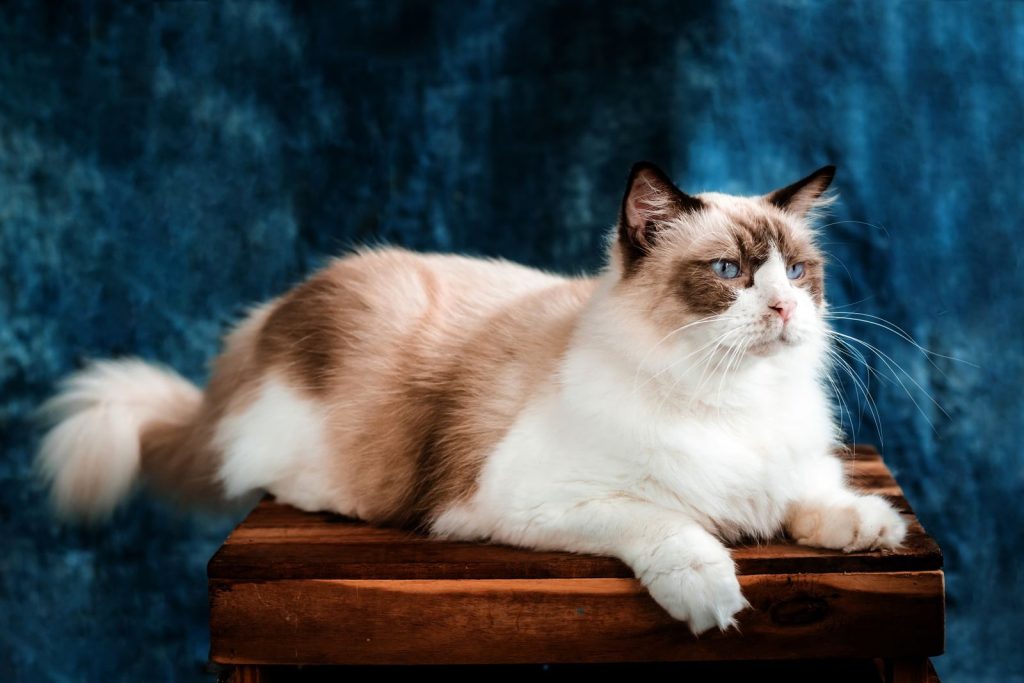
Ragdolls showed an average life expectancy of about 10.3 years. This affectionate breed can be prone to inherited heart disease, so purchasing kittens from health-tested breeding lines and maintaining regular veterinary care can improve long-term outcomes.
Remember These Are Averages
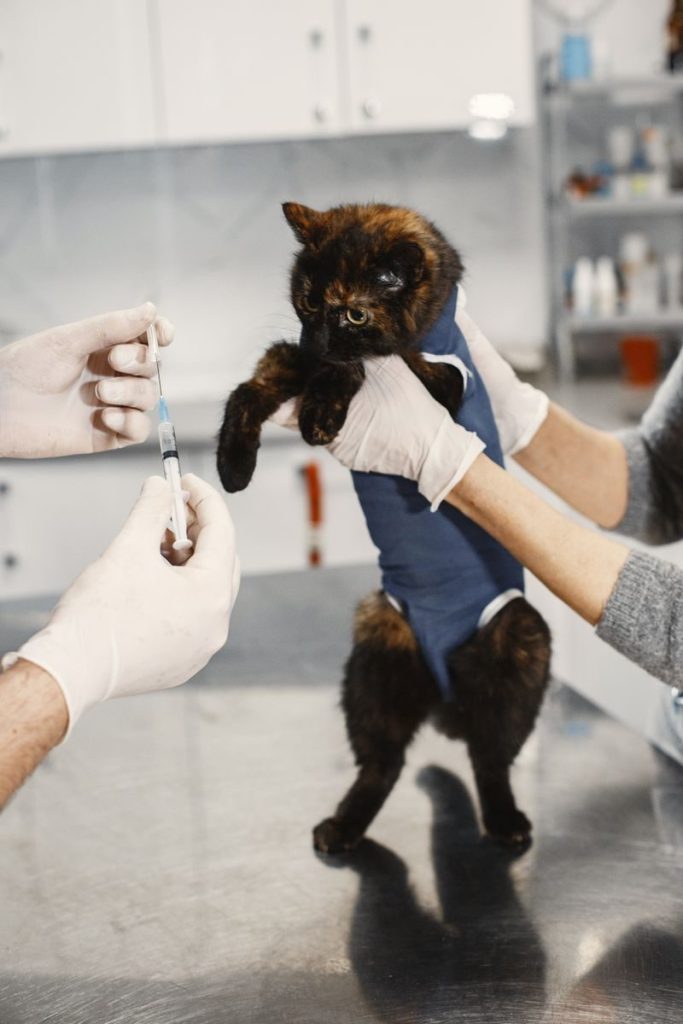
Breed is only one factor that influences lifespan. The same research found that female cats generally live longer than males, crossbred cats outlive purebreds on average, and maintaining a healthy weight is linked with a longer life. A loving home, preventive care, and early treatment remain the biggest factors within an owner’s control.
Featured Image: Photo by .M.Q Huang on Pexels