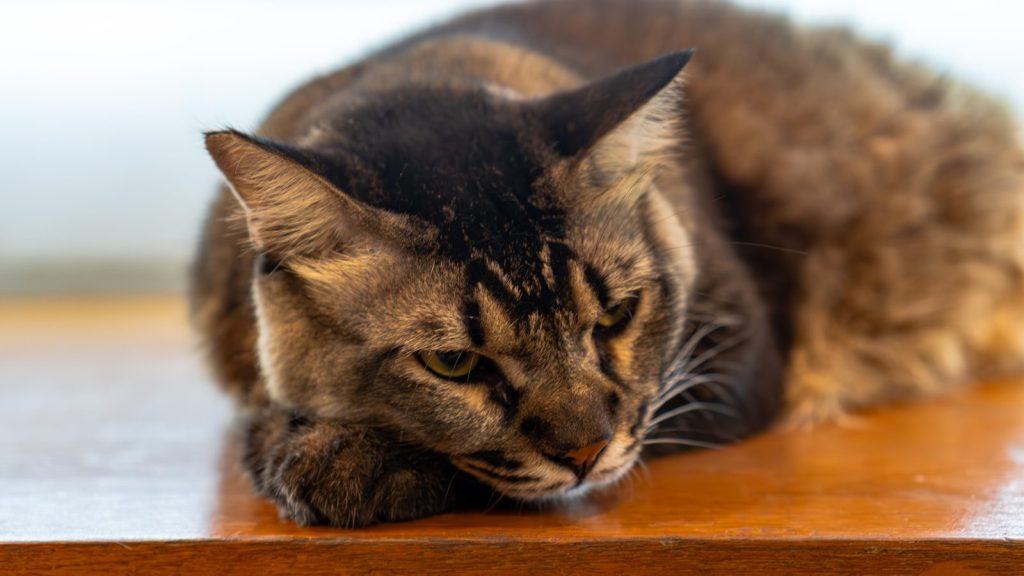

Cats are incredibly good at hiding physical pain. In the wild, showing weakness makes an animal an easy target for predators.
Because of this survival instinct, felines rarely make noise when they are hurting. You must learn to spot the silent signs of distress.
A popular video that worried veterinary experts
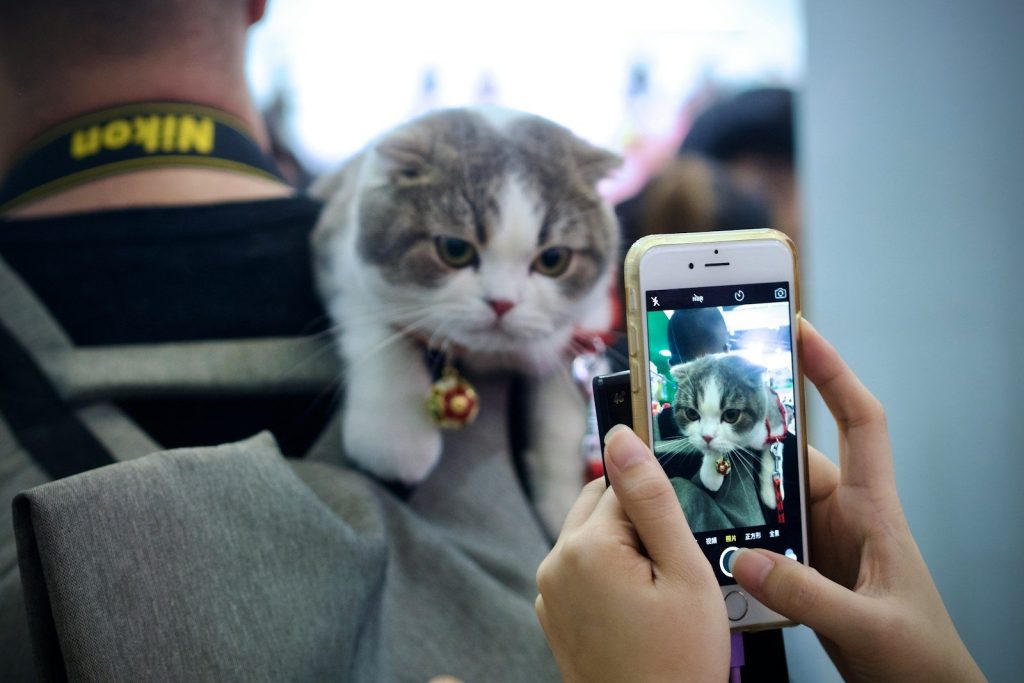
A viral social media clip showed a cat meowing at a human stranger in a store. Millions of viewers thought the behavior was adorable. However, veterinary professionals noticed alarming warning signs in the animal’s stiff posture. The cat was actually in severe pain and trying to find help. This misunderstanding happens to pet owners every single day.
Subtle changes in daily grooming habits

Cats love to stay clean. If your pet suddenly stops grooming, their fur will look greasy or clumped together. This lack of self-care is a classic sign of dental pain or severe joint arthritis. Conversely, obsessively licking one specific spot can indicate a hidden injury underneath the skin. You should check their coat carefully. But grooming is not the only sign.
Sudden shifts in normal vocal sounds
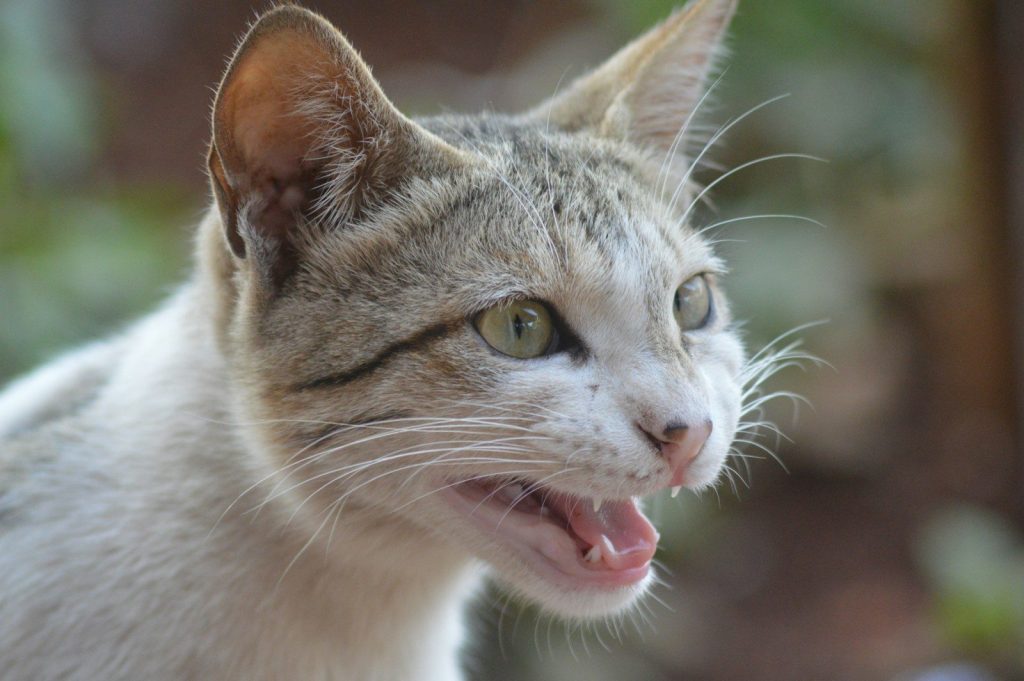
Vocal changes are important. A quiet cat who suddenly starts crying at night might be suffering from high blood pressure or cognitive decline. Similarly, a talkative feline who suddenly goes quiet might be struggling to breathe. Any major change in their normal voice demands immediate investigation. The next warning sign is often hidden in how they rest.
The hunched posture of a hurting animal
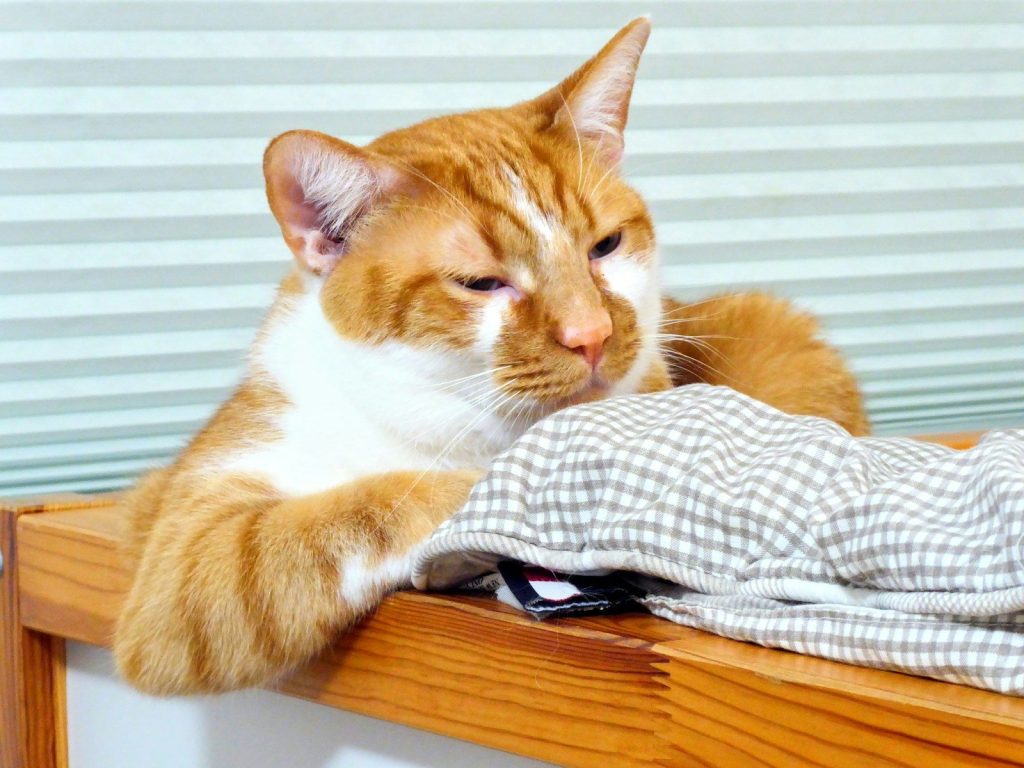
Healthy cats sleep in relaxed shapes. A cat experiencing abdominal pain will sit in a tight, crouched position with their head hanging low. Their eyes may look partially closed or dull. This protective posture is their way of guarding a sore body. They will often withdraw from the family to sit in dark closets. This behavior leads to another common mistake.
Avoiding the litter box is a cry for help.
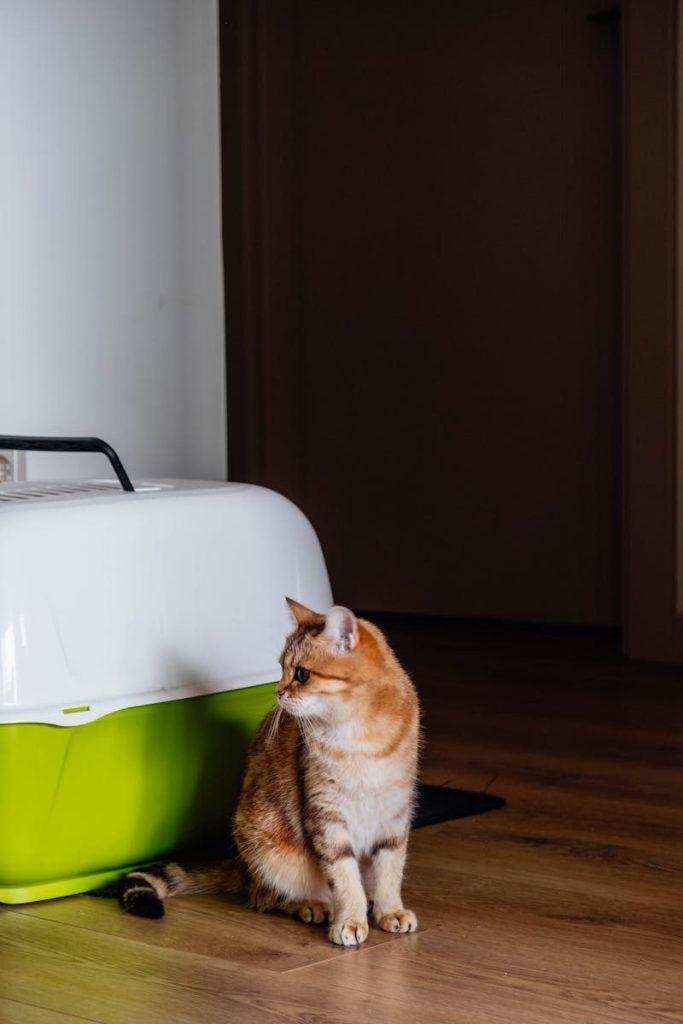
Many owners get angry when a cat urinates on the rug. However, this is rarely a behavior problem. According to the Cornell Feline Health Center, litter box avoidance is frequently caused by painful urinary infections or joint pain. The cat associates the litter box with physical discomfort and seeks softer places. This issue requires quick medical attention.
When to contact an emergency veterinarian
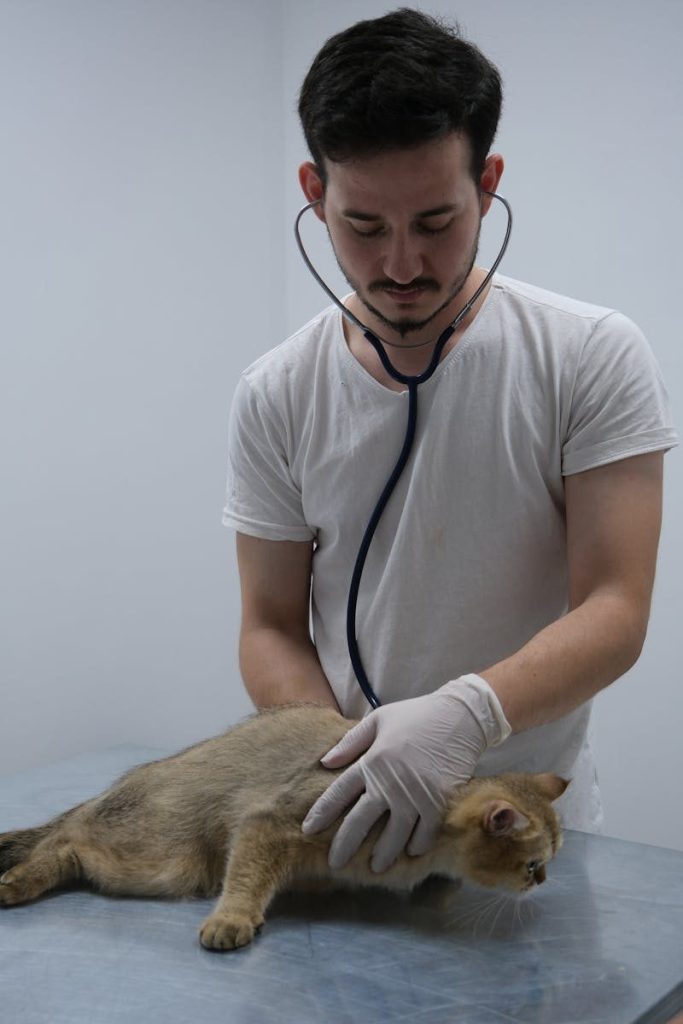
Do not wait if you see dangerous red flags. Difficulty breathing, sudden weakness in the legs, or refusing to eat for over twenty-four hours are major medical emergencies. This article is for informational purposes only and does not constitute veterinary medical advice. Always call your local animal hospital for guidance when you suspect a serious problem. Fast action can make all the difference.
Becoming your cat’s ultimate health advocate
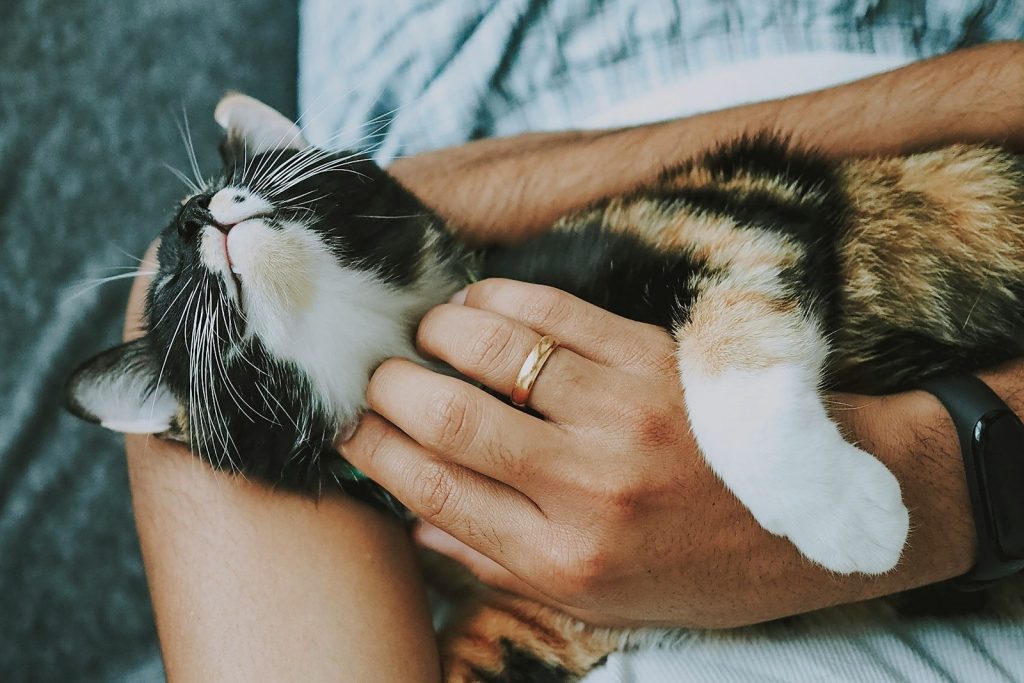
You know your pet best. Track their eating and litter habits daily to catch subtle changes early. Routine vet visits are essential for spotting hidden illnesses before they become painful. By staying observant and acting quickly, you can protect your feline companion from unnecessary suffering. They rely on you to keep them safe.
Featured Image: Photo by Fahrul Razi on Unsplash