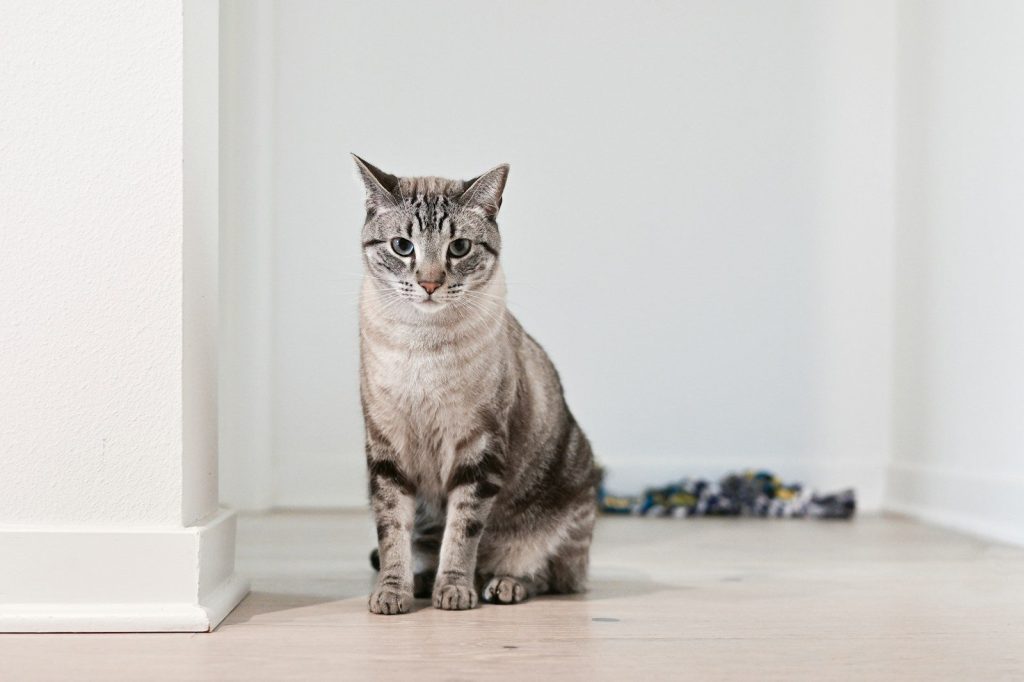

A viral photo of a dapper feline wearing tiny wire-rimmed glasses has captured hearts online. He looks like a sweet retired teacher reading a classic book.
While the image looks adorable, it raises a genuine scientific question. Can felines actually suffer from vision loss that requires corrective lenses?
How feline eyes perceive the modern world
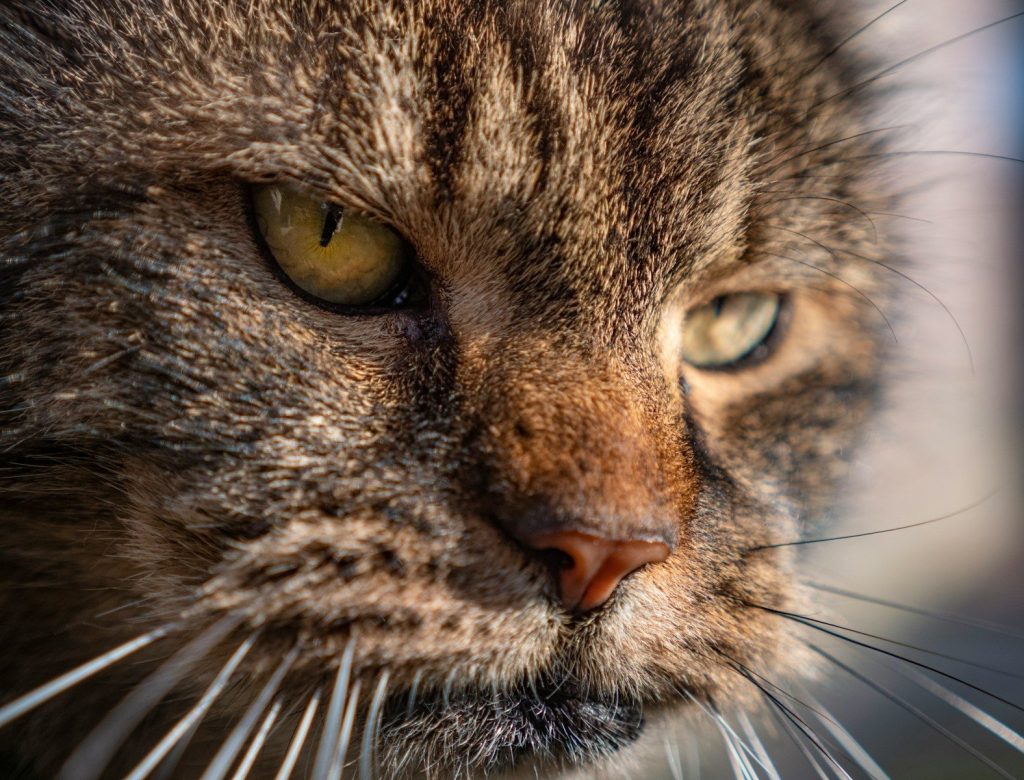
Cats have excellent motion detection and night vision. However, their near-vision is surprisingly poor compared to humans. According to research from the Cornell Feline Health Center, cats are naturally nearsighted. They struggle to focus on objects closer than ten inches, relying instead on their sensitive whiskers to guide them. Yet, some pets face much more severe vision issues.
Common medical causes of feline vision loss
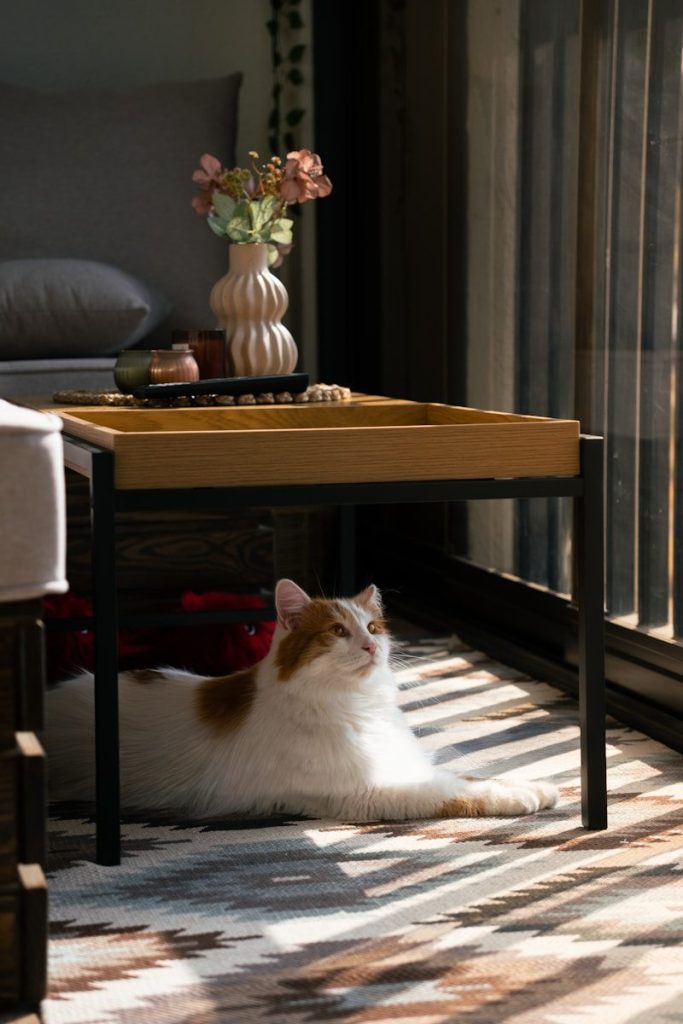
Senior cats face a high risk of developing age-related eye conditions. According to the American Veterinary Medical Association, feline cataracts, glaucoma, and high blood pressure can cause rapid vision decline. These medical issues are highly painful if left untreated by a professional. Fortunately, modern veterinary ophthalmologists have highly advanced tools to diagnose these hidden conditions.
How veterinary eye doctors run tests
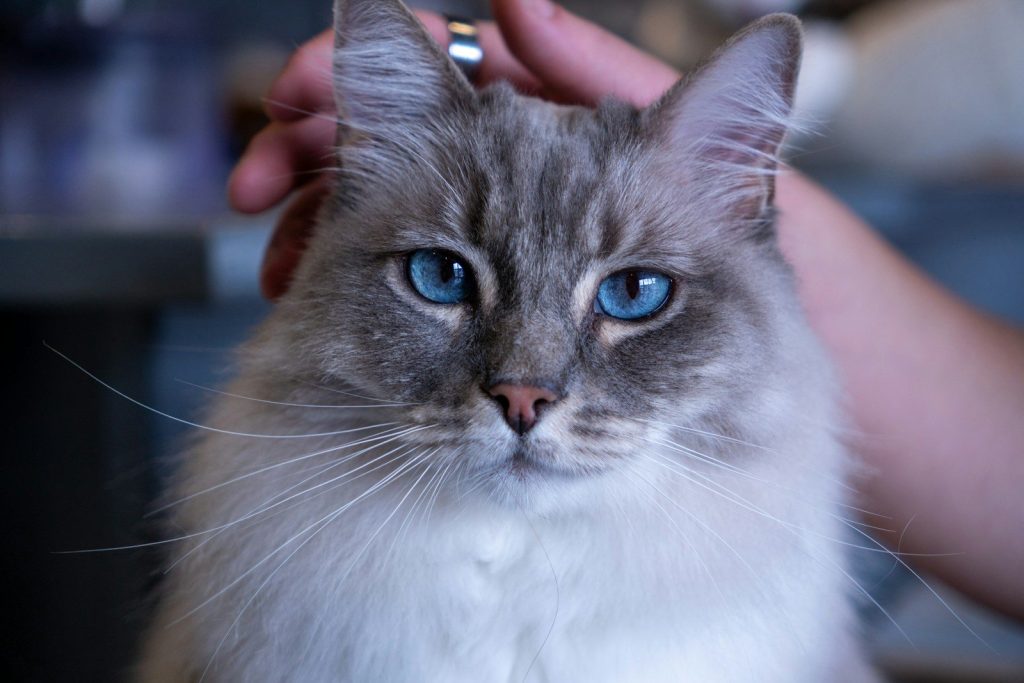
Specially trained veterinarians use advanced light tests and pressure meters to evaluate a pet’s vision. They can detect corneal scratches, inflammation, and pressure changes inside the eye. If a pet has lost their sight, it will still navigate using their whiskers and hearing. But the idea of cat glasses holds a surprising truth.
The reality behind the viral glasses photos
Felines cannot wear traditional prescription glasses to correct their sight. The tiny glasses seen online are simple props that do not have actual corrective lenses. Because a cat’s ears and nose are shaped differently, glasses would easily slip off and cause immense stress. However, veterinary medicine does offer a special alternative.
The use of protective medical visors
Some pets require special eye protection after delicate surgical procedures. Vets may prescribe lightweight plastic visors or soft goggles to prevent them from scratching their eyes. These medical shields help the eye heal safely without causing unnecessary panic. But managing their home environment is the true key to success.
Helping a visually impaired cat thrive safely
If your pet is losing their sight, you can easily support it at home. Keep your furniture in the exact same spots to help them navigate safely using memory. Place scent markers like catnip near their water stations to guide their path. Soon, you will see how beautifully they adapt to their quiet world.
Nurturing their overall sensory health
Keeping your pet’s eyes healthy requires regular veterinary checkups. Annual exams ensure any underlying issues, like high blood pressure, are treated early to protect their sight. Your gentle support allows your companion to live a rich, happy life. This article is for informational purposes only and does not constitute veterinary advice.