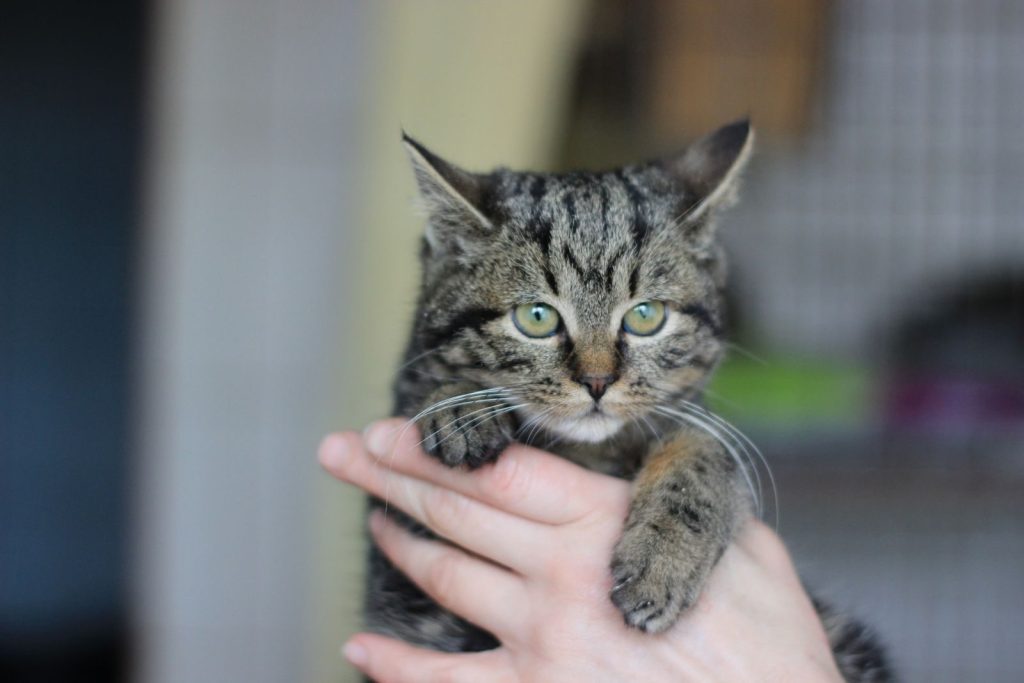

Minty’s story began with abandonment. Love Meow reports that the large tabby was left behind when his family moved away, forcing him to survive outside for months before The Stray Cat Club in London took him in. By then, the experience had left visible damage, including flea bites, battle scars, a cracked tooth, and injuries to both eyes. The rescue described him as quiet, sore, and exhausted when he finally reached safety.
What happened after rescue was less dramatic and more important. Minty received treatment, settled into foster care, and slowly began showing the social, playful personality hidden beneath his physical condition. His eyes healed, the cracked tooth was removed, and newly recognized asthma was brought under control with medication. The cat who had arrived depleted eventually became a companion who enjoys play, sunshine, cuddles, and the couch, giving his rescuers a much clearer picture of the home he needs next.
His Family Left Without Him
Minty had lived with a family before he was left behind, which meant the outdoor months were not simply normal life for a street-hardened cat. Love Meow reports that his family packed up and moved without taking him. The exact reason is not provided, so it would be wrong to invent one or claim he understood the human decision. What is verified is that he remained outside afterward and eventually arrived at The Stray Cat Club showing both physical injuries and deep exhaustion from surviving without his previous home.
Months Outside Took a Toll
Months outdoors had visibly affected Minty by the time rescue help reached him. The Stray Cat Club reported battle scars, flea bites, a cracked tooth, and injuries involving both eyes. Those findings offered concrete evidence that he needed more than food and a temporary place to sleep. Outdoor survival can expose cats to fights, parasites, traffic, weather, and untreated medical problems. Minty’s case should not be used to guess exactly how each injury happened, but the combination showed why veterinary assessment and protected recovery were necessary.
Minty Arrived Exhausted
The rescue described Minty as quiet, sore, and exhausted on arrival. That early behavior could easily be mistaken for a permanent personality if someone met him only once. Instead, the foster period gave him time to stop coping with immediate discomfort and begin recovering in a predictable environment. Shelter and rescue workers often learn more about a cat after pain, hunger, and fear have been addressed. Minty’s later behavior was dramatically more social, showing why first impressions from a medically stressed animal may not represent how that cat behaves after stabilization.
His Eyes and Tooth Healed
Veterinary treatment removed one major source of discomfort when Minty’s cracked tooth was extracted, while his injured eyes also healed. Love Meow does not give a detailed surgical or medication record, so the safest account stays with those confirmed outcomes. Dental pain and eye injuries can both affect appetite, activity, grooming, and tolerance of touch, making treatment important for welfare rather than appearance. As Minty physically improved, rescuers reported that the more confident and interactive cat underneath those problems gradually became easier to see.
Foster Care Revealed Asthma
Minty’s foster caregivers noticed another issue after the most obvious injuries improved: signs consistent with feline asthma. The rescue reportedly tried to rule out environmental triggers, but episodes continued, and Minty was started on medication. Love Meow says the condition is now well controlled. That does not mean every coughing or breathing episode in a cat is asthma, and owners should not diagnose it from a video. Breathing changes can have several causes, so a veterinarian needs to assess the individual cat and decide on appropriate testing and treatment.
His Personality Came Back
Once treatment and routine began working, Minty’s personality changed enough that The Stray Cat Club said he was hardly recognizable compared with the cat who arrived. He became interested in company, play, and normal household life. That improvement should not be reduced to a simple claim that love cured him. Medical care, safety, rest, nutrition, time, and consistent handling all contributed to an environment where recovery became possible. The result was a cat whose social behavior could finally be evaluated without untreated injuries dominating every part of his day.
Minty Became a Cuddle Cat
Minty turned out to be highly people-oriented in foster care. The rescue says that if someone sits down for a few minutes, there is a good chance the large tabby will end up sitting on their chest asking for cuddles. He also enjoys feather-wand play and has confidently claimed the couch. Those observations are useful adoption information because they describe repeated behavior seen in a home environment. They do not erase his medical needs, but they show that the cat who seemed defeated on arrival can also be playful, social, and physically affectionate.
Minty Needs the Right Home
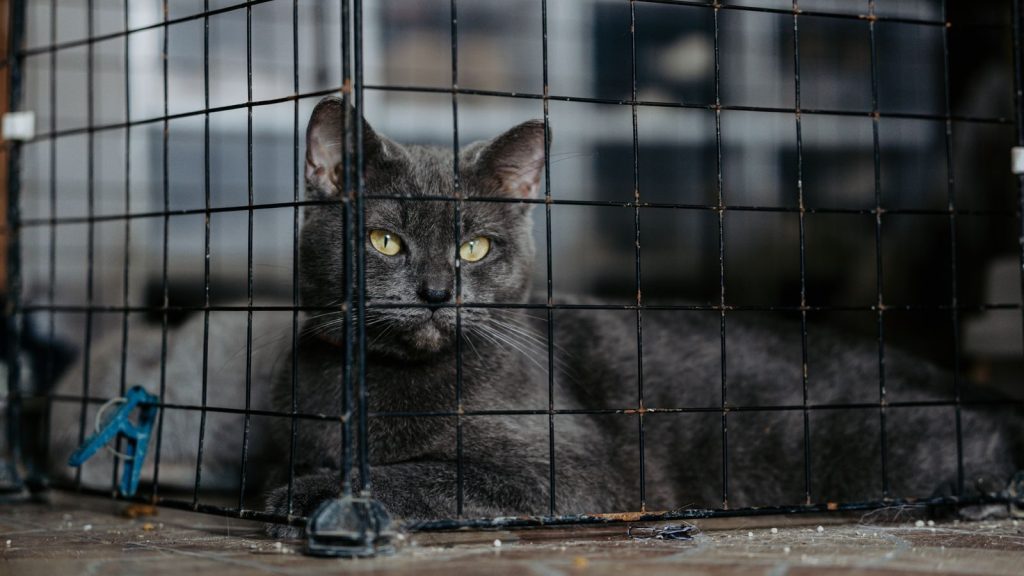
The rescue believes Minty would enjoy access to sunshine and could potentially live with older children able to match his enthusiasm for play. Those preferences come from foster observations rather than generic assumptions about tabby cats. Any final adoption would still need to consider his asthma management, veterinary follow-up, indoor safety, household activity, and how he responds to the specific people involved. The strongest ending to Minty’s story is not simply that he survived abandonment. It is that rescuers now know enough about him to search for a home suited to the cat he actually is.
Featured Image: Photo by Natalia Sevruk on Pexels


